Butterfly fern
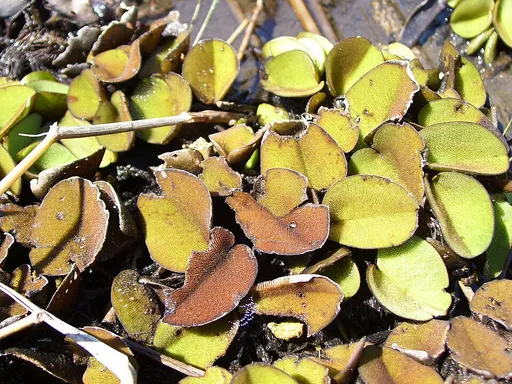
Salvinia auriculata
Also known as Eared watermoss, Butterfly moss, Salvinia auriculata complex, African payal, Giant salvinia
FreshwaterFloatingFragmentationDivision
Prohibited. Listed as a US federal noxious weed, so bringing it into the US or moving it across state lines needs a USDA permit, and some states ban it outright. Never release into the wild.
Care at a glance
- Light
- Medium light
- CO2
- No CO₂ needed
- Temperature
- 68–82°F
- 20–28°C
- Max height
- 1.6 in
- 4 cm
- Growth rate
- Fast
- Placement
- Floating
- Type
- Floating
- pH
- 6.0–8.0
- Hardness
- 2–18 dGH
- Spread
- 11.8 in (30 cm)
- Nutrient uptake
- Water column
- Growth region
- Submersed or emersed
- Difficulty
- Easy
- Family
- Salviniaceae
- Origin
- A floating fern from the still fresh waters of tropical Central and South America, where it drifts in green mats across ponds and slow rivers.
Overview
Butterfly fern is a fast-growing floating fern that lives on the water surface. It is an easy plant.
Did you know
The hairs on the leaves of butterfly fern join at the tip like an egg whisk and hold a layer of air. That keeps the leaves dry and gives a splashed mat a silvery sheen. Engineers study the shape for surfaces that stay dry under water.
Caring for butterfly fern
Float butterfly fern on the surface in medium light, away from strong surface flow, which flips and tears the leaves. It needs no CO2. It takes its food straight from the water and pulls out excess nitrate and phosphate, so any feeding goes in as a liquid fertilizer.
Butterfly fern grows fast at 68 to 82°F (20 to 28°C), and it gives shade and cover to surface-dwelling fish and fry. Pieces that break off keep growing, so a few plants soon spread across the surface. Thin it regularly so it does not shade out the plants below or choke gas exchange at the surface.
Good to know
Butterfly fern is a floating fern in the family Salviniaceae. Each node has two rounded floating leaves that sit like tiny butterfly wings. A third, finely divided leaf hangs underwater and works like a root. It has no true roots and spreads by spores and by fragments breaking off the stem. Young plants lie flat, and crowded ones grow larger leaves that fold upright. Shops often sell it as Salvinia natans, which is a different fern from Europe and Asia.
In the wild
Butterfly fern comes from the still fresh waters of tropical Central and South America. It drifts in green mats across ponds and slow rivers.
Common questions
Does butterfly fern need to be planted in the substrate?
No. Butterfly fern floats at the surface and takes its nutrients straight from the water.
Does butterfly fern need CO2?
No. Butterfly fern grows well without added CO2.
How much light does butterfly fern need?
Butterfly fern wants medium light. A light sold for planted tanks covers it.
How do you propagate butterfly fern?
Butterfly fern propagates by fragmentation and division. Pieces that break off keep growing, so pulling a clump apart spreads it. Each plant buds off new ones, so a few soon cover the surface.
Related plants
 Medium lightFloating1.2 in (3 cm)
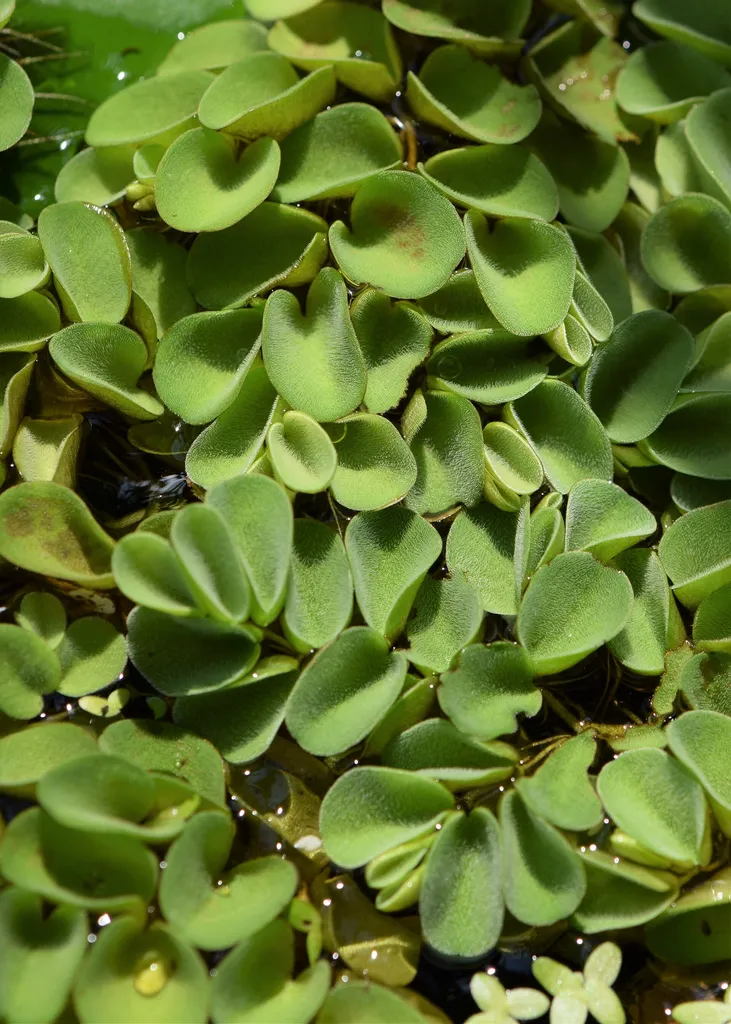
Salvinia cucullata
Medium light · Floating
 Medium lightFloating1.2 in (3 cm)
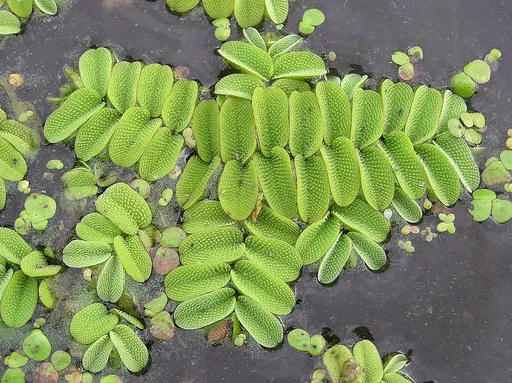
Salvinia natans
Medium light · Floating
 Medium lightFloating1.2 in (3 cm)
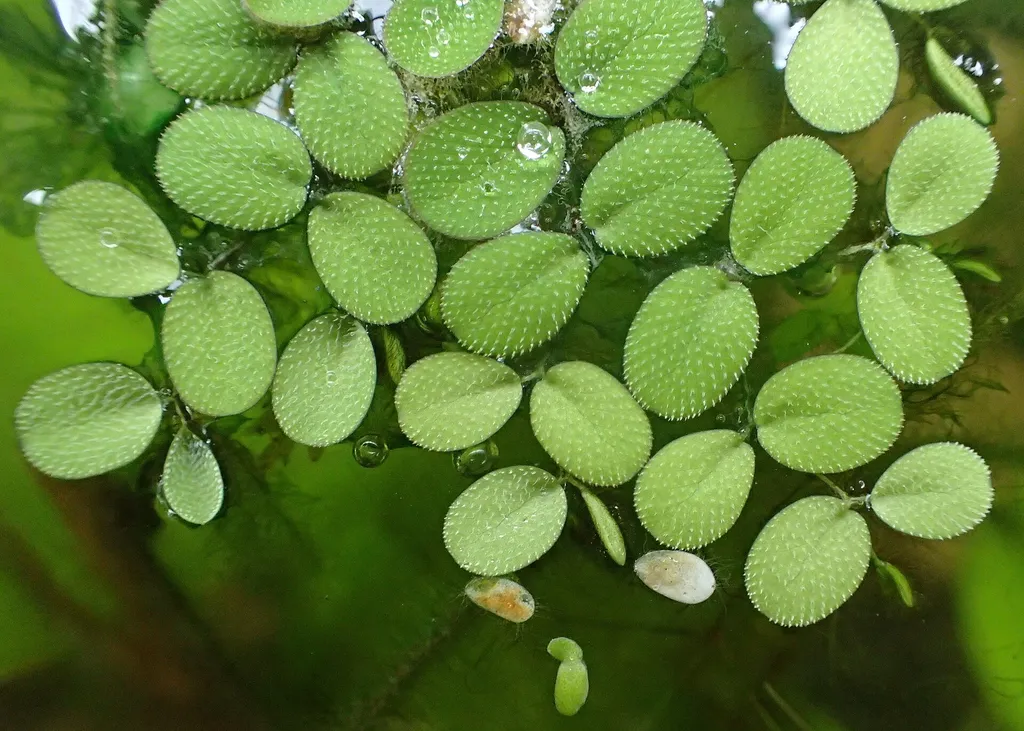
Water spangles
Salvinia minima
Medium light · Floating
 Medium lightFloating0.8 in (2 cm)
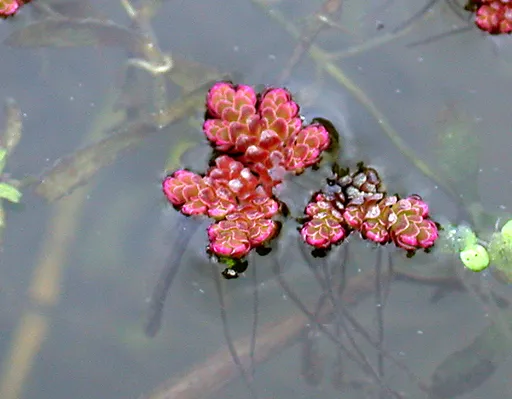
Fairy moss
Azolla filiculoides
Medium light · Floating
 Medium lightFloating0.8 in (2 cm)
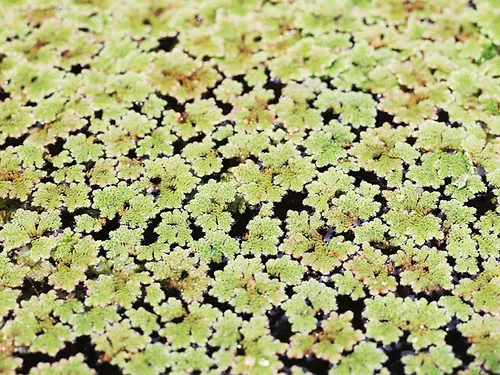
Carolina mosquito fern
Azolla caroliniana
Medium light · Floating
 Medium lightFloating2 in (5 cm)
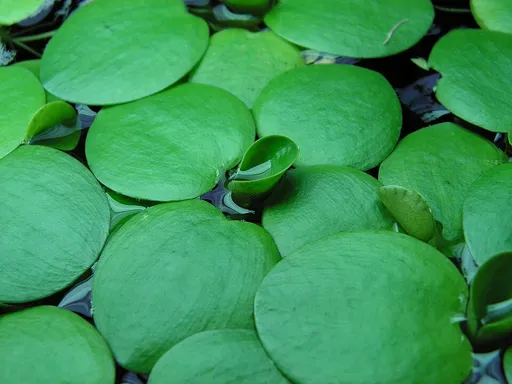
Amazon frogbit
Limnobium laevigatum
Medium light · Floating