Mosaic plant
Ludwigia sedioides
Also known as Mosaic flower, False loosestrife, Jussiaea sedioides
FreshwaterRosetteCuttingsSide shoots
Invasive. Mosaic plant is invasive and restricted in parts of Australia and some US states. Never release into the wild; dispose of in the trash.
Care at a glance
- Light
- High light
- CO2
- CO₂ beneficial
- Temperature
- 70–82°F
- 21–28°C
- Max height
- 11.8 in
- 30 cm
- Growth rate
- Fast
- Placement
- Floating
- Type
- Rosette
- pH
- 5.5–7.5
- Hardness
- 2–12 dGH
- Spread
- 23.6 in (60 cm)
- Nutrient uptake
- Root + water column
- Growth region
- Submersed or emersed
- Difficulty
- Medium
- Family
- Onagraceae
- Origin
- Tropical South America (Venezuela, Colombia, Panama, Brazil)
Overview
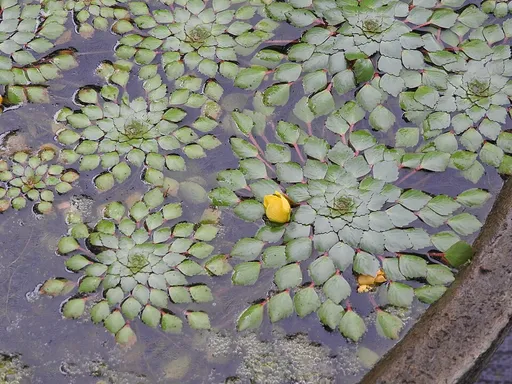
Grown for the ornate red-and-green surface rosettes rather than as a background plant. It roots in soft substrate and needs bright light hitting the surface, so it is really a pond or open-top tank plant and will shade out everything below it. CO2 and rich substrate speed it up, and it spreads fast enough to need regular thinning. It hates alkaline water and will decline above pH 8, and cold below about 18 C kills it.
In the wild
Native to tropical South America, including Venezuela, Colombia, Panama and Brazil, where it grows in still or slow-moving swampy water and pond margins. It is a rooted plant that sends long stems up to the surface, where the leaves fan out into flat, diamond-shaped rosettes that float on top. In the wild a single plant can spread across a couple of feet of water surface.
Good to know
The accepted name is Ludwigia sedioides (Humb. & Bonpl.) H.Hara, in the family Onagraceae, and it was first described as Jussiaea sedioides. Despite its floating appearance it is not a free-floater like duckweed, it roots in the substrate. The rosettes open flat during the day and the leaves overlap and contract at night, a genuine nyctinastic (day-night) movement.
Did you know
Did you know this plant is considered potentially invasive in some regions (it has been flagged as a problem species in Sri Lanka), so never release it into local waterways, though it is not on any federal noxious weed ban list.
Related plants
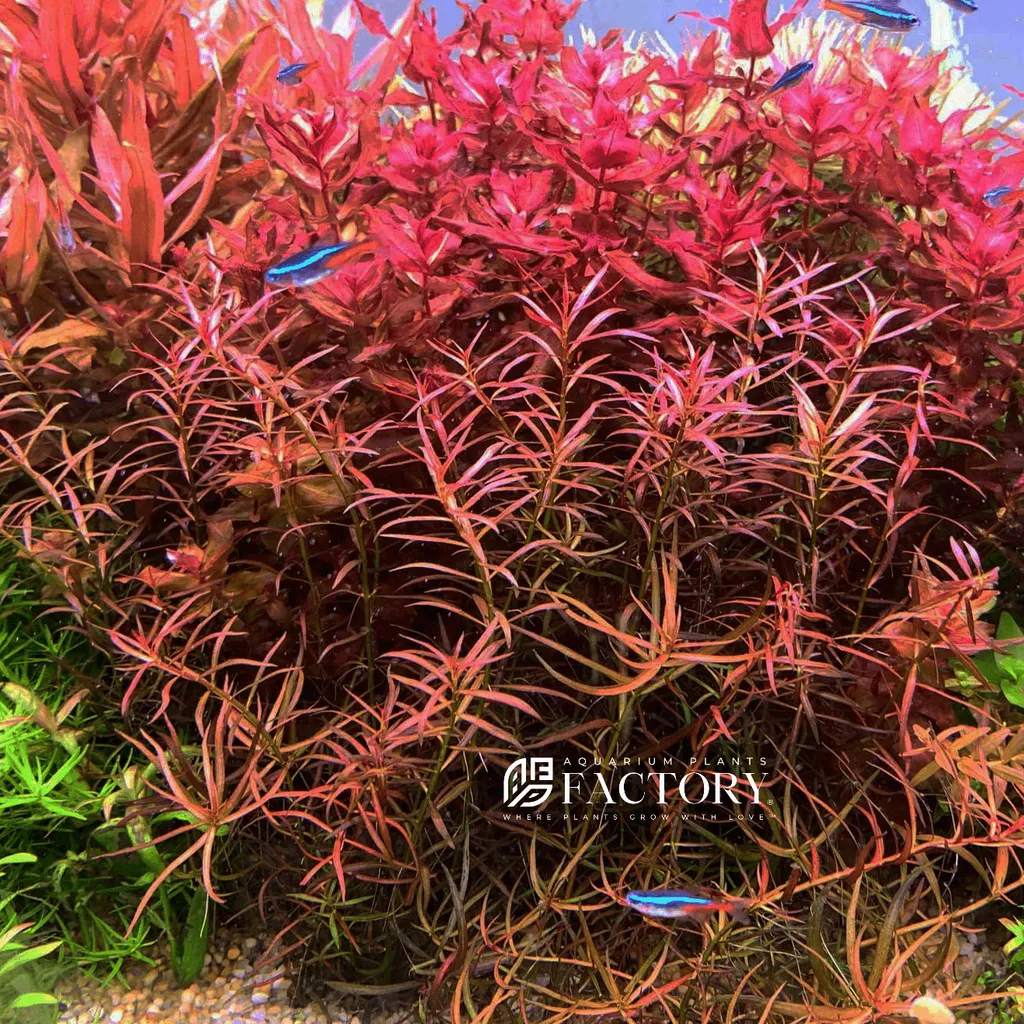 High lightMidground11.8 in (30 cm)
Ludwigia brevipes
High light · Midground
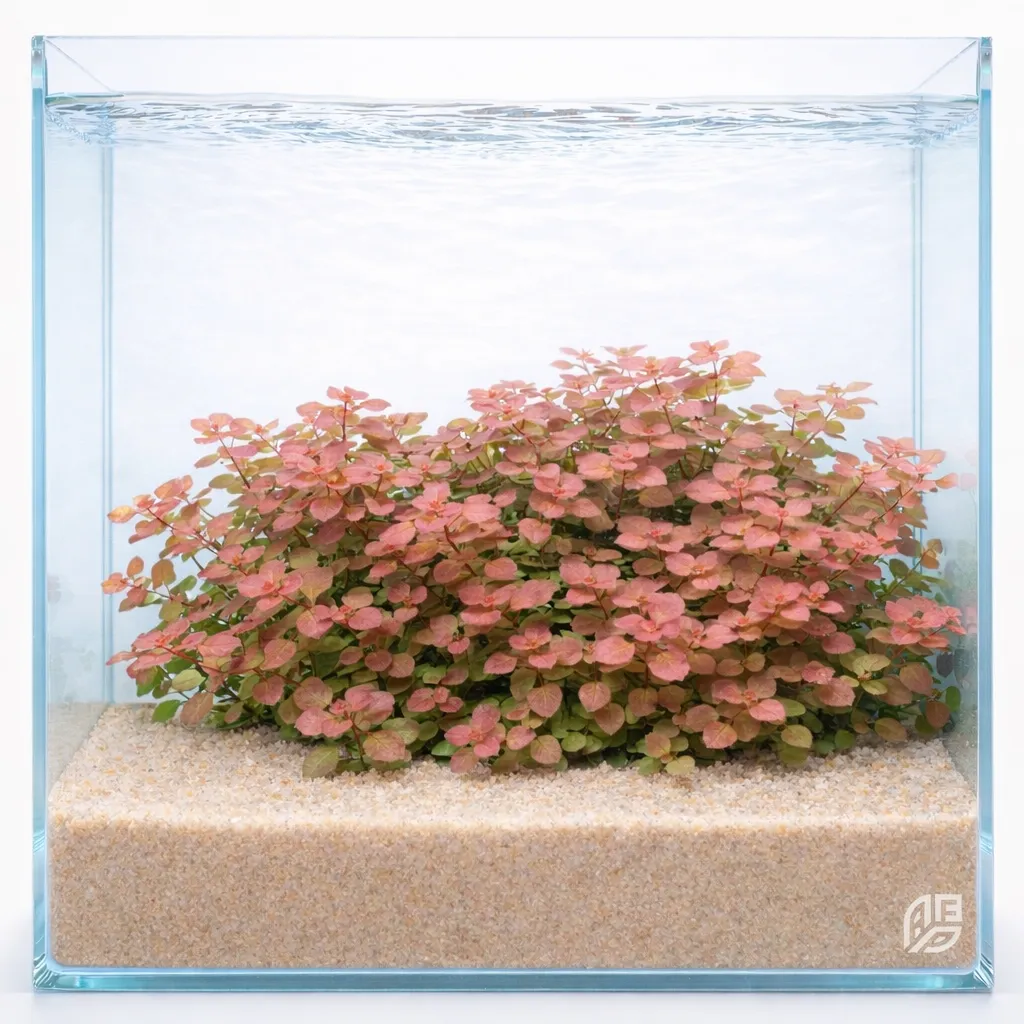 Medium lightMidground11.8 in (30 cm)
Ludwigia ovalis
Medium light · Midground
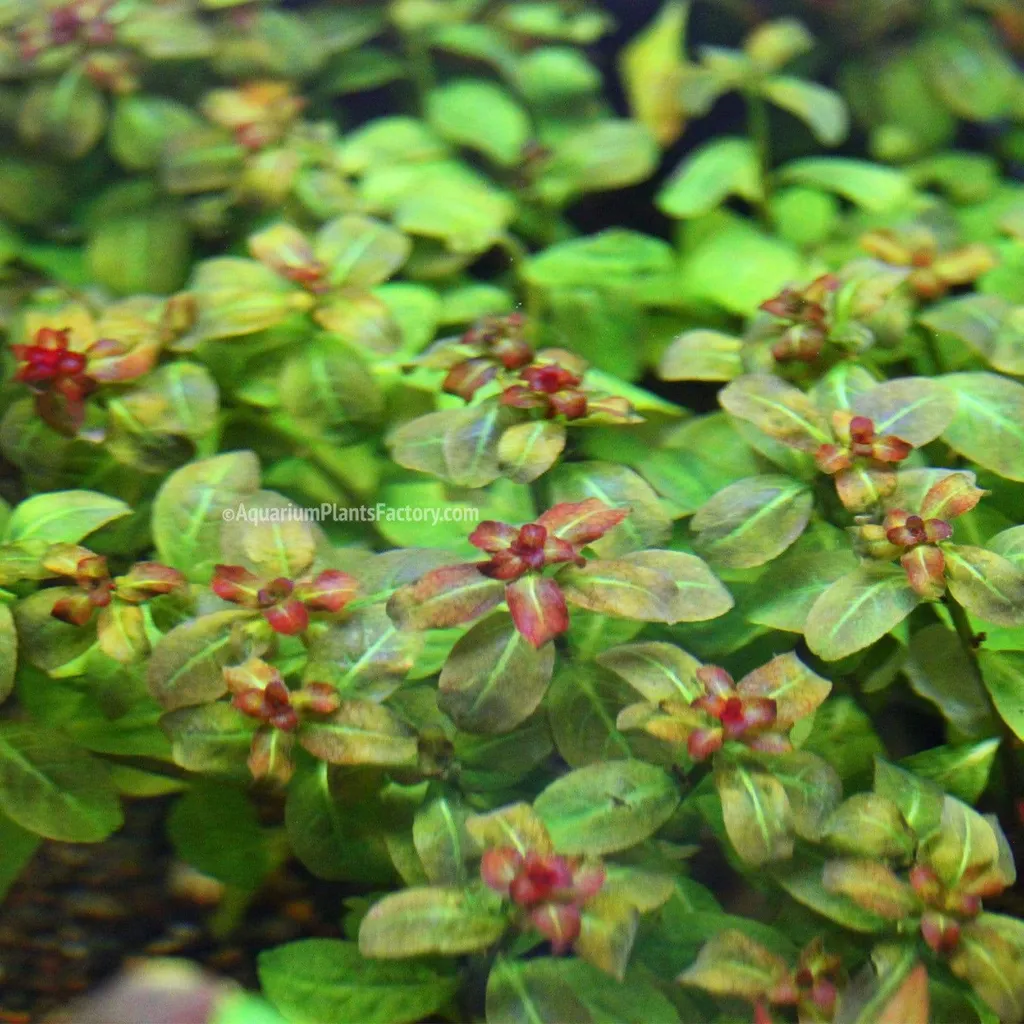 High lightMidground11.8 in (30 cm)
Ludwigia senegalensis
High light · Midground
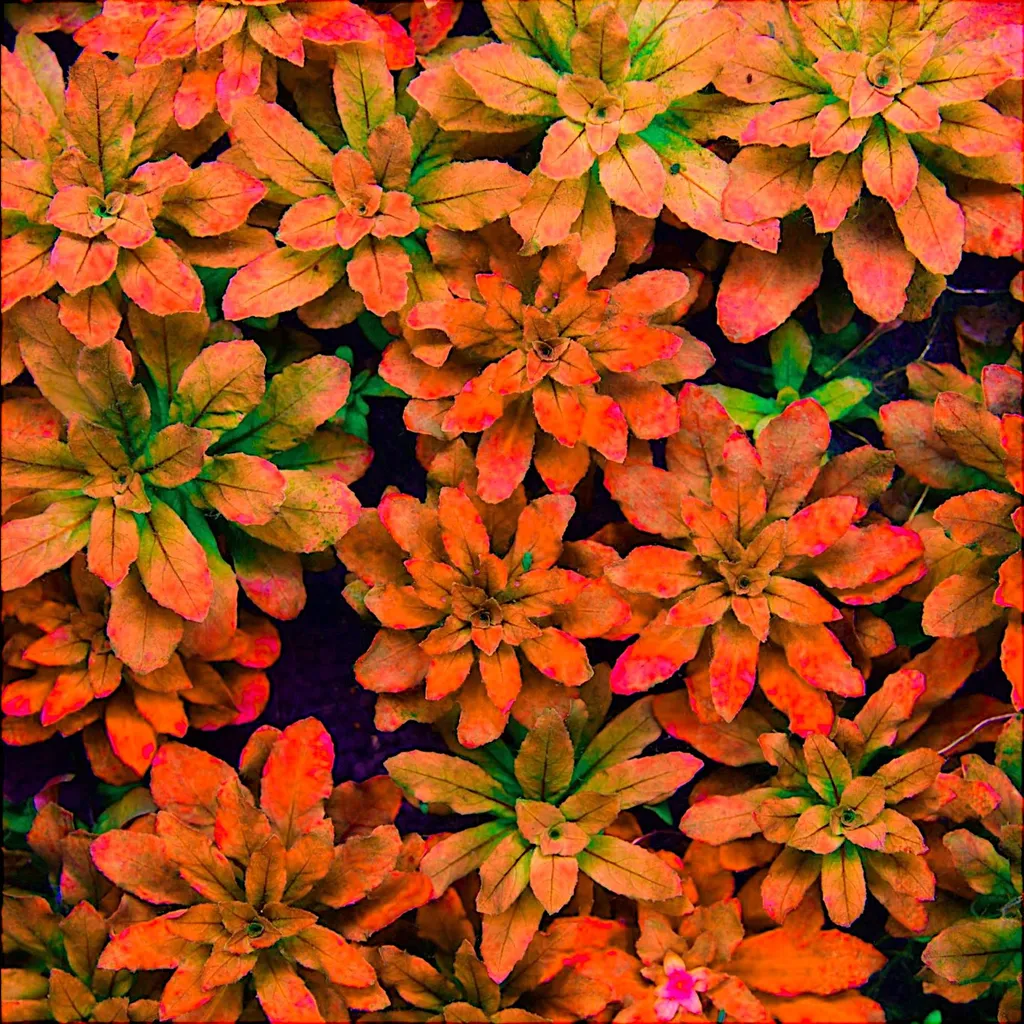 High lightMidground11.8 in (30 cm)
Ludwigia sphaerocarpa
High light · Midground
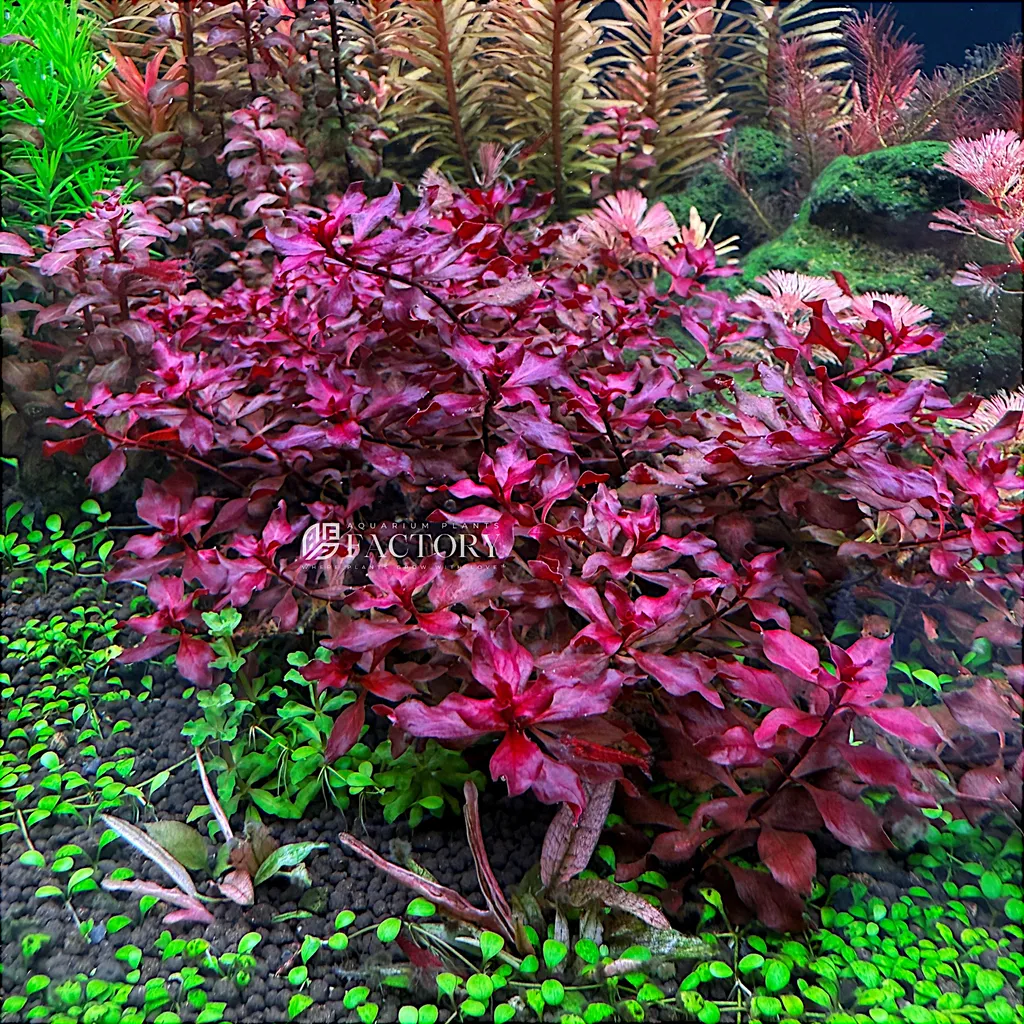 High lightMidground11.8 in (30 cm)
Ludwigia super red
Ludwigia palustris 'Super Red'
High light · Midground
 High lightBackground15.7 in (40 cm)
Ludwigia glandulosa
High light · Background