One species · 1 variety
Flowerhorn cichlid
Amphilophus hybrid
FreshwaterFish
Care at a glance
- Temperature
- 77–88°F
- 25–31°C
- pH
- 6.5–7.8
- Adult size
- 15.7 in
- 40 cm
- Minimum tank
- 90 gal
- 340 L
- Temperament
- Aggressive
- Social behavior
- Solitary
- Own kind
- One male per tank
- Tankmates
- With caution
- Swim level
- Middle
- Difficulty
- Easy
- Breeding
- Hard
- Rarity
- Rare
- Family
- Cichlidae
- Origin
- no natural occurrence
Pick a variety
One setup covers every line on this page: care is the species' care.
Overview
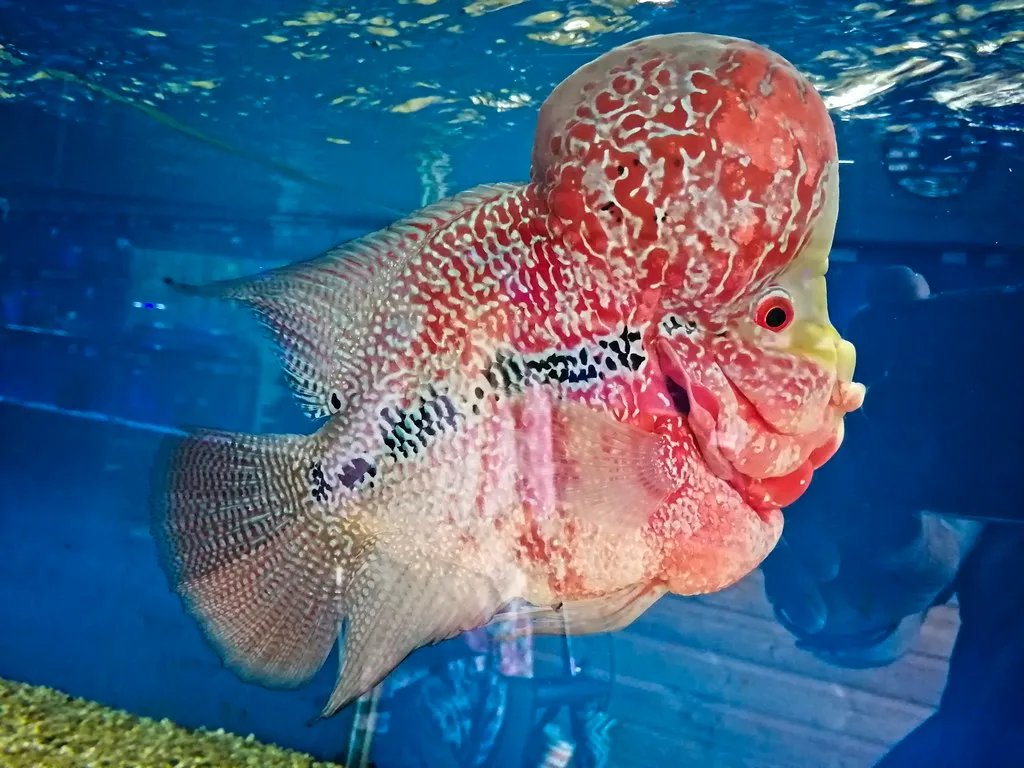
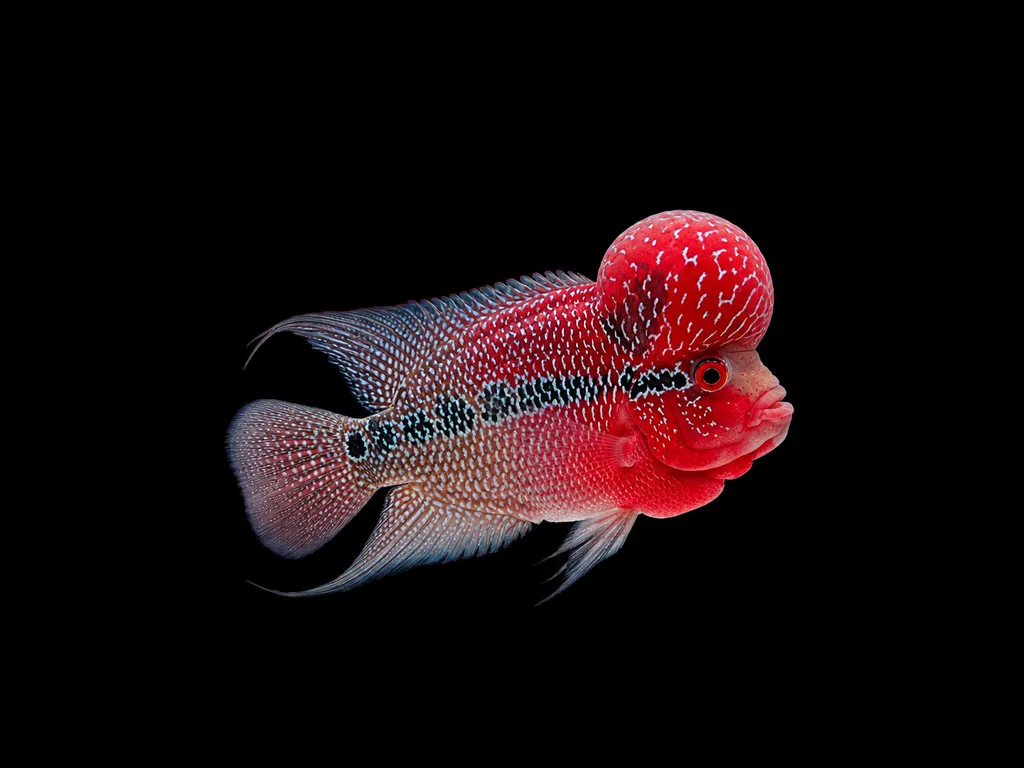
The flowerhorn is a man-made hybrid cichlid that is large, strong and highly aggressive, so it is almost always kept alone in its own tank. A single fish will treat the whole aquarium as its territory and usually cannot be trusted with tankmates, which it may injure or kill. It is hardy and undemanding about water, which makes the care itself straightforward, but the size and temper are the real challenge. Give one adult at least 340 liters, use a heater guard and a strong filter, and secure or remove decor since these fish push everything around. Feed a good quality cichlid pellet as the staple, with occasional frozen or fresh foods such as prawn and earthworm, and avoid overfeeding fatty foods. Many owners keep them as a single interactive wet pet that learns to recognize the person who feeds it.
In the wild
The flowerhorn does not occur in the wild. It was created in the aquarium trade from the late 1990s by crossing several Central American cichlids, and no natural population or habitat exists for it. Because it has no native range, care is based on the general needs of its robust Central American ancestors rather than any specific river or lake. Neutral, moderately hard water with a pH of 6.5 to 7.8 and a temperature of 25 to 31 C keeps it healthy. A simple, easy to clean setup with a sandy floor, a couple of sturdy pieces of decor and plenty of open swimming space works best.
Good to know
The flowerhorn is a hybrid within the cichlid family, Cichlidae, developed by crossing Central American cichlids from the Amphilophus and related groups, so it carries no single valid scientific name. Adults can reach around 40 cm and are known for the large nuchal hump, or kok, on the forehead, which many keepers look for. It is a substrate spawner, but breeding is unpredictable, and many males are functionally sterile, so producing fry often depends on hand-selecting fertile individuals. Because it is a hybrid, its exact traits vary widely from one strain and one fish to the next.
Did you know
The flowerhorn was bred purely for looks, selected for its bold colors, pearly markings and the large fleshy hump on its head. Some strains show blotches that hobbyists read as lucky symbols or characters, which helped drive the fish's early popularity.
Other named lines
Flowerhorns are man-made hybrids of mixed Central American ancestry; strain names describe body shape and pattern lines.
- Kamfa
- short body, fan tail, heavy nuchal hump
- Zhen Zhu
- dense pearling, longer face
- Thai silk
- solid metallic blue
Common questions
What size tank does a Flowerhorn cichlid need?
A Flowerhorn cichlid needs at least 90 gal (340 L). It spends most of its time in the middle.
What temperature and pH does a Flowerhorn cichlid need?
A Flowerhorn cichlid is comfortable at 77–88°F (25–31°C) with a pH of 6.5–7.8.
How big does a Flowerhorn cichlid get?
An adult Flowerhorn cichlid reaches about 15.7 in (40 cm).
Related species
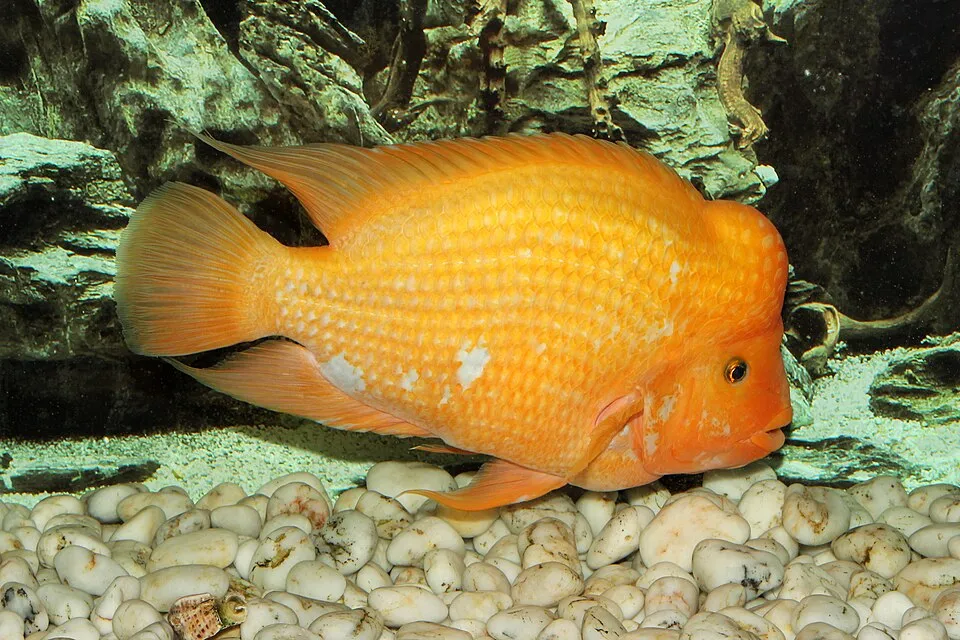 13.8 in (35 cm)79 gal (300 L)70–79°F (21–26°C)
Midas cichlid
Amphilophus citrinellus
13.8 in (35 cm) · 79 gal (300 L)
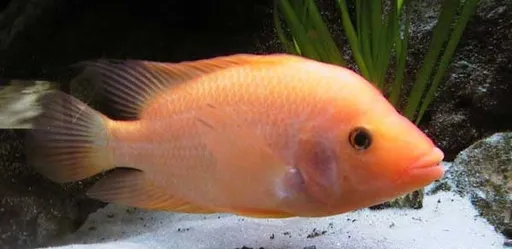 13.8 in (35 cm)75 gal (284 L)75–79°F (24–26°C)
Red devil cichlid
Amphilophus labiatus
13.8 in (35 cm) · 75 gal (284 L)
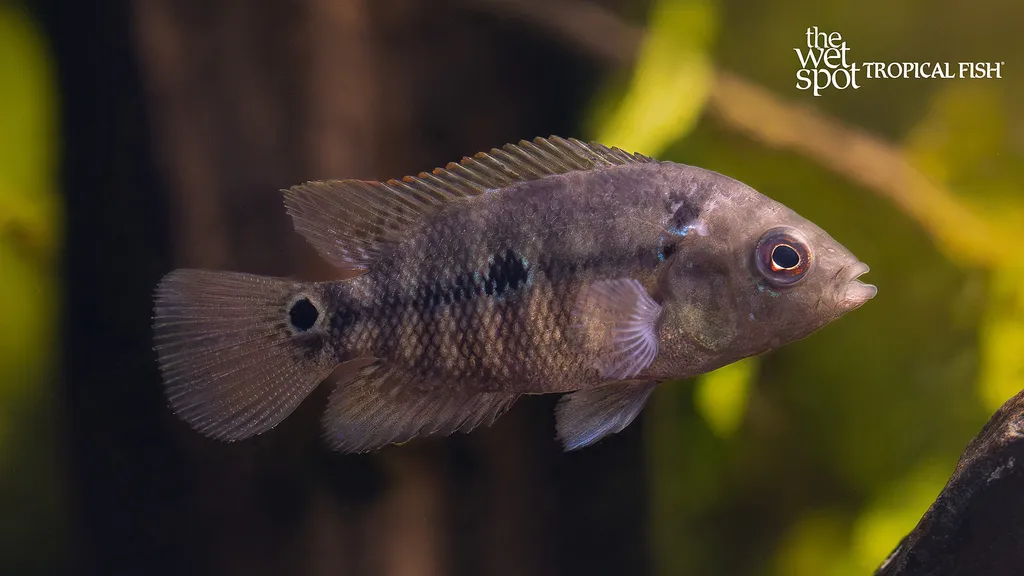 13.8 in (35 cm)90 gal (340 L)75–82°F (24–28°C)
Trimac cichlid
Amphilophus trimaculatus
13.8 in (35 cm) · 90 gal (340 L)
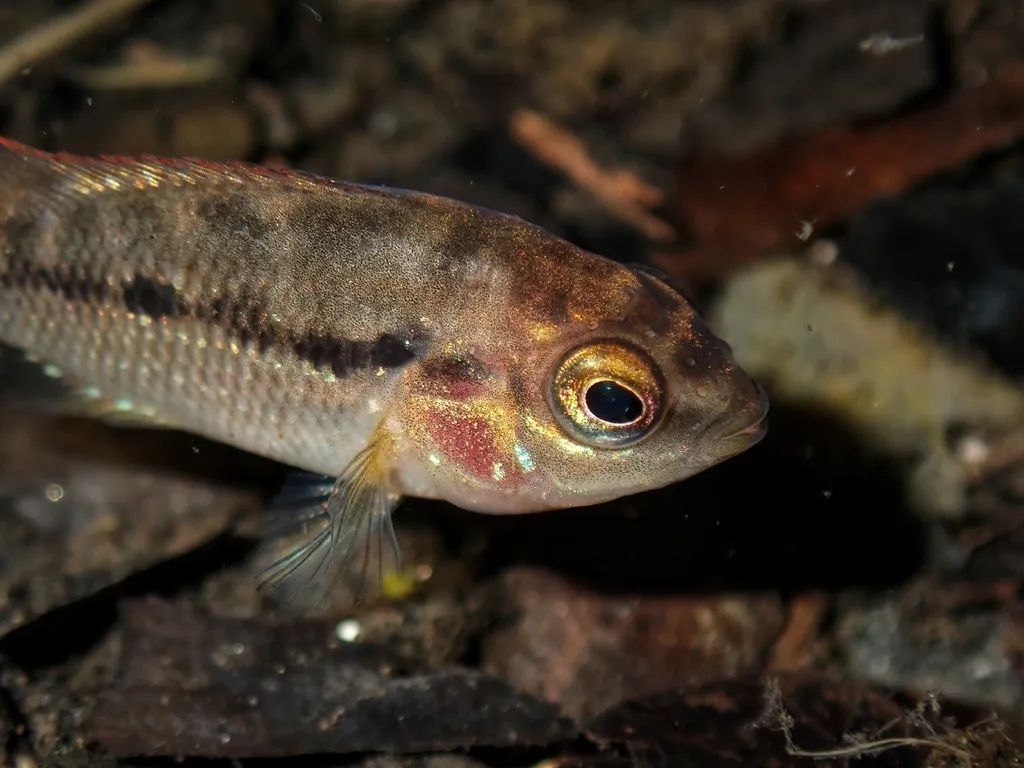 11.8 in (30 cm)119 gal (450 L)75–84°F (24–29°C)
Istlanus cichlid
Amphilophus istlanus
11.8 in (30 cm) · 119 gal (450 L)
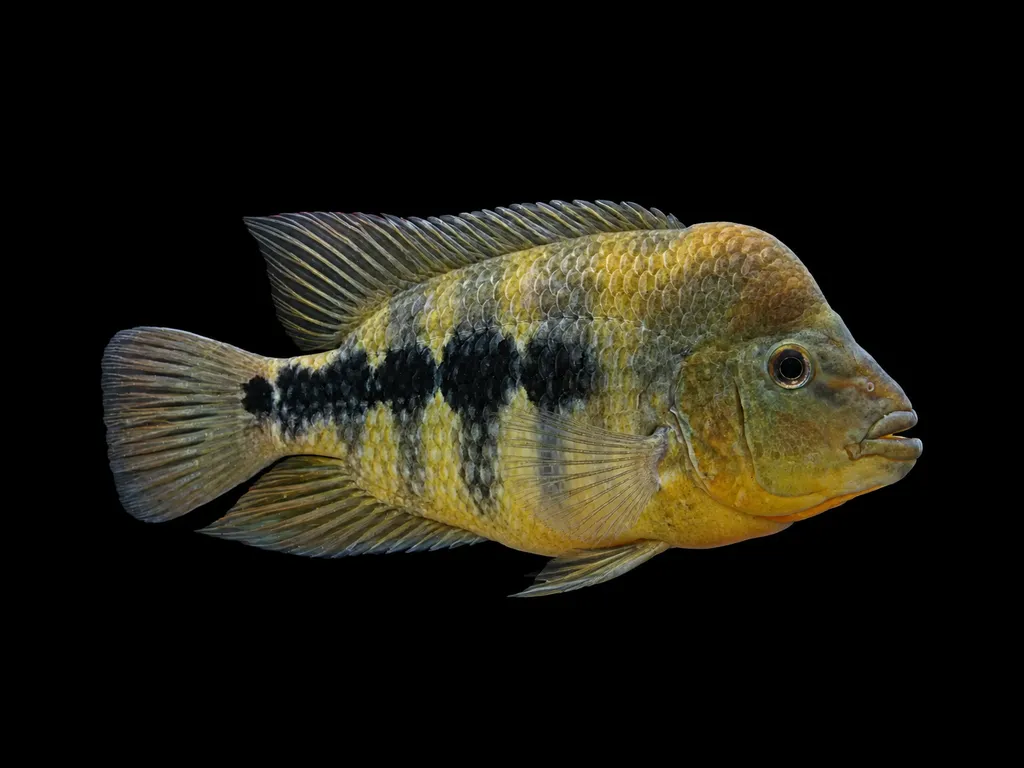 11.4 in (29 cm)132 gal (500 L)75–84°F (24–29°C)
Chancho midas cichlid
Amphilophus chancho
11.4 in (29 cm) · 132 gal (500 L)
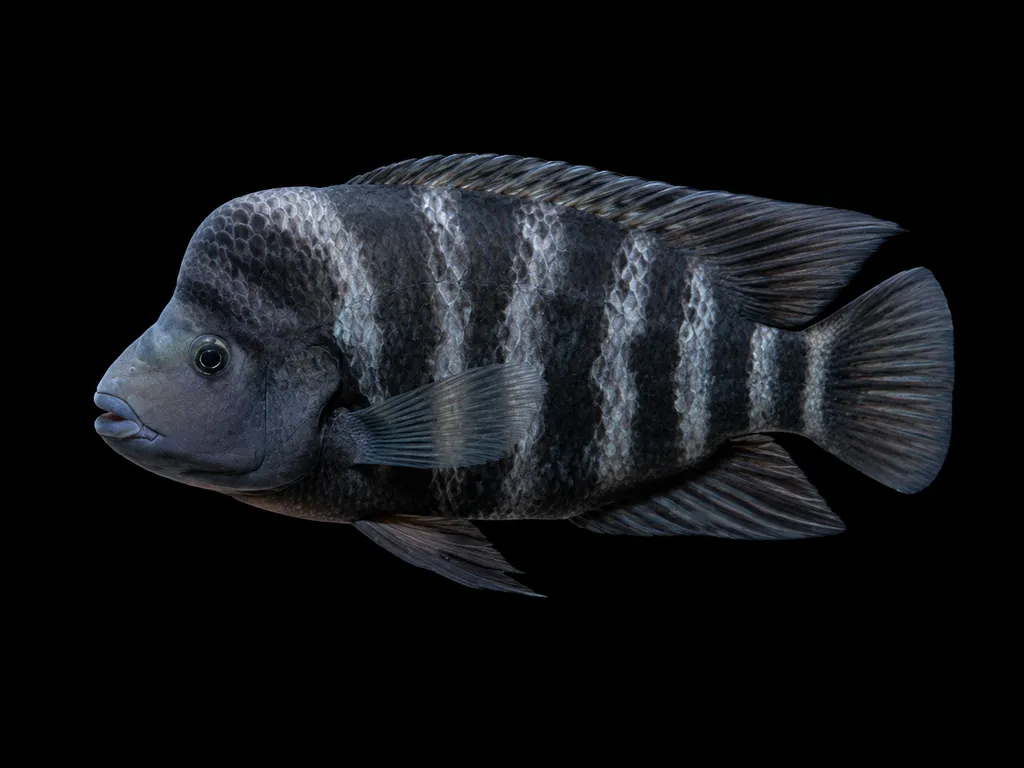 7.5 in (19 cm)119 gal (450 L)75–84°F (24–29°C)
Arrow midas cichlid
Amphilophus sagittae
7.5 in (19 cm) · 119 gal (450 L)