Istlanus cichlid
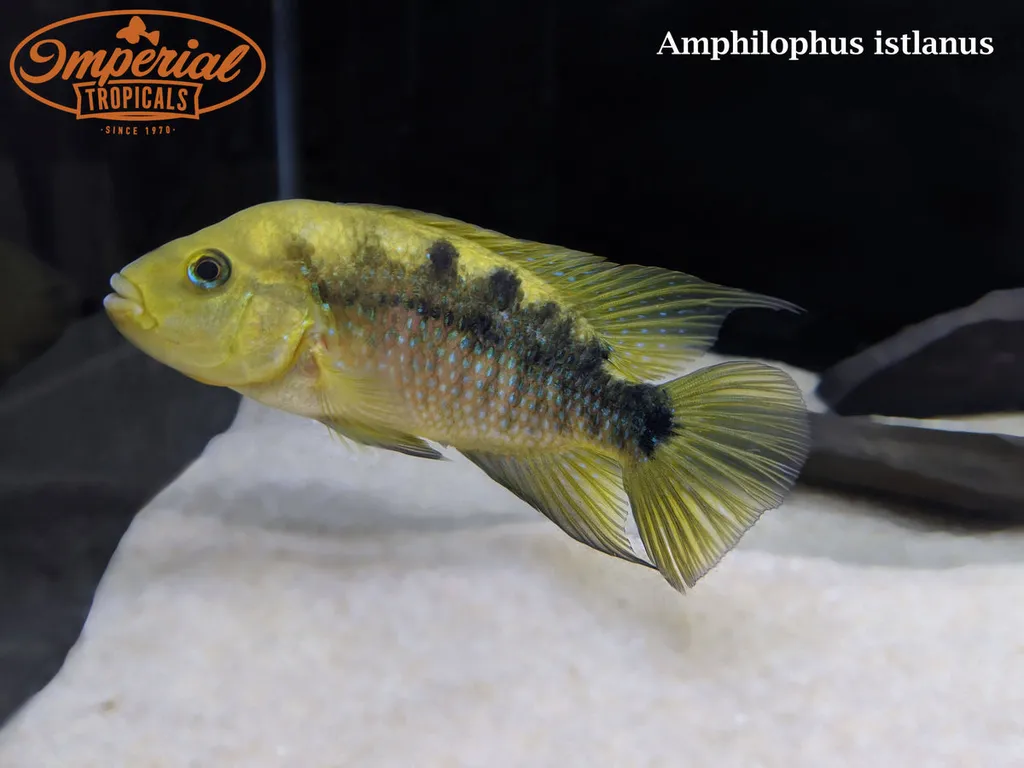
Amphilophus istlanus
Also known as Mexcalpique del Balsas, Balsas cichlid, Red side cichlid
FreshwaterFish
Care at a glance
- Temperature
- 75–84°F
- 24–29°C
- pH
- 7.0–8.2
- Adult size
- 11.8 in
- 30 cm
- Minimum tank
- 119 gal
- 450 L
- Temperament
- Aggressive
- Social behavior
- Solitary
- Tankmates
- With caution
- Swim level
- Bottom
- Diet
- Omnivore
- Difficulty
- Medium
- Breeding
- Substrate spawner · Medium
- Rarity
- Rare
- Family
- Cichlidae
- Origin
- Balsas basin, Pacific Mexico
Overview
The Istlanus cichlid is a large, very aggressive cichlid from Mexico's Balsas basin that digs and holds the bottom of a big tank. Keeping it well takes some experience.
Did you know
The Istlanus cichlid is the only cichlid native to the whole Balsas basin. That lone status now counts against it, as introduced tilapia and other cichlids spread through its rivers and crowd it out.
Caring for the Istlanus cichlid
Give the Istlanus cichlid a big tank of at least 119 gal (450 L), with a sand and gravel floor. It digs heavily, most of all when it comes into breeding condition. Provide plenty of solid shelter among large stones, rock and driftwood, so weaker fish can escape and a pair can hold a territory.
Keep the water neutral to hard and mildly alkaline, at 75 to 84°F (24 to 29°C) and a pH of 7.0 to 8.2. Run strong filtration to suit a large, digging fish, with some current from the filter. In the wild it feeds mainly on insects and invertebrates. Offer a varied diet of sinking pellets, frozen foods such as bloodworm and prawn, and some plant matter.
Keep it singly or as one tested pair. It is shy while young but grows into a very aggressive, territorial fish. It is a poor fit for a mixed community unless the tank is large and the tank mates are big and robust.
A spawning pair cleans a rock or root, lays its eggs there and defends the fry together. Spawning it is of moderate difficulty.
Good to know
Amphilophus istlanus is a large member of the family Cichlidae, rose-washed on the flanks with dark saddle markings. It was described by the American ichthyologists David Starr Jordan and John Otterbein Snyder in 1899.
In the wild
The Istlanus cichlid lives in the rivers of the Balsas basin, in the dry Pacific hinterland of Mexico. There it swims in warm water flowing over stony beds.
Common questions
What size tank does an Istlanus cichlid need?
An Istlanus cichlid needs at least 119 gal (450 L). It spends most of its time in the bottom.
What temperature and pH does an Istlanus cichlid need?
An Istlanus cichlid is comfortable at 75–84°F (24–29°C) with a pH of 7.0–8.2.
What does an Istlanus cichlid eat?
An Istlanus cichlid eats a varied diet of sinking pellets, frozen foods such as bloodworm and prawn, and some plant matter. In the wild it feeds mainly on insects and invertebrates.
How big does an Istlanus cichlid get?
An adult Istlanus cichlid reaches about 11.8 in (30 cm).
Related species
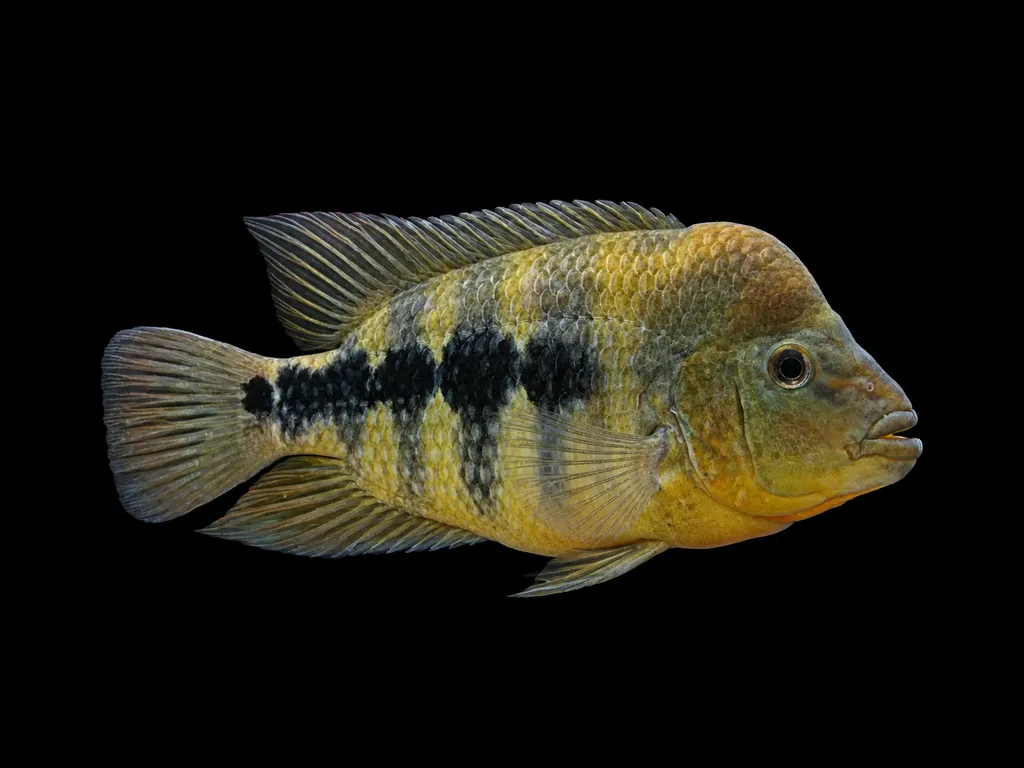 11.4 in (29 cm)132 gal (500 L)75–84°F (24–29°C)
Chancho midas cichlid
Amphilophus chancho
11.4 in (29 cm) · 132 gal (500 L)
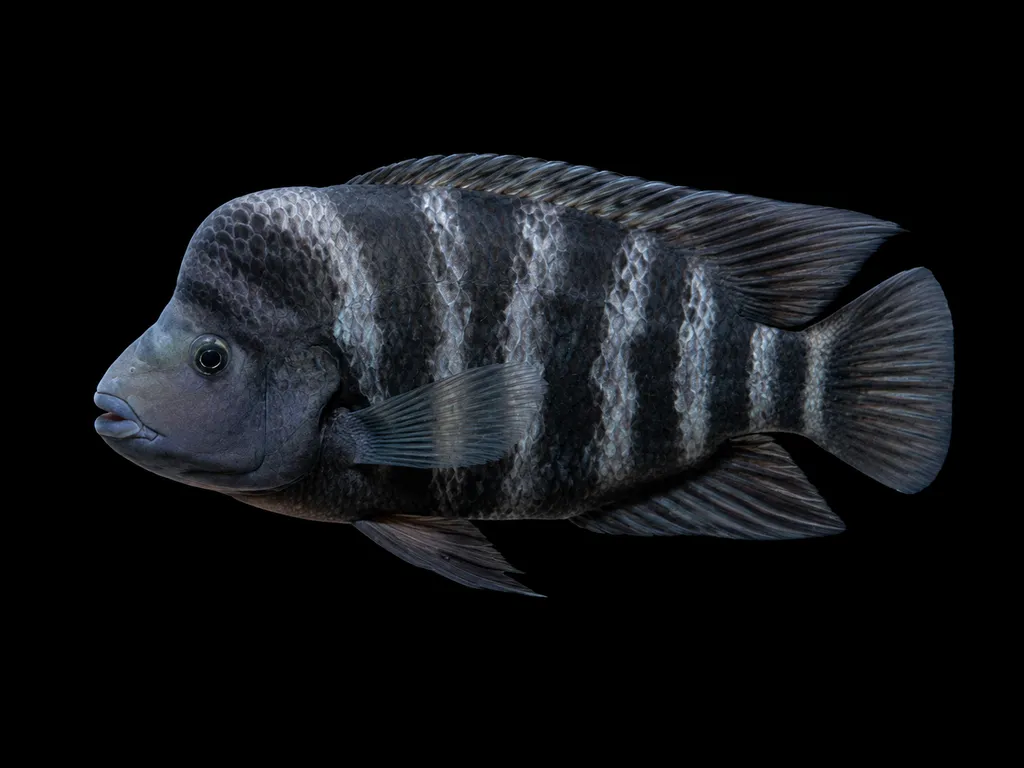 7.5 in (19 cm)119 gal (450 L)75–84°F (24–29°C)
Arrow midas cichlid
Amphilophus sagittae
7.5 in (19 cm) · 119 gal (450 L)
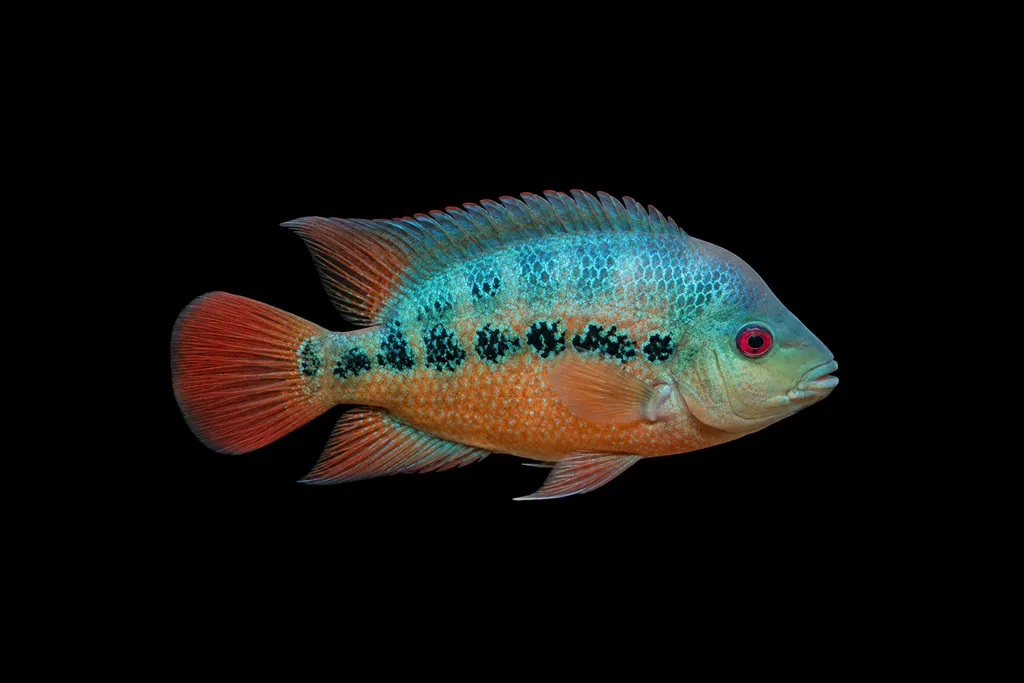 7.1 in (18 cm)106 gal (400 L)75–84°F (24–29°C)
Lyons' cichlid
Amphilophus lyonsi
7.1 in (18 cm) · 106 gal (400 L)
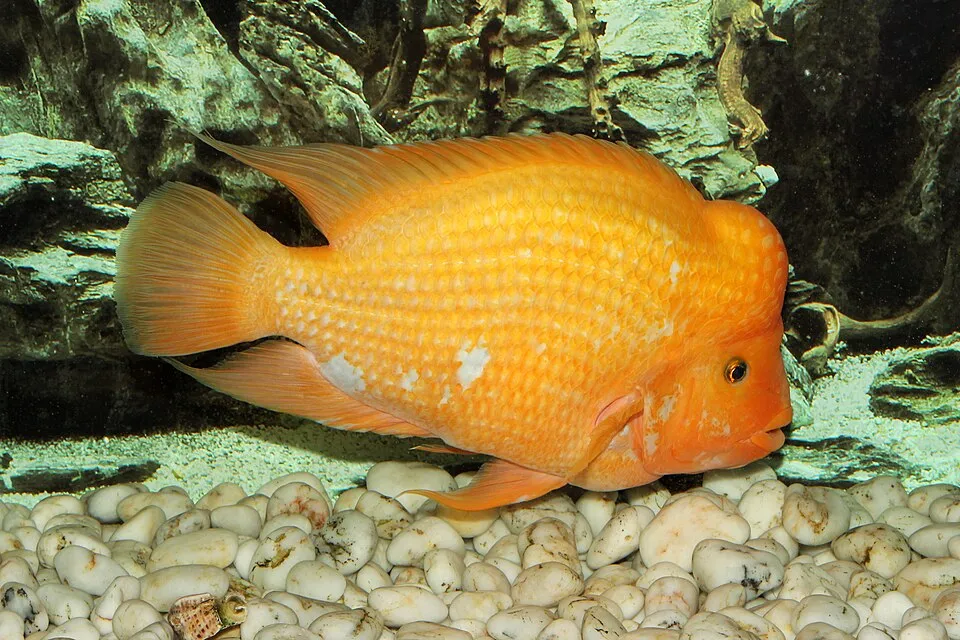 13.8 in (35 cm)79 gal (300 L)70–79°F (21–26°C)
Midas cichlid
Amphilophus citrinellus
13.8 in (35 cm) · 79 gal (300 L)
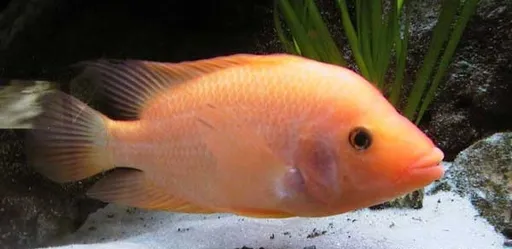 13.8 in (35 cm)75 gal (284 L)75–79°F (24–26°C)
Red devil cichlid
Amphilophus labiatus
13.8 in (35 cm) · 75 gal (284 L)
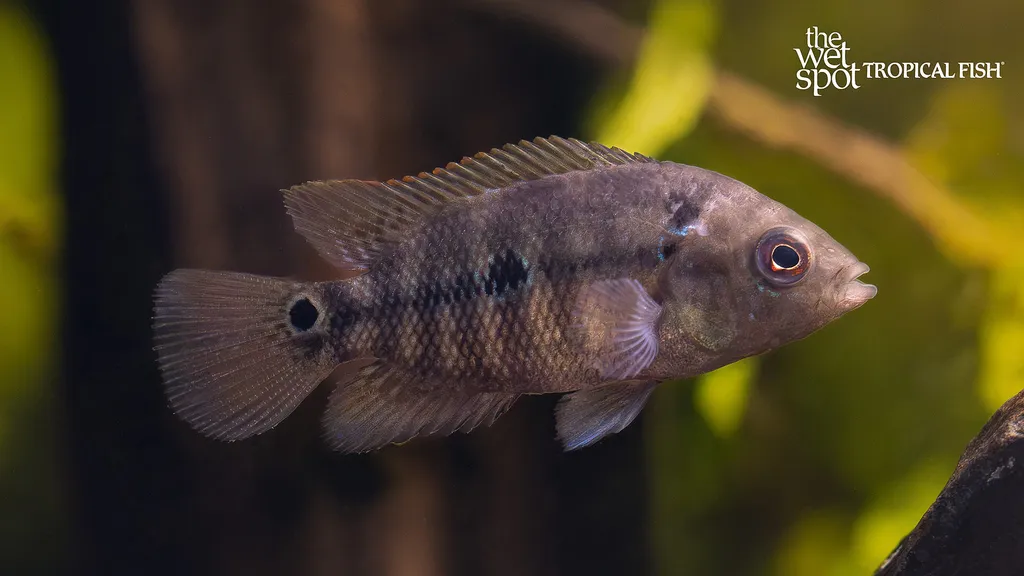 13.8 in (35 cm)90 gal (340 L)75–82°F (24–28°C)
Trimac cichlid
Amphilophus trimaculatus
13.8 in (35 cm) · 90 gal (340 L)