Double-stripe dwarf cichlid
Apistogramma diplotaenia
Also known as Diplo apisto
FreshwaterFish
Care at a glance
- Temperature
- 79–86°F
- 26–30°C
- pH
- 4.5–6.0
- Adult size
- 1.6 in
- 4 cm
- Minimum tank
- 15 gal
- 55 L
- Temperament
- Mostly peaceful
- Social behavior
- Social
- Swim level
- Bottom
- Difficulty
- Difficult
- Breeding
- Cave spawner · Hard
- Rarity
- Rare
- Family
- Cichlidae
- Origin
- Middle Rio Negro between San Carlos and the Arirara river, Brazil and Venezuela
Overview
The double-stripe dwarf cichlid is a tiny, mostly peaceful apisto for a mature, quiet softwater tank. It is a specialist fish for experienced keepers.
Did you know
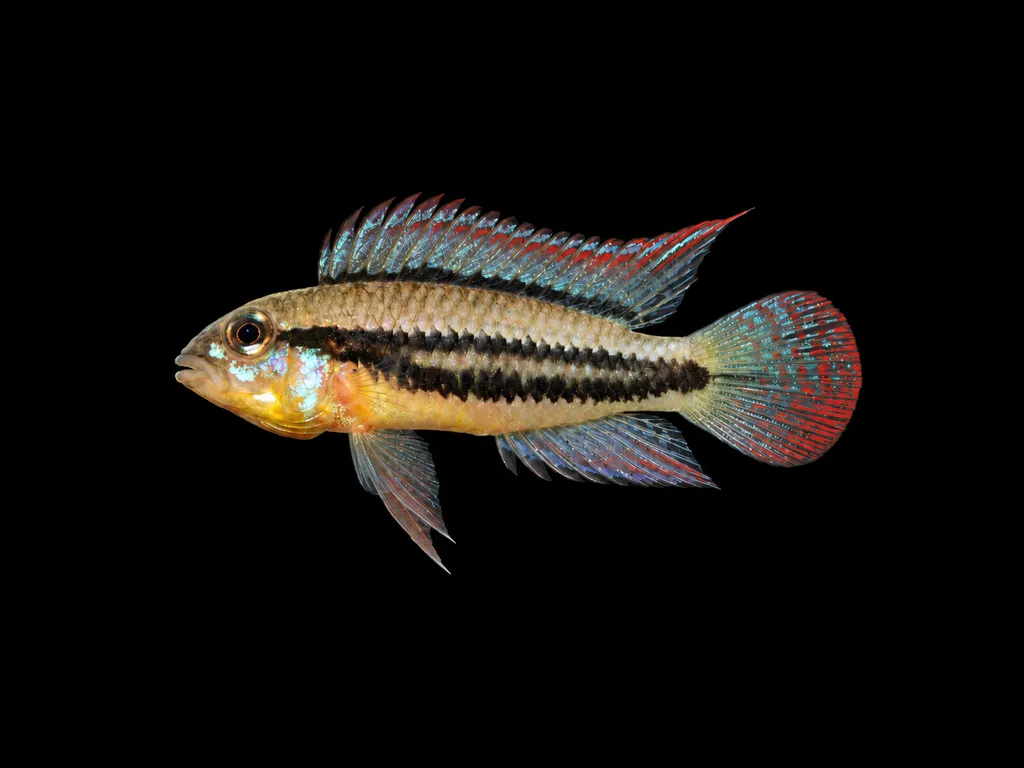
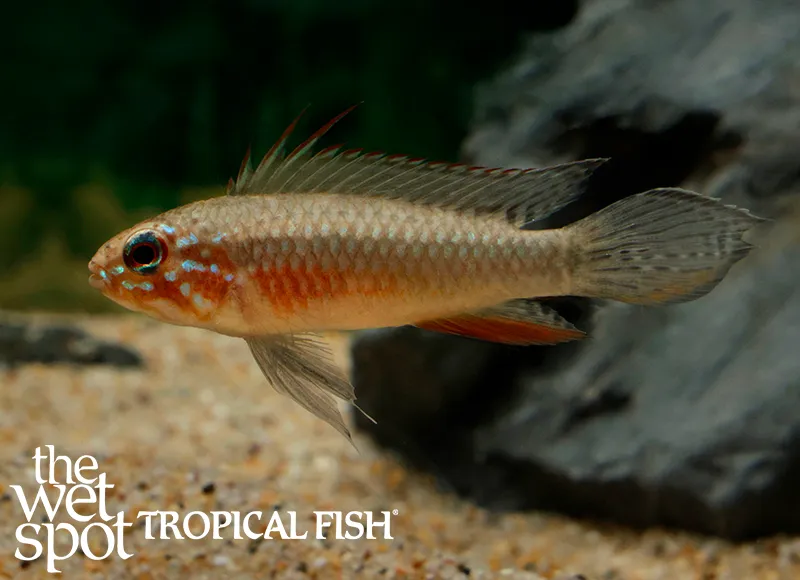
The double-stripe dwarf cichlid wears two thin pinstripes instead of the single dark side stripe nearly every apisto wears. It looks as if someone drew the pattern twice.
Caring for the double-stripe dwarf cichlid
Give the double-stripe dwarf cichlid at least 15 gal (55 L), and let the tank mature before it goes in. Use fine sand with a thin scatter of leaves.
Keep the water very soft, acidic and warm, at 79 to 86°F (26 to 30°C) and a pH of 4.5 to 6.0. Stability matters more than the exact numbers.
Feed newly hatched brine shrimp, microworms and other small live foods. Once settled, it handles fine frozen food, but it ignores most dry food.
Keep it alone or with a few tiny, calm companions. Breeding follows the usual cave pattern but demands blackwater-level softness and warmth. Broods are small, and breeding it is hard.
Good to know
The double-stripe dwarf cichlid, Apistogramma diplotaenia, was described by Kullander in 1987. The name means double stripe, for the split lateral band that runs the body as two parallel lines, unique in the genus. It is one of the smallest Apistogramma, and its slender build fits a life spent hovering over open sand instead of hugging structure.
In the wild
The double-stripe dwarf cichlid lives over pure white sand in the middle Rio Negro. Its range runs between San Carlos and the Arirara river, in Brazil and Venezuela. The water there is warm blackwater with almost no measurable hardness. It shelters beside sunken leaves rather than caves and sifts the sand for food.
Weekly picks
Tank mates
The double-stripe dwarf cichlid is a mostly peaceful, social species that keeps to the bottom. These picks share a community profile with it, are safe together in both directions, and overlap on water type, temperature and pH.
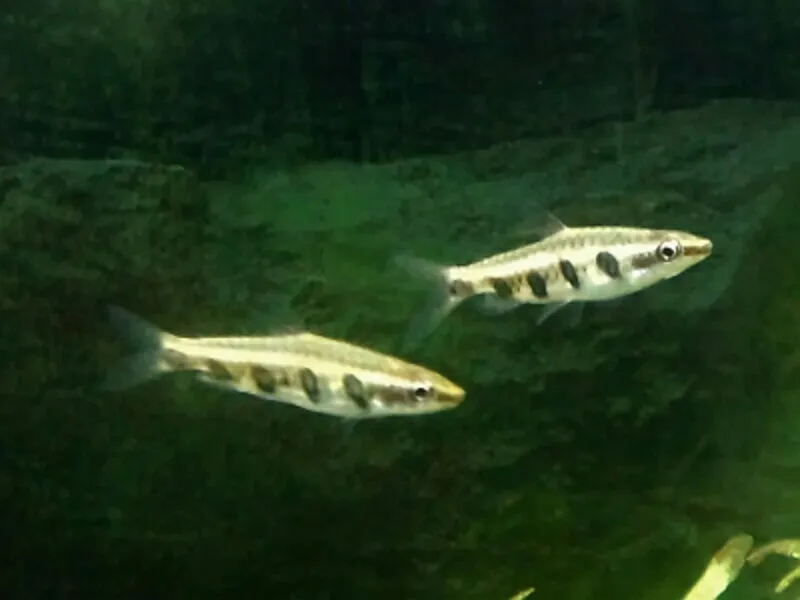
Barred pencilfish
Nannostomus espei
Freshwater1.2 in (3 cm) · 15 gal (55 L)72–82°F (22–28°C)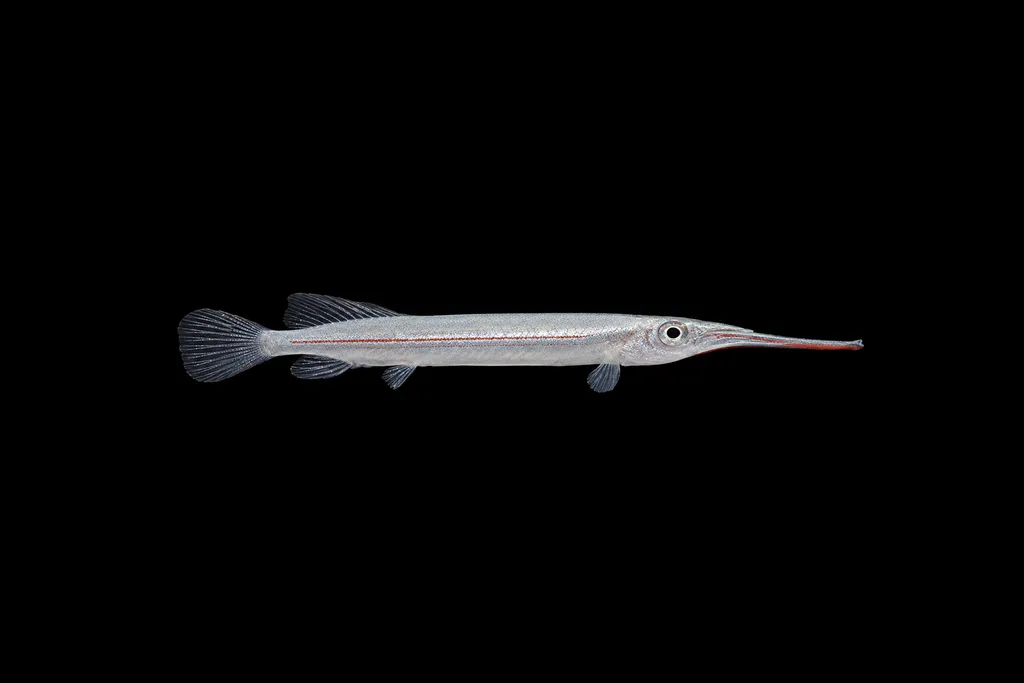
Fire halfbeak
Hemirhamphodon kapuasensis
Freshwater2.4 in (6 cm) · 14 gal (54 L)73–81°F (23–27°C)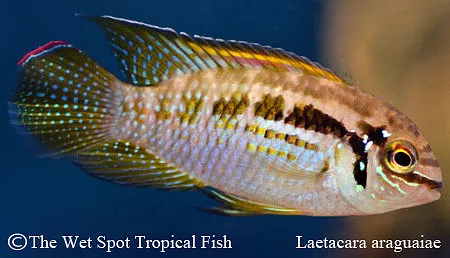
Araguaia dwarf acara
Laetacara araguaiae
Freshwater1.8 in (4.5 cm) · 14 gal (54 L)75–82°F (24–28°C)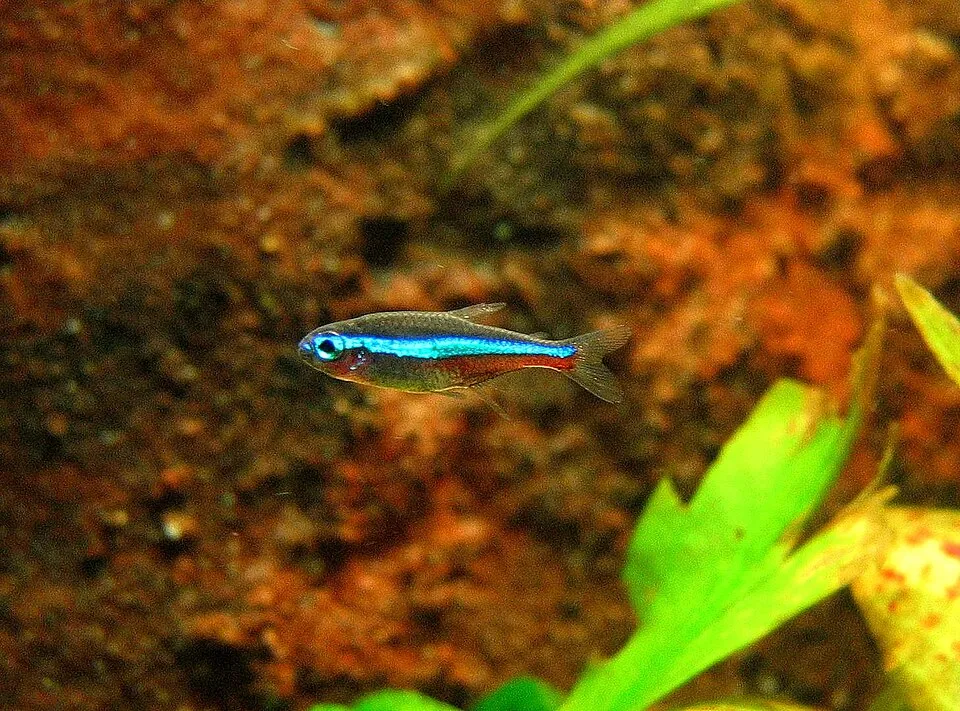
Green neon tetra
Paracheirodon simulans
Freshwater1 in (2.5 cm) · 15 gal (55 L)72–86°F (22–30°C)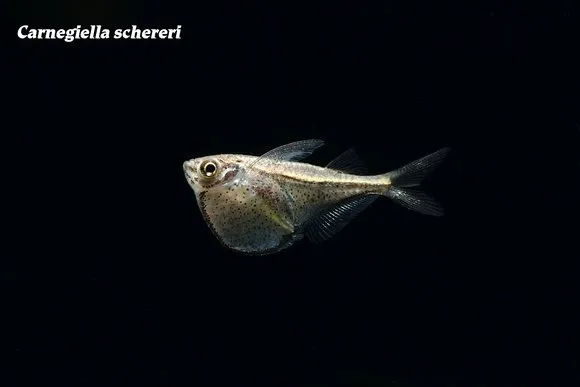
Scherer's hatchetfish
Carnegiella schereri
Freshwater1 in (2.6 cm) · 14 gal (54 L)73–82°F (23–28°C)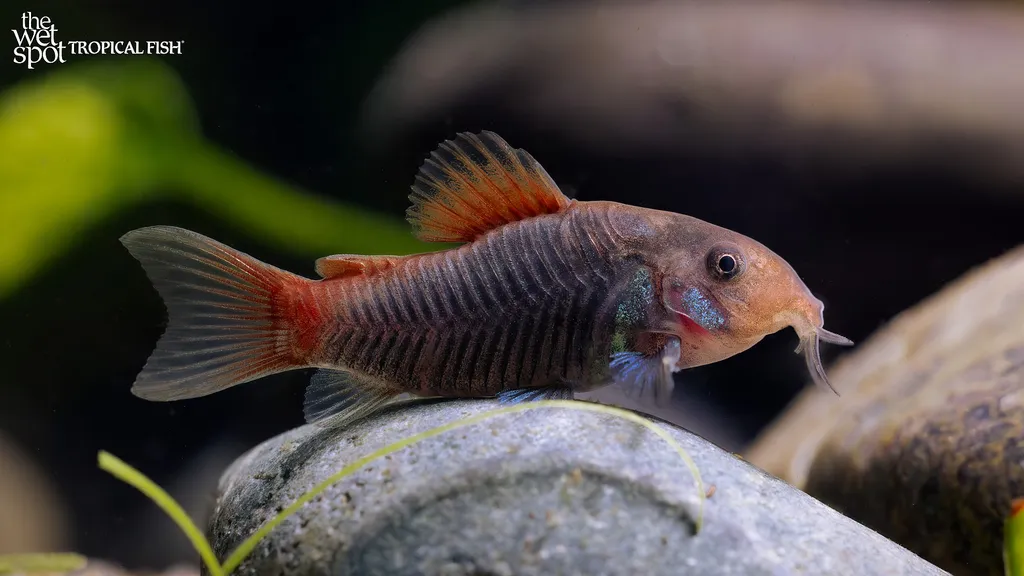
Volcano cory
Osteogaster hephaestus
Freshwater1.6 in (4 cm) · 15 gal (55 L)75–82°F (24–28°C)
Common questions
What size tank does a double-stripe dwarf cichlid need?
A double-stripe dwarf cichlid needs at least 15 gal (55 L). It spends most of its time in the bottom.
What temperature and pH does a double-stripe dwarf cichlid need?
A double-stripe dwarf cichlid is comfortable at 79–86°F (26–30°C) with a pH of 4.5–6.0.
What does a double-stripe dwarf cichlid eat?
A double-stripe dwarf cichlid eats newly hatched brine shrimp, microworms and other small live foods. Once settled, it takes fine frozen food but ignores most dry food.
How big does a double-stripe dwarf cichlid get?
An adult double-stripe dwarf cichlid reaches about 1.6 in (4 cm).
How does a double-stripe dwarf cichlid breed?
The double-stripe dwarf cichlid breeds in the usual apisto cave pattern. It needs blackwater-level softness and warmth, broods are small, and breeding it is hard.
Related species
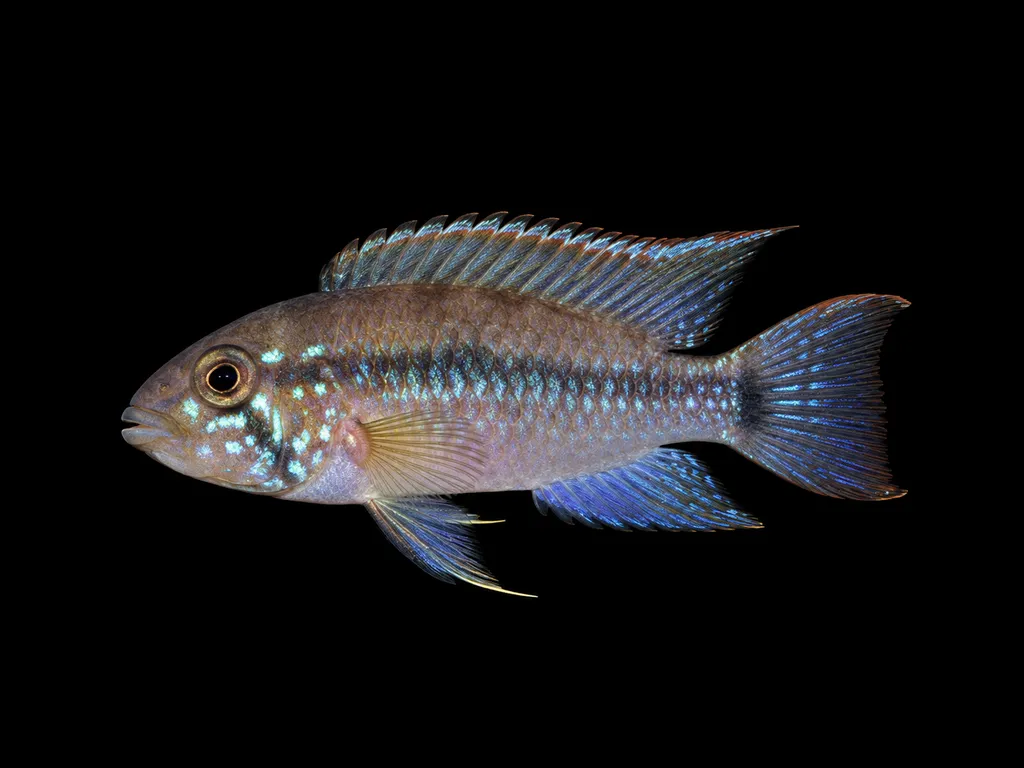 1.6 in (4 cm)15 gal (55 L)73–81°F (23–27°C)
Martin's dwarf cichlid
Apistogramma martini
1.6 in (4 cm) · 15 gal (55 L)
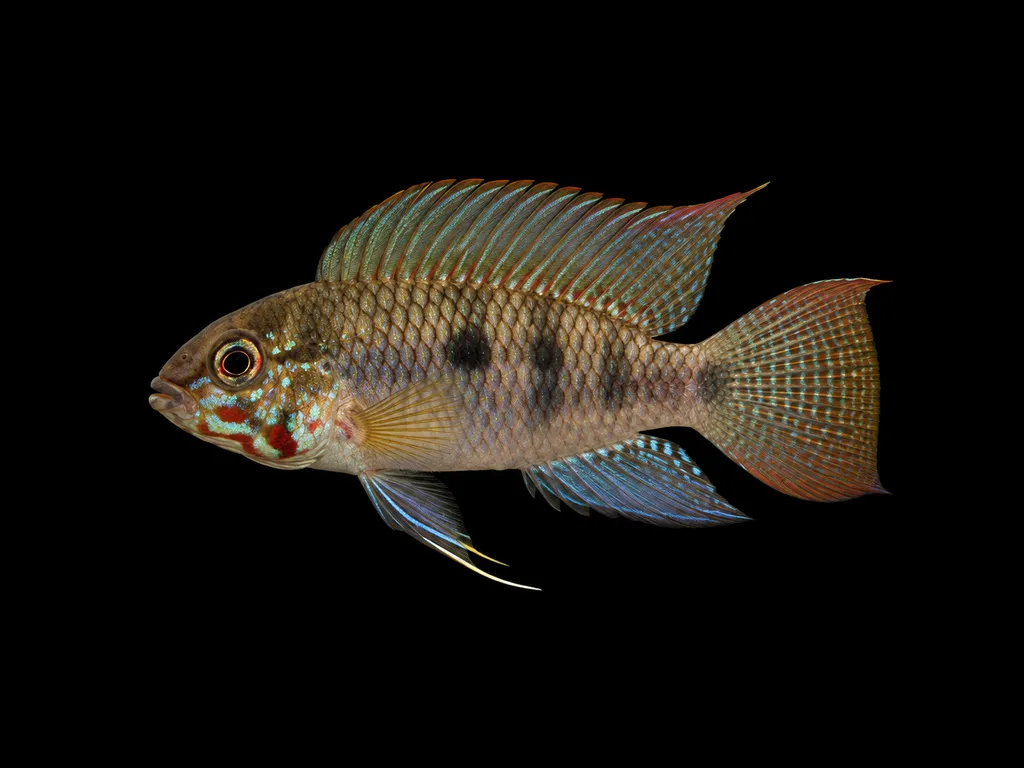 1.6 in (4 cm)15 gal (55 L)79–86°F (26–30°C)
Uaupes dwarf cichlid
Apistogramma uaupesi
1.6 in (4 cm) · 15 gal (55 L)
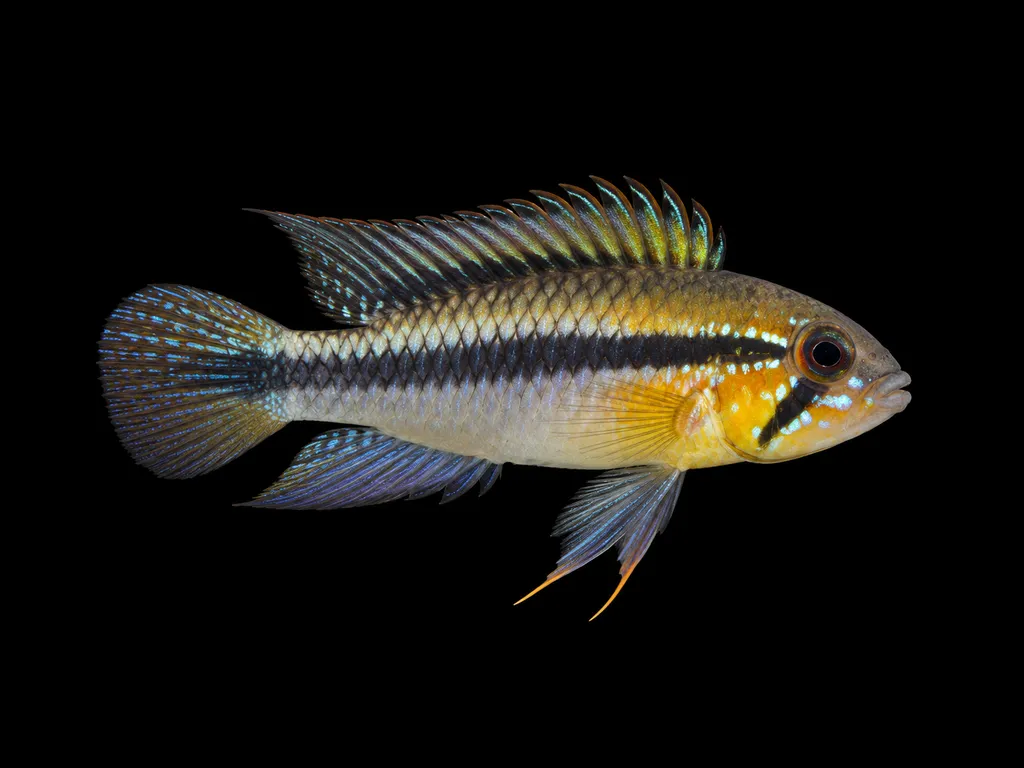 1.8 in (4.5 cm)15 gal (55 L)77–84°F (25–29°C)
Bridge dwarf cichlid
Apistogramma gephyra
1.8 in (4.5 cm) · 15 gal (55 L)
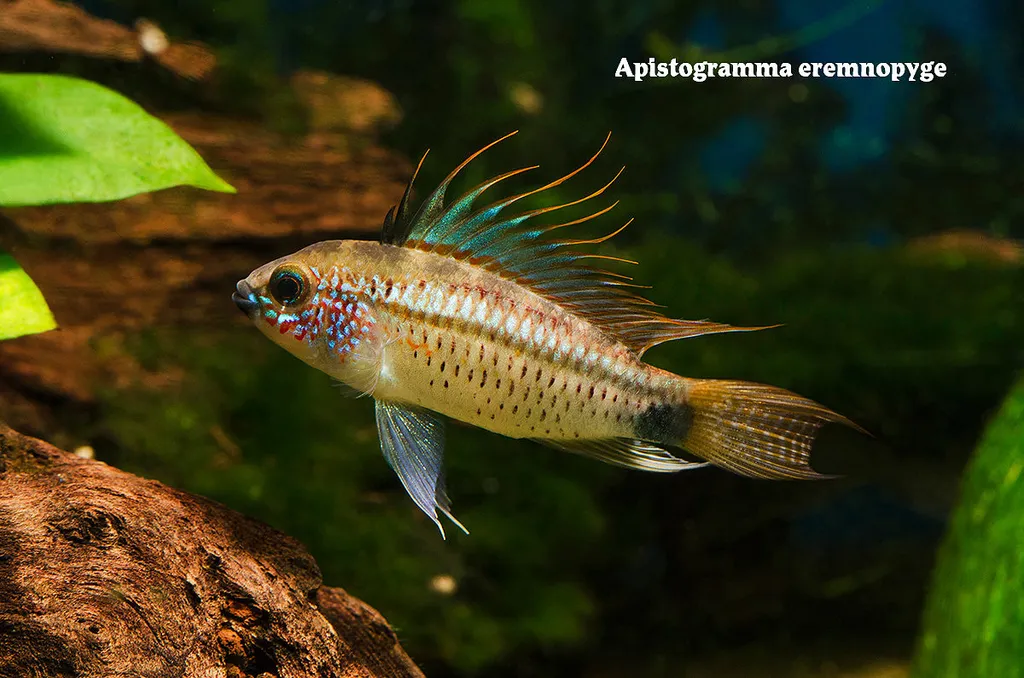 1.8 in (4.5 cm)16 gal (60 L)73–81°F (23–27°C)
Fire-tail dwarf cichlid
Apistogramma eremnopyge
1.8 in (4.5 cm) · 16 gal (60 L)
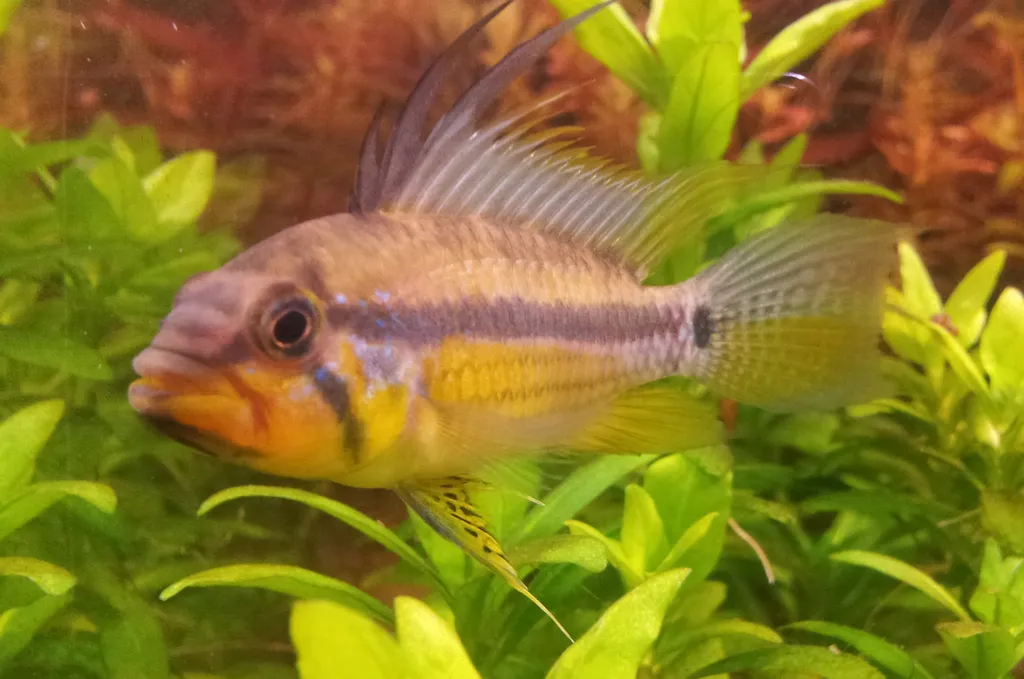 2 in (5 cm)16 gal (60 L)75–82°F (24–28°C)
Allpahuayo dwarf cichlid
Apistogramma allpahuayo
2 in (5 cm) · 16 gal (60 L)
 2 in (5 cm)20 gal (75 L)75–84°F (24–29°C)
Elizabeth's dwarf cichlid
Apistogramma elizabethae
2 in (5 cm) · 20 gal (75 L)