Uaupes dwarf cichlid
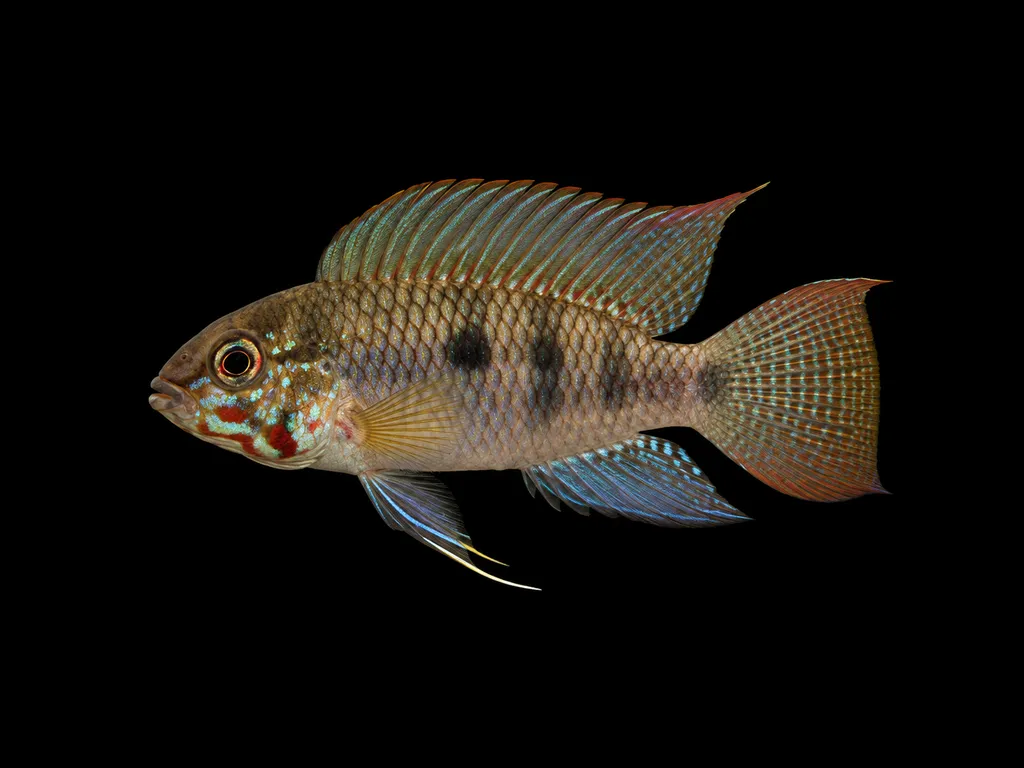
Apistogramma uaupesi
Also known as Rotkeil apisto, Red-wedge apisto
FreshwaterFish
Care at a glance
- Temperature
- 79–86°F
- 26–30°C
- pH
- 4.0–5.8
- Adult size
- 1.6 in
- 4 cm
- Minimum tank
- 15 gal
- 55 L
- Temperament
- Mostly peaceful
- Social behavior
- Social
- Swim level
- Bottom
- Difficulty
- Difficult
- Breeding
- Hard
- Rarity
- Common
- Family
- Cichlidae
- Origin
- Rio Uaupes and upper Rio Negro blackwaters, Brazil
Overview
The Uaupes dwarf cichlid is a blackwater specialist for experienced keepers who enjoy water chemistry. It is one of the prettiest small cichlids in the Amazon.
Did you know
The Uaupes dwarf cichlid's wild water is often more acidic than black coffee. The fish is so at home there that its eggs refuse to develop in anything gentler.
Caring for the Uaupes dwarf cichlid
Keep a pair of Uaupes dwarf cichlids in 15 gal (55 L) or more. Furnish the tank to match its home, with sand, deep leaf litter and dim light. They spend their time near the bottom.
Reverse osmosis water, botanicals and patience are standard equipment for this fish. Keep the water hot and extremely soft, at 79 to 86°F (26 to 30°C) with a pH of 4.0 to 5.8. Feed small live and frozen foods.
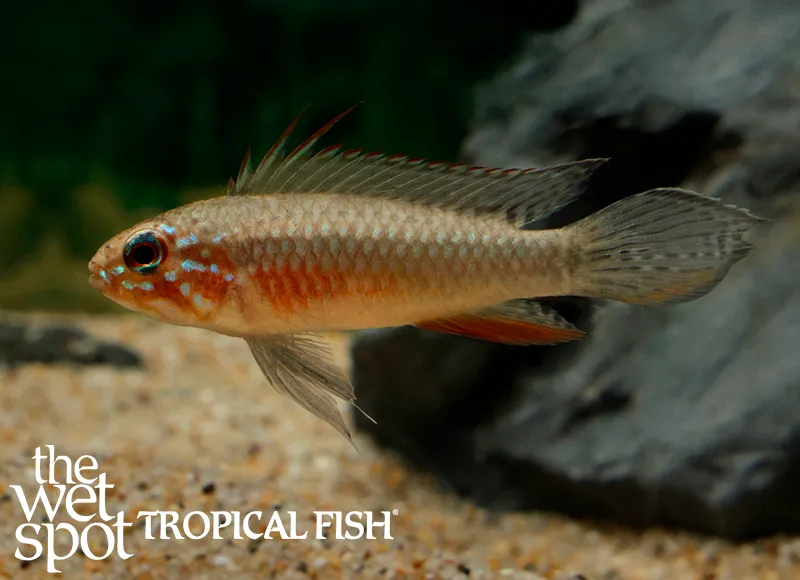
It is mostly peaceful, but keep only tiny tank mates or none at all. Males carry a triangle of red in the tail. Spawning only succeeds near the acidic extreme, and the tiny fry want infusoria first. Breeding them is hard.
Good to know
Kullander described the Uaupes dwarf cichlid in 1980. It is famous in the hobby as the Rotkeil, the red wedge, after the male's tail. Wild males vary from smoke gray to violet, depending on the river and their mood.
In the wild
The Uaupes dwarf cichlid is a true blackwater fish of the Rio Uaupes and the upper Rio Negro in Brazil. It lives in water the color of strong tea, with pH readings that can start with a 4. It shelters in leaf litter over white sand. Few apistos come from more acidic water, and its home streams are among the softest habitats fish live in anywhere.
Weekly picks
Tank mates
The Uaupes dwarf cichlid is a mostly peaceful, social species that keeps to the bottom. These picks share a community profile with it, are safe together in both directions, and overlap on water type, temperature and pH.
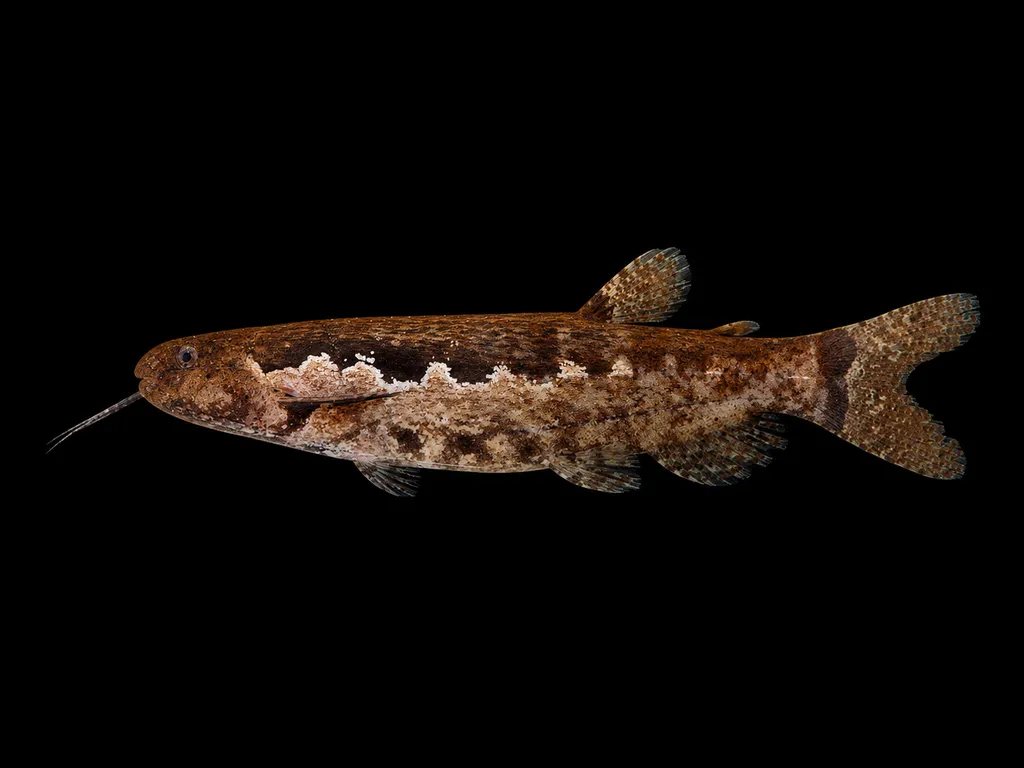
Marbled helogenes
Helogenes marmoratus
Freshwater3.1 in (8 cm) · 14 gal (54 L)73–82°F (23–28°C)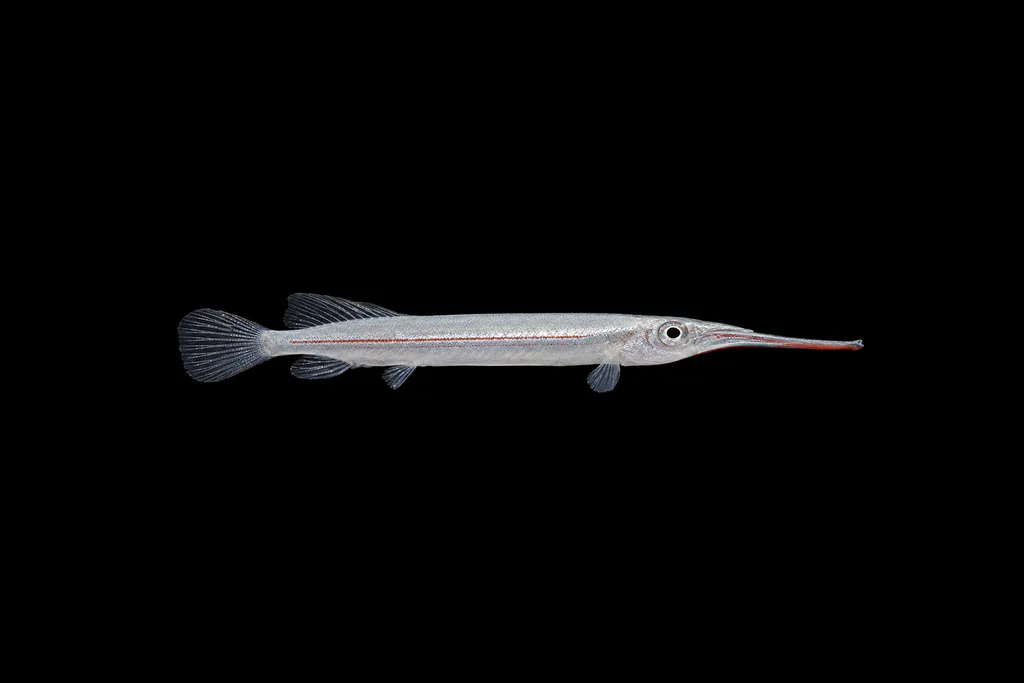
Fire halfbeak
Hemirhamphodon kapuasensis
Freshwater2.4 in (6 cm) · 14 gal (54 L)73–81°F (23–27°C)
Shelford's kuhli loach
Pangio shelfordii
Freshwater3.1 in (8 cm) · 15 gal (55 L)72–81°F (22–27°C)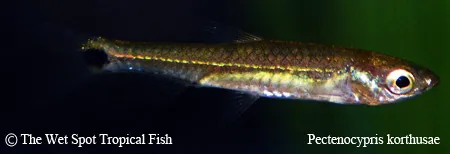
Korthaus rasbora
Pectenocypris korthausae
Freshwater1.7 in (4.2 cm) · 14 gal (54 L)73–82°F (23–28°C)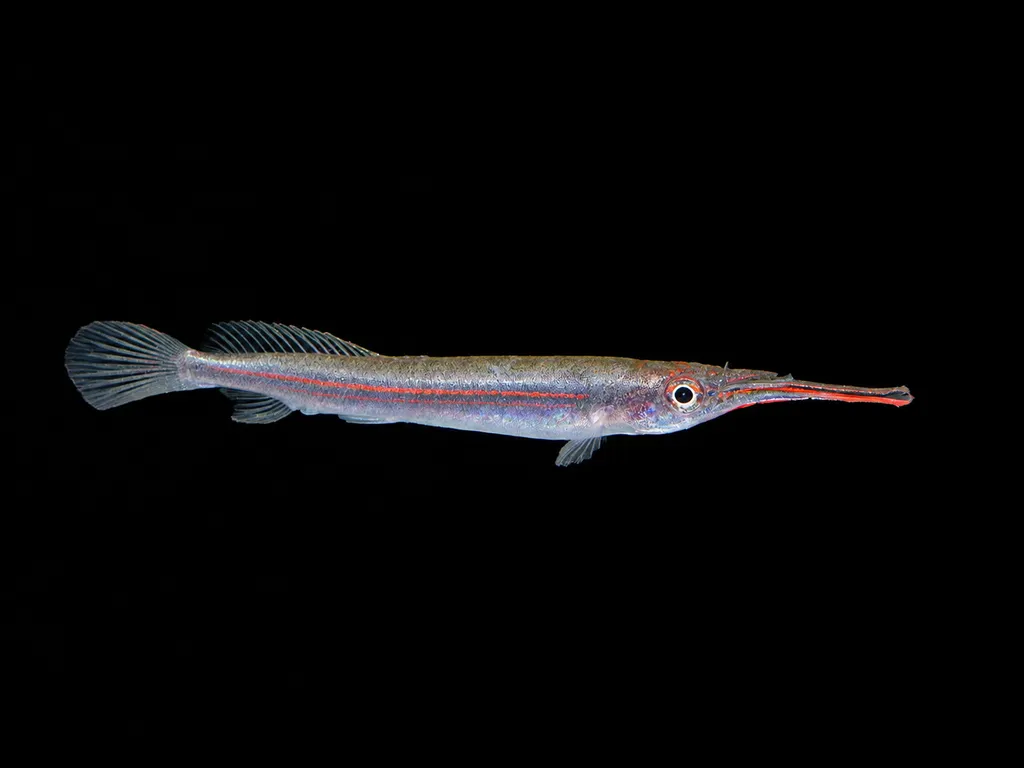
Red line halfbeak
Hemirhamphodon phaiosoma
Freshwater2.6 in (6.5 cm) · 14 gal (54 L)73–81°F (23–27°C)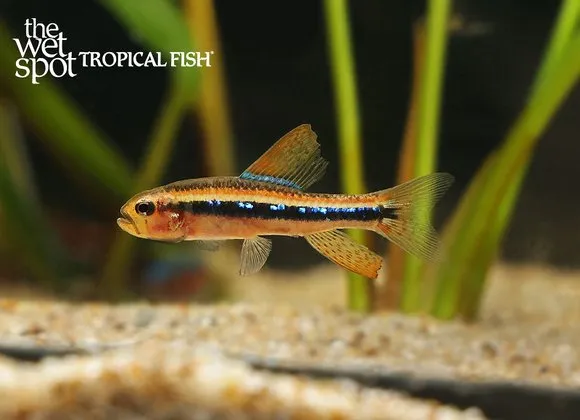
Black darter tetra
Poecilocharax weitzmani
Freshwater1.9 in (4.7 cm) · 14 gal (54 L)75–82°F (24–28°C)
Common questions
What size tank does an Uaupes dwarf cichlid need?
An Uaupes dwarf cichlid needs at least 15 gal (55 L). It spends most of its time in the bottom.
What temperature and pH does an Uaupes dwarf cichlid need?
An Uaupes dwarf cichlid is comfortable at 79–86°F (26–30°C) with a pH of 4.0–5.8.
What does an Uaupes dwarf cichlid eat?
An Uaupes dwarf cichlid eats small live and frozen foods.
How big does an Uaupes dwarf cichlid get?
An adult Uaupes dwarf cichlid reaches about 1.6 in (4 cm).
How can you tell a male Uaupes dwarf cichlid from a female?
Males carry a triangle of red in the tail, the red wedge behind the trade name Rotkeil.
Related species
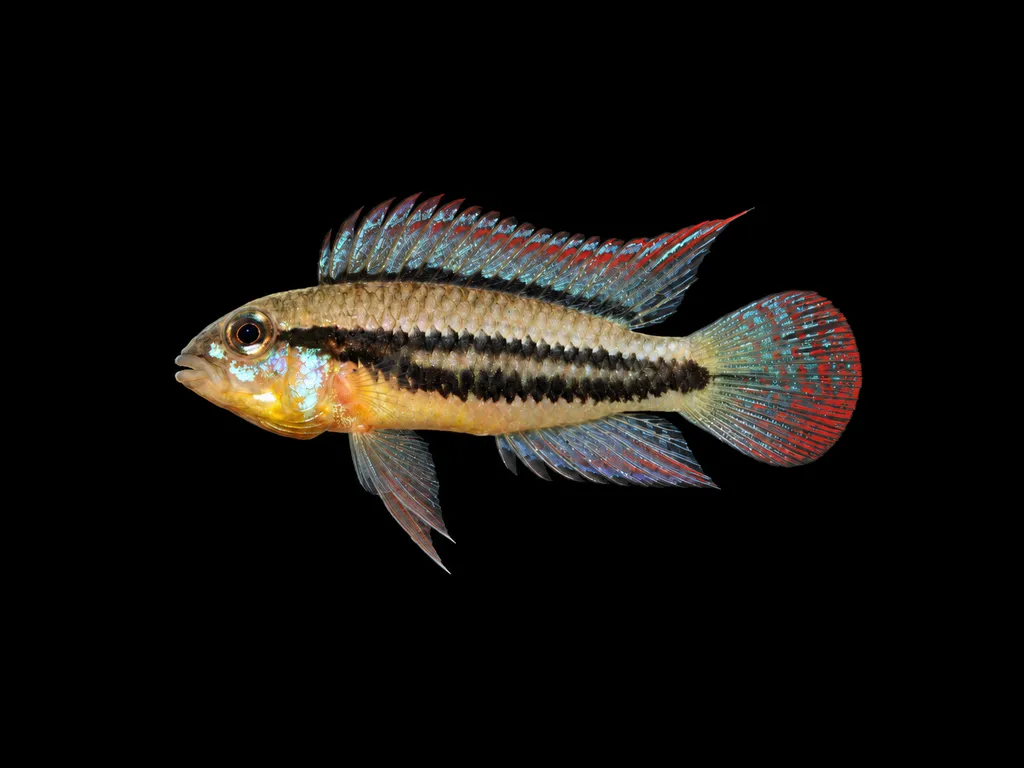 1.6 in (4 cm)15 gal (55 L)79–86°F (26–30°C)
Double-stripe dwarf cichlid
Apistogramma diplotaenia
1.6 in (4 cm) · 15 gal (55 L)
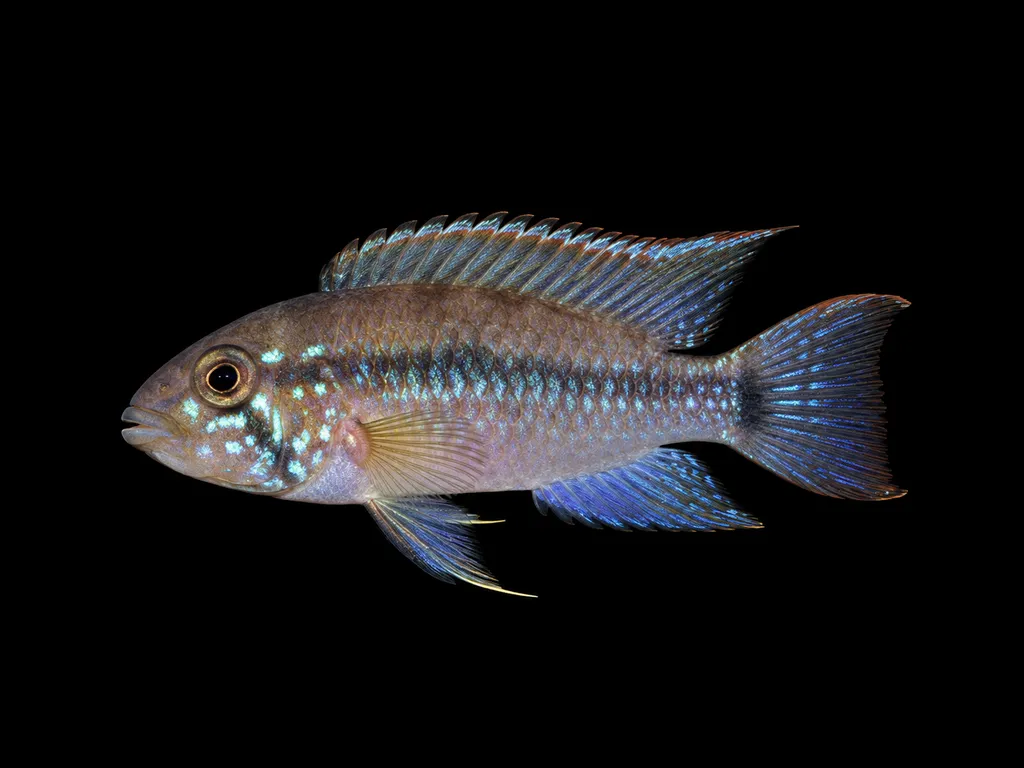 1.6 in (4 cm)15 gal (55 L)73–81°F (23–27°C)
Martin's dwarf cichlid
Apistogramma martini
1.6 in (4 cm) · 15 gal (55 L)
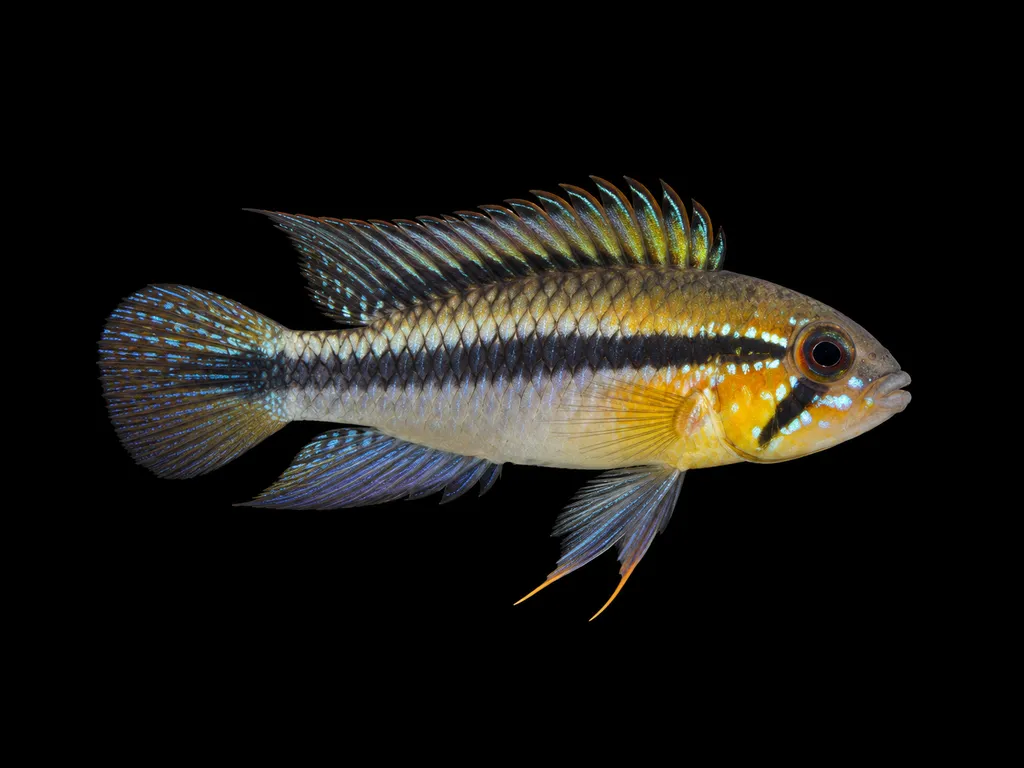 1.8 in (4.5 cm)15 gal (55 L)77–84°F (25–29°C)
Bridge dwarf cichlid
Apistogramma gephyra
1.8 in (4.5 cm) · 15 gal (55 L)
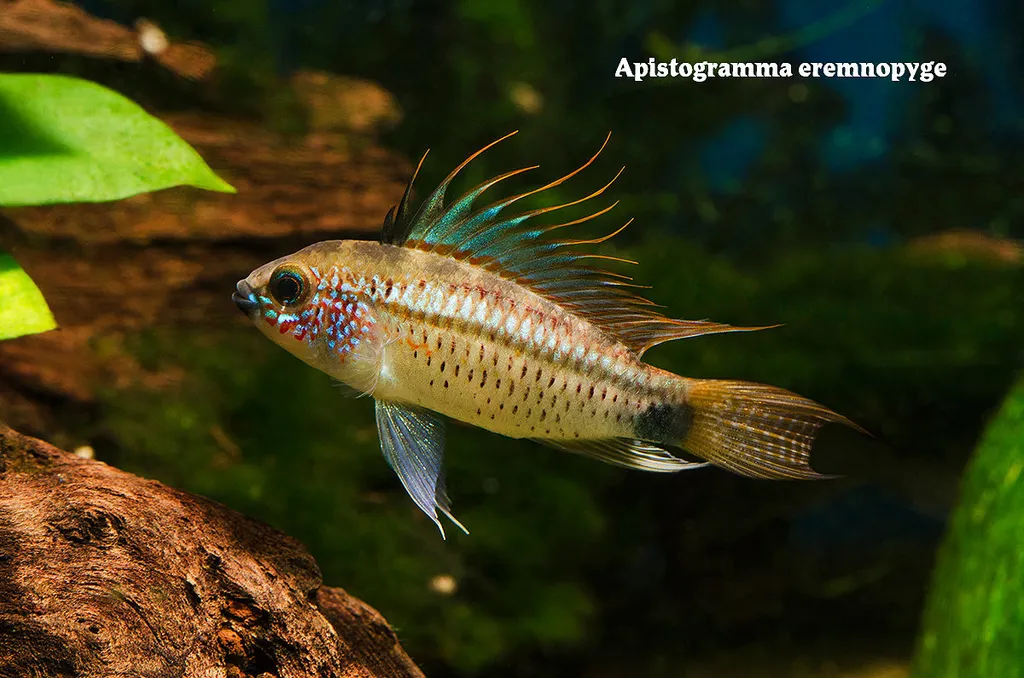 1.8 in (4.5 cm)16 gal (60 L)73–81°F (23–27°C)
Fire-tail dwarf cichlid
Apistogramma eremnopyge
1.8 in (4.5 cm) · 16 gal (60 L)
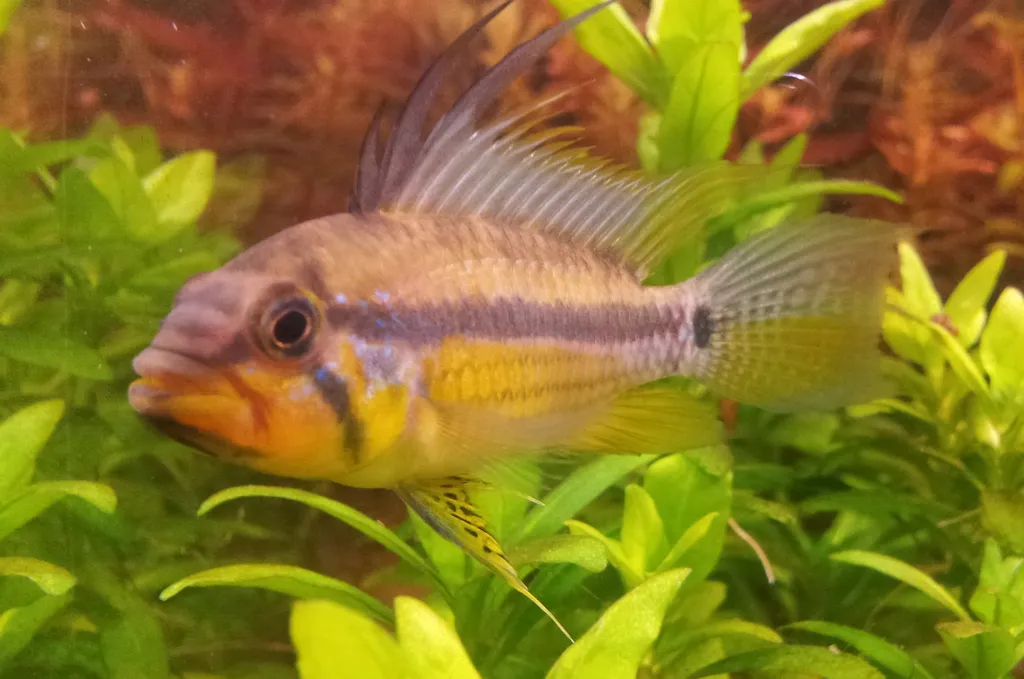 2 in (5 cm)16 gal (60 L)75–82°F (24–28°C)
Allpahuayo dwarf cichlid
Apistogramma allpahuayo
2 in (5 cm) · 16 gal (60 L)
 2 in (5 cm)20 gal (75 L)75–84°F (24–29°C)
Elizabeth's dwarf cichlid
Apistogramma elizabethae
2 in (5 cm) · 20 gal (75 L)