One species · 9 varieties
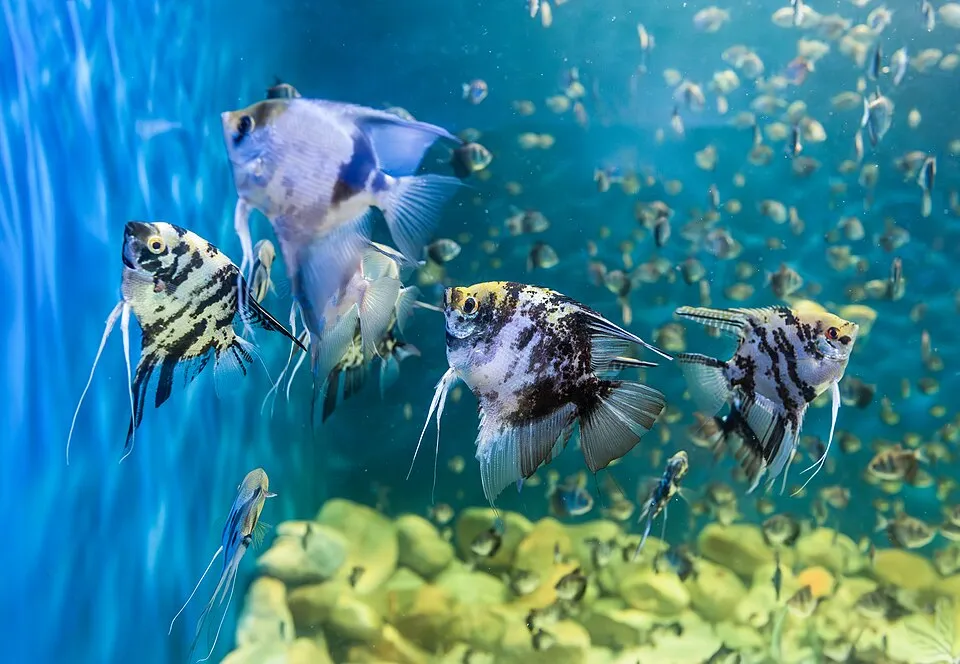
Angelfish
Pterophyllum scalare
FreshwaterFish
Care at a glance
- Temperature
- 75–86°F
- 24–30°C
- pH
- 6.0–7.5
- Adult size
- 5.9 in
- 15 cm
- Minimum tank
- 30 gal
- 115 L
- Temperament
- Mostly peaceful
- Social behavior
- Social
- Swim level
- Middle
- Difficulty
- Easy
- Breeding
- No record
- Rarity
- Very common
- Family
- Cichlidae
- Origin
- South America
Pick a variety
One setup covers every line on this page: care is the species' care.
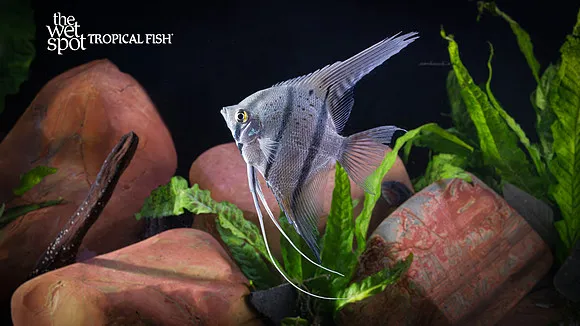
Silver angelfish
the wild pattern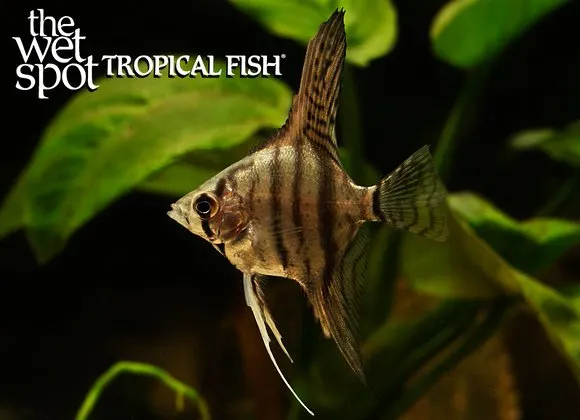
Silver zebra angelfish
extra vertical bars and striped fins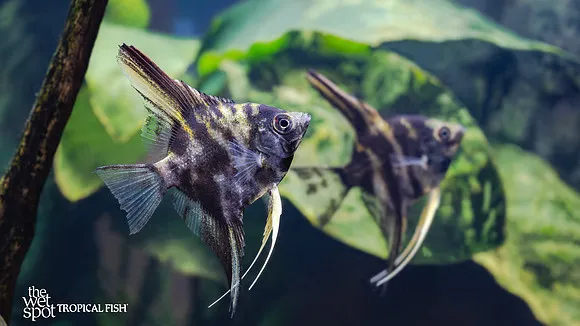
Marble angelfish
black and white marbling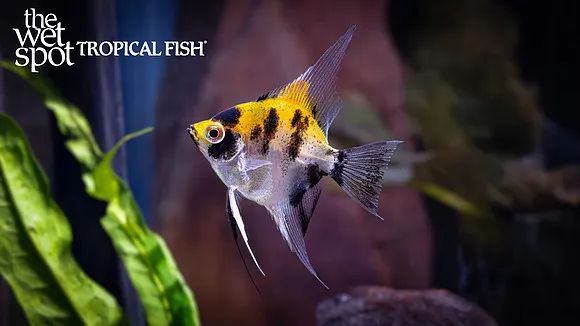
Koi angelfish
white with orange crown and black patches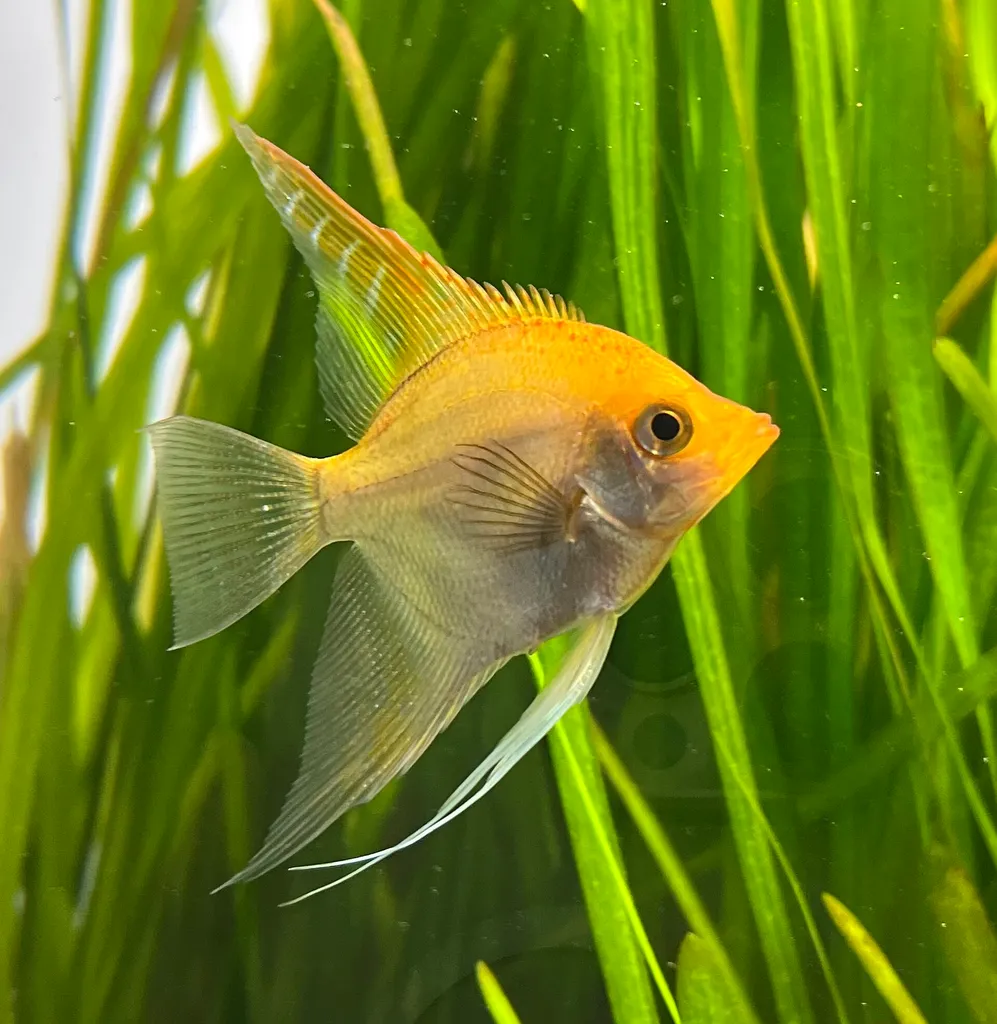
Gold angelfish
pale gold, no bars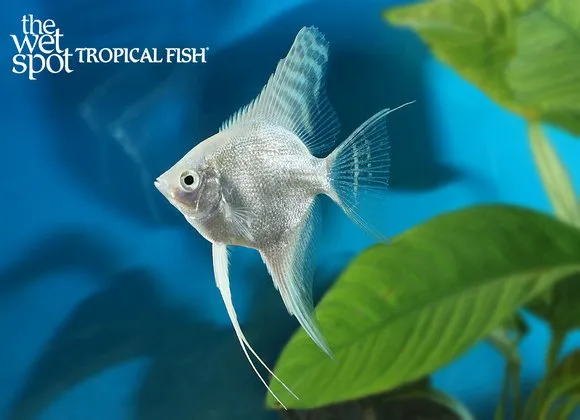
Platinum angelfish
uniform bright silver-white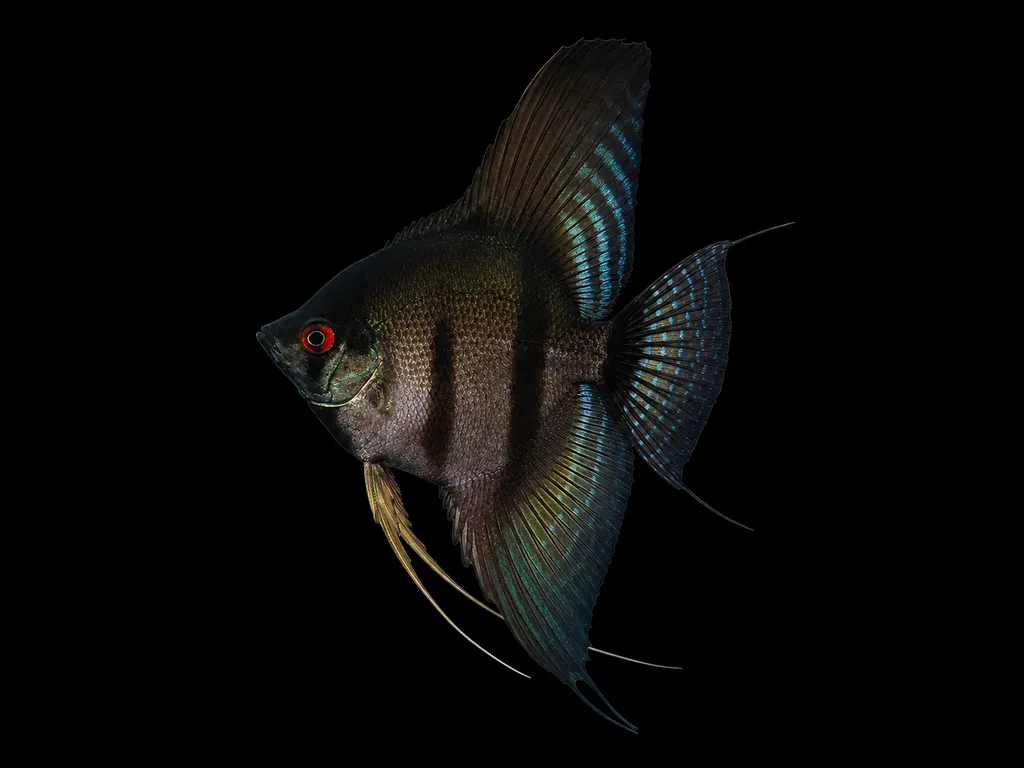
Black lace angelfish
dark body with translucent fin edging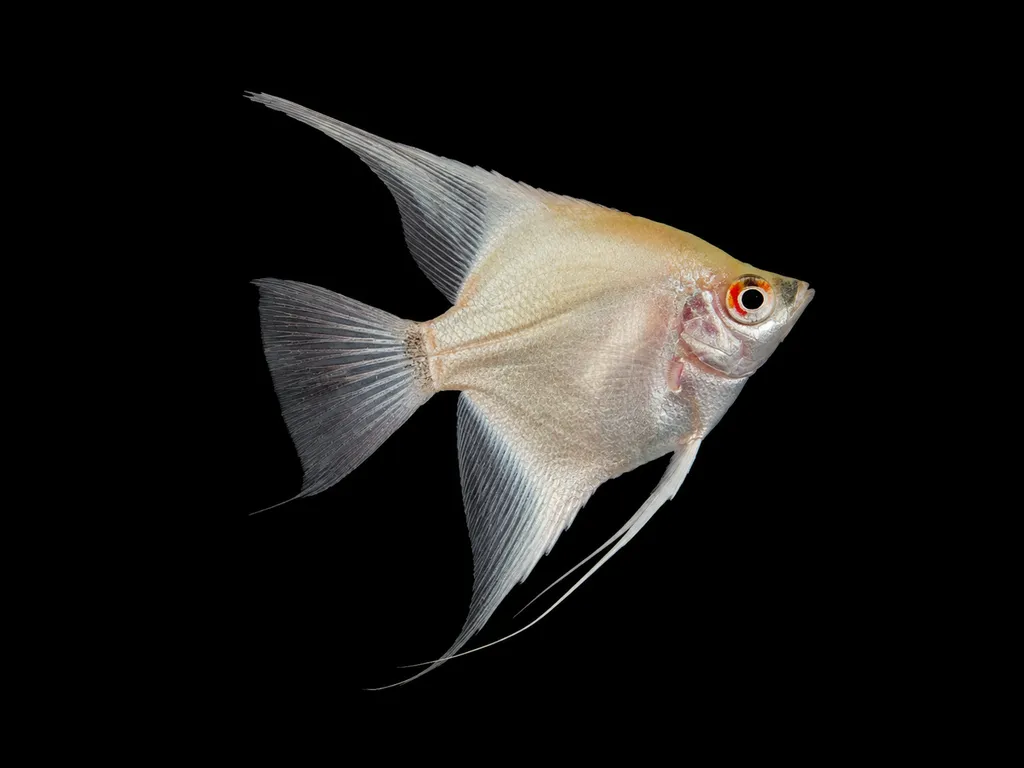
Blushing angelfish
bare gill covers show pink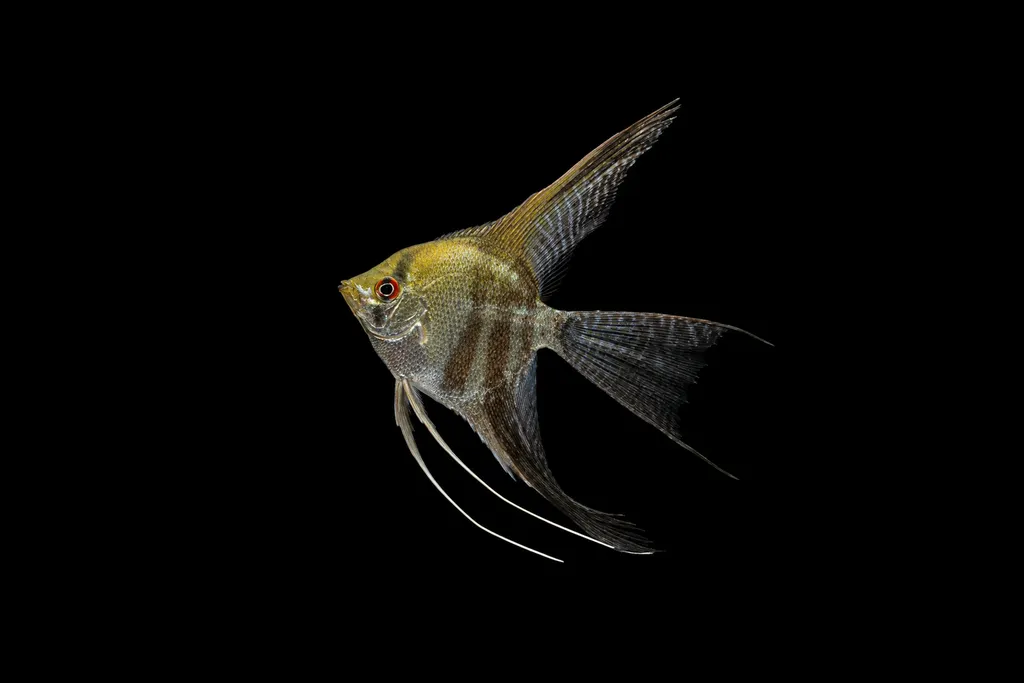
Veil angelfish
elongated fins on any pattern
Overview
Give them a tall tank around 115 liters or larger because of their height. They occupy the middle of the tank and are mostly peaceful, but they are still cichlids and a bonded pair will defend a spawning site. Avoid tiny fish like small tetras, which can end up eaten, and avoid fin-nippers. Feed a varied diet of quality flakes or pellets with frozen bloodworms and brine shrimp.
In the wild
Angelfish come from slow rivers and flooded forests in South America, often among tree roots and tall plants. The water is warm and on the soft, slightly acidic side. Their tall body suits a deep tank with vertical structure like driftwood and broad-leaved plants. Aim for warm water in the mid to high 20s C with a pH from 6 to 7.5.
Good to know
Angelfish are cichlids in the family Cichlidae, reaching around 15 cm long and noticeably taller than that fin to fin. They are substrate spawners that lay eggs on a vertical surface like a leaf or piece of slate. The fish sold today are mostly tank-bred, with many color and fin strains available. There is no consistent hobby breeding-mode record attached to this entry.
Did you know
Angelfish often pair off for life and will work together to guard their eggs, fanning them with their fins to keep water moving and picking off any that go bad. A practiced pair will spawn again and again on the same favorite leaf or slate.
Weekly picks
Tank mates
Every variety on this page wants the same water, so one set of picks fits them all. These picks match on water type, temperature, pH, size and temperament.
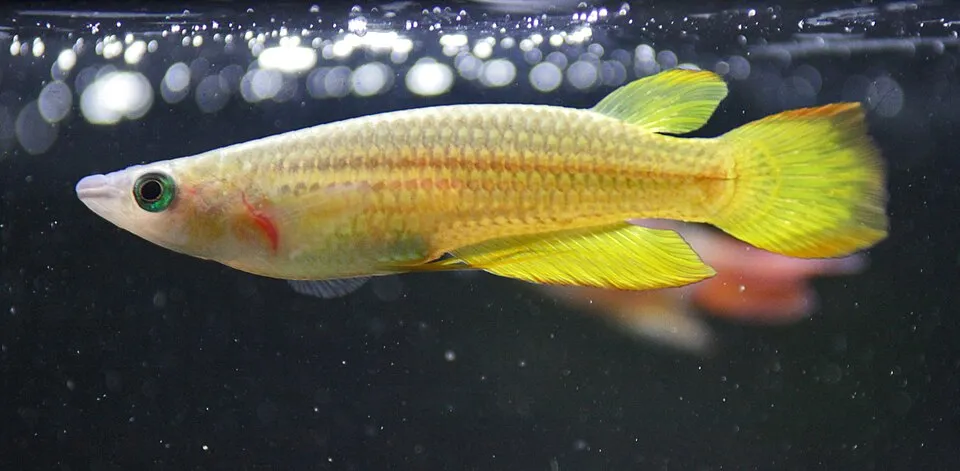
Striped panchax
Aplocheilus lineatus
Freshwater4.3 in (11 cm) · 30 gal (115 L)72–77°F (22–25°C)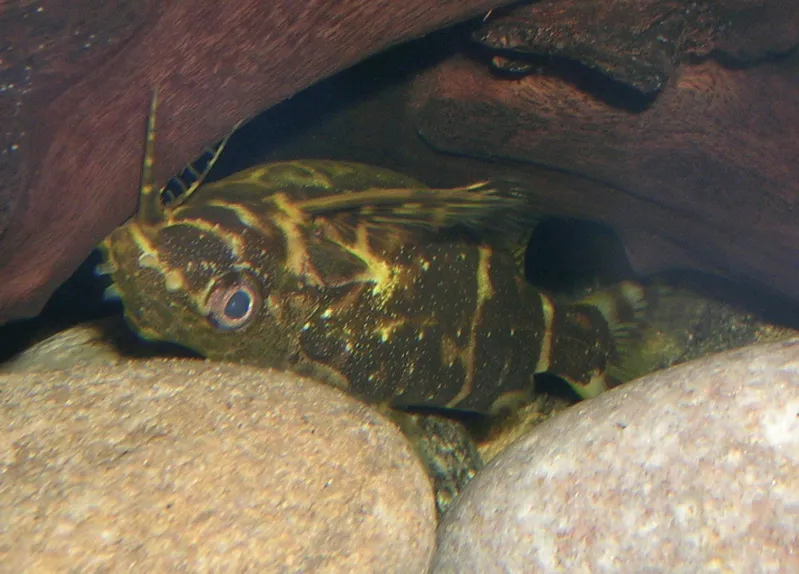
Upside-down catfish
Synodontis nigriventris
Freshwater3.9 in (10 cm) · 30 gal (115 L)75–82°F (24–28°C)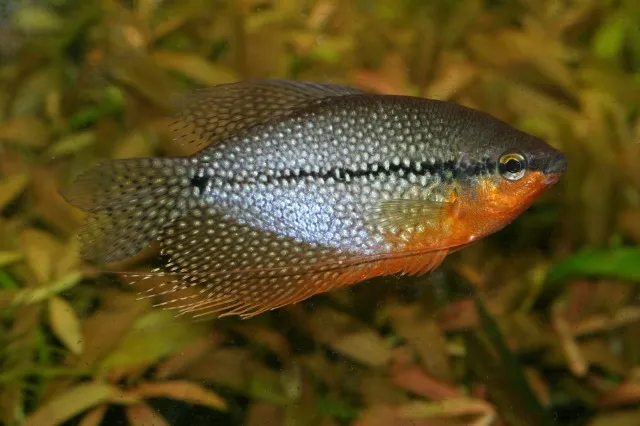
Pearl gourami
Trichopodus leerii
Freshwater4.7 in (12 cm) · 30 gal (115 L)75–86°F (24–30°C)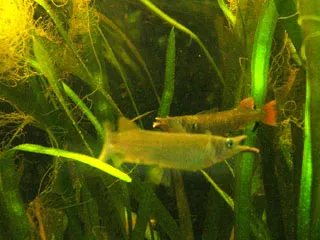
Redfin halfbeak
Nomorhamphus ebrardtii
Freshwater3.5 in (9 cm) · 29 gal (110 L)75–81°F (24–27°C)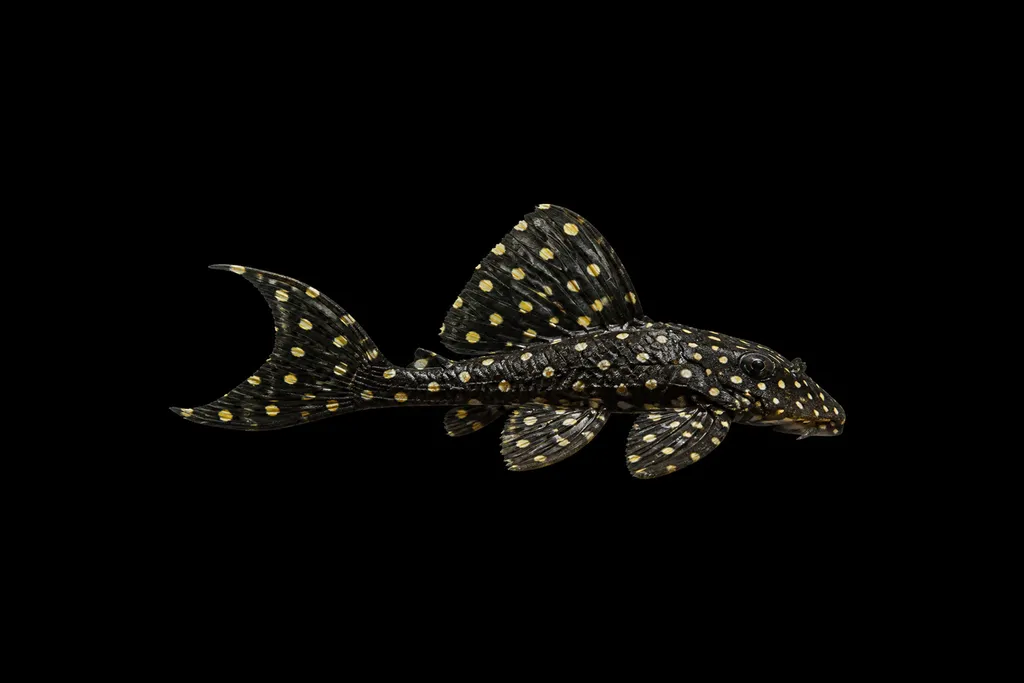
Orinoco angel pleco (L201)
Hypancistrus sp. L201
Freshwater5.9 in (15 cm) · 30 gal (115 L)79–86°F (26–30°C)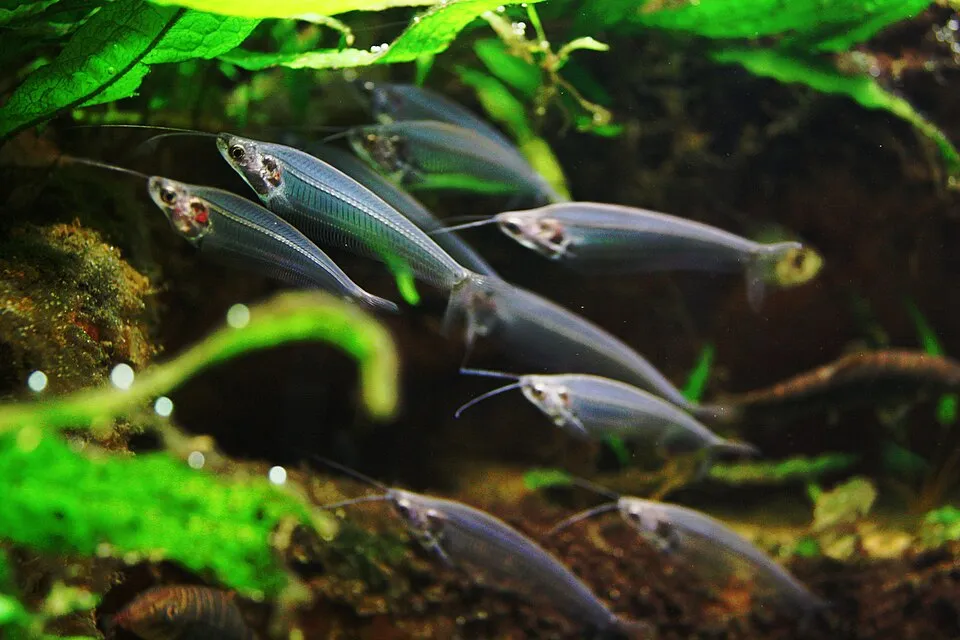
Glass catfish
Kryptopterus vitreolus
Freshwater2.8 in (7 cm) · 30 gal (115 L)70–79°F (21–26°C)
Common questions
What size tank does an Angelfish need?
An Angelfish needs at least 30 gal (115 L). It spends most of its time in the middle.
What temperature and pH does an Angelfish need?
An Angelfish is comfortable at 75–86°F (24–30°C) with a pH of 6.0–7.5.
How big does an Angelfish get?
An adult Angelfish reaches about 5.9 in (15 cm).
Related species
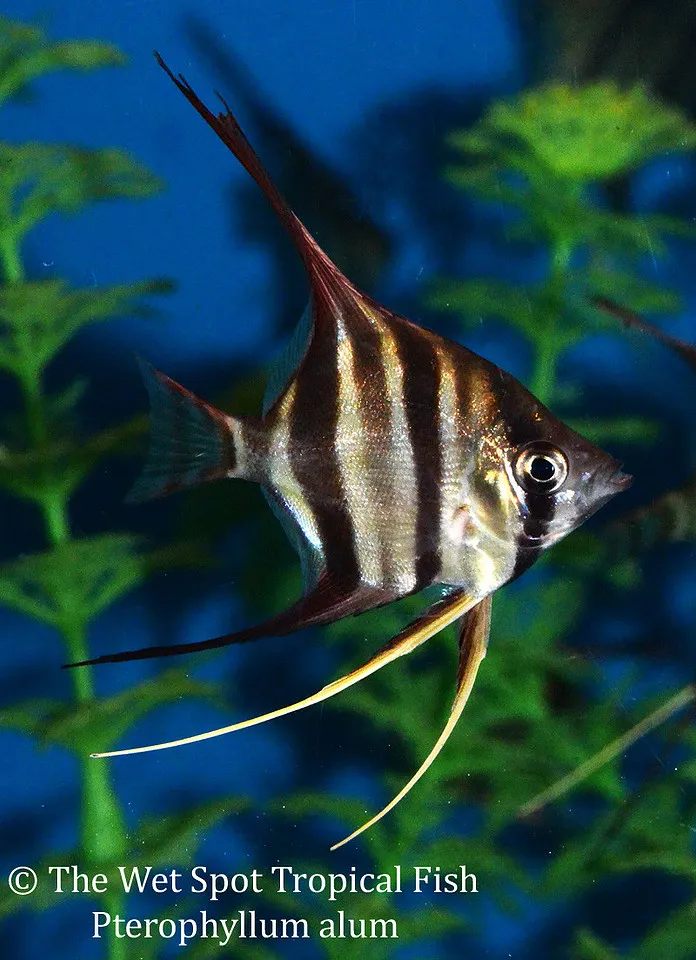 7.1 in (18 cm)45 gal (170 L)79–90°F (26–32°C)
Altum angelfish
Pterophyllum altum
7.1 in (18 cm) · 45 gal (170 L)
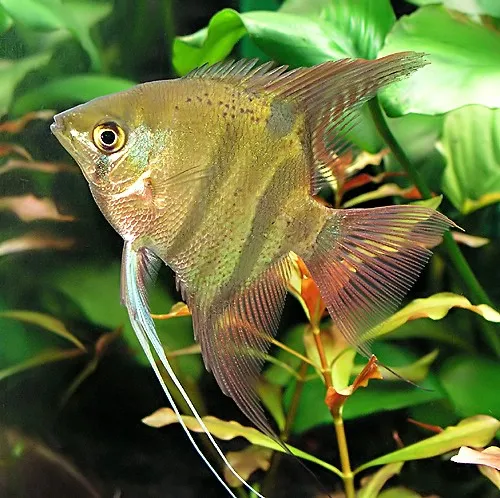 3.9 in (10 cm)30 gal (115 L)72–84°F (22–29°C)
Roman nose angelfish
Pterophyllum leopoldi
3.9 in (10 cm) · 30 gal (115 L)
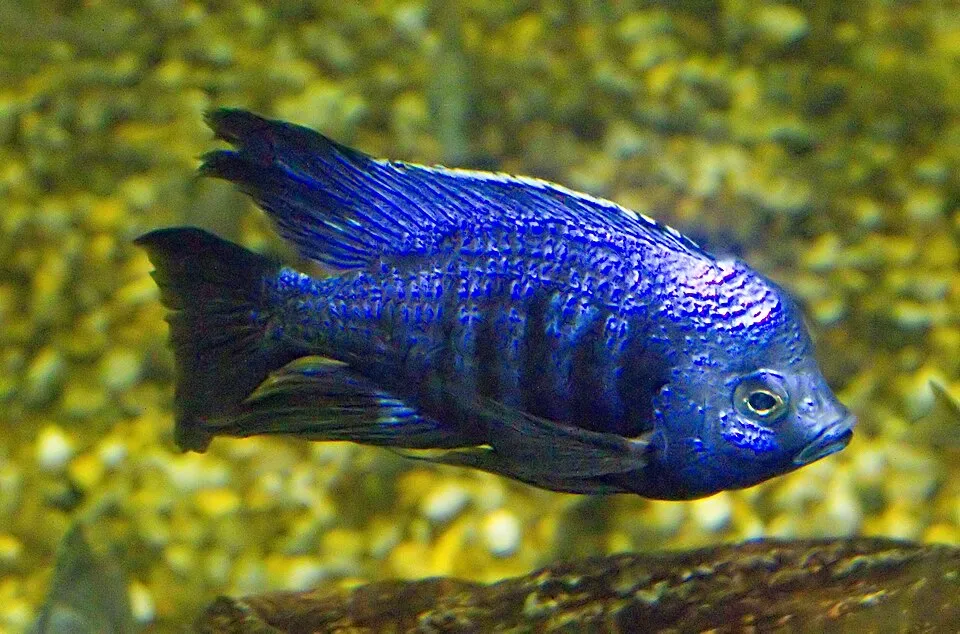 5.9 in (15 cm)79 gal (300 L)77–82°F (25–28°C)
Azureus
Copadichromis azureus
5.9 in (15 cm) · 79 gal (300 L)
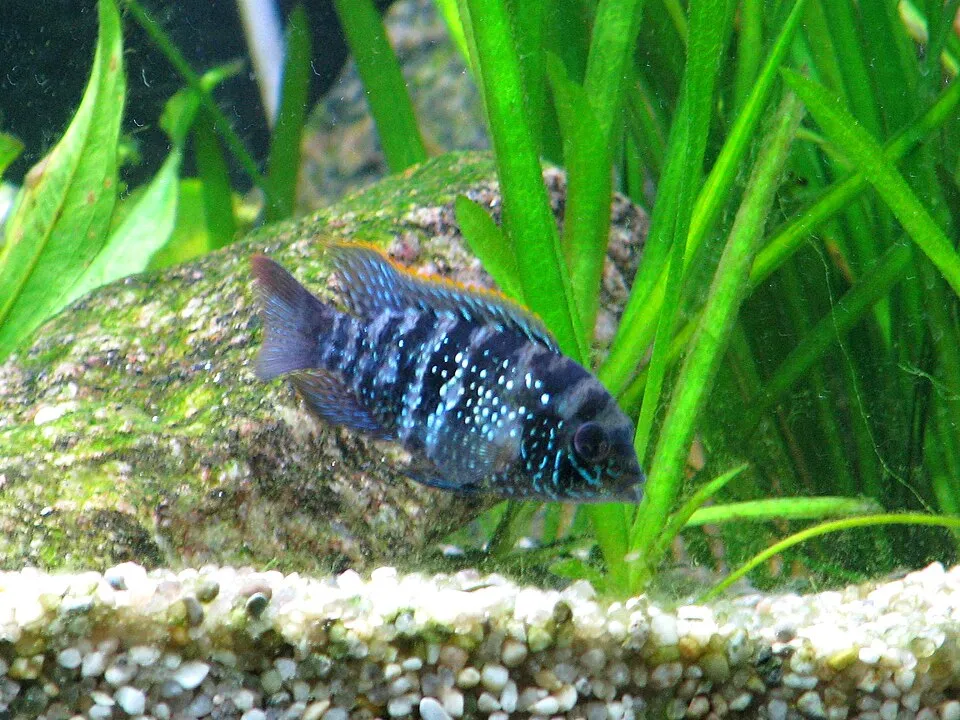 5.9 in (15 cm)42 gal (160 L)72–82°F (22–28°C)
Blue acara
Andinoacara pulcher
5.9 in (15 cm) · 42 gal (160 L)
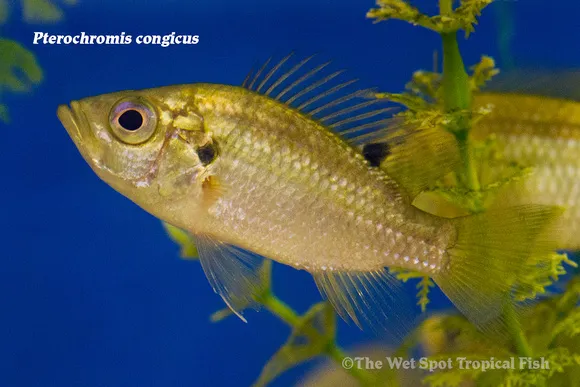 5.9 in (15 cm)79 gal (300 L)73–82°F (23–28°C)
Congicus pterochromis
Pterochromis congicus
5.9 in (15 cm) · 79 gal (300 L)
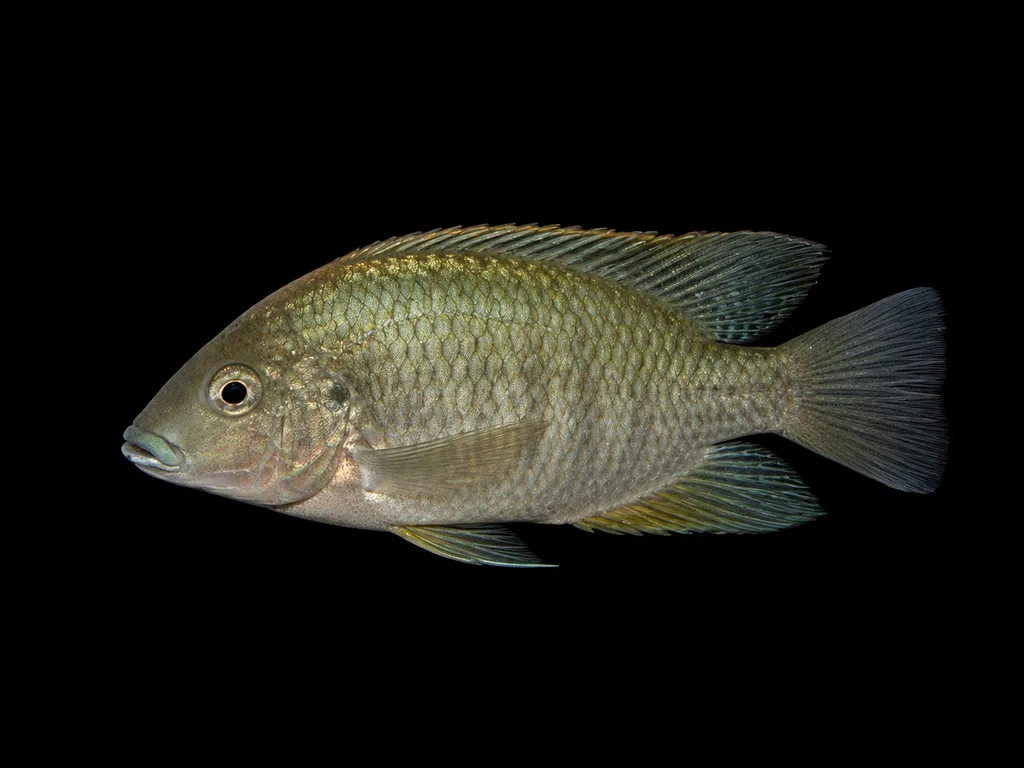 5.9 in (15 cm)66 gal (250 L)73–81°F (23–27°C)
Deepwater coptodon
Coptodon bythobates
5.9 in (15 cm) · 66 gal (250 L)