Variety of Angelfish
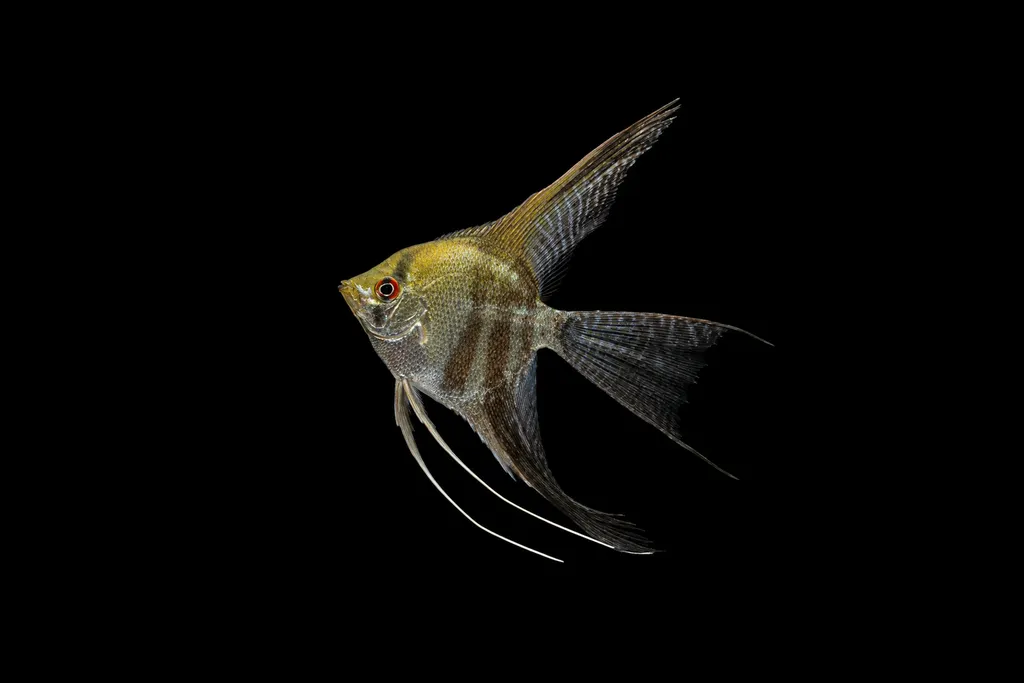
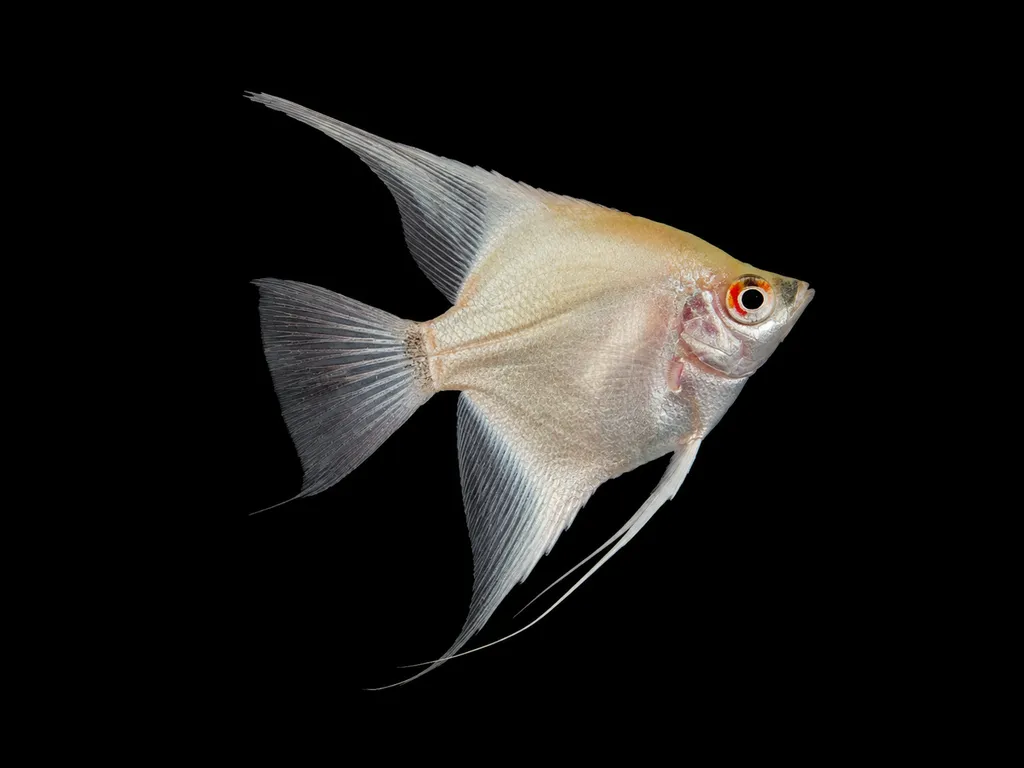
Veil angelfish
Pterophyllum scalare
One of 9 varieties of Pterophyllum scalare · See all varieties →
Also known as Veiltail Angelfish
FreshwaterFish
Varieties · Pterophyllum scalare
See all 9 →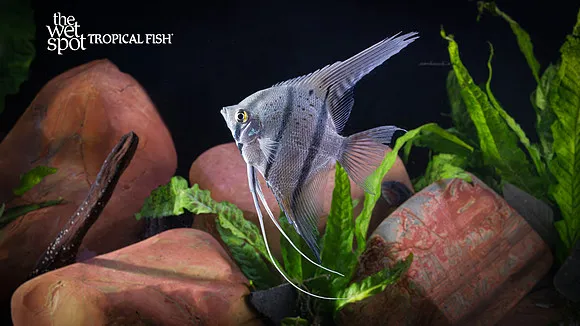
Care at a glance
- Temperature
- 75–86°F
- 24–30°C
- pH
- 6.0–7.5
- Adult size
- 5.9 in
- 15 cm
- Minimum tank
- 30 gal
- 115 L
- Temperament
- Mostly peaceful
- Social behavior
- Social
- Swim level
- Middle
- Difficulty
- Easy
- Breeding
- No record
- Rarity
- Very common
- Family
- Cichlidae
Overview
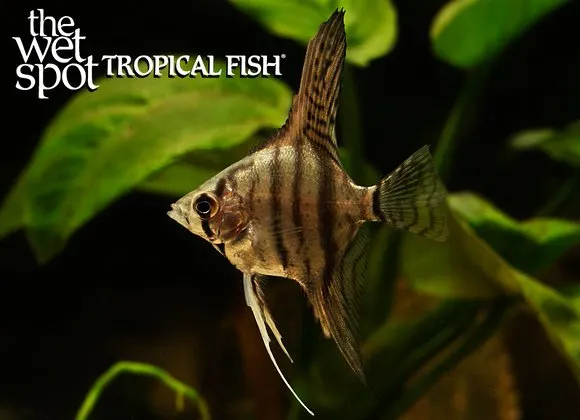
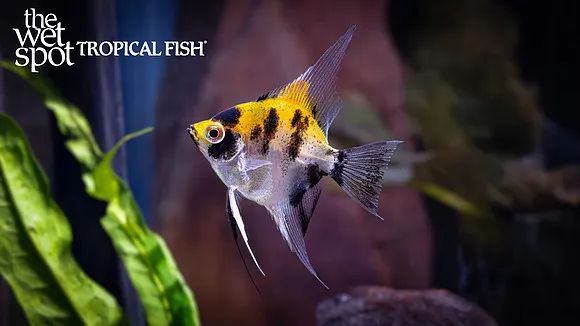
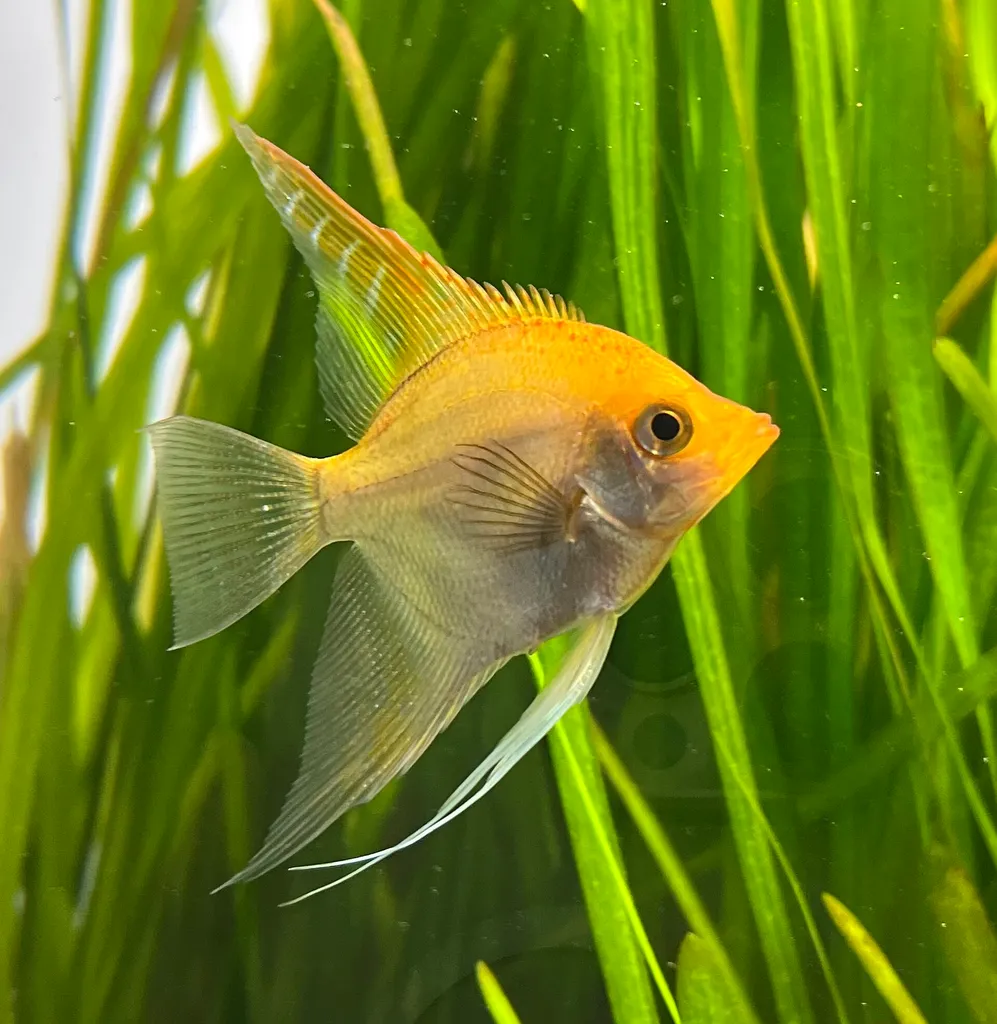
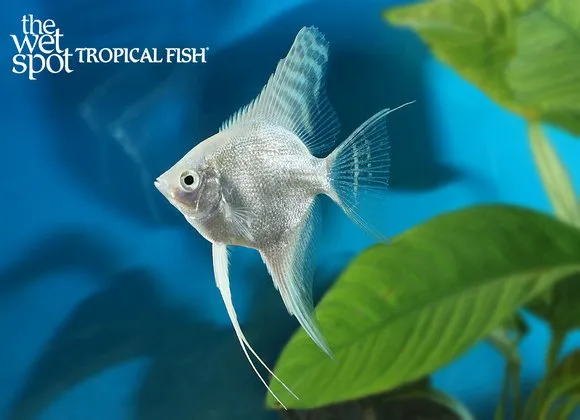
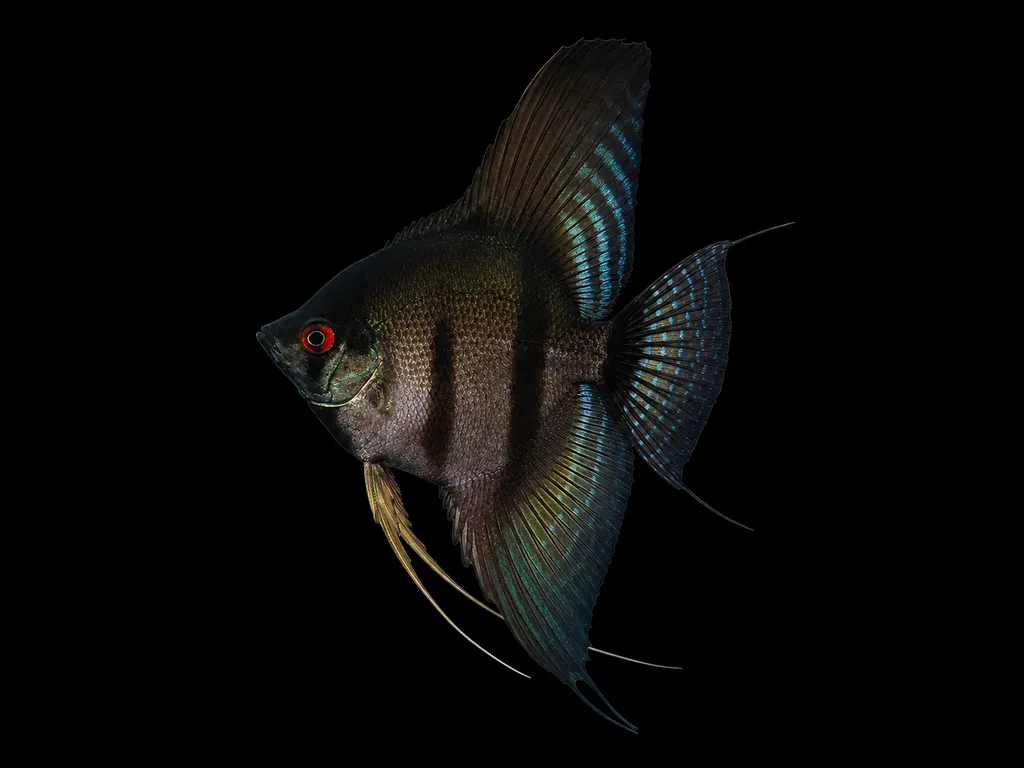
Veil is a fin trait rather than a color, so shops sell it as assorted or mixed veil and you take the patterns that are in the tank. The trailing dorsal, anal and tail fins are an easy target for nippers, so tank mates matter more here than with a standard angelfish. Long fins also snag on sharp decor and drag in strong flow, so open swimming space and a gentle current suit them.
In the wild
Veil exists only in domestic stock and no wild angelfish carries it. Joanne Norton described it as an autosomal dominant gene in FAMA in September 1982, and her account is still the one breeders work from. Because it is one gene independent of the color loci, it crosses onto silver, marble, koi and everything else, which is why the shop tanks are mixed.
Good to know
Veil is dominant over standard fins, and the dose shows: one dose (V/+) gives the ordinary veil, while two doses give a super veil with much longer, narrower fins that droop as the fish ages. Two veils bred together give about a quarter super veils. Norton and Angels Plus both report that those double dose fish grow slower and are less vigorous, which is why breeders often pair a veil with a standard finned fish instead.
Did you know
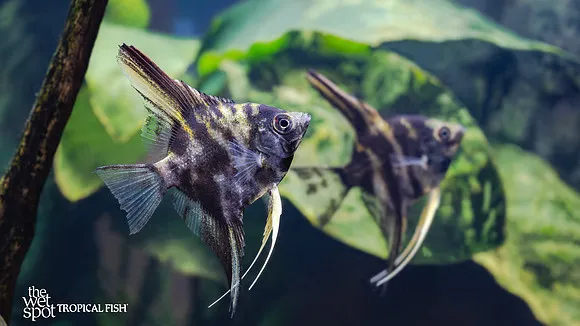
Veil is inherited separately from color, so it lands on any pattern: veil koi, veil marble, veil black lace. That is also why a bag of assorted veils can hold fish that look nothing like one another and are still siblings from one spawn.
Weekly picks
Tank mates
Veil angelfish is a mostly peaceful, social species that keeps to the middle. These picks share a community profile with it, are safe together in both directions, and overlap on water type, temperature and pH.
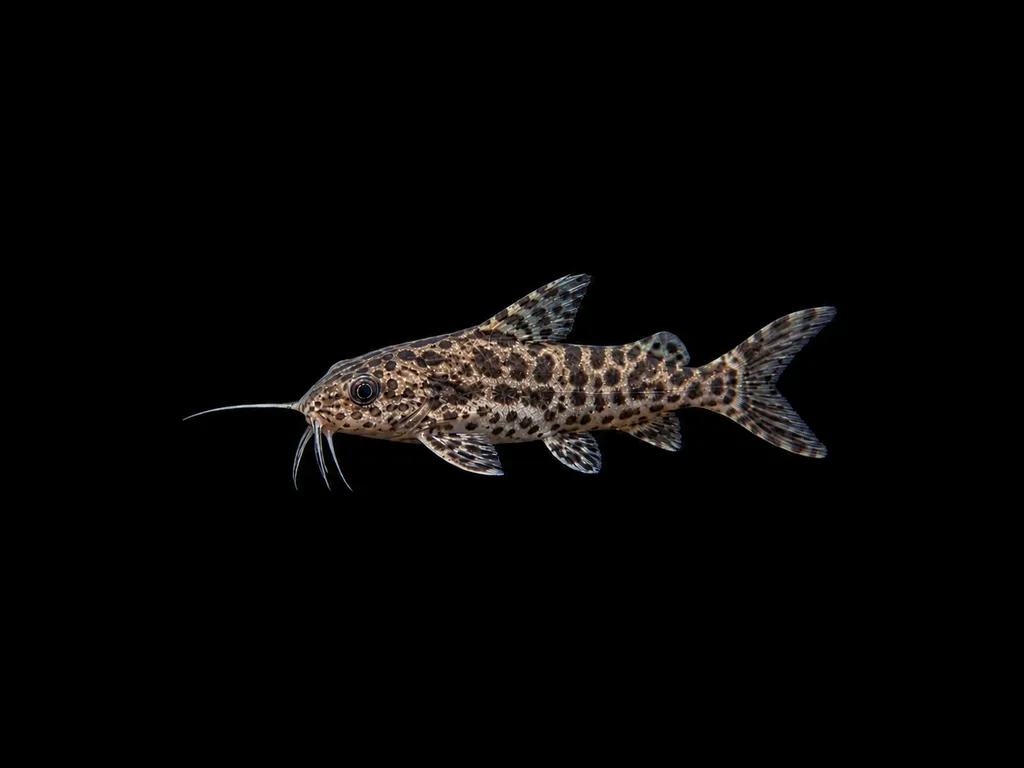
Bugeye squeaker
Synodontis contractus
Freshwater3.9 in (10 cm) · 30 gal (114 L)72–79°F (22–26°C)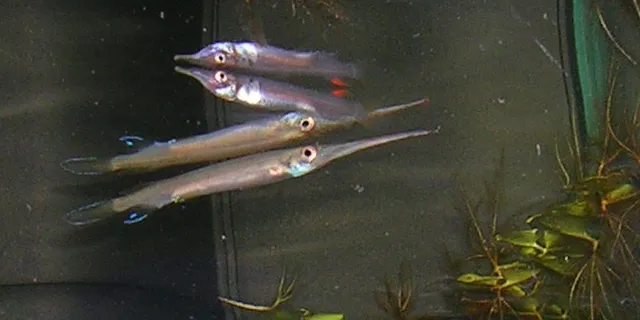
Forest halfbeak
Hemirhamphodon pogonognathus
Freshwater3.5 in (9 cm) · 34 gal (130 L)75–82°F (24–28°C)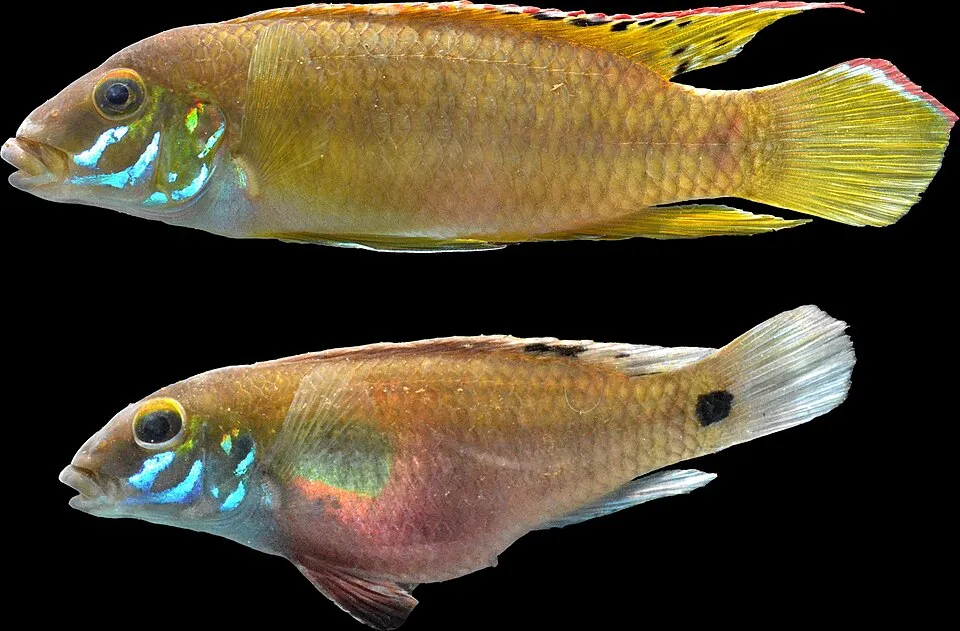
Yellow kribensis
Wallaceochromis humilis
Freshwater4.9 in (12.5 cm) · 30 gal (115 L)75–81°F (24–27°C)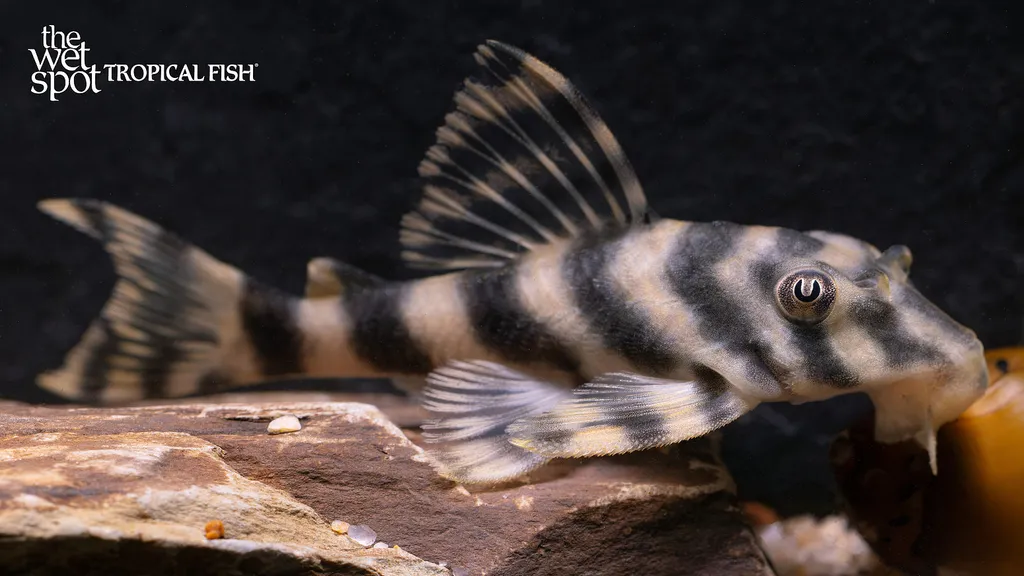
Candy striped pleco (L015)
Peckoltia vittata
Freshwater4.7 in (12 cm) · 30 gal (115 L)77–84°F (25–29°C)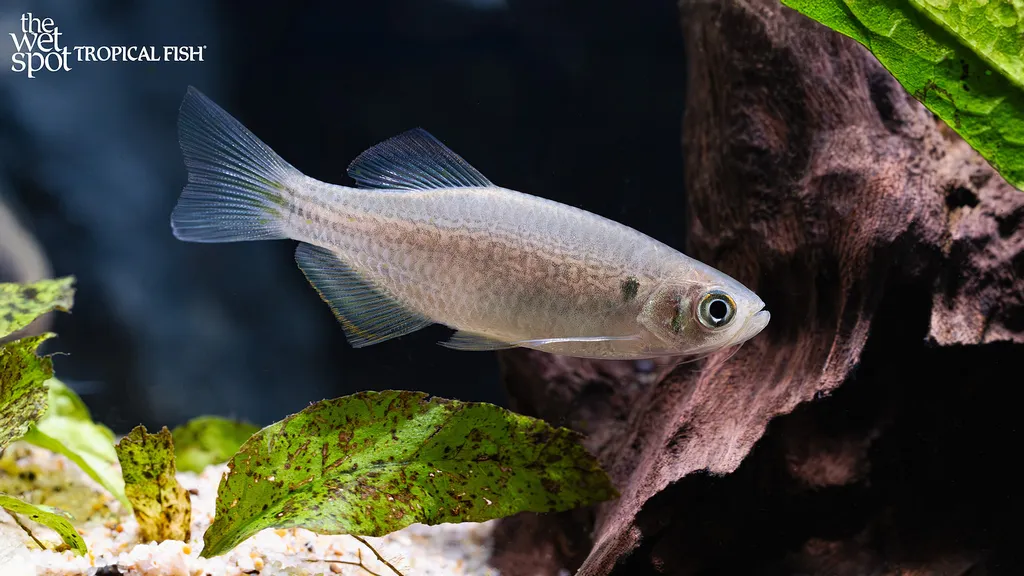
Moustached danio
Danio dangila
Freshwater5.1 in (13 cm) · 32 gal (120 L)68–79°F (20–26°C)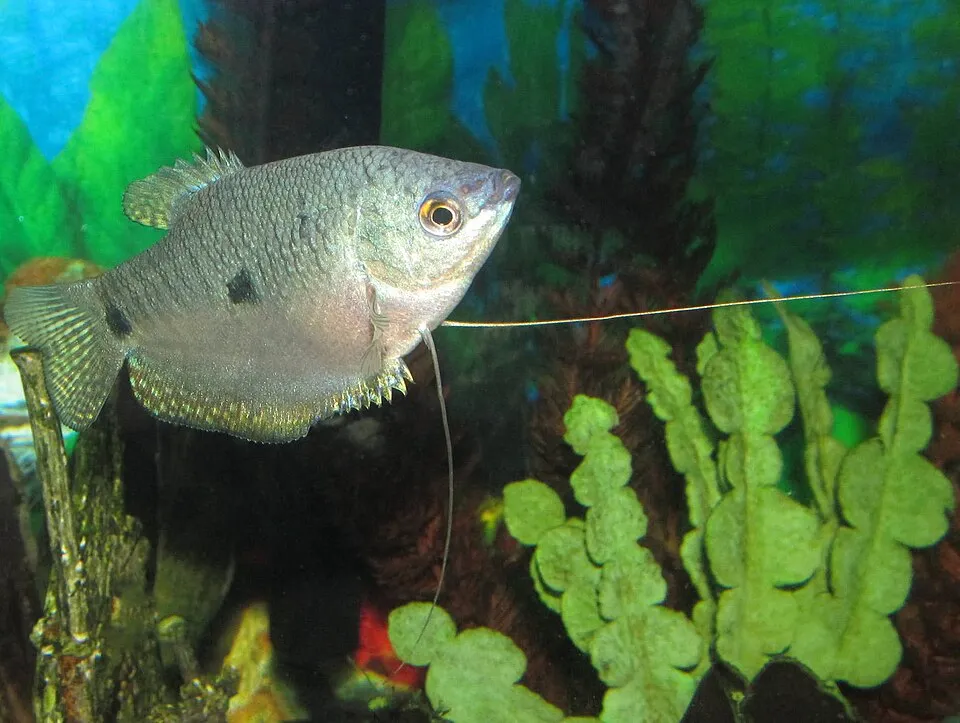
Three spot gourami
Trichopodus trichopterus
Freshwater5.1 in (13 cm) · 30 gal (115 L)75–86°F (24–30°C)
Common questions
Is a Veil angelfish a different species from the Angelfish?
No. A Veil angelfish is a variety of the Angelfish, Pterophyllum scalare, and it wants the same tank, water and food as the species.
What size tank does a Veil angelfish need?
A Veil angelfish needs at least 30 gal (115 L). It spends most of its time in the middle.
How big does a Veil angelfish get?
An adult Veil angelfish reaches about 5.9 in (15 cm).
Related species
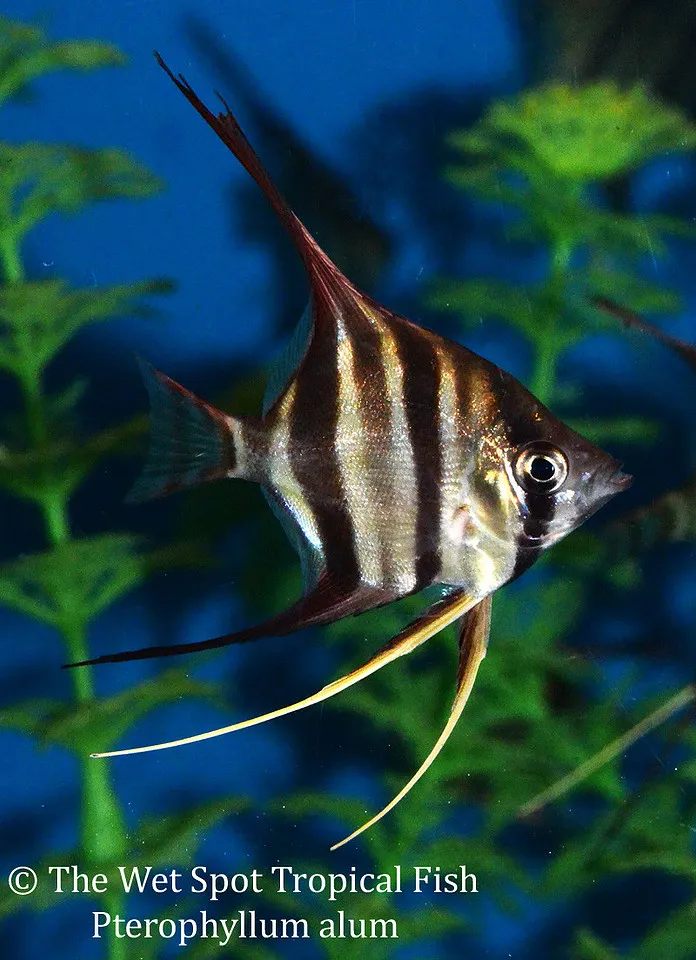 7.1 in (18 cm)45 gal (170 L)79–90°F (26–32°C)
Altum angelfish
Pterophyllum altum
7.1 in (18 cm) · 45 gal (170 L)
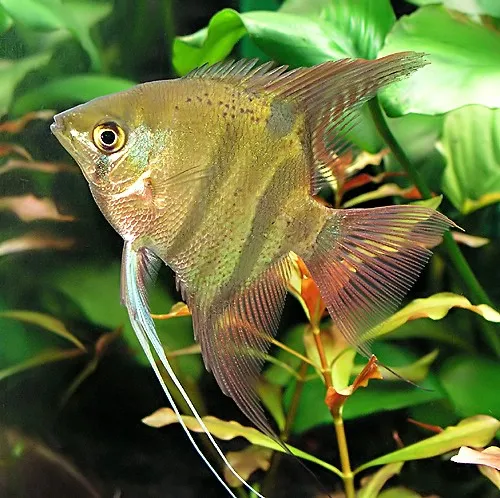 3.9 in (10 cm)30 gal (115 L)72–84°F (22–29°C)
Roman nose angelfish
Pterophyllum leopoldi
3.9 in (10 cm) · 30 gal (115 L)
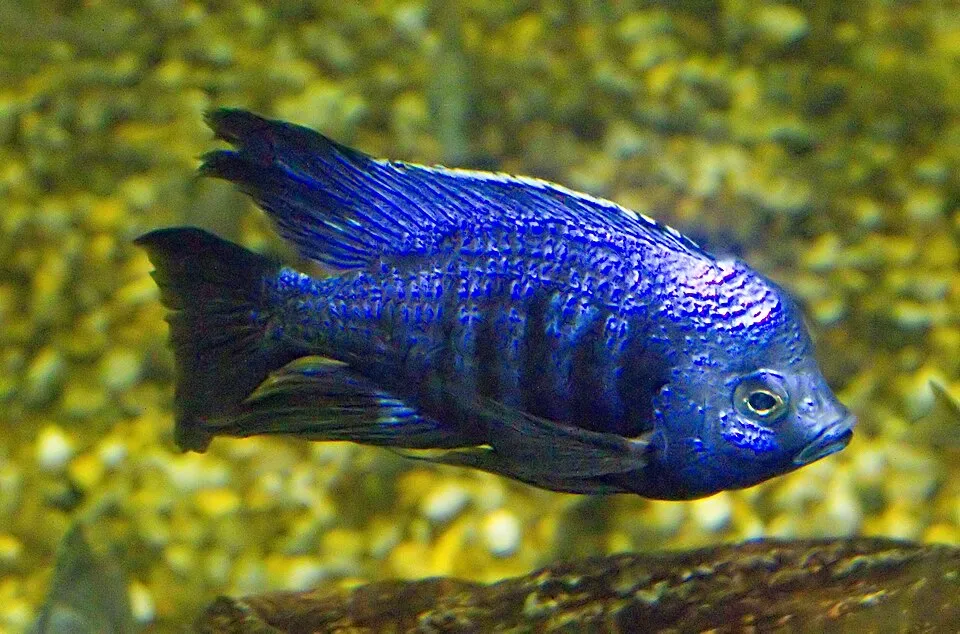 5.9 in (15 cm)79 gal (300 L)77–82°F (25–28°C)
Azureus
Copadichromis azureus
5.9 in (15 cm) · 79 gal (300 L)
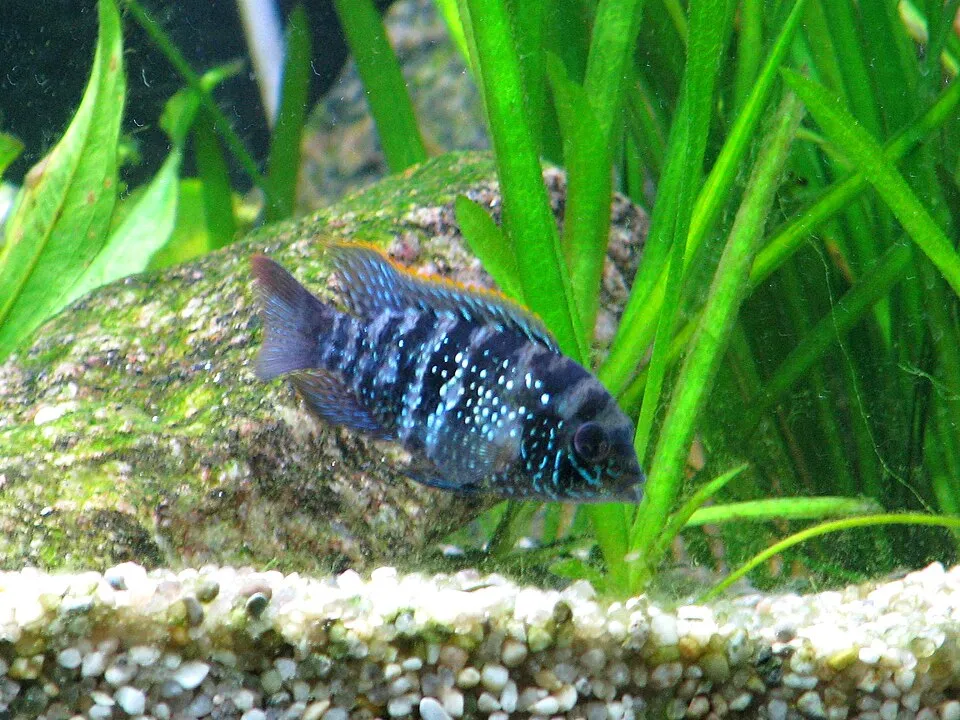 5.9 in (15 cm)42 gal (160 L)72–82°F (22–28°C)
Blue acara
Andinoacara pulcher
5.9 in (15 cm) · 42 gal (160 L)
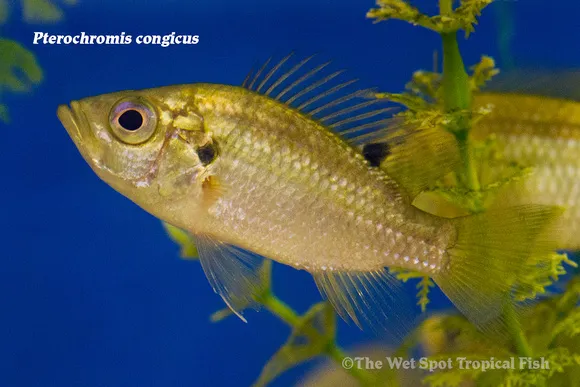 5.9 in (15 cm)79 gal (300 L)73–82°F (23–28°C)
Congicus pterochromis
Pterochromis congicus
5.9 in (15 cm) · 79 gal (300 L)
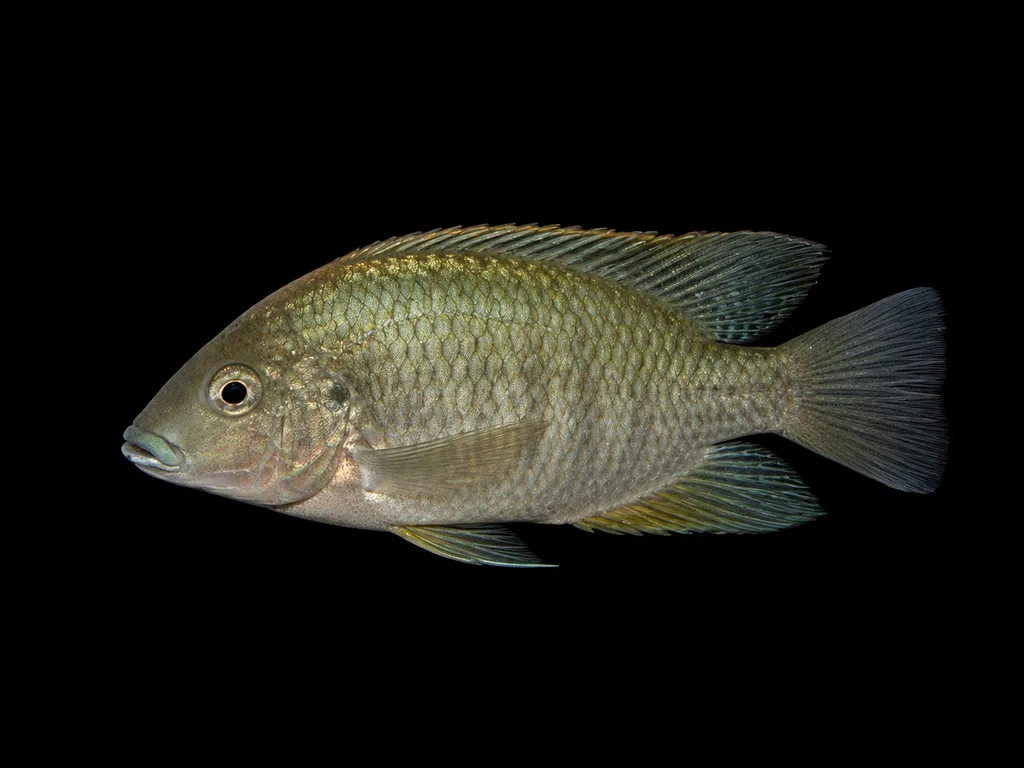 5.9 in (15 cm)66 gal (250 L)73–81°F (23–27°C)
Deepwater coptodon
Coptodon bythobates
5.9 in (15 cm) · 66 gal (250 L)