Variety of Angelfish
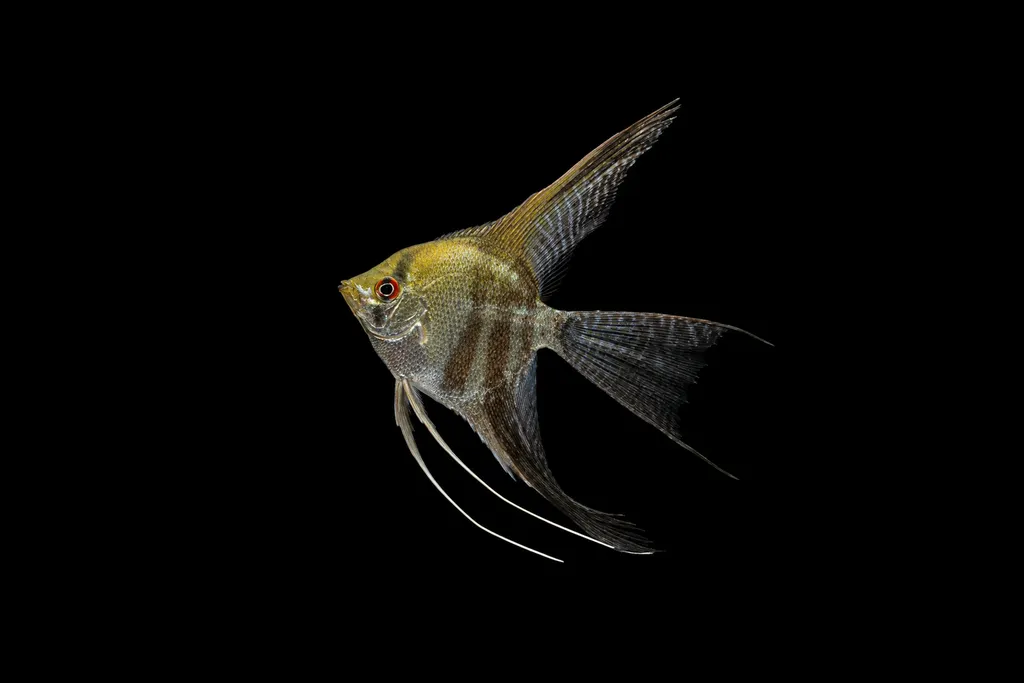
Marble angelfish
Pterophyllum scalare
One of 9 varieties of Pterophyllum scalare · See all varieties →
FreshwaterFish
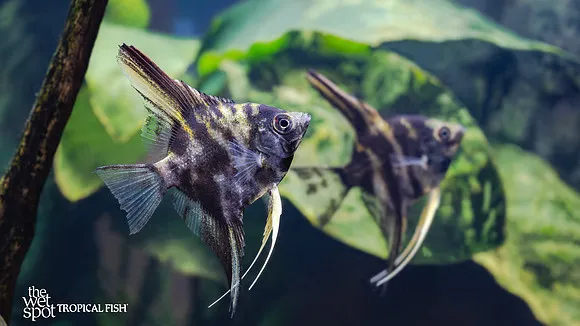
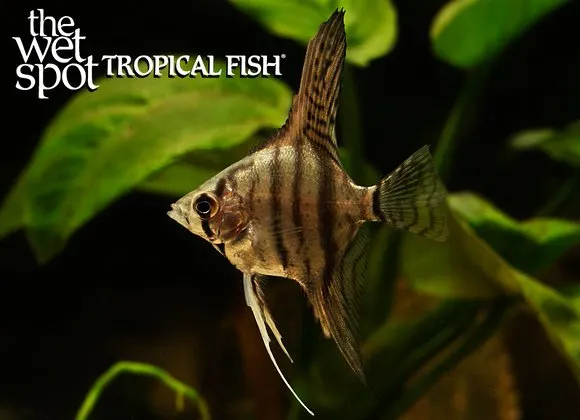
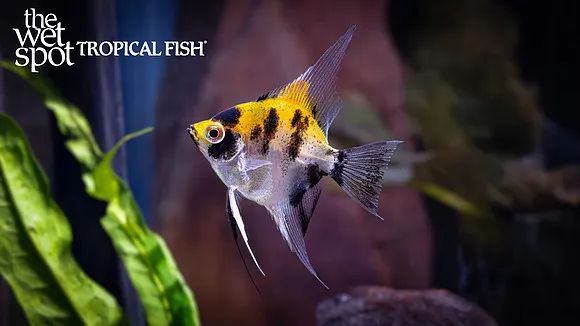
Varieties · Pterophyllum scalare
See all 9 →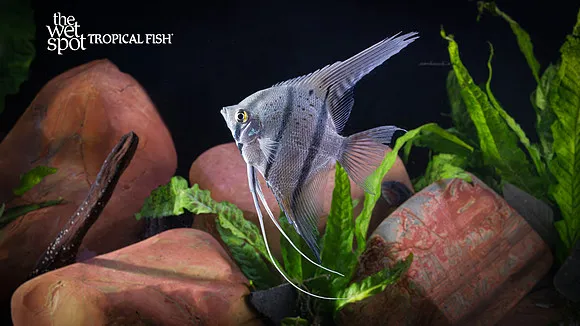
Care at a glance
- Temperature
- 75–86°F
- 24–30°C
- pH
- 6.0–7.5
- Adult size
- 5.9 in
- 15 cm
- Minimum tank
- 30 gal
- 115 L
- Temperament
- Mostly peaceful
- Social behavior
- Social
- Swim level
- Middle
- Difficulty
- Easy
- Breeding
- No record
- Rarity
- Very common
- Family
- Cichlidae
Overview
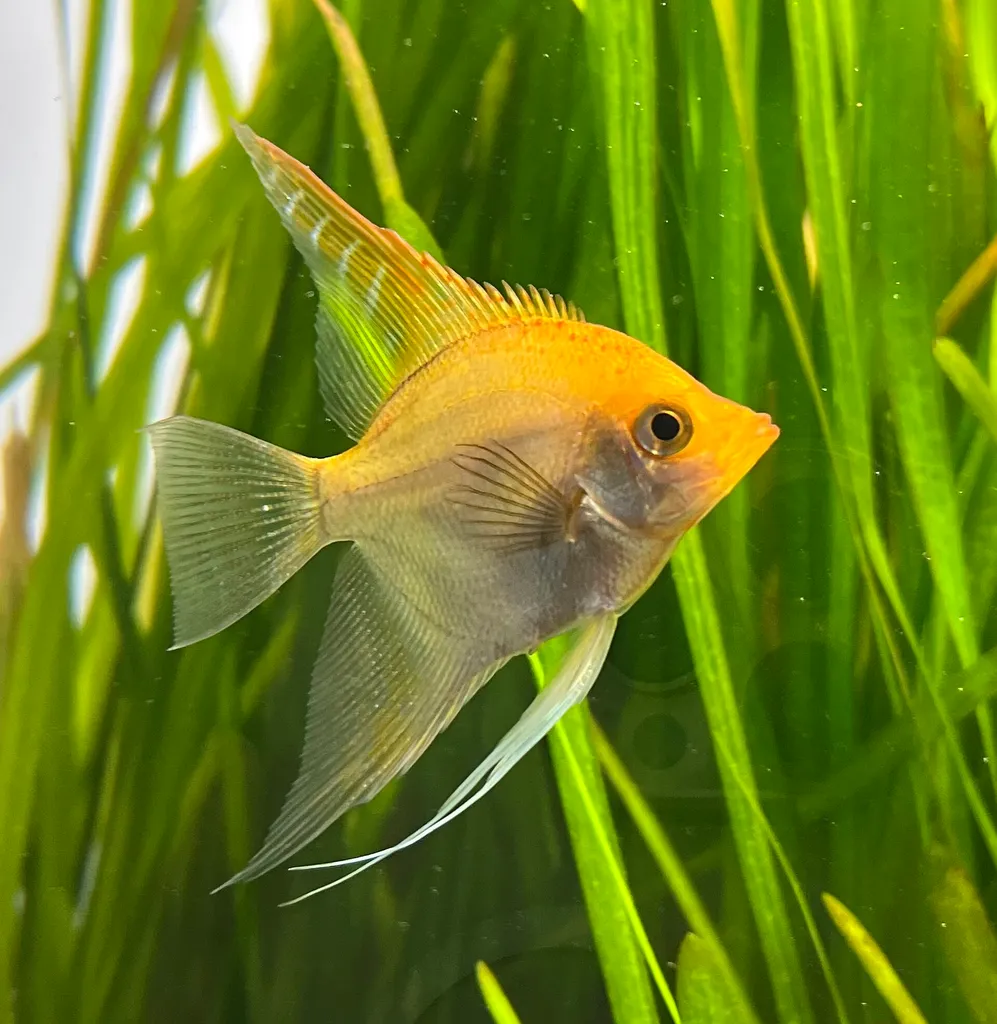
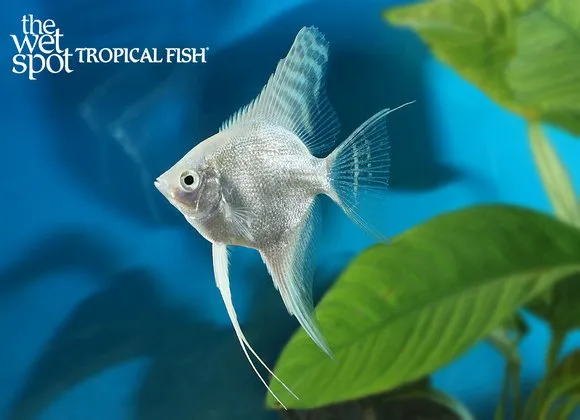
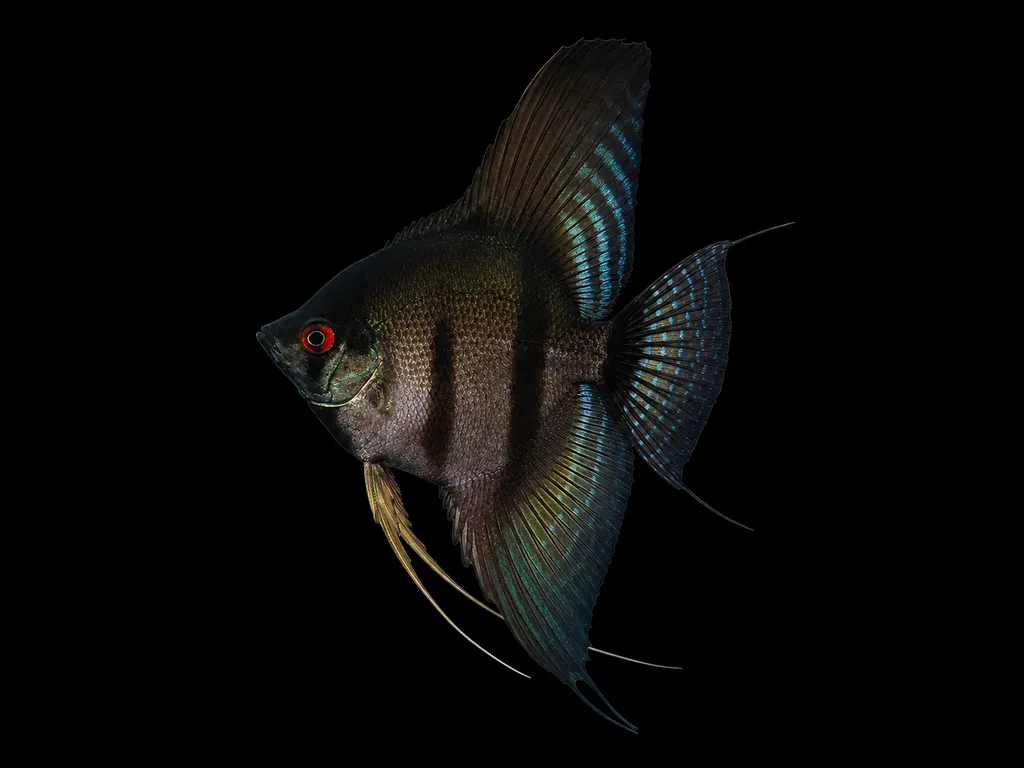
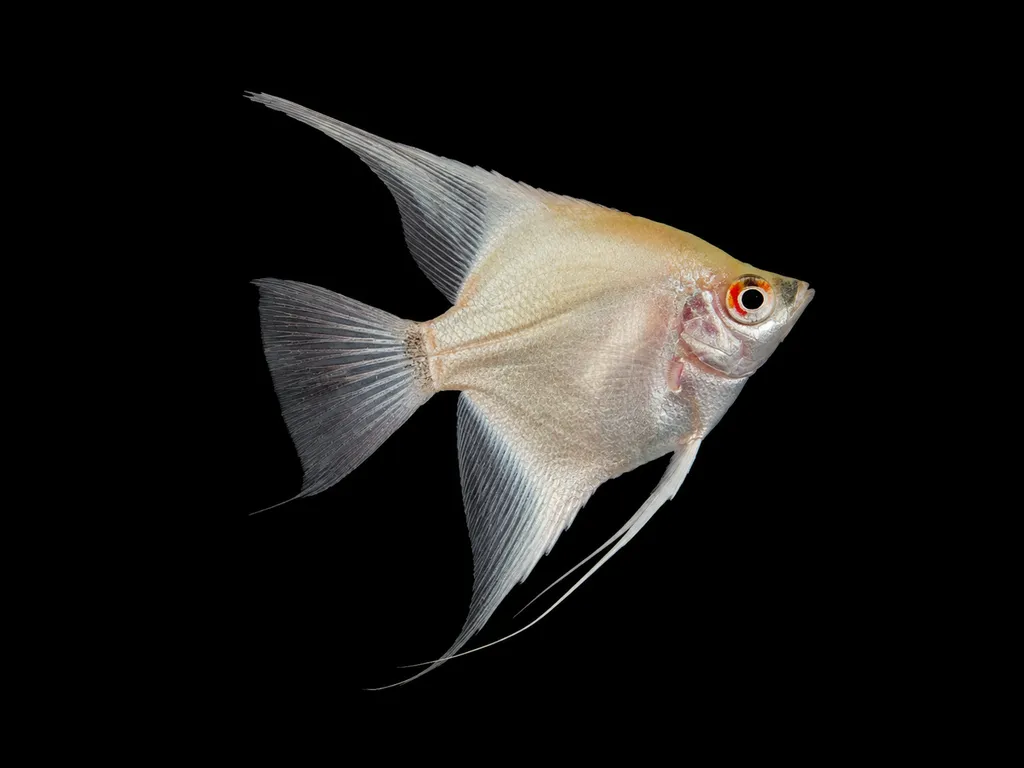
No two marbles are marked alike and shops sell them ungraded, so pick the individual fish rather than trusting the tank label. Coverage runs from a few black smears on white to nearly solid black. A young fish's pattern can keep shifting as it grows, so the marbling you buy is not always the marbling you end up with.
In the wild
The marble pattern is a tank mutation with no wild counterpart. Chuck Ash produced the first marbles around 1969 and described them that year in The Aquarium magazine. Joanne Norton later separated seven genetically different marbles, since the amount of black depends on dose and on which other genes the fish carries.
Good to know
Marble is an allele at the dark locus, and Norton found that a homozygous fish carries a more extensive black pattern than a heterozygous one, so one dose gives the familiar patchwork and two doses give a blacker fish. It shares that locus with dark, gold marble and new gold, so any fish carries at most two of them. The black is laid down in irregular patches rather than to a fixed template, which is why siblings from one spawn rarely match.
Did you know
Marble is not a black fish crossed with a silver one. It is a single mutation that turned up in one breeder's tanks in 1969, and crossing a marble back to a plain silver gives marbled fry and plain silvers rather than a blend of the two.
Weekly picks
Tank mates
Marble angelfish is a mostly peaceful, social species that keeps to the middle. These picks share a community profile with it, are safe together in both directions, and overlap on water type, temperature and pH.
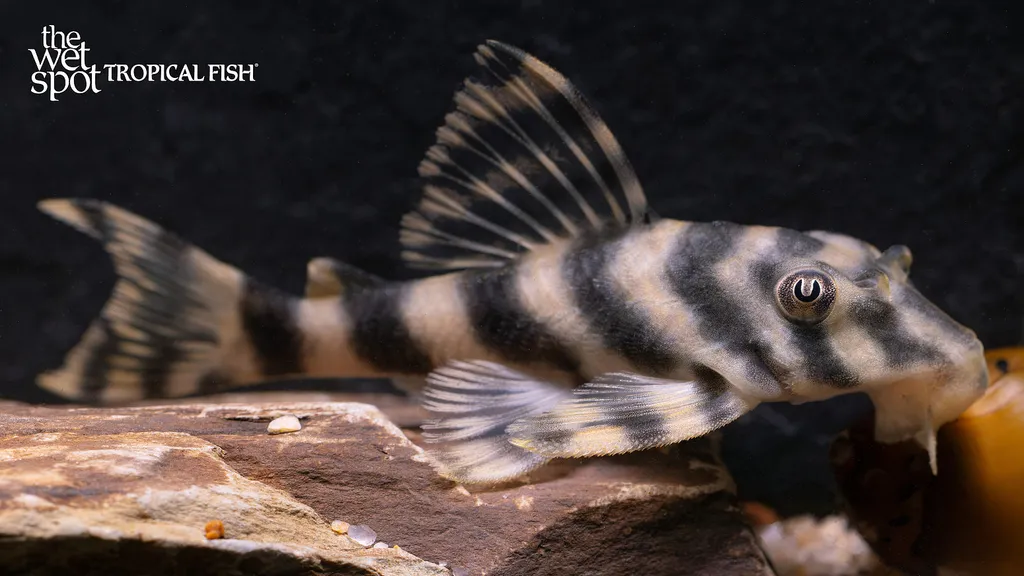
Candy striped pleco (L015)
Peckoltia vittata
Freshwater4.7 in (12 cm) · 30 gal (115 L)77–84°F (25–29°C)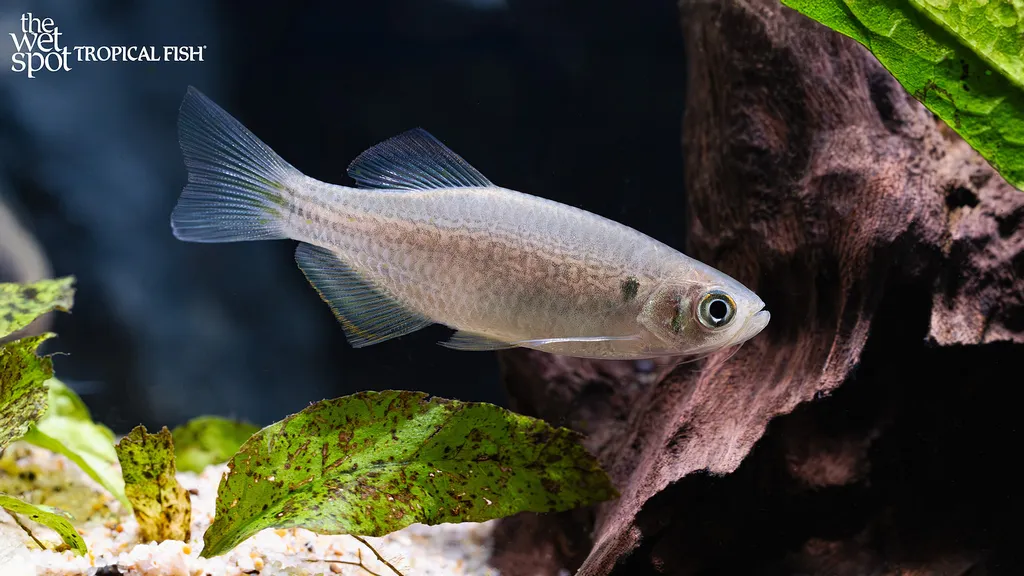
Moustached danio
Danio dangila
Freshwater5.1 in (13 cm) · 32 gal (120 L)68–79°F (20–26°C)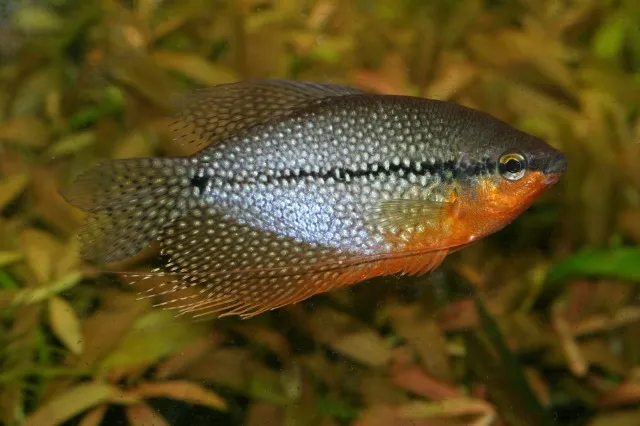
Pearl gourami
Trichopodus leerii
Freshwater4.7 in (12 cm) · 30 gal (115 L)75–86°F (24–30°C)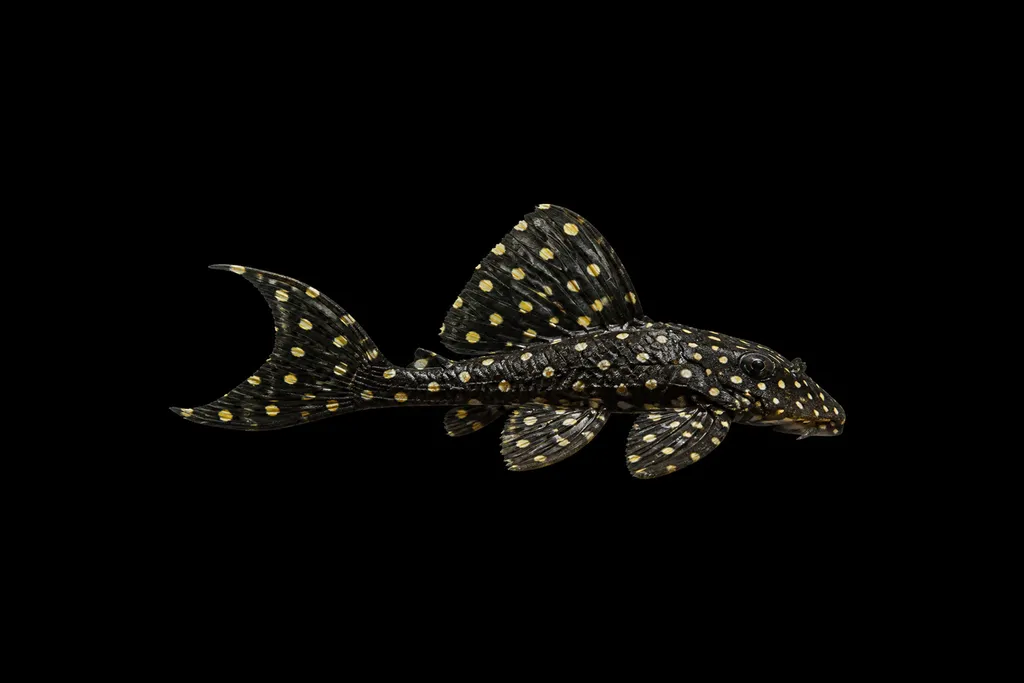
Orinoco angel pleco (L201)
Hypancistrus sp. L201
Freshwater5.9 in (15 cm) · 30 gal (115 L)79–86°F (26–30°C)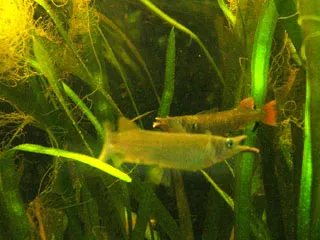
Redfin halfbeak
Nomorhamphus ebrardtii
Freshwater3.5 in (9 cm) · 29 gal (110 L)75–81°F (24–27°C)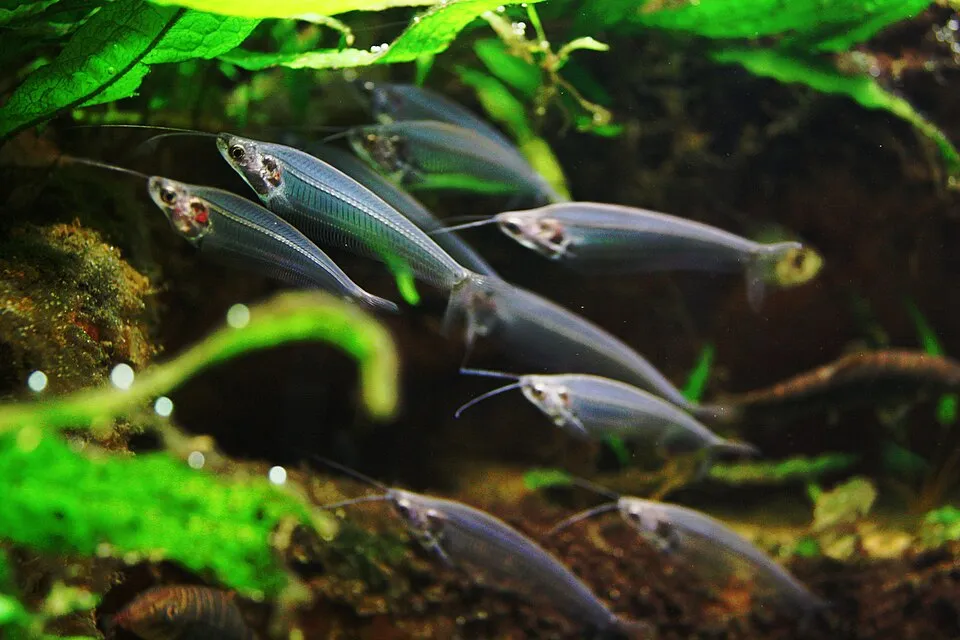
Glass catfish
Kryptopterus vitreolus
Freshwater2.8 in (7 cm) · 30 gal (115 L)70–79°F (21–26°C)
Common questions
Is a Marble angelfish a different species from the Angelfish?
No. A Marble angelfish is a variety of the Angelfish, Pterophyllum scalare, and it wants the same tank, water and food as the species.
What size tank does a Marble angelfish need?
A Marble angelfish needs at least 30 gal (115 L). It spends most of its time in the middle.
How big does a Marble angelfish get?
An adult Marble angelfish reaches about 5.9 in (15 cm).
Related species
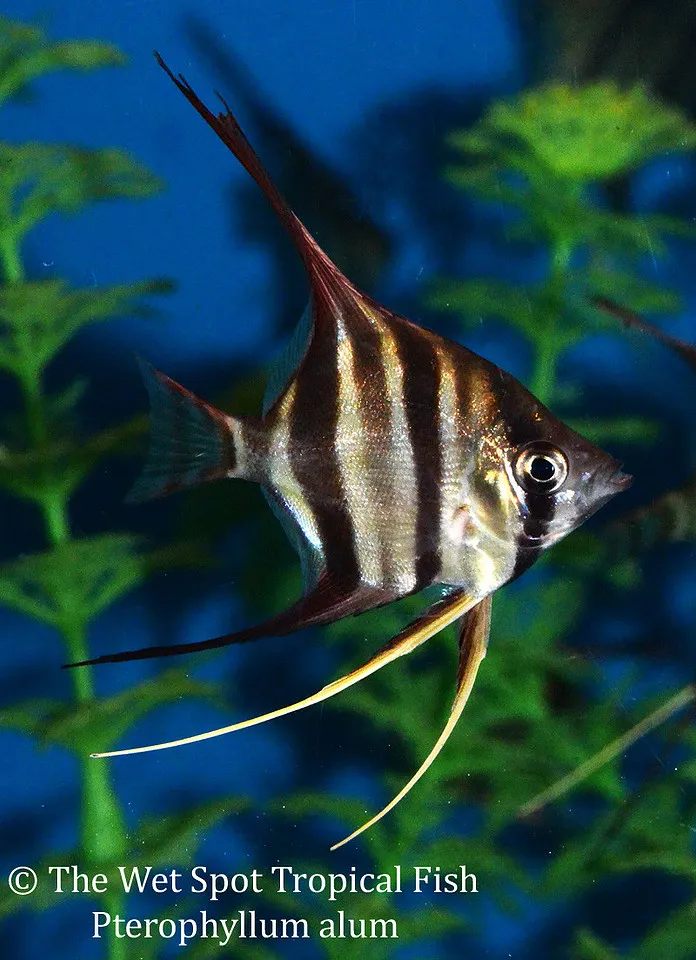 7.1 in (18 cm)45 gal (170 L)79–90°F (26–32°C)
Altum angelfish
Pterophyllum altum
7.1 in (18 cm) · 45 gal (170 L)
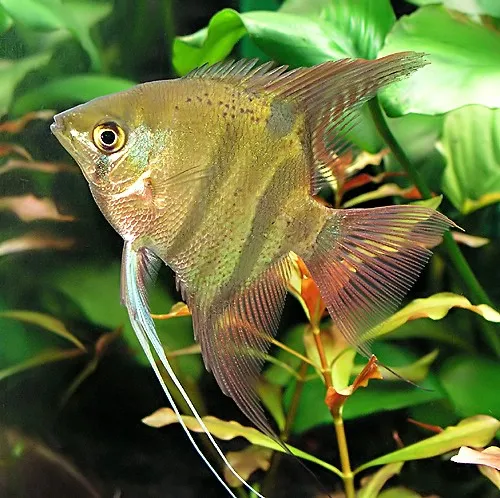 3.9 in (10 cm)30 gal (115 L)72–84°F (22–29°C)
Roman nose angelfish
Pterophyllum leopoldi
3.9 in (10 cm) · 30 gal (115 L)
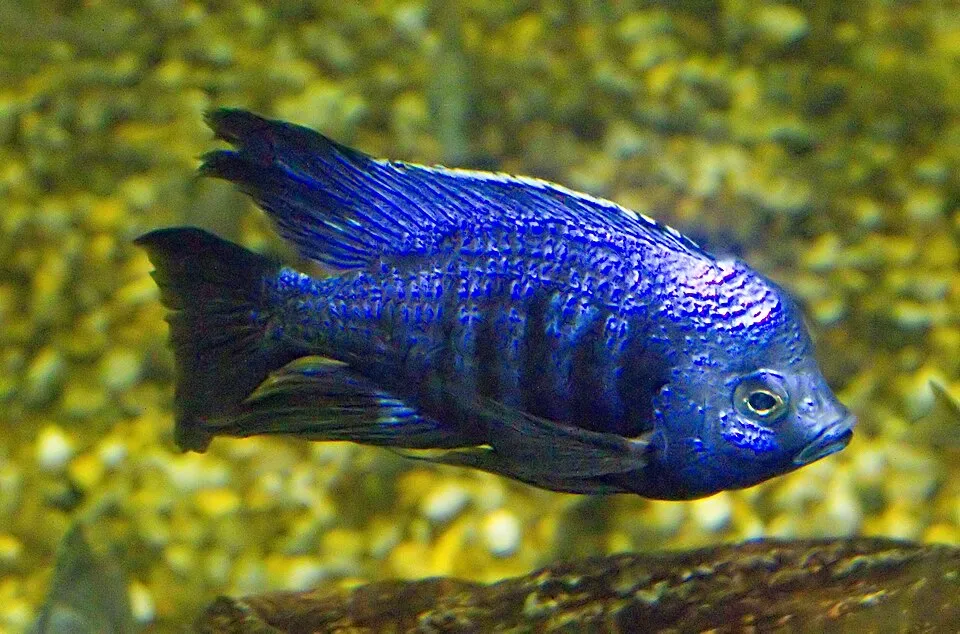 5.9 in (15 cm)79 gal (300 L)77–82°F (25–28°C)
Azureus
Copadichromis azureus
5.9 in (15 cm) · 79 gal (300 L)
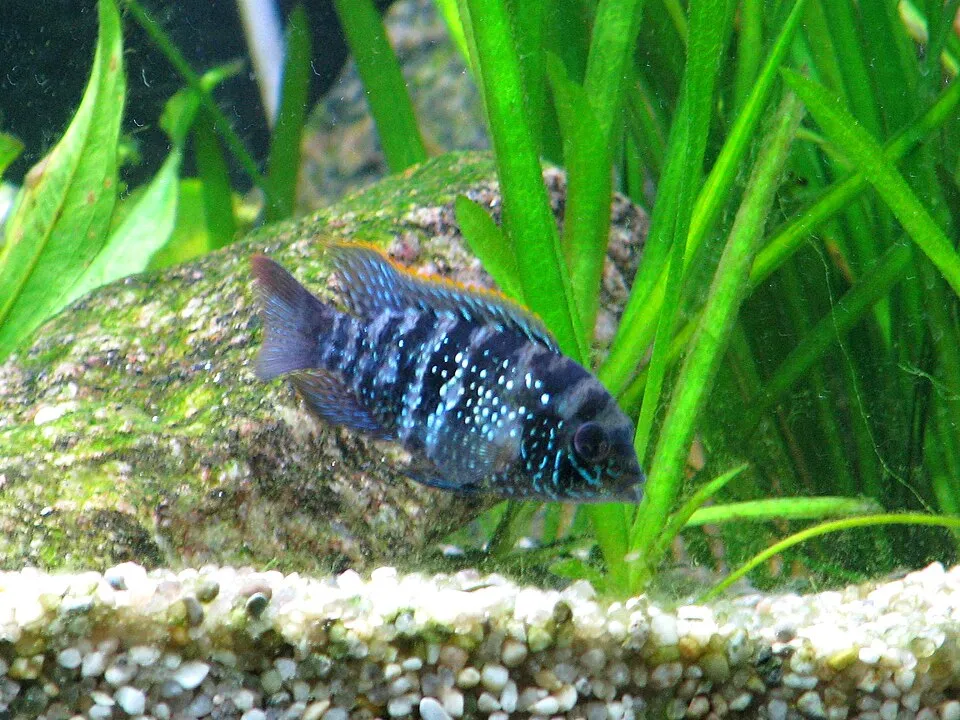 5.9 in (15 cm)42 gal (160 L)72–82°F (22–28°C)
Blue acara
Andinoacara pulcher
5.9 in (15 cm) · 42 gal (160 L)
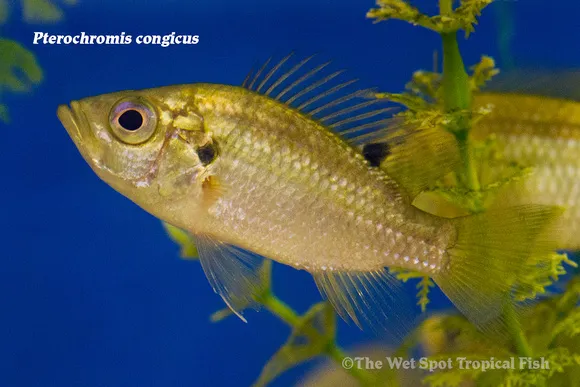 5.9 in (15 cm)79 gal (300 L)73–82°F (23–28°C)
Congicus pterochromis
Pterochromis congicus
5.9 in (15 cm) · 79 gal (300 L)
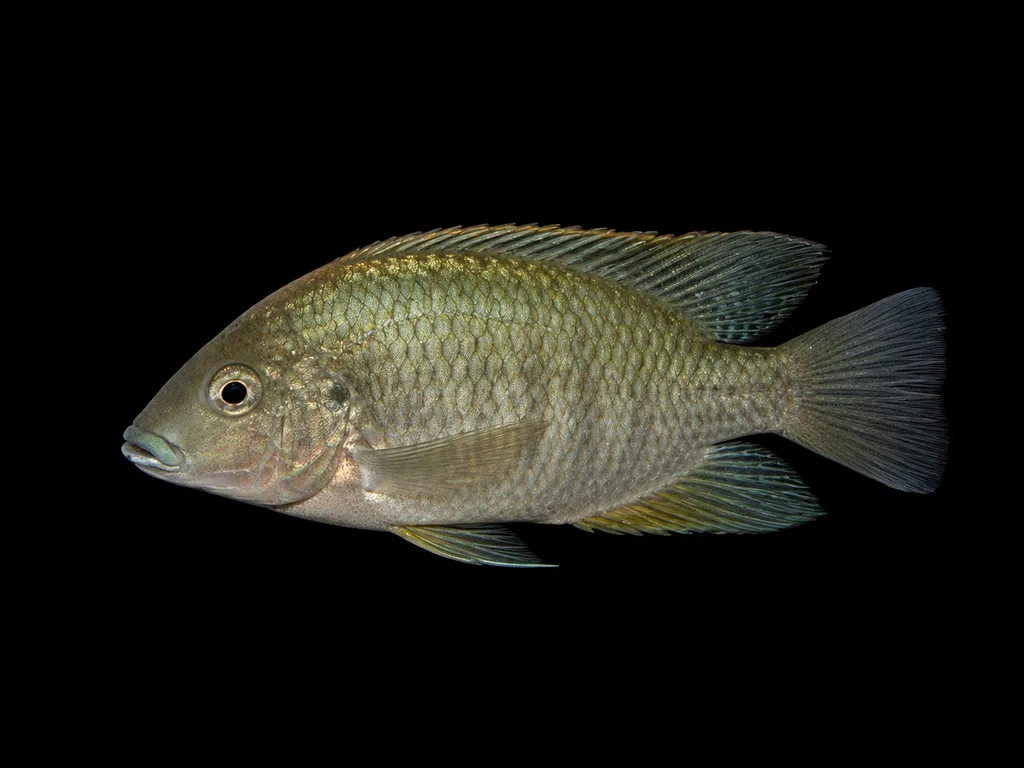 5.9 in (15 cm)66 gal (250 L)73–81°F (23–27°C)
Deepwater coptodon
Coptodon bythobates
5.9 in (15 cm) · 66 gal (250 L)