Variety of Angelfish
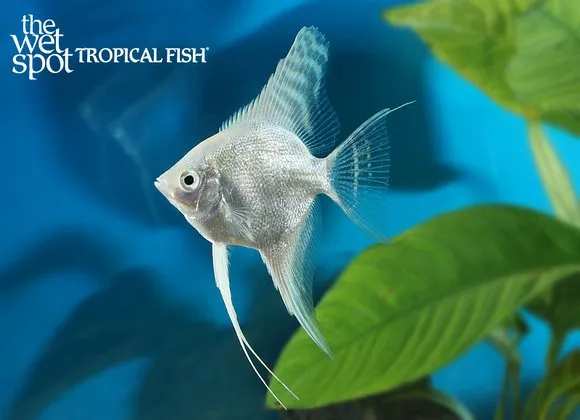
Platinum angelfish
Pterophyllum scalare
One of 9 varieties of Pterophyllum scalare · See all varieties →
FreshwaterFish
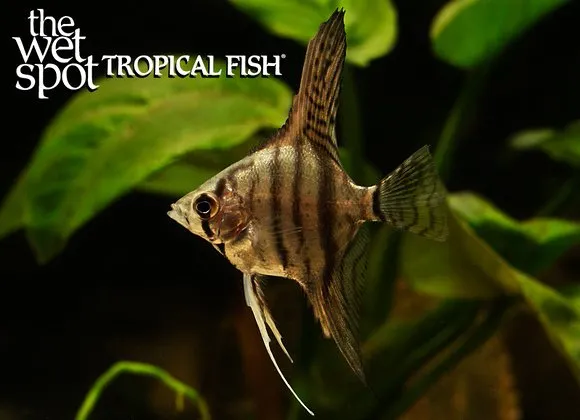
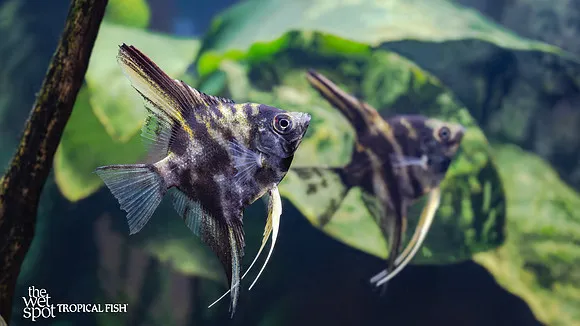
Varieties · Pterophyllum scalare
See all 9 →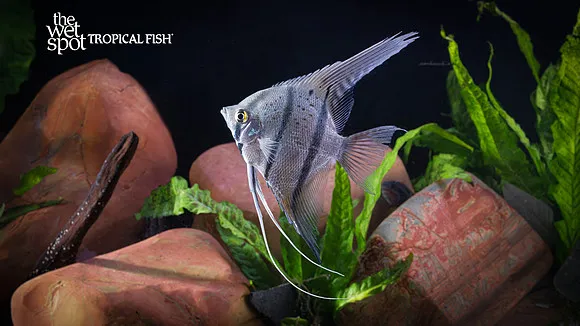
Care at a glance
- Temperature
- 75–86°F
- 24–30°C
- pH
- 6.0–7.5
- Adult size
- 5.9 in
- 15 cm
- Minimum tank
- 53 gal
- 200 L
- Temperament
- Mostly peaceful
- Social behavior
- Social
- Swim level
- Middle
- Difficulty
- Easy
- Breeding
- Substrate spawner
- Rarity
- Very common
- Family
- Cichlidae
Overview
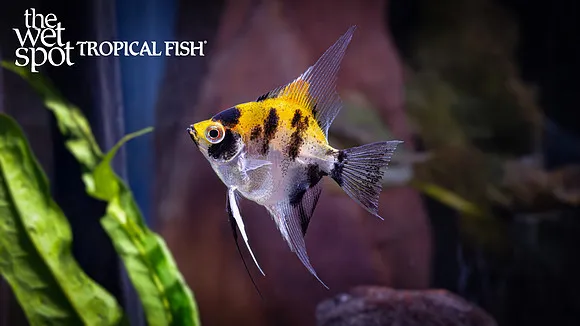
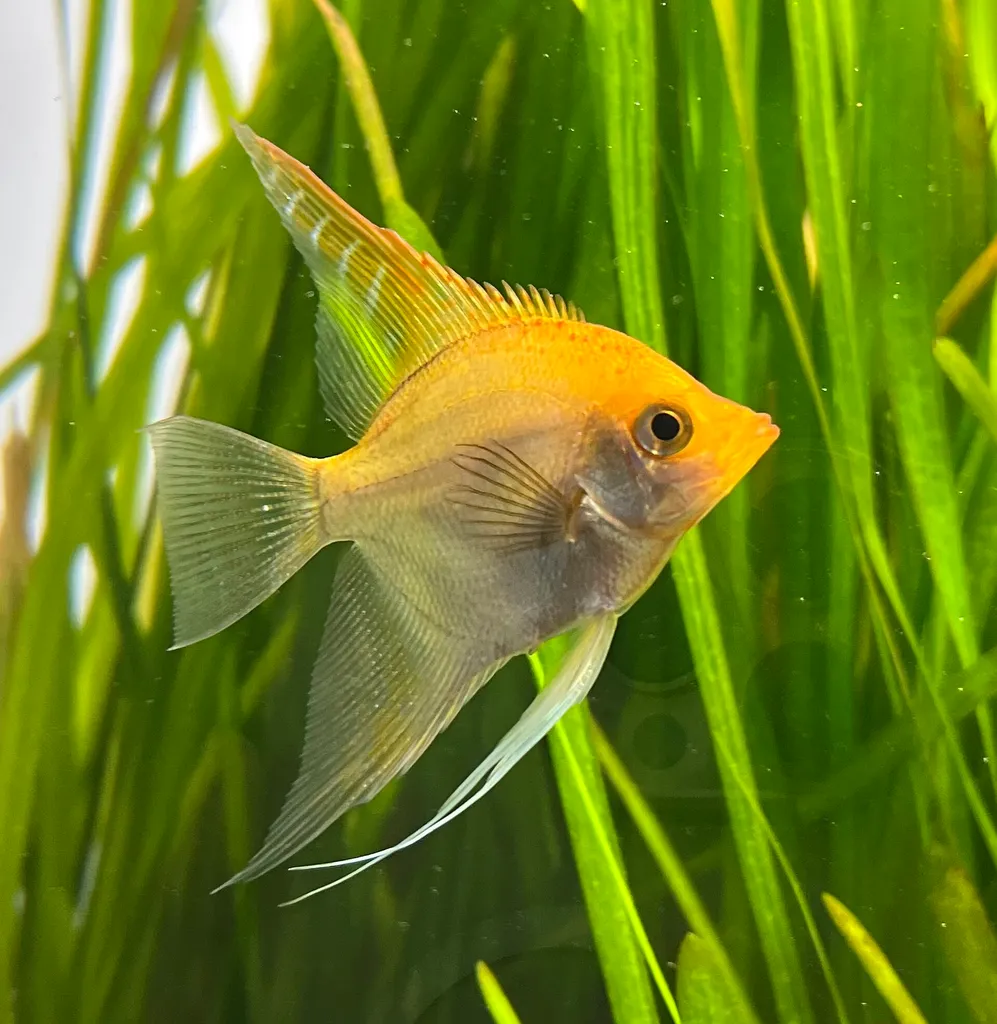
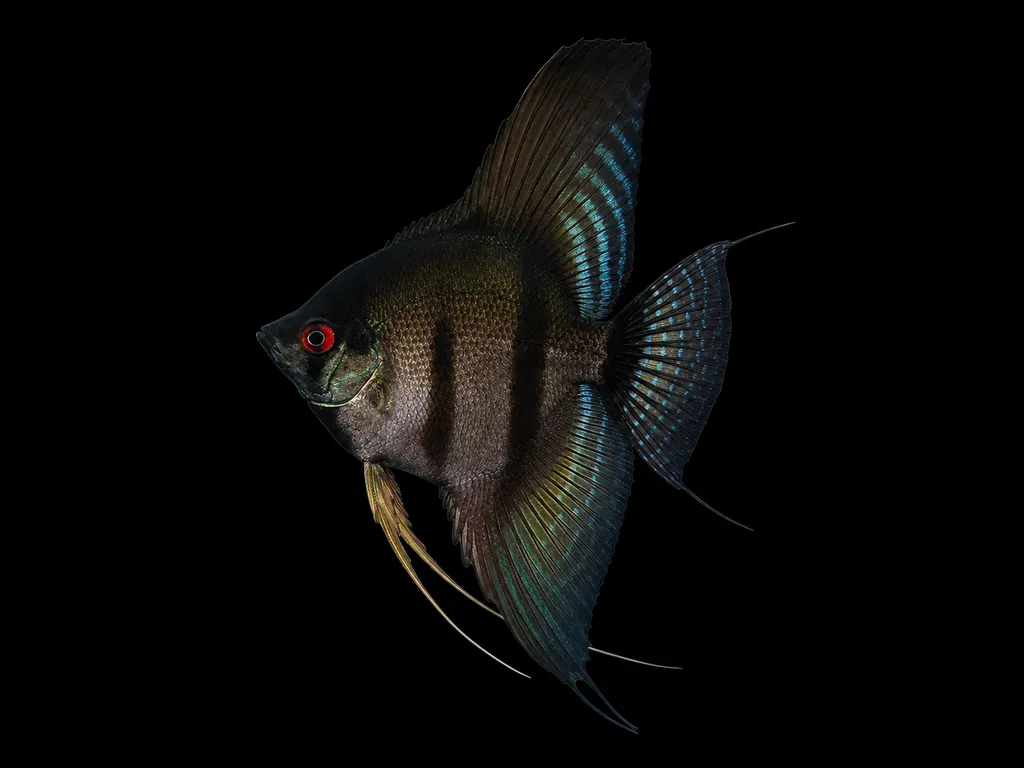
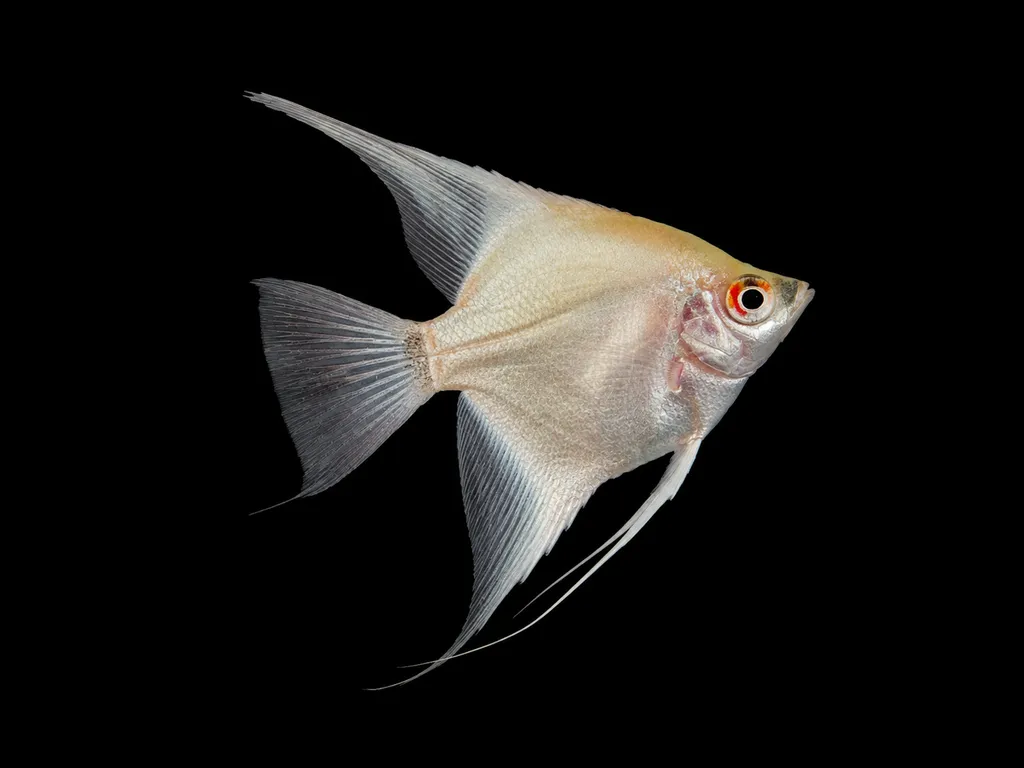
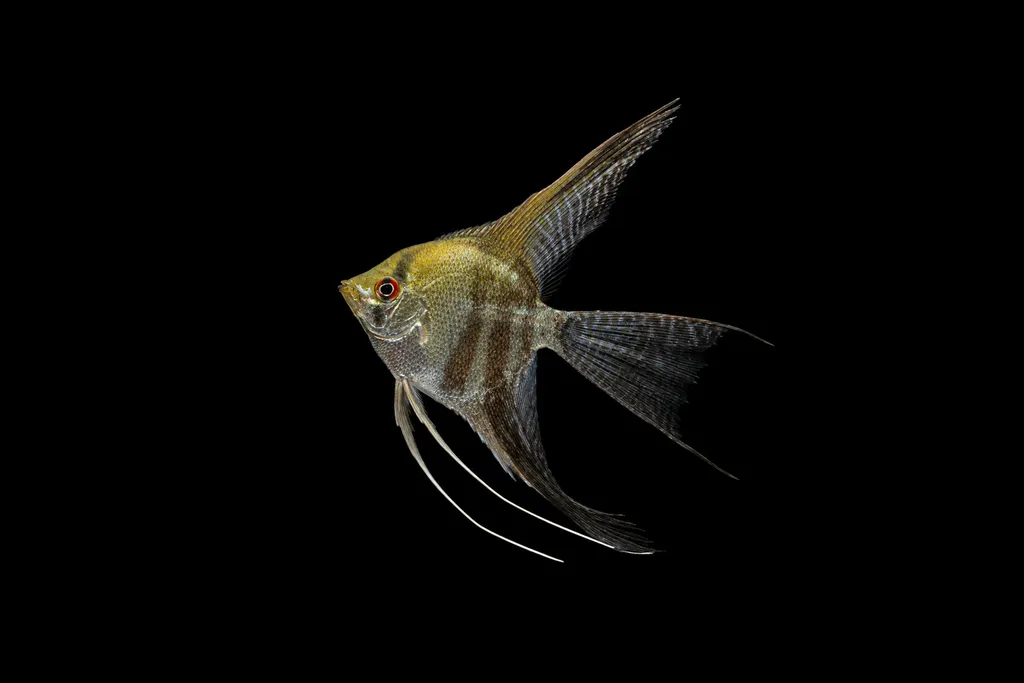
The platinum angelfish is a solid white fish with a metallic sheen and no bars. It often carries a blue or green cast that strengthens as it matures. It is mostly peaceful and easy to keep in a tall tank.
Did you know
The platinum angelfish's sheen is structural color rather than pigment, made by light bouncing off guanine crystals in the skin. That is why a platinum reads white, green or blue depending on the angle and the lighting. It is also why photographs of them rarely match the fish in the tank.
Caring for the platinum angelfish
Platinum angelfish are taller than they are long, so their tank needs height as well as at least 53 gal (200 L). Driftwood and broad-leaved plants give them vertical structure. Expect them to hold the middle of the tank.
The water should be warm, at 75 to 86°F (24 to 30°C), with a pH of 6.0 to 7.5. Feed quality flakes or pellets alongside frozen bloodworms and brine shrimp.
Platinum angelfish are mostly peaceful and fine on their own or in a group. As cichlids, they can still eat tiny fish such as small tetras. Keep fin-nippers away from them too.
They are substrate spawners, laying eggs on a vertical surface such as a broad leaf or a piece of slate. Pairs work together to guard the eggs, and a practiced pair will spawn again and again on the same leaf or slate.
Platinums are graded on how clean and even the sheen is, and buyers mark down fish that keep a yellow wash on the head. Juveniles already show the white, so you can judge a batch while the fish are young.
Good to know
The platinum angelfish is usually described as a gold angelfish that also carries two doses of the Philippine blue gene, written g/g pb/pb. Both genes are recessive, so a platinum needs two copies of each, and platinum bred to platinum comes true. The blue gene is what turns the gold body from yellow to white metal, and breeders describe its effect as strengthening with age. Fish carrying a single copy of the blue gene look like ordinary golds and pass it on unseen.
In the wild
The platinum angelfish is a combination of two hobby genes and has no wild counterpart. Ken Kennedy is credited with bringing the Philippine blue into the hobby from the Philippines. Platinum is one of the forms that came from pairing that gene with existing lines.
Weekly picks
Tank mates
The platinum angelfish is a mostly peaceful, social species that keeps to the middle. These picks share a community profile with it, are safe together in both directions, and overlap on water type, temperature and pH.
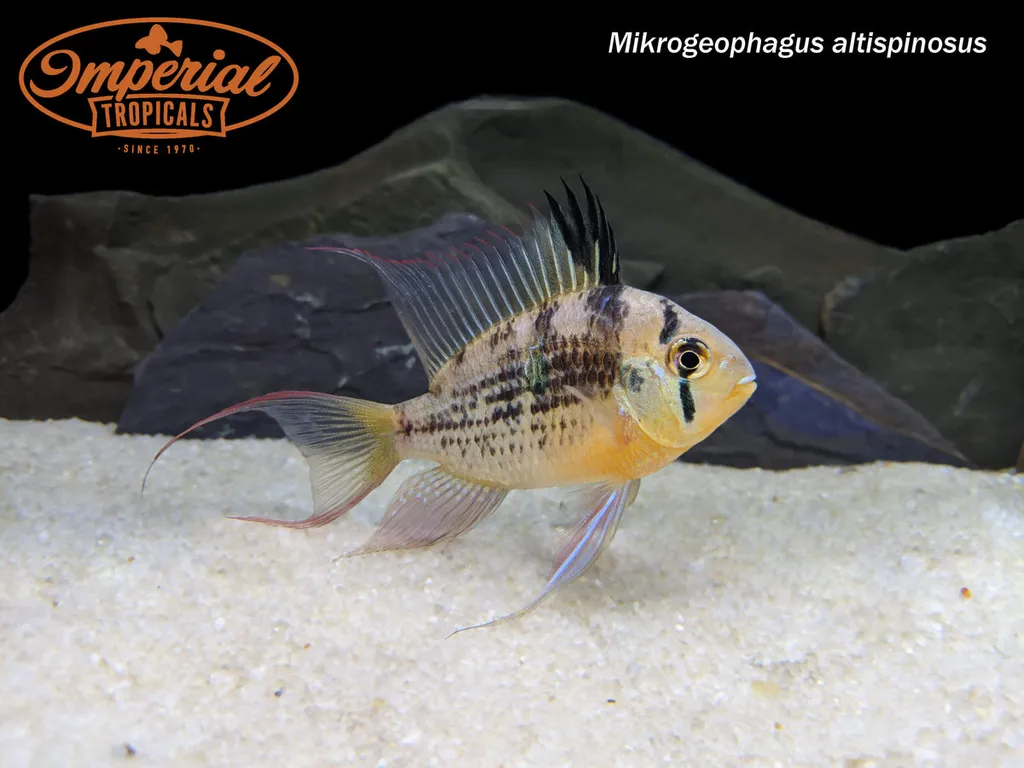
Bolivian ram
Mikrogeophagus altispinosus
Freshwater3.1 in (8 cm) · 45 gal (170 L)75–82°F (24–28°C)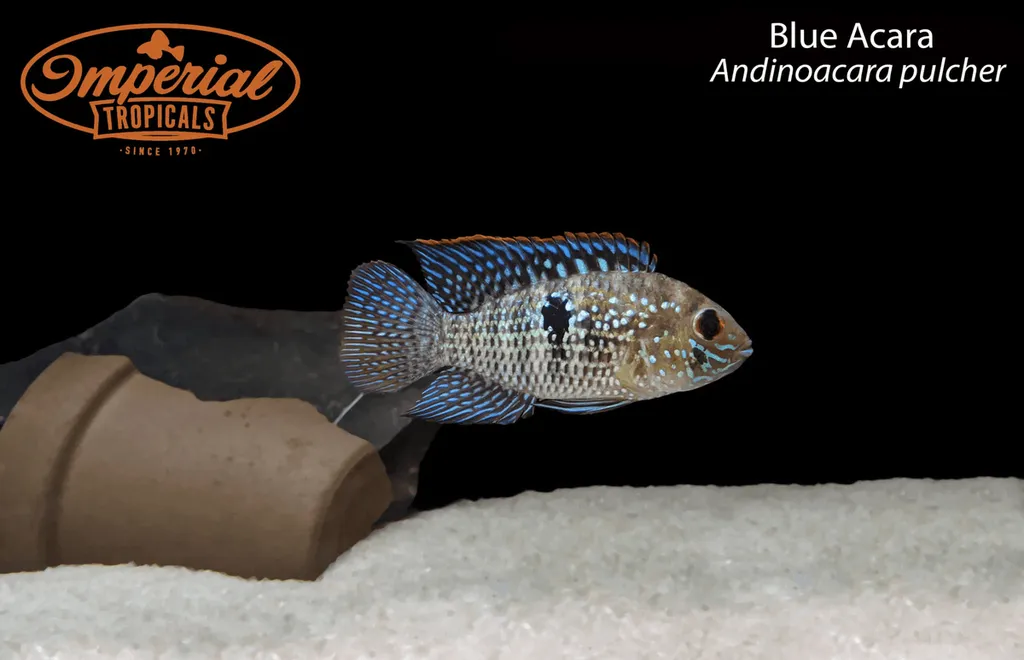
Blue acara
Andinoacara pulcher
Freshwater5.9 in (15 cm) · 42 gal (160 L)72–82°F (22–28°C)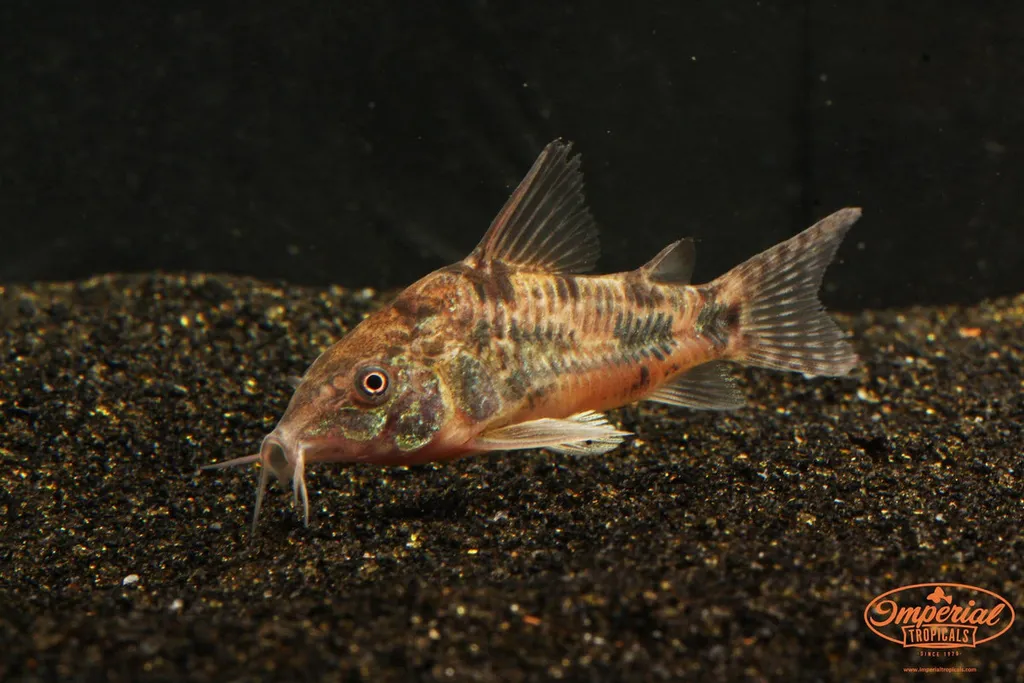
Peppered cory
Hoplisoma paleatum
Freshwater2.8 in (7 cm) · 21 gal (80 L)72–79°F (22–26°C)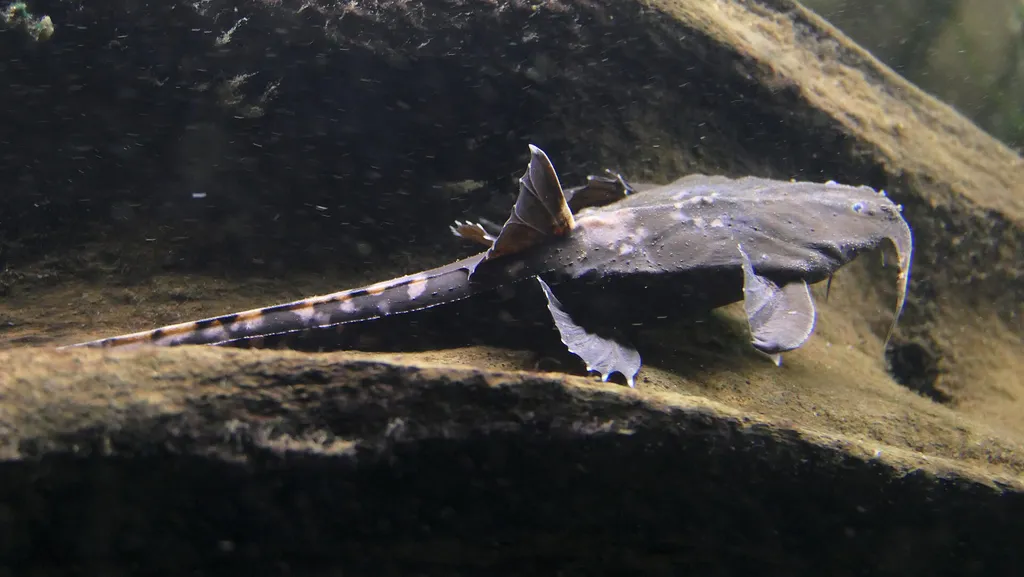
Whiptail banjo catfish
Platystacus cotylephorus
FreshwaterBrackish12.6 in (32 cm) · 53 gal (200 L)73–82°F (23–28°C)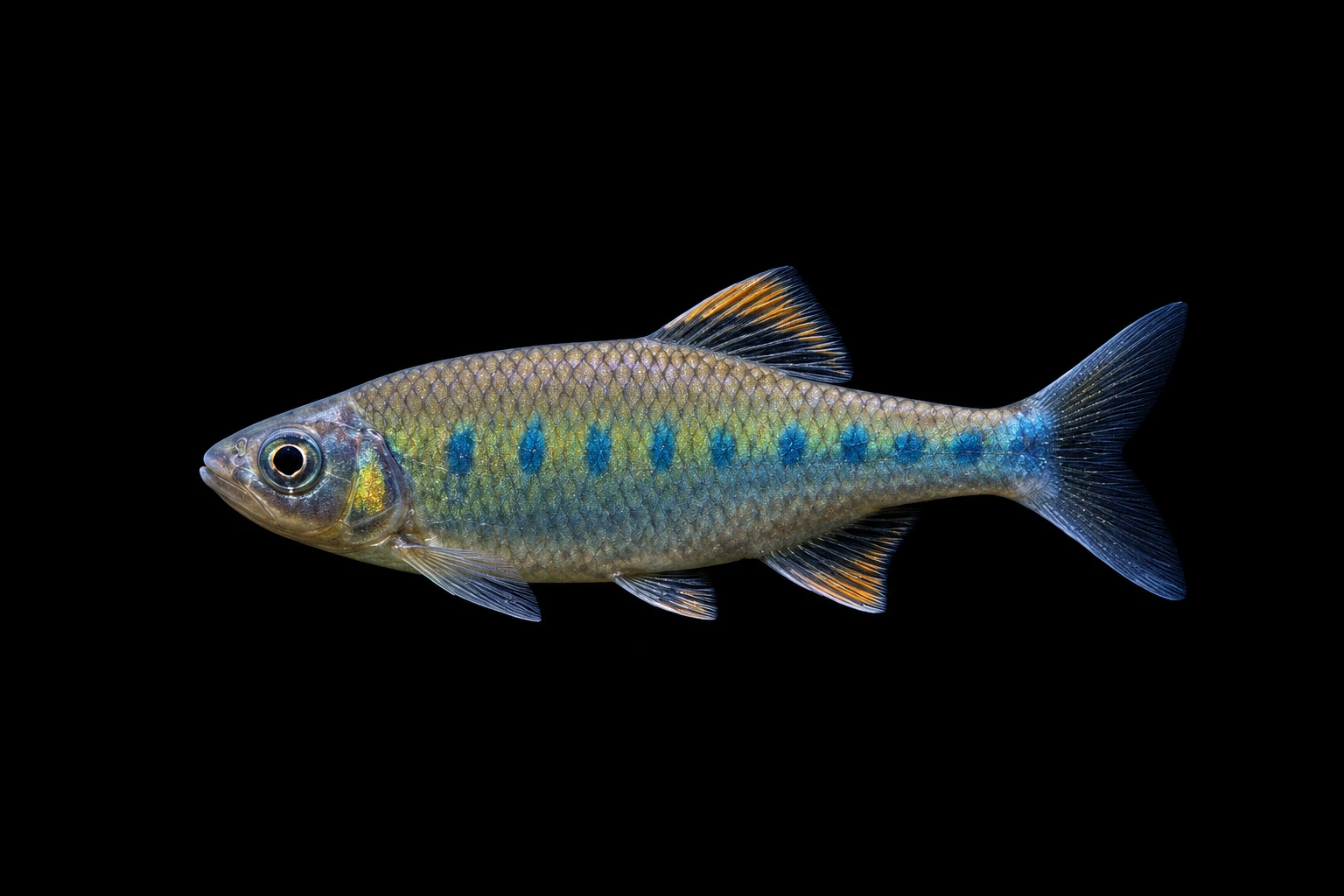
Blue spotted hill trout
Barilius bakeri
Freshwater5.1 in (13 cm) · 53 gal (200 L)64–79°F (18–26°C)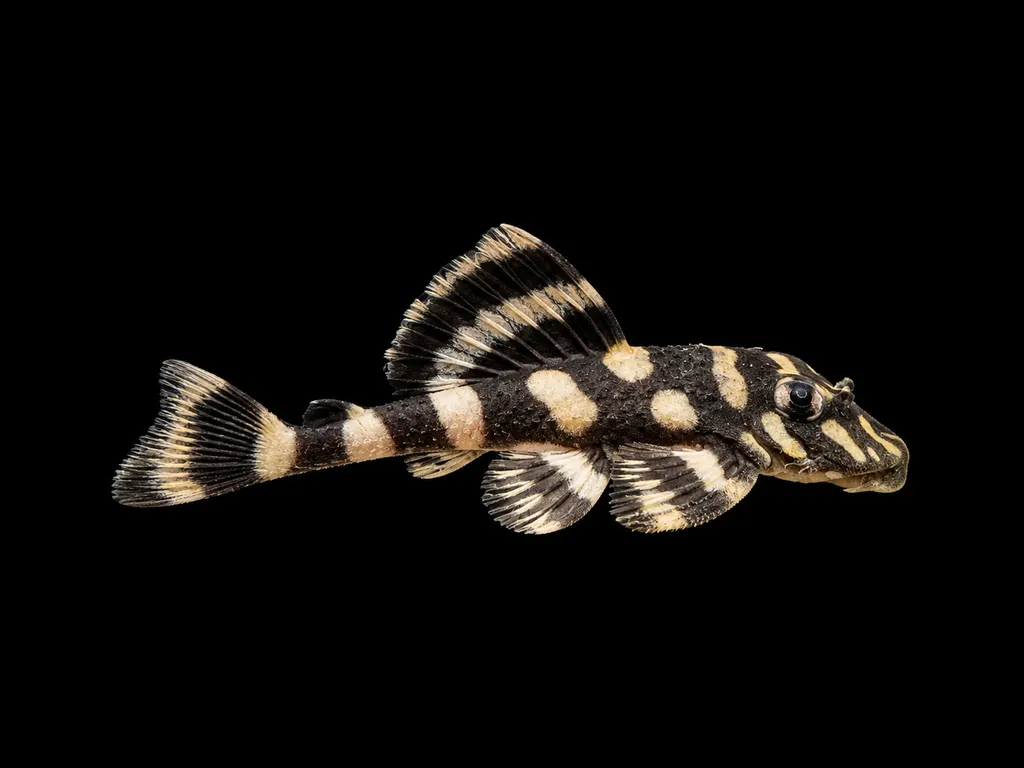
Atabapo butterfly pleco
Dekeyseria picta
Freshwater5.5 in (14 cm) · 53 gal (200 L)77–84°F (25–29°C)
Common questions
Is a platinum angelfish a different species from the angelfish?
No. A platinum angelfish is a variety of the angelfish, Pterophyllum scalare, and it wants the same tank, water and food as the species.
What size tank does a platinum angelfish need?
A platinum angelfish needs at least 53 gal (200 L). It spends most of its time in the middle.
What does a platinum angelfish eat?
A platinum angelfish eats quality flakes or pellets, along with frozen bloodworms and brine shrimp.
How big does a platinum angelfish get?
An adult platinum angelfish reaches about 5.9 in (15 cm).
How does a platinum angelfish breed?
Platinum angelfish are substrate spawners that lay eggs on a vertical surface, such as a broad leaf or slate. A pair guards the eggs together, and a practiced pair spawns on the same spot again and again.
Related species
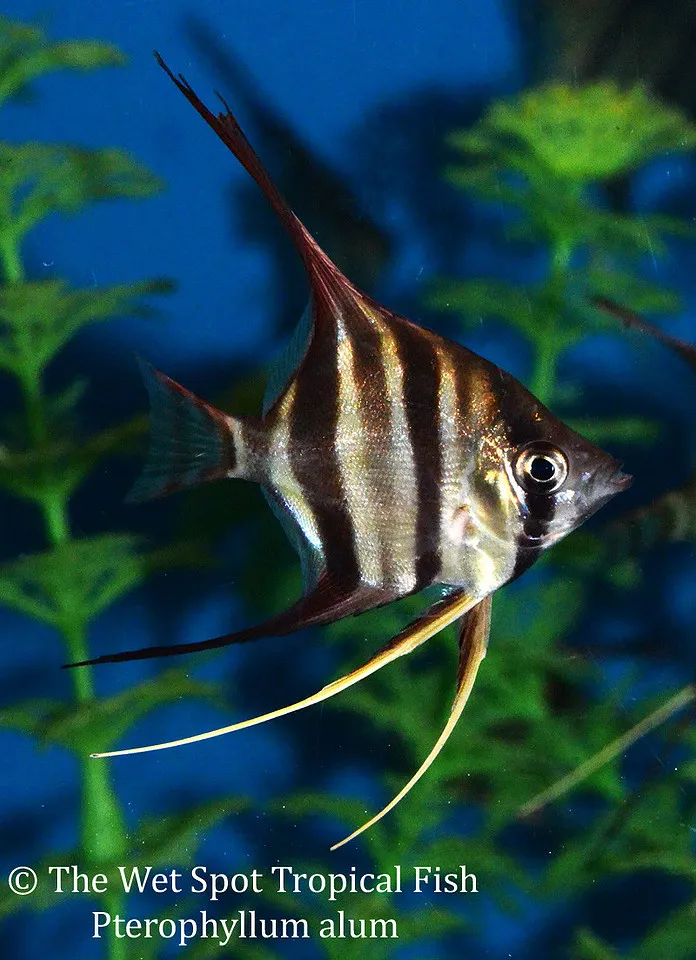 7.1 in (18 cm)79 gal (300 L)79–90°F (26–32°C)
Altum angelfish
Pterophyllum altum
7.1 in (18 cm) · 79 gal (300 L)
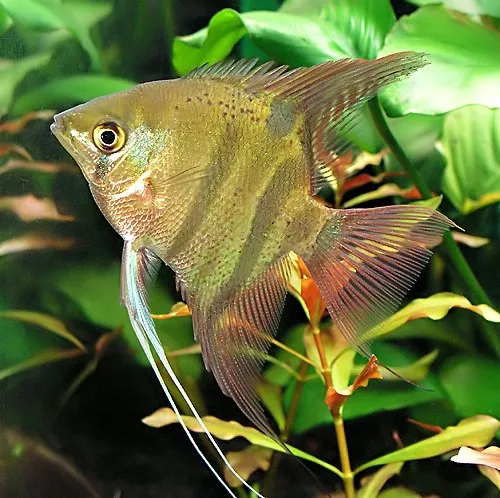 3.9 in (10 cm)30 gal (115 L)72–84°F (22–29°C)
Roman nose angelfish
Pterophyllum leopoldi
3.9 in (10 cm) · 30 gal (115 L)
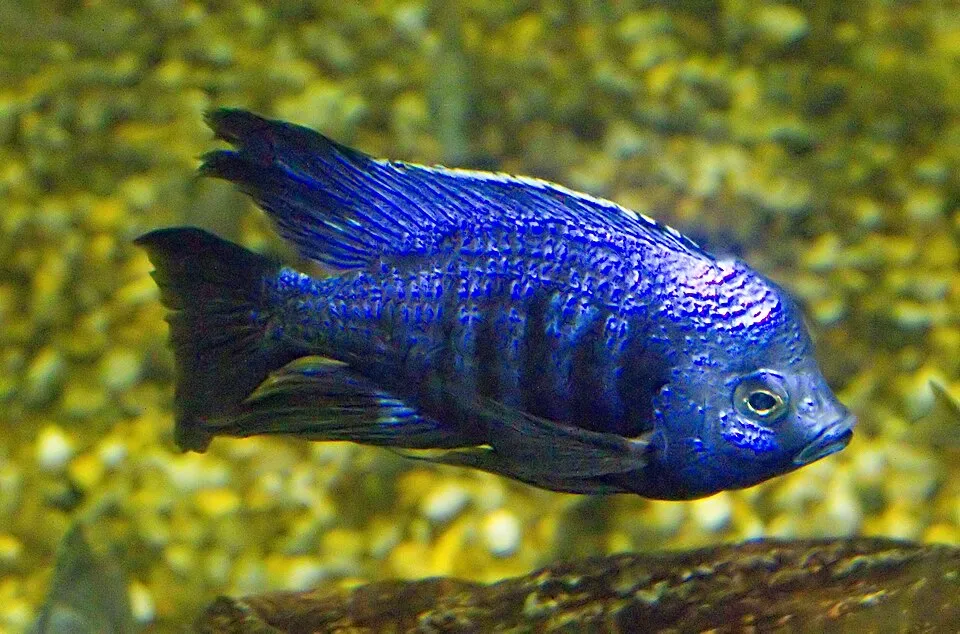 5.9 in (15 cm)79 gal (300 L)77–82°F (25–28°C)
Azureus
Copadichromis azureus
5.9 in (15 cm) · 79 gal (300 L)
- 5.9 in (15 cm)42 gal (160 L)72–82°F (22–28°C)
Blue acara
Andinoacara pulcher
5.9 in (15 cm) · 42 gal (160 L)
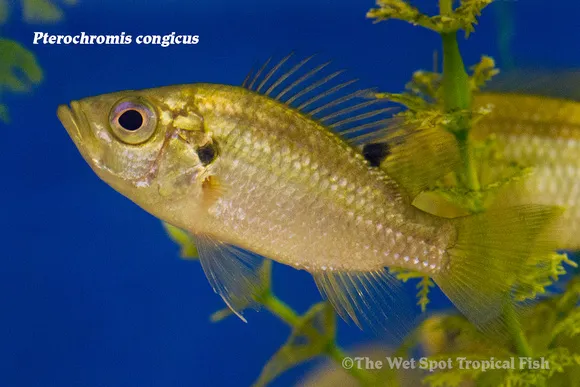 5.9 in (15 cm)79 gal (300 L)73–82°F (23–28°C)
Congicus pterochromis
Pterochromis congicus
5.9 in (15 cm) · 79 gal (300 L)
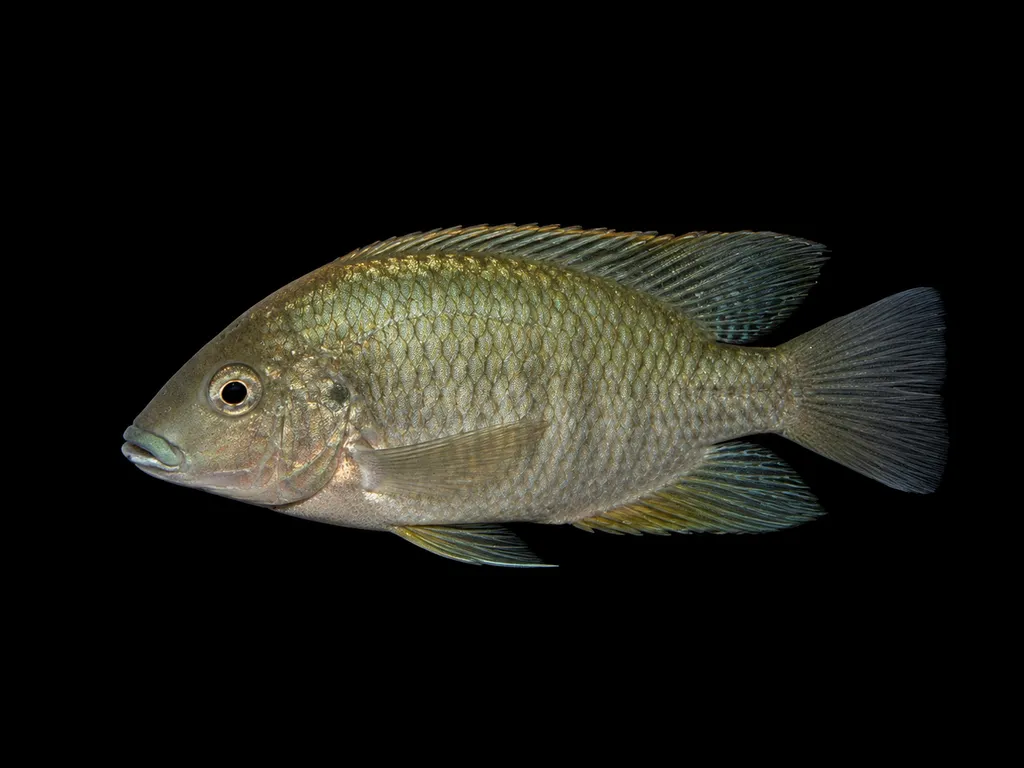 5.9 in (15 cm)66 gal (250 L)73–81°F (23–27°C)
Deepwater coptodon
Coptodon bythobates
5.9 in (15 cm) · 66 gal (250 L)