One species · 4 varieties
Oscar
Astronotus ocellatus
FreshwaterFish
Care at a glance
- Temperature
- 68–82°F
- 20–28°C
- pH
- 6.0–7.5
- Adult size
- 13.8 in
- 35 cm
- Minimum tank
- 95 gal
- 360 L
- Temperament
- Aggressive
- Social behavior
- Solitary
- Tankmates
- With caution
- Swim level
- Middle
- Difficulty
- Medium
- Breeding
- Hard
- Rarity
- Rare
- Family
- Cichlidae
- Origin
- South America
Pick a variety
One setup covers every line on this page: care is the species' care.
Overview
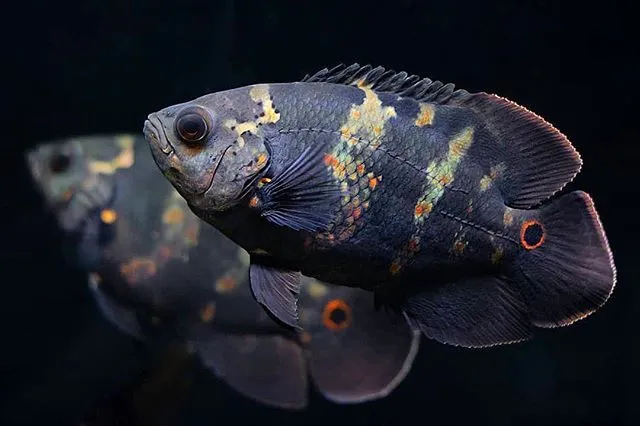
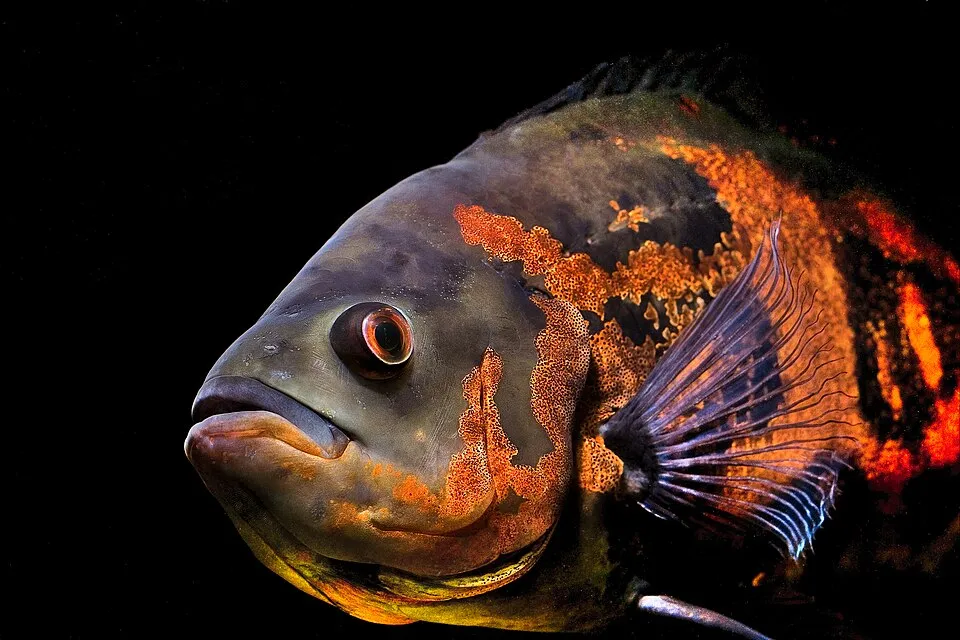
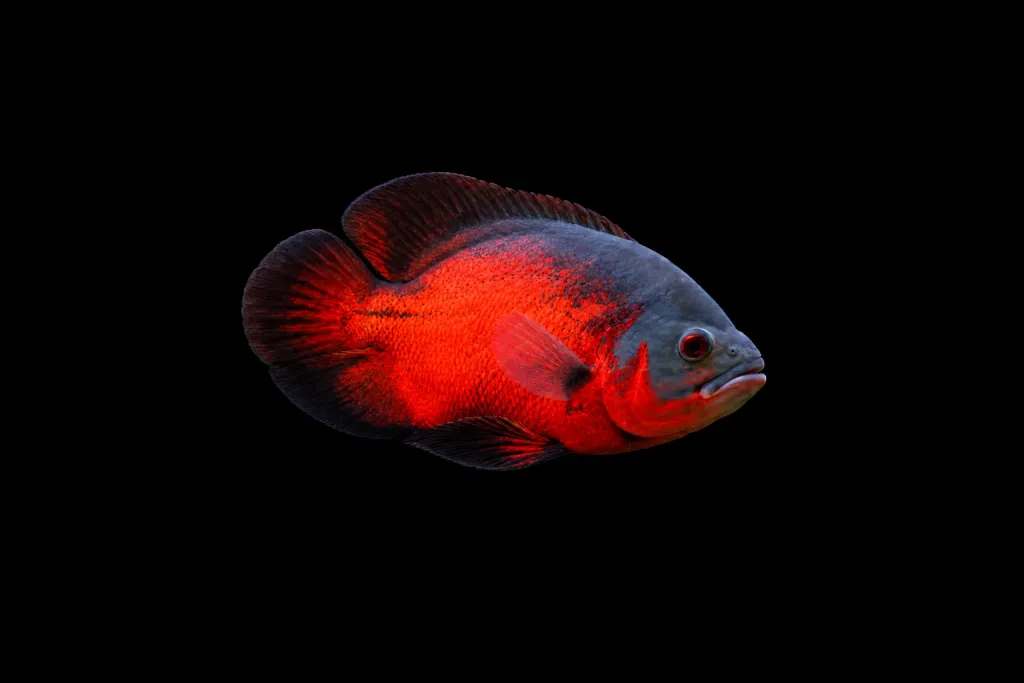
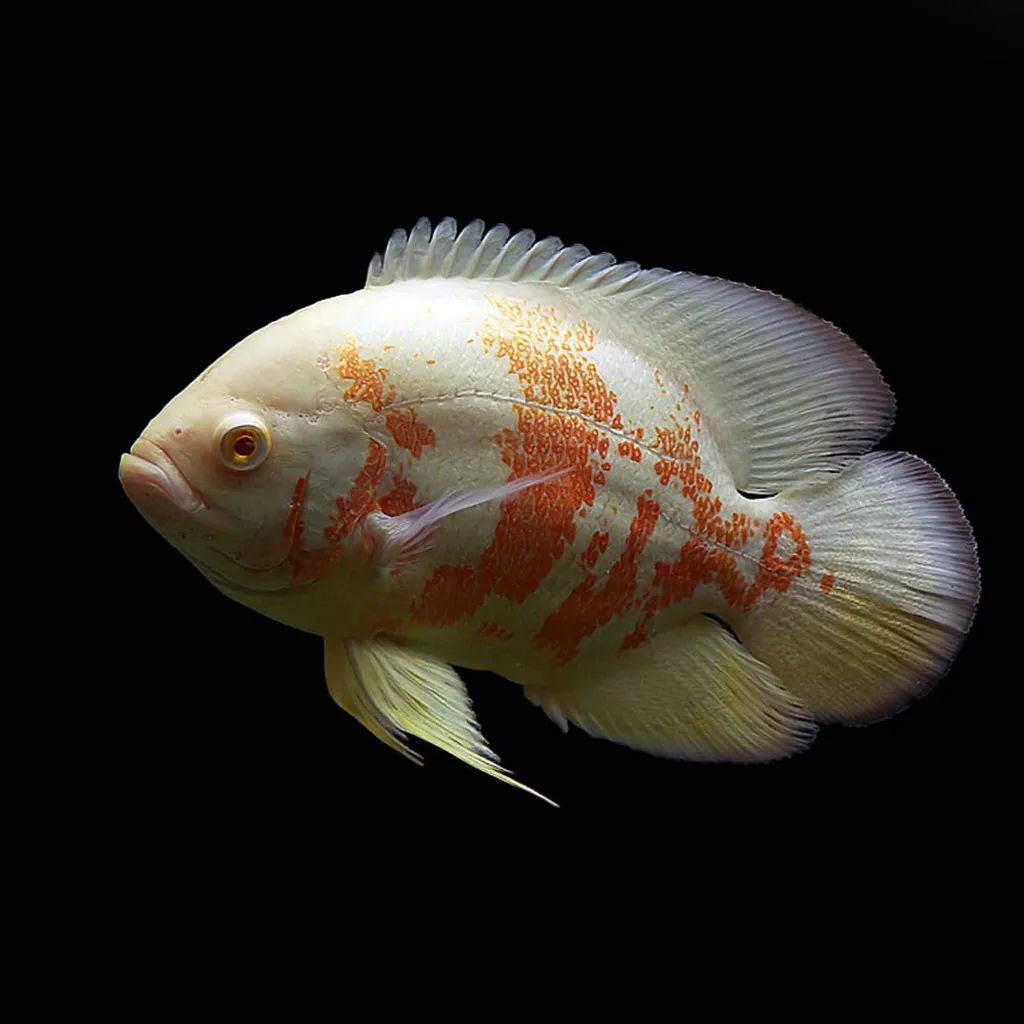
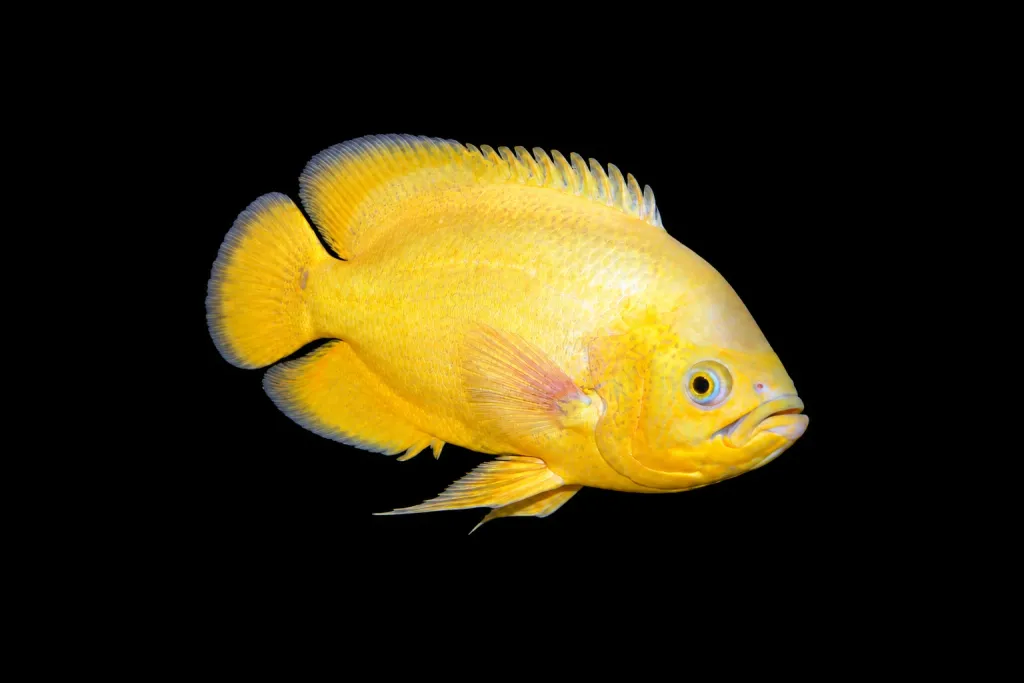
The oscar is a large, intelligent cichlid that is usually kept singly or as a bonded pair, and it is best given a tank of its own or shared only with big, sturdy tankmates. It is predatory and territorial, will swallow any fish small enough to fit in its mouth, and can bully companions, so anything kept with it must be too large to eat and able to hold its own. It is a heavy eater and a messy fish, so it needs strong filtration and regular large water changes to keep the water clean. Feed a quality cichlid pellet as the staple, with occasional prawn, mussel and earthworm, and avoid a diet of feeder fish or plain mammal meat. Expect it to rearrange the tank, so use a sandy floor and secure decor. Plan for at least 360 liters for a single adult.
In the wild
The oscar is widespread across the Amazon and other river systems of tropical South America, living in slow, warm waters among submerged wood and roots. It is adaptable but does best in soft to neutral water, with a pH of 6.0 to 7.5 and a temperature of 20 to 28 C. Because it is such a large and messy fish, the priority is a big volume of clean, well-filtered water rather than a detailed scape. A sandy floor, a few large pieces of driftwood and rounded rocks give it cover and interest, while plants are usually uprooted and so are best left out or kept potted and sturdy.
Good to know
Astronotus ocellatus belongs to the cichlid family, Cichlidae, and commonly reaches around 35 cm, sometimes more, growing quickly when well fed. It is named for the ocellus, the eye-like orange-ringed spot at the base of the tail, which is thought to deflect attacks away from the real eyes. It is a substrate spawner that cleans a flat rock and guards its eggs and fry as a pair. Breeding is hard mostly because of the size of the fish and the difficulty of pairing them, since mismatched adults can fight fiercely rather than spawn.
Did you know
Oscars are known for their personality and are often called wet pets. They learn to recognize their keeper, can be taught to take food from the hand, and will follow movement at the front of the tank, which is unusual for a fish.
Common questions
What size tank does an Oscar need?
An Oscar needs at least 95 gal (360 L). It spends most of its time in the middle.
What temperature and pH does an Oscar need?
An Oscar is comfortable at 68–82°F (20–28°C) with a pH of 6.0–7.5.
How big does an Oscar get?
An adult Oscar reaches about 13.8 in (35 cm).
Related species
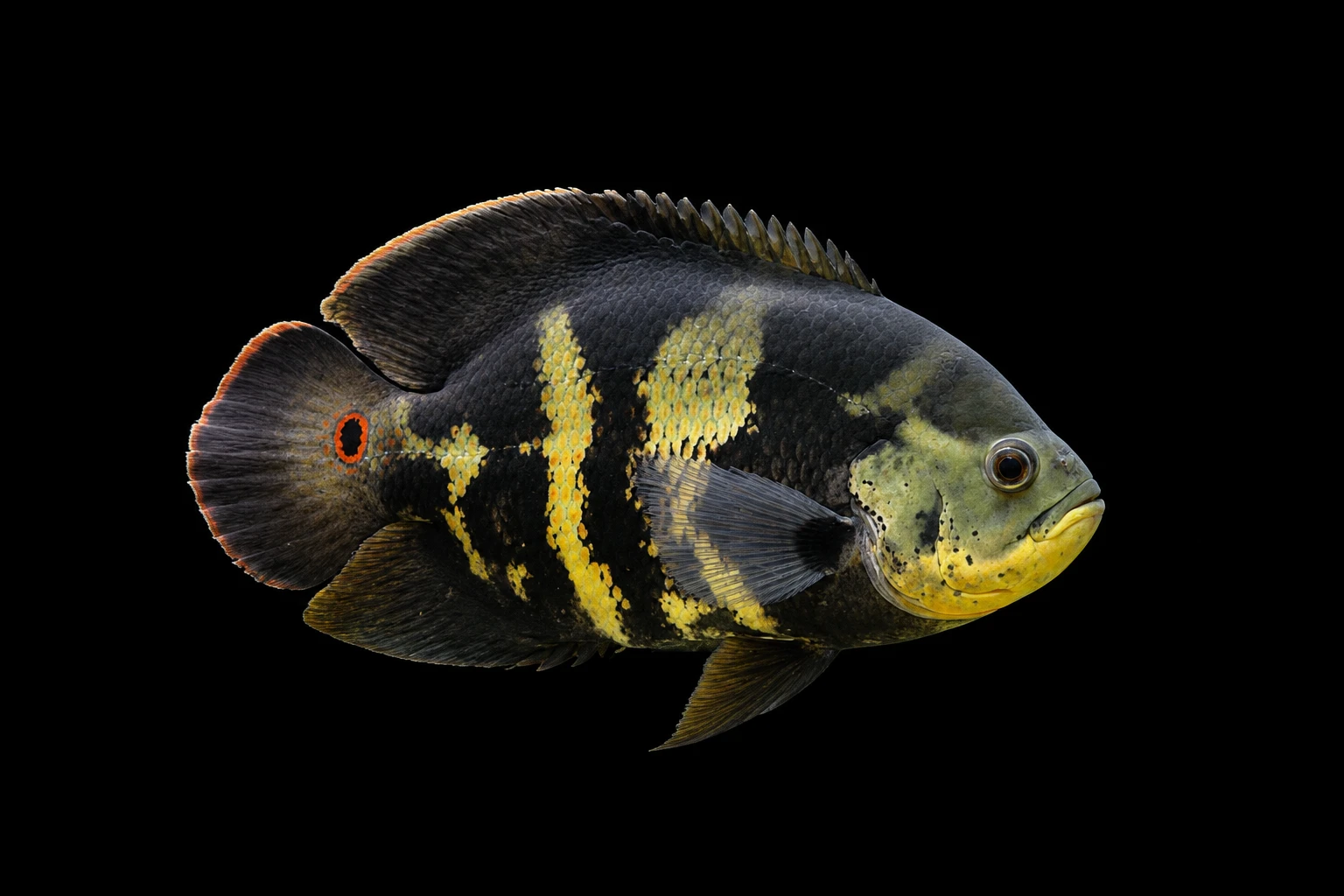 11.4 in (29 cm)132 gal (500 L)73–82°F (23–28°C)
Fat oscar
Astronotus crassipinnis
11.4 in (29 cm) · 132 gal (500 L)
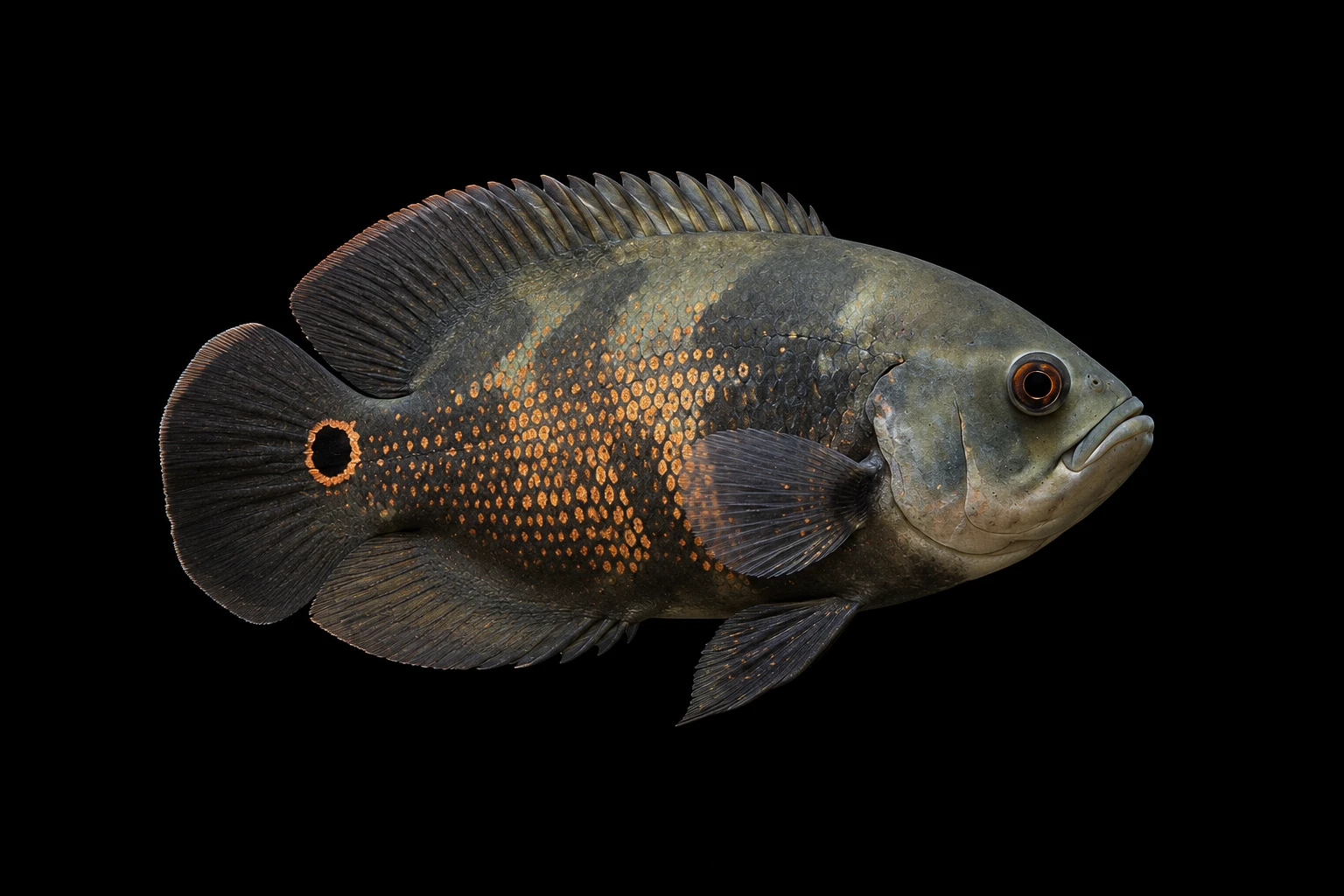 11.4 in (29 cm)132 gal (500 L)77–86°F (25–30°C)
Mikolji's oscar
Astronotus mikoljii
11.4 in (29 cm) · 132 gal (500 L)
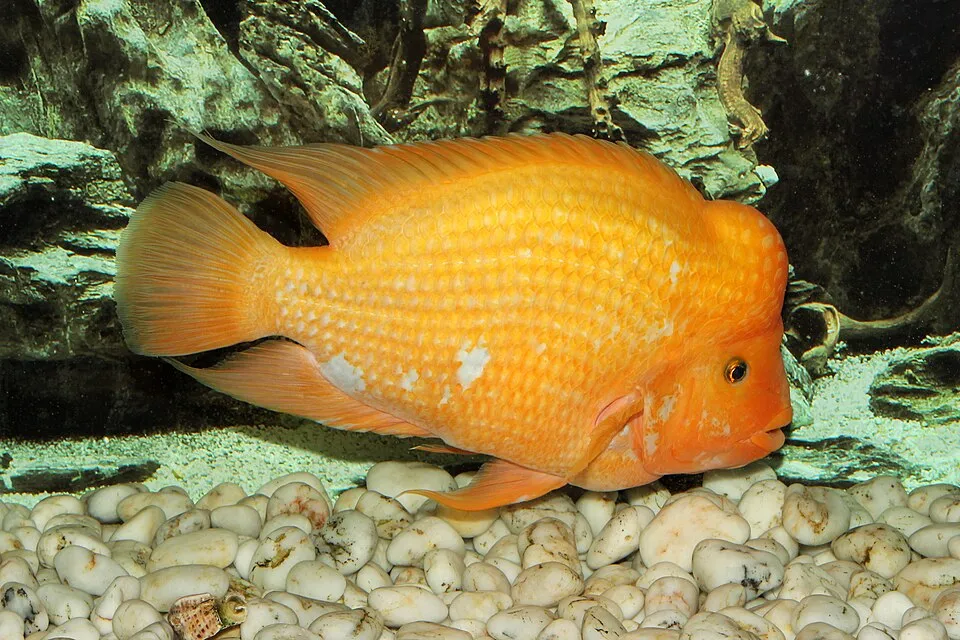 13.8 in (35 cm)79 gal (300 L)70–79°F (21–26°C)
Midas cichlid
Amphilophus citrinellus
13.8 in (35 cm) · 79 gal (300 L)
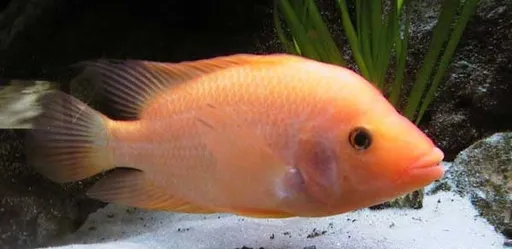 13.8 in (35 cm)75 gal (284 L)75–79°F (24–26°C)
Red devil cichlid
Amphilophus labiatus
13.8 in (35 cm) · 75 gal (284 L)
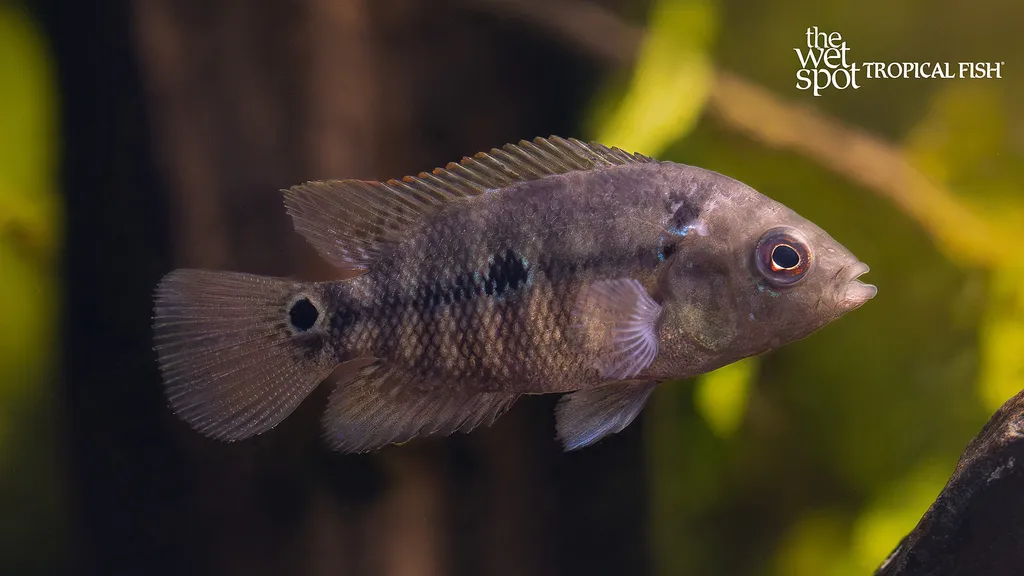 13.8 in (35 cm)90 gal (340 L)75–82°F (24–28°C)
Trimac cichlid
Amphilophus trimaculatus
13.8 in (35 cm) · 90 gal (340 L)
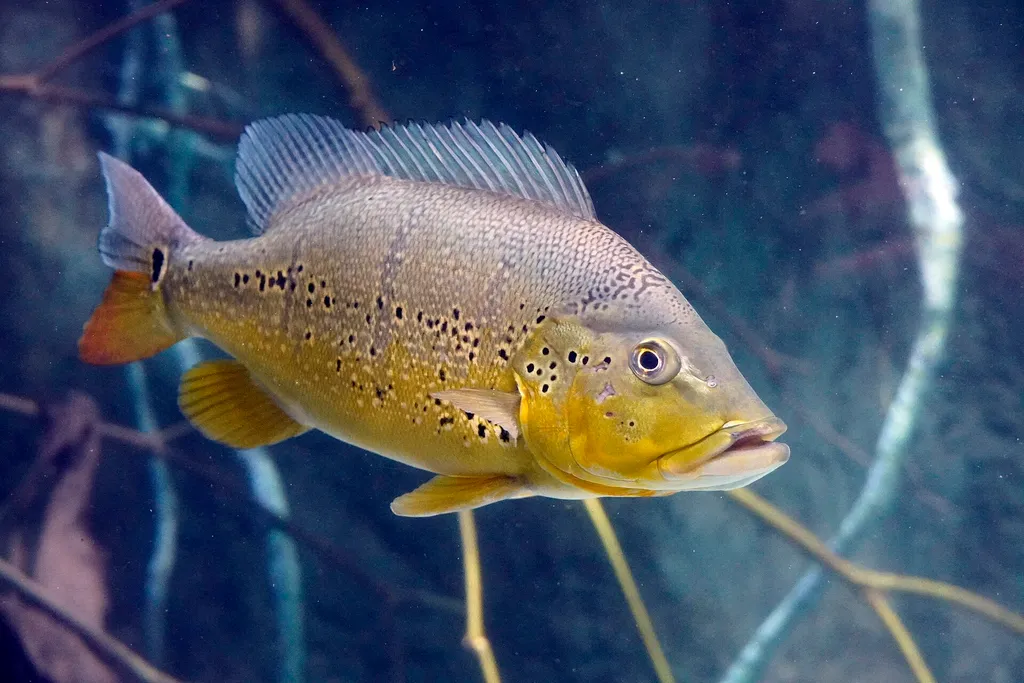 14.2 in (36 cm)317 gal (1,200 L)77–86°F (25–30°C)
Xingu peacock bass
Cichla melaniae
14.2 in (36 cm) · 317 gal (1,200 L)