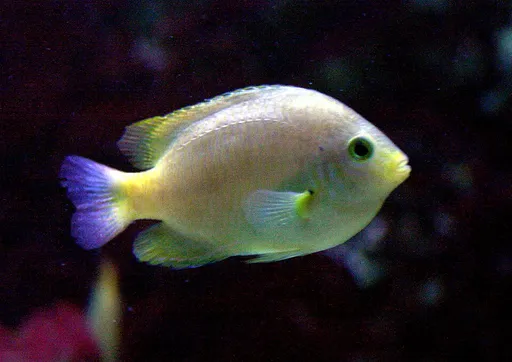
Lemon damsel
Pomacentrus moluccensis
Also known as Yellow Damselfish, Golden Damsel
SaltwaterFish
Care at a glance
- Temperature
- 75–81°F
- 24–27°C
- pH
- 8.1–8.4
- Adult size
- 3.5 in
- 9 cm
- Minimum tank
- 29 gal
- 110 L
- Temperament
- Mostly peaceful
- Social behavior
- Social
- Tankmates
- With caution
- Swim level
- Middle
- Diet
- Omnivore
- Difficulty
- Easy
- Breeding
- Substrate spawner · Medium
- Rarity
- Very common
- Reef safe
- Reef safe
- Family
- Pomacentridae
- Origin
- Indo-Pacific reefs
Overview
The lemon damsel has a calmer reputation than most damsels, and it is easy to keep. It is often recommended as one of the better-behaved choices for a mixed reef community.
Did you know
A startled lemon damsel can fade from bright solid yellow to a pale, blotchy color within moments. It is a quick camouflage response, and the yellow comes back once the danger passes.
Caring for the lemon damsel
Give lemon damsels a tank of at least 29 gal (110 L), with live rock that has real gaps to shelter in. In a reef tank a lemon damsel will often shelter among Acropora branches, just as it would on a wild reef. It is completely safe around coral and invertebrates.
Keep the water at 75 to 81°F (24 to 27°C), with a pH of 8.1 to 8.4. Feed a diet built around algae and herbivore preparations, along with some frozen mysis or brine shrimp. Much of its bright yellow comes from carotenoid pigments picked up through its diet. A food-poor tank can leave captive fish looking washed out next to wild ones.
Once settled in, a lemon damsel can turn territorial, particularly toward other yellow or similarly shaped fish. It rarely goes out of its way to harass slow or peaceful tank mates the way a Dascyllus will.
Lemon damsels follow the standard damsel pattern of demersal eggs, which the male guards. Breeding them takes some experience.
Good to know
The lemon damsel, Pomacentrus moluccensis, belongs to the damselfish family Pomacentridae. It is also sold as the yellow damselfish or the golden damsel. Commercial marine fish farms now produce captive-bred stock regularly.
In the wild
The lemon damsel is found across the Western Pacific, from the Andaman Sea to Fiji and north to the Ryukyu Islands. It typically lives in clear lagoons and on reef slopes with plenty of branching coral to duck into. It forages during the day on algae and small planktonic invertebrates just above the reef, then retreats to cover at night.
Common questions
What size tank does a lemon damsel need?
A lemon damsel needs at least 29 gal (110 L). It spends most of its time in the middle.
What temperature and pH does a lemon damsel need?
A lemon damsel is comfortable at 75–81°F (24–27°C) with a pH of 8.1–8.4.
What does a lemon damsel eat?
A lemon damsel eats a diet built around algae and herbivore preparations, plus some frozen mysis or brine shrimp. Good food keeps its yellow bright, since much of the color comes from carotenoid pigments in its diet.
How big does a lemon damsel get?
An adult lemon damsel reaches about 3.5 in (9 cm).
How does a lemon damsel breed?
Lemon damsels lay demersal eggs in the standard damsel pattern, and the male guards them. Breeding them takes some experience.
Related species
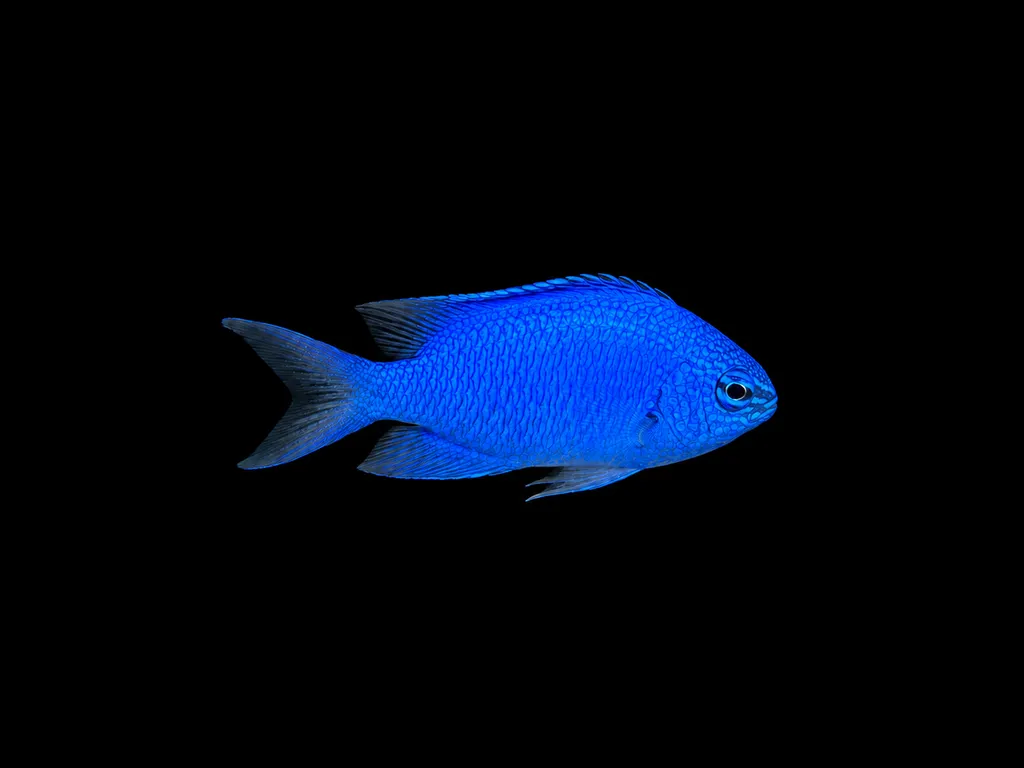 3.3 in (8.5 cm)29 gal (110 L)75–82°F (24–28°C)
Sapphire damsel
Pomacentrus pavo
3.3 in (8.5 cm) · 29 gal (110 L)
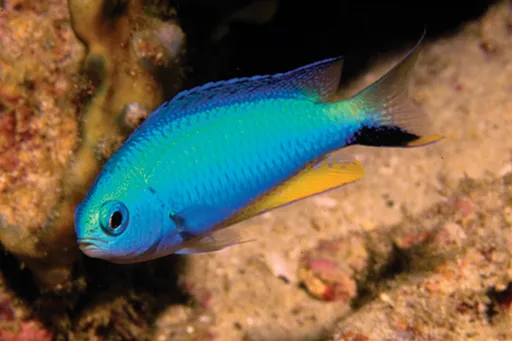 2.4 in (6 cm)29 gal (110 L)75–81°F (24–27°C)
Allen's damsel
Pomacentrus alleni
2.4 in (6 cm) · 29 gal (110 L)
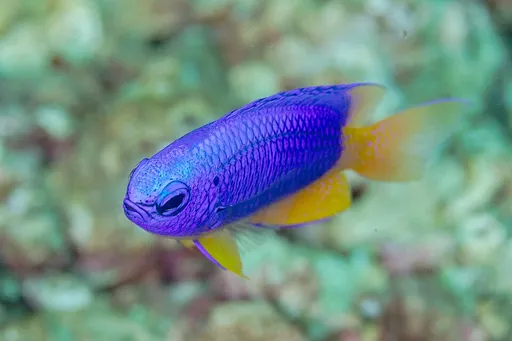 3.5 in (9 cm)29 gal (110 L)75–81°F (24–27°C)
Neon damselfish
Pomacentrus coelestis
3.5 in (9 cm) · 29 gal (110 L)
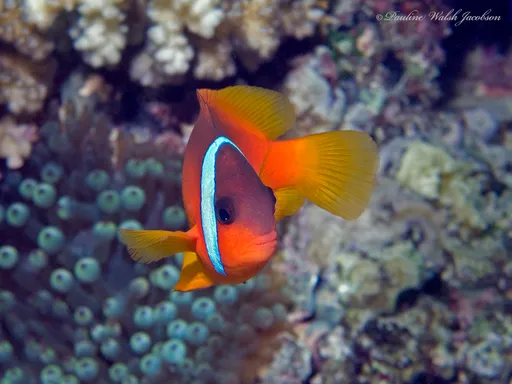 3.5 in (9 cm)30 gal (115 L)75–81°F (24–27°C)
Barberi clownfish
Amphiprion barberi
3.5 in (9 cm) · 30 gal (115 L)
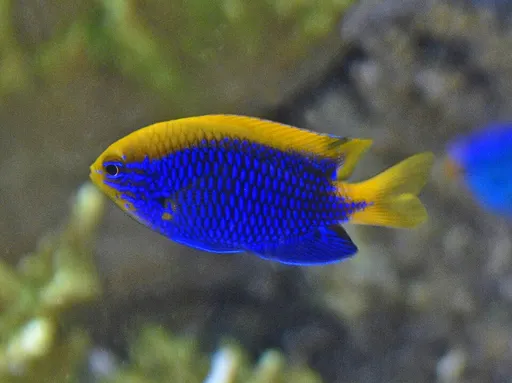 3.5 in (9 cm)29 gal (110 L)73–81°F (23–27°C)
Starck's damsel
Chrysiptera starcki
3.5 in (9 cm) · 29 gal (110 L)
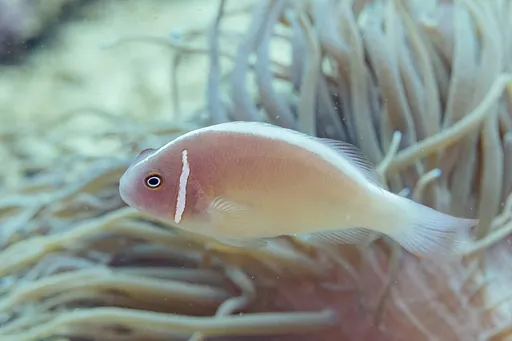 3.9 in (10 cm)30 gal (115 L)75–82°F (24–28°C)
Pink skunk clownfish
Amphiprion perideraion
3.9 in (10 cm) · 30 gal (115 L)