Tor mahseer
Tor tor
Also known as Red-finned mahseer, Red tail mahseer, Tor barb
FreshwaterFish
Care at a glance
- Temperature
- 61–77°F
- 16–25°C
- pH
- 6.5–7.8
- Adult size
- 59.1 in
- 150 cm
- Minimum tank
- 502 gal
- 1,900 L
- Temperament
- Mostly peaceful
- Social behavior
- Schooling
- Swim level
- Middle
- Diet
- Omnivore
- Difficulty
- Difficult
- Breeding
- No record
- Rarity
- Rare
- Family
- Cyprinidae
- Origin
- Himalayan foothill rivers, South Asia
Overview
The Tor mahseer is a giant schooling river fish and a lifelong, institution-scale commitment. It belongs in an indoor pond or public-aquarium system rather than a home tank, and it is for experienced keepers.
Did you know
The Tor mahseer wears some of the largest scales of any freshwater fish, with single scales reaching around ten centimeters across. They are big enough to armor the flank of a fish that can grow to the size of a person.
Caring for the Tor mahseer
Plan on 502 gal (1,900 L) only as a bare starting volume for a young Tor mahseer, with far more needed as it grows. It cruises the open middle water and needs enormous length. Lay rock and gravel on the bottom and leave vast open swimming distance.
Give it strong current and pristine, cool, oxygen-rich water, at 61 to 77°F (16 to 25°C) and a pH of 6.5 to 7.8. Keep it cooler in winter. Feed meaty and vegetable foods, such as large sinking pellets, prawn, mussel, earthworms, fruit and greens.
Tor mahseer are schooling fish, so keep them in a group. A Tor mahseer is mostly peaceful for its size and will not hunt fish it cannot swallow. It dwarfs almost any tank mate, though, so companions must be very large and equally hardy.
In the wild it moves upstream on the monsoon floods to spawn. It is spawned commercially for stocking, but it is not bred in home aquariums.
Good to know
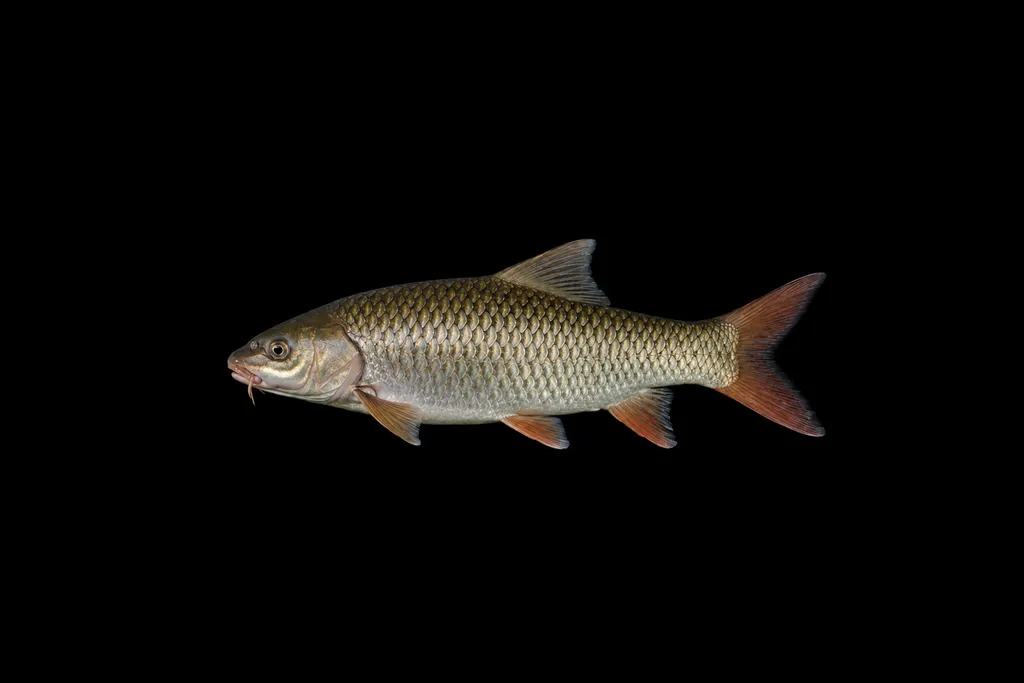
Tor tor is the type species of the mahseer genus, Tor, in the carp family, Cyprinidae. It is known as the red-finned mahseer for its coppery-red fins over golden, heavily armored scales. Historic records credit fish to around two meters, though a modern adult of half that is already a very large fish. It commonly matures near 36 centimeters. It is a prized game and food fish.
In the wild
The Tor mahseer runs the fast, rocky foothill rivers of the Himalayan drainage, across India, Nepal, Bhutan, Bangladesh and Pakistan. It schools and migrates through these rivers.
Weekly picks
Tank mates
The Tor mahseer is a mostly peaceful, schooling species that keeps to the middle. These picks share a community profile with it, are safe together in both directions, and overlap on water type, temperature and pH.
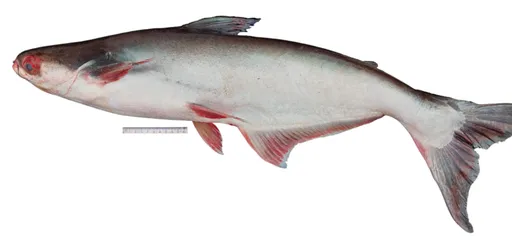
Iridescent shark
Pangasianodon hypophthalmus
Freshwater39.4 in (100 cm) · 528 gal (2,000 L)72–79°F (22–26°C)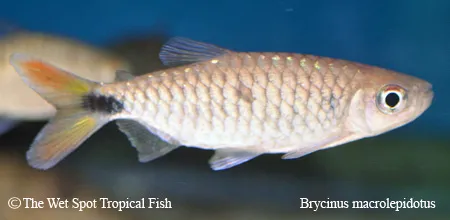
Red-tail brycinus
Brycinus macrolepidotus
Freshwater20.9 in (53 cm) · 264 gal (1,000 L)73–82°F (23–28°C)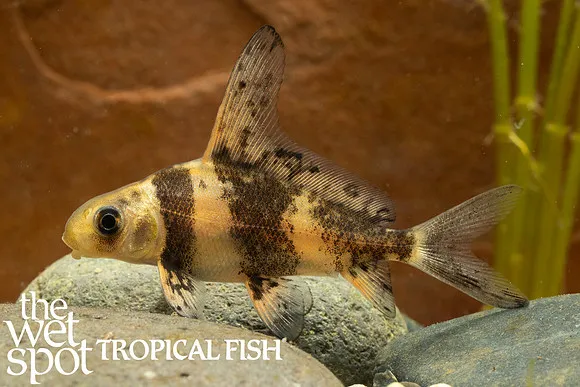
Chinese high-fin banded shark
Myxocyprinus asiaticus
Freshwater26.8 in (68 cm) · 528 gal (2,000 L)57–75°F (14–24°C)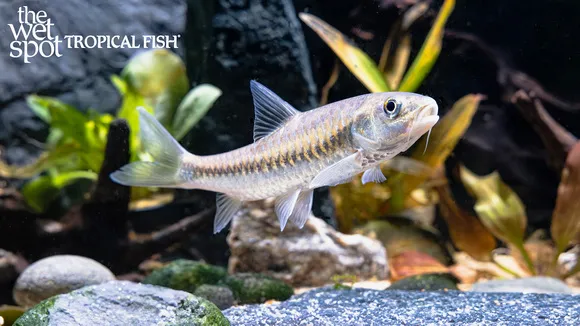
Stracheyi mahseer
Neolissochilus stracheyi
Freshwater23.6 in (60 cm) · 238 gal (900 L)64–79°F (18–26°C)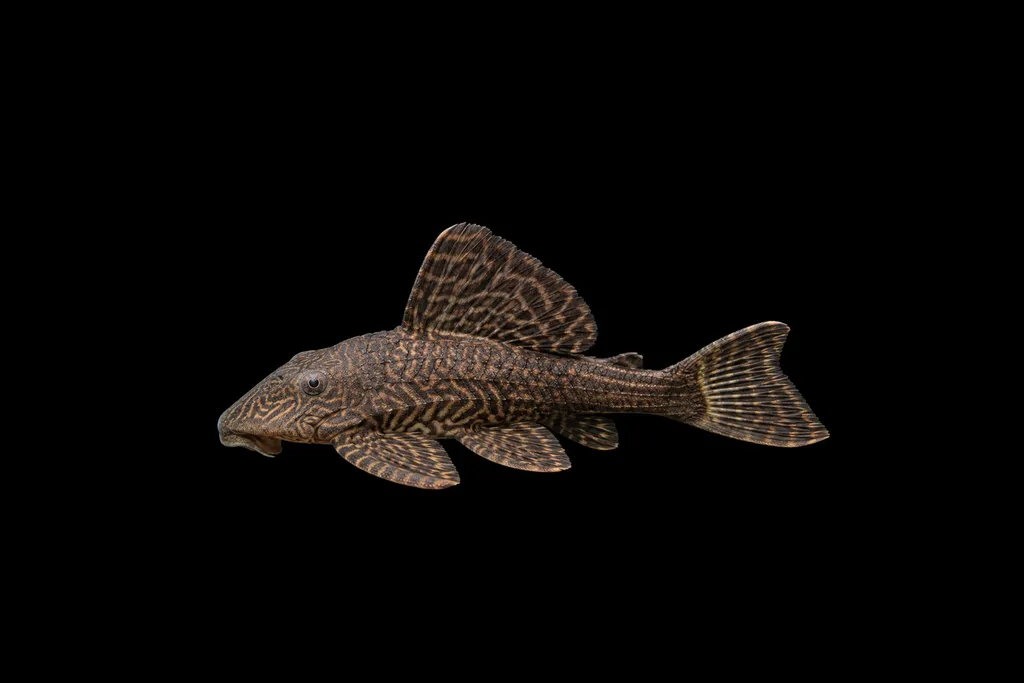
Volkswagen pleco
Panaque schaeferi
Freshwater23.6 in (60 cm) · 264 gal (1,000 L)77–84°F (25–29°C)
Common questions
What size tank does a Tor mahseer need?
A Tor mahseer needs at least 502 gal (1,900 L). It spends most of its time in the middle.
What temperature and pH does a Tor mahseer need?
A Tor mahseer is comfortable at 61–77°F (16–25°C) with a pH of 6.5–7.8.
What does a Tor mahseer eat?
A Tor mahseer eats meaty and vegetable foods. Offer large sinking pellets, prawn, mussel, earthworms, fruit and greens.
How big does a Tor mahseer get?
An adult Tor mahseer reaches about 59.1 in (150 cm).
Does a Tor mahseer need a group?
Yes. A Tor mahseer is a schooling species and should be kept in a group, not singly.
How does a Tor mahseer breed?
Tor mahseer move upstream on the monsoon floods to spawn in the wild. They are spawned commercially for stocking, but not in home aquariums.
Related species
 39.4 in (100 cm)502 gal (1,900 L)64–79°F (18–26°C)
Deccan mahseer
Tor khudree
39.4 in (100 cm) · 502 gal (1,900 L)
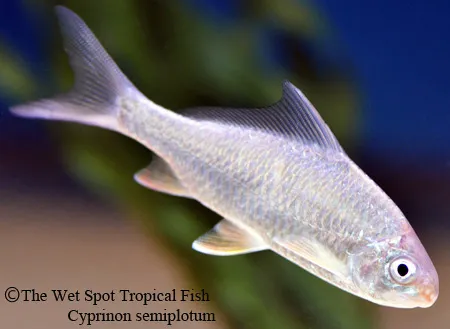 23.6 in (60 cm)396 gal (1,500 L)61–77°F (16–25°C)
Emperor round-face barb
Cyprinion semiplotum
23.6 in (60 cm) · 396 gal (1,500 L)
- 23.6 in (60 cm)238 gal (900 L)64–79°F (18–26°C)
Stracheyi mahseer
Neolissochilus stracheyi
23.6 in (60 cm) · 238 gal (900 L)
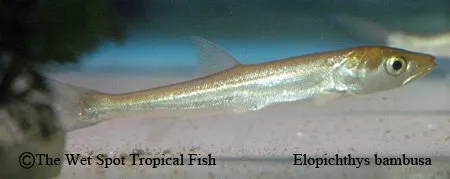 78.7 in (200 cm)5,283 gal (20,000 L)59–77°F (15–25°C)
Yellowcheek
Elopichthys bambusa
78.7 in (200 cm) · 5,283 gal (20,000 L)
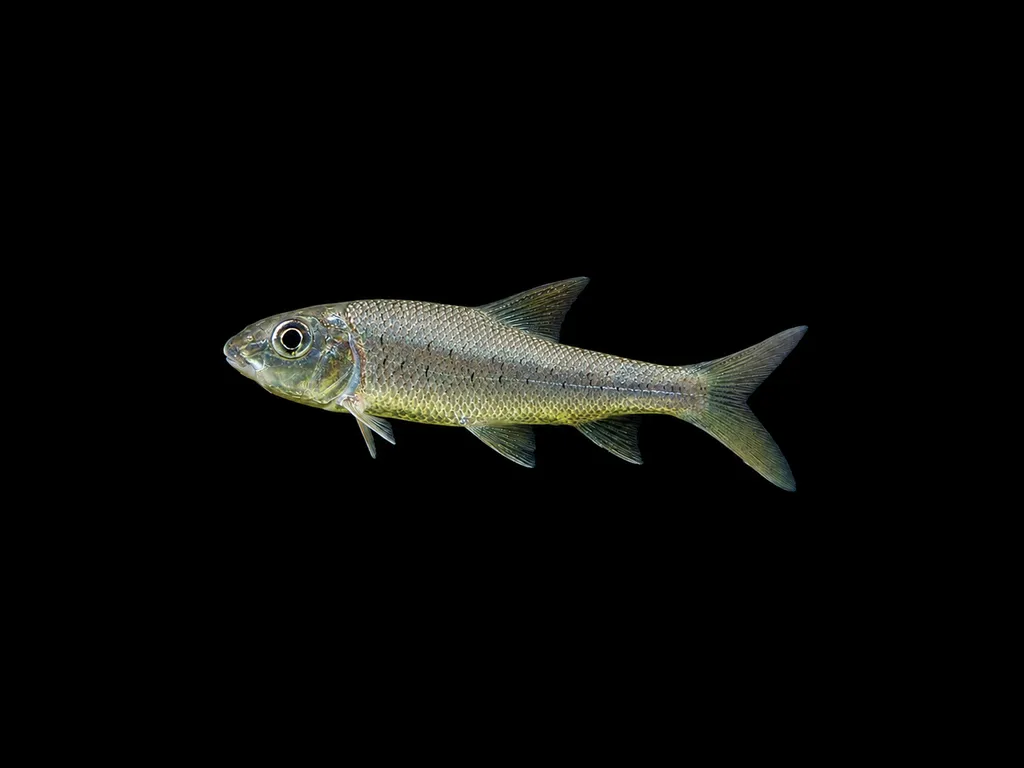 19.7 in (50 cm)317 gal (1,200 L)61–79°F (16–26°C)
Shovelmouth barb
Chagunius chagunio
19.7 in (50 cm) · 317 gal (1,200 L)
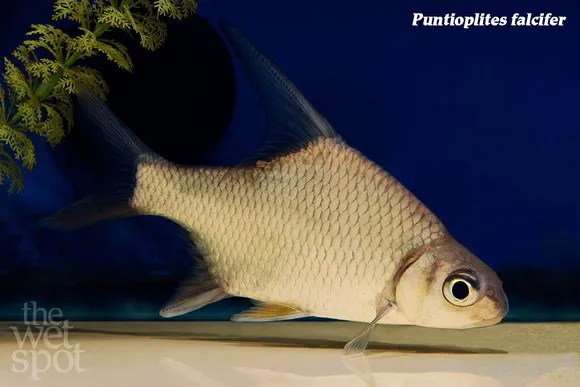 15.7 in (40 cm)264 gal (1,000 L)73–82°F (23–28°C)
Sickle-fin barb
Puntioplites falcifer
15.7 in (40 cm) · 264 gal (1,000 L)