Deccan mahseer
Tor khudree
Also known as Black mahseer, Khudree mahseer
FreshwaterFish
Care at a glance
- Temperature
- 64–79°F
- 18–26°C
- pH
- 6.5–7.8
- Adult size
- 39.4 in
- 100 cm
- Minimum tank
- 502 gal
- 1,900 L
- Temperament
- Mostly peaceful
- Social behavior
- Schooling
- Swim level
- Middle
- Diet
- Omnivore
- Difficulty
- Difficult
- Breeding
- No record
- Rarity
- Rare
- Family
- Cyprinidae
- Origin
- Peninsular Indian rivers including the Krishna and Cauvery
Overview
The Deccan mahseer is a river giant from peninsular India that swims in open water. It is a fish for experienced keepers with a great deal of room.
Did you know
Deccan mahseer have been bred and released for decades by a hatchery at the Tata Power hydro station in Lonavla, Maharashtra. It is an unusual case of an electricity company becoming a mainstay of a fish's survival.
Caring for the Deccan mahseer
Plan for at least 502 gal (1,900 L) as a bare starting point, since the Deccan mahseer is a strong, active open-water swimmer. Realistically it needs pond-scale volume, so it is a fish for public aquariums or large estate ponds. Run relentless, heavy-duty filtration and a strong current.
Keep the water cool, clear and highly oxygenated, at 64 to 79°F (18 to 26°C) and a pH of 6.5 to 7.8. That is cooler than most tropical fish need. Feed a varied diet of large sinking pellets, prawn and mussel, plus greens and fruit.
Keep Deccan mahseer in a group where space allows. They are mostly peaceful for their size but able to eat anything small, so any tank mates must be large and sturdy. The species is a large-river spawner and is not bred in normal fishkeeping.
Good to know
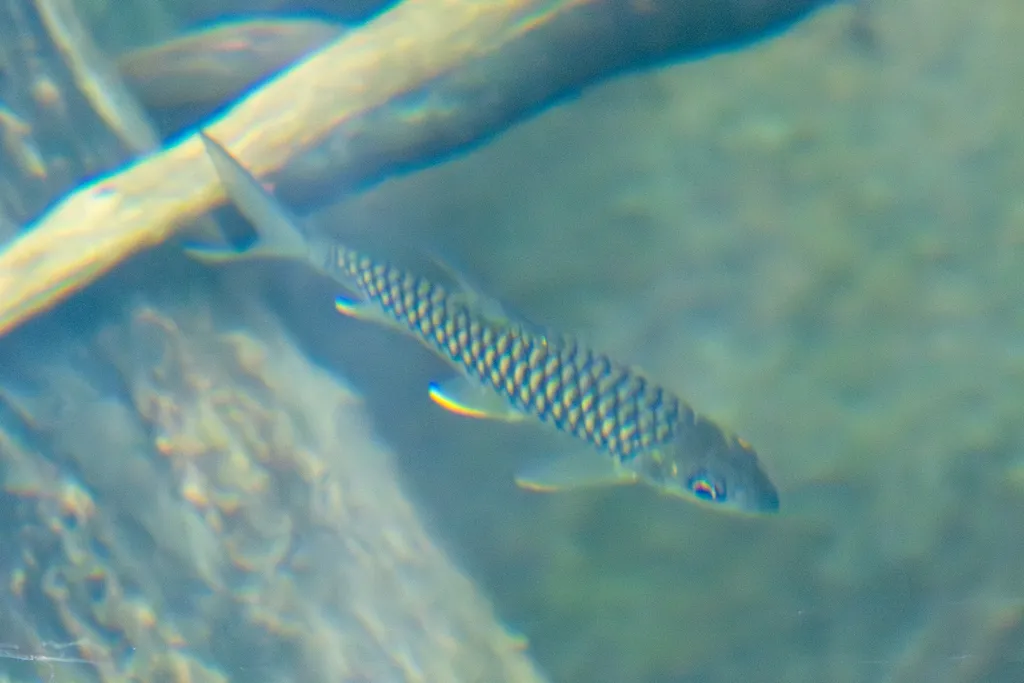
The Deccan mahseer, Tor khudree, is a heavy-bodied, large-scaled cyprinid that can weigh tens of kilograms. It is assessed as endangered and has been the focus of long-running conservation breeding. It also goes by black mahseer and khudree mahseer.
In the wild
The Deccan mahseer holds the pools and fast runs of peninsular India's big rivers, including the Krishna and Cauvery. It lives over rock and gravel in cool, clear, oxygen-rich water.
Weekly picks
Tank mates
The Deccan mahseer is a mostly peaceful, schooling species that keeps to the middle. These picks share a community profile with it, are safe together in both directions, and overlap on water type, temperature and pH.
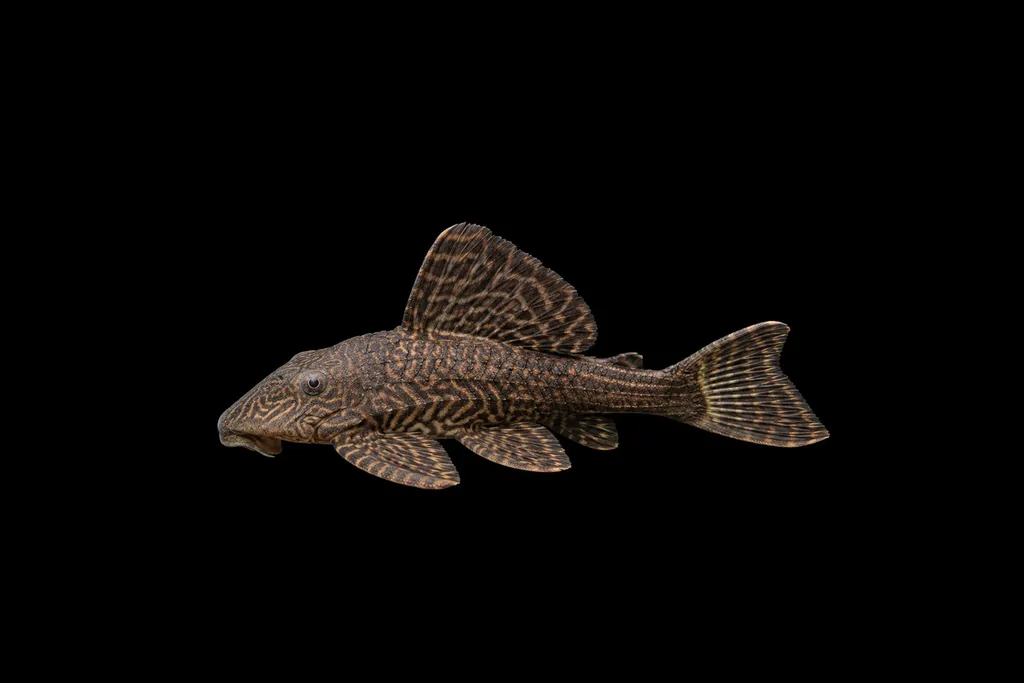
Volkswagen pleco
Panaque schaeferi
Freshwater23.6 in (60 cm) · 264 gal (1,000 L)77–84°F (25–29°C)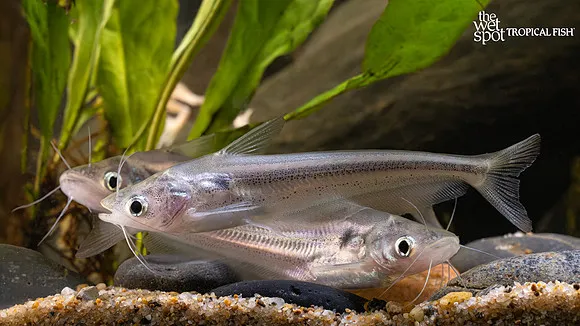
African butter catfish
Schilbe intermedius
Freshwater19.7 in (50 cm) · 264 gal (1,000 L)73–82°F (23–28°C)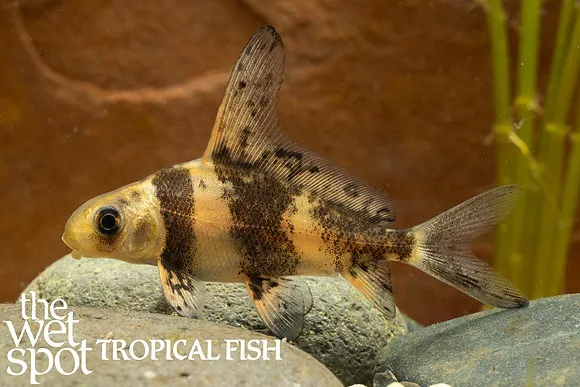
Chinese high-fin banded shark
Myxocyprinus asiaticus
Freshwater26.8 in (68 cm) · 528 gal (2,000 L)57–75°F (14–24°C)Red-tail silver shark
Hypselobarbus kurali
Freshwater13.8 in (35 cm) · 211 gal (800 L)72–82°F (22–28°C)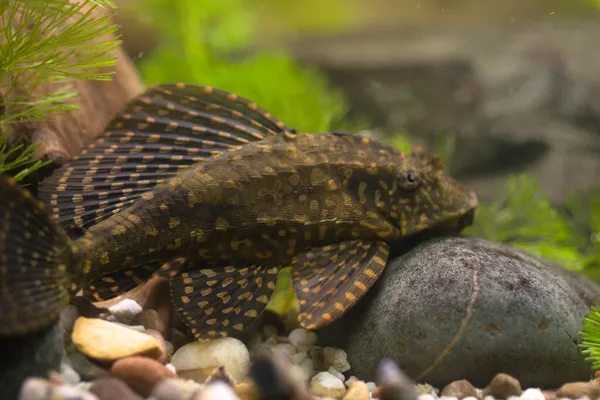
Gold spot sailfin pleco
Pterygoplichthys joselimaianus
Freshwater15.7 in (40 cm) · 119 gal (450 L)77–84°F (25–29°C)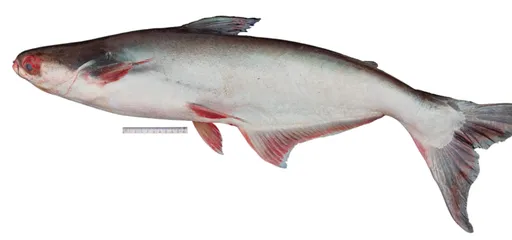
Iridescent shark
Pangasianodon hypophthalmus
Freshwater39.4 in (100 cm) · 528 gal (2,000 L)72–79°F (22–26°C)
Common questions
What size tank does a Deccan mahseer need?
A Deccan mahseer needs at least 502 gal (1,900 L). It spends most of its time in the middle.
What temperature and pH does a Deccan mahseer need?
A Deccan mahseer is comfortable at 64–79°F (18–26°C) with a pH of 6.5–7.8.
What does a Deccan mahseer eat?
A Deccan mahseer eats a varied diet of large sinking pellets, prawn and mussel. Add greens and fruit as well.
How big does a Deccan mahseer get?
An adult Deccan mahseer reaches about 39.4 in (100 cm).
Does a Deccan mahseer need a group?
Yes. A Deccan mahseer is a schooling species and should be kept in a group, not singly.
How does a Deccan mahseer breed?
The Deccan mahseer is a large-river spawner. It is not something bred in normal fishkeeping.
Related species
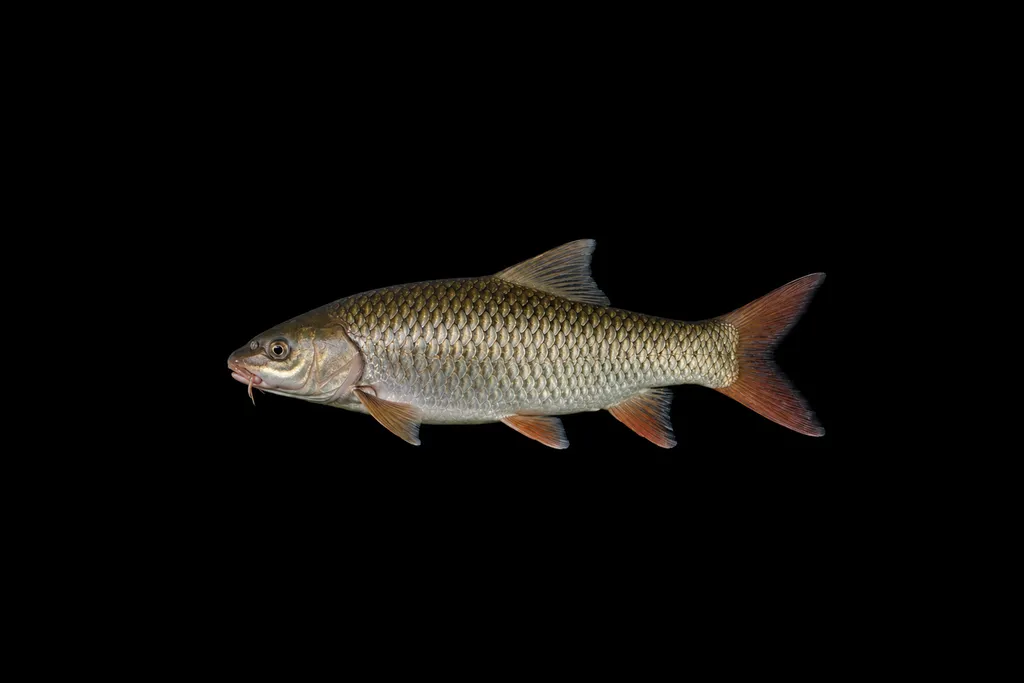 59.1 in (150 cm)502 gal (1,900 L)61–77°F (16–25°C)
Tor mahseer
Tor tor
59.1 in (150 cm) · 502 gal (1,900 L)
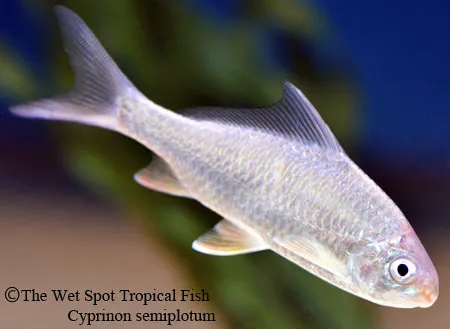 23.6 in (60 cm)396 gal (1,500 L)61–77°F (16–25°C)
Emperor round-face barb
Cyprinion semiplotum
23.6 in (60 cm) · 396 gal (1,500 L)
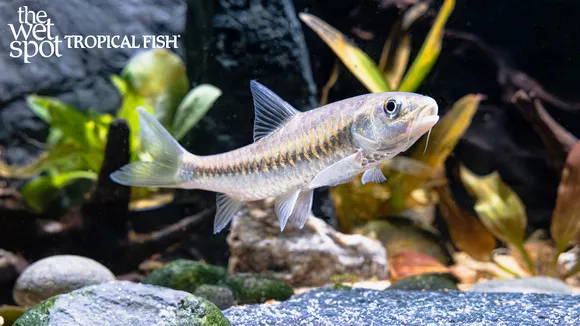 23.6 in (60 cm)238 gal (900 L)64–79°F (18–26°C)
Stracheyi mahseer
Neolissochilus stracheyi
23.6 in (60 cm) · 238 gal (900 L)
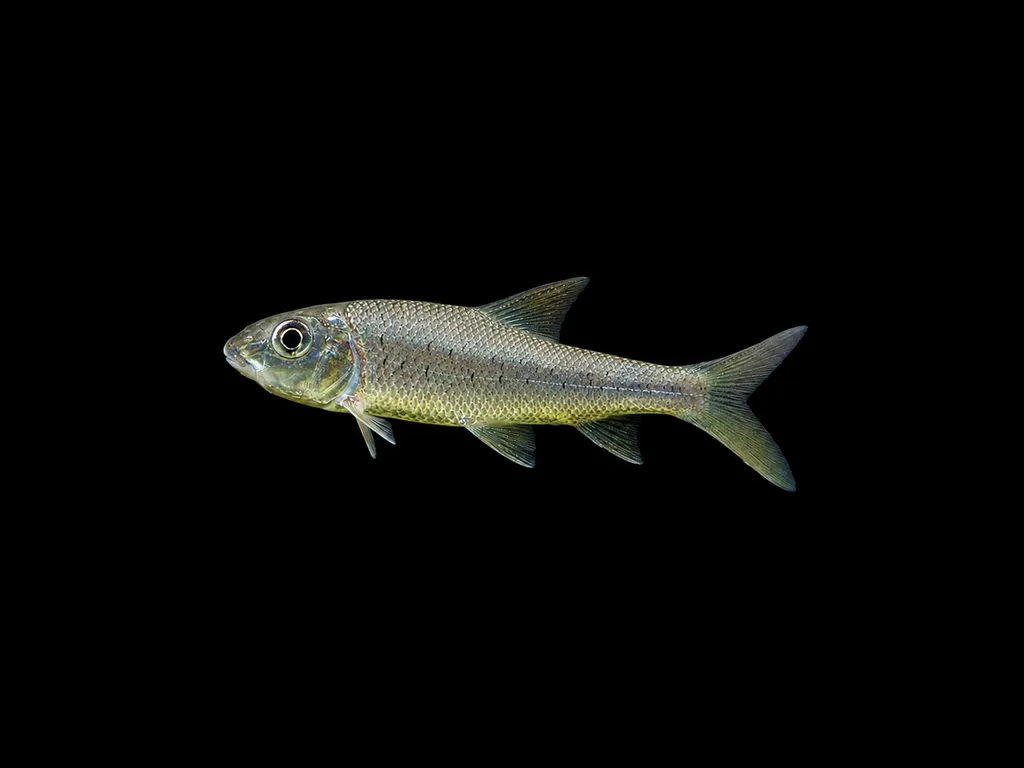 19.7 in (50 cm)317 gal (1,200 L)61–79°F (16–26°C)
Shovelmouth barb
Chagunius chagunio
19.7 in (50 cm) · 317 gal (1,200 L)
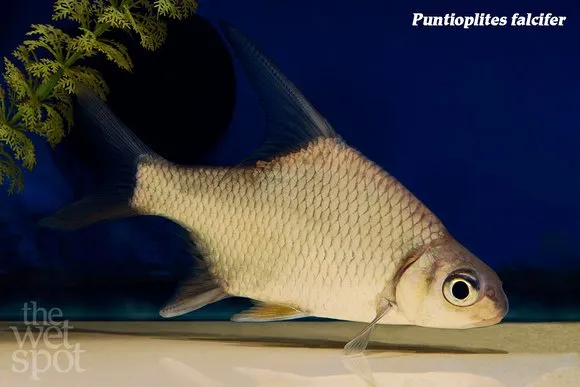 15.7 in (40 cm)264 gal (1,000 L)73–82°F (23–28°C)
Sickle-fin barb
Puntioplites falcifer
15.7 in (40 cm) · 264 gal (1,000 L)
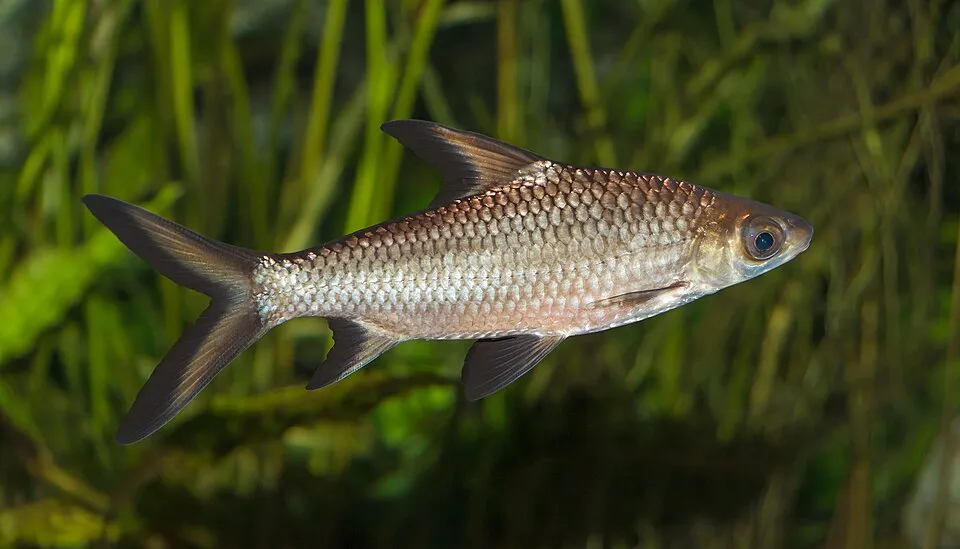 15.7 in (40 cm)227 gal (860 L)72–82°F (22–28°C)
Silver shark
Balantiocheilos melanopterus
15.7 in (40 cm) · 227 gal (860 L)