Yellowcheek
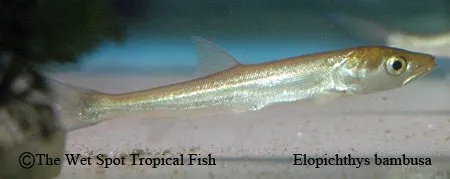
Elopichthys bambusa
Also known as Giant freshwater barracuda, Yellowcheek carp
FreshwaterFish
Care at a glance
- Temperature
- 59–77°F
- 15–25°C
- pH
- 7.0–7.5
- Adult size
- 78.7 in
- 200 cm
- Minimum tank
- 5,283 gal
- 20,000 L
- Temperament
- Aggressive
- Social behavior
- Solitary
- Tankmates
- With caution
- Swim level
- Middle
- Diet
- Carnivore
- Difficulty
- Difficult
- Breeding
- No record
- Rarity
- Rare
- Family
- Cyprinidae
- Origin
- Amur to Pearl river systems, East Asia
Overview
The yellowcheek is a huge, solitary open-water predator for a public aquarium or a large pond, never a home tank. It is for experienced keepers only.
Caring for the yellowcheek
Shops sell the yellowcheek now and then as a slim, silver juvenile. It grows to about 78.7 in (200 cm), and no home aquarium can hold it. Treat this page as a warning rather than a care sheet. Housing an adult means many thousands of liters, and the minimum of 5,283 gal (20,000 L) is really shorthand for do not buy it.
It needs long, open, oxygen-rich, flowing water to hunt in. Keep it at 59 to 77°F (15 to 25°C) and a neutral pH of 7.0 to 7.5. If kept at all, it eats whole fish and other large meaty foods.
The yellowcheek is a fast, restless hunter of the middle and upper water that chases down other fish. It would eat almost any tank mate and injure itself against tank walls, so it can only ever be kept alone. Its breeding is not documented in aquarium terms.
Good to know
Elopichthys bambusa is among the largest predatory cyprinids in the world, reaching over fifty kilograms. A hard knob on the lower jaw fits a notch in the upper jaw, helping it grip the fish it catches. It is a food and sport fish across its range rather than an aquarium subject.
In the wild
The yellowcheek ranges across East Asia, from the Amur basin of Russia and China south to rivers in northern Vietnam. It patrols open river channels after prey. Unlike most fish in this catalog, it is a temperate species, living in cool to warm water.
Common questions
What size tank does a yellowcheek need?
A yellowcheek needs at least 5,283 gal (20,000 L). It spends most of its time in the middle.
What temperature and pH does a yellowcheek need?
A yellowcheek is comfortable at 59–77°F (15–25°C) with a pH of 7.0–7.5.
What does a yellowcheek eat?
A yellowcheek, if kept at all, eats whole fish and other large meaty foods.
How big does a yellowcheek get?
An adult yellowcheek reaches about 78.7 in (200 cm).
Related species
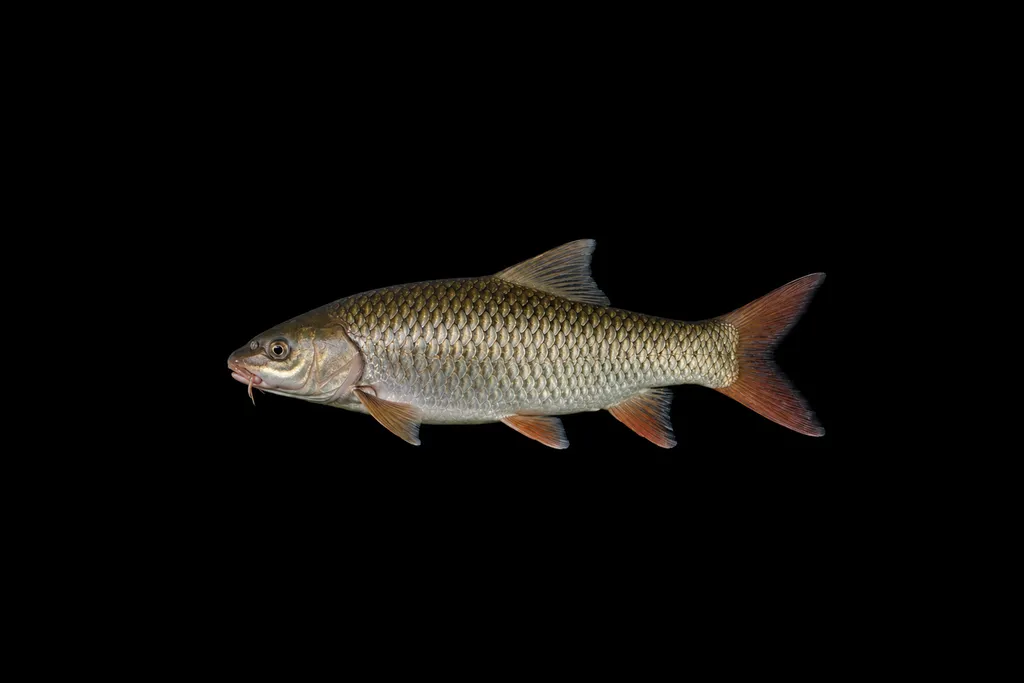 59.1 in (150 cm)502 gal (1,900 L)61–77°F (16–25°C)
Tor mahseer
Tor tor
59.1 in (150 cm) · 502 gal (1,900 L)
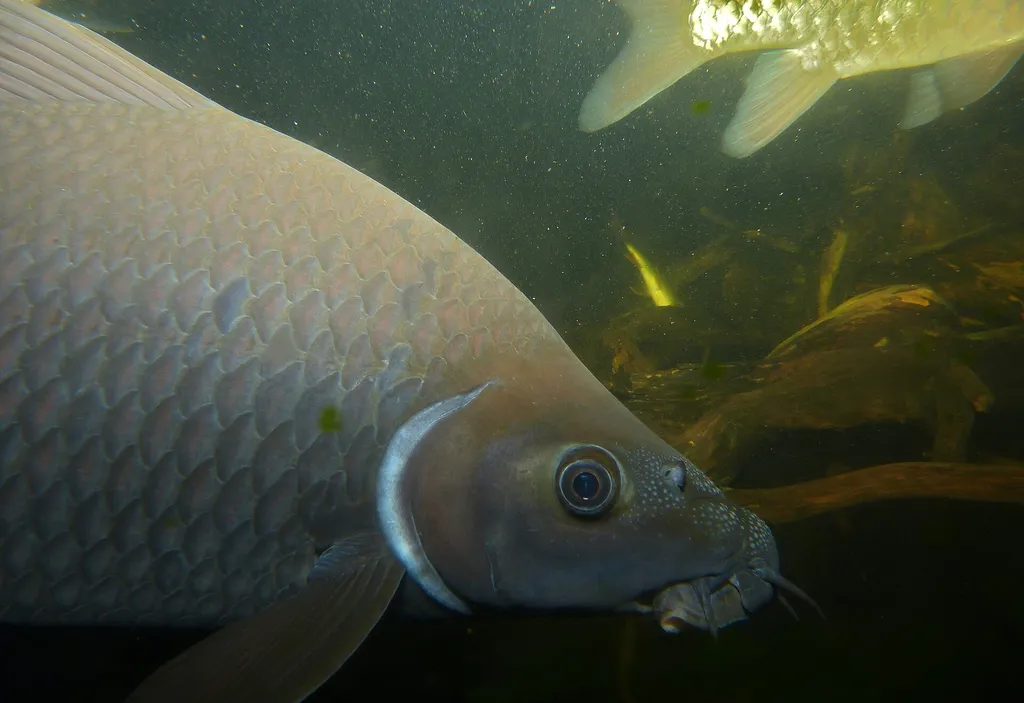 23.6 in (60 cm)660 gal (2,500 L)68–79°F (20–26°C)
Black shark
Labeo chrysophekadion
23.6 in (60 cm) · 660 gal (2,500 L)
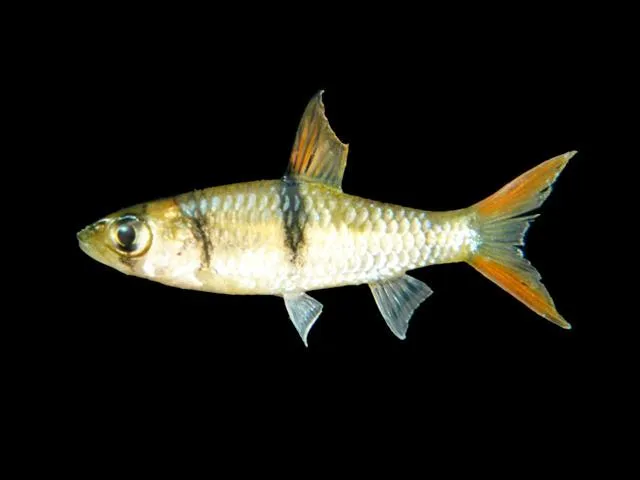 19.7 in (50 cm)238 gal (900 L)72–82°F (22–28°C)
Hampala barb
Hampala macrolepidota
19.7 in (50 cm) · 238 gal (900 L)
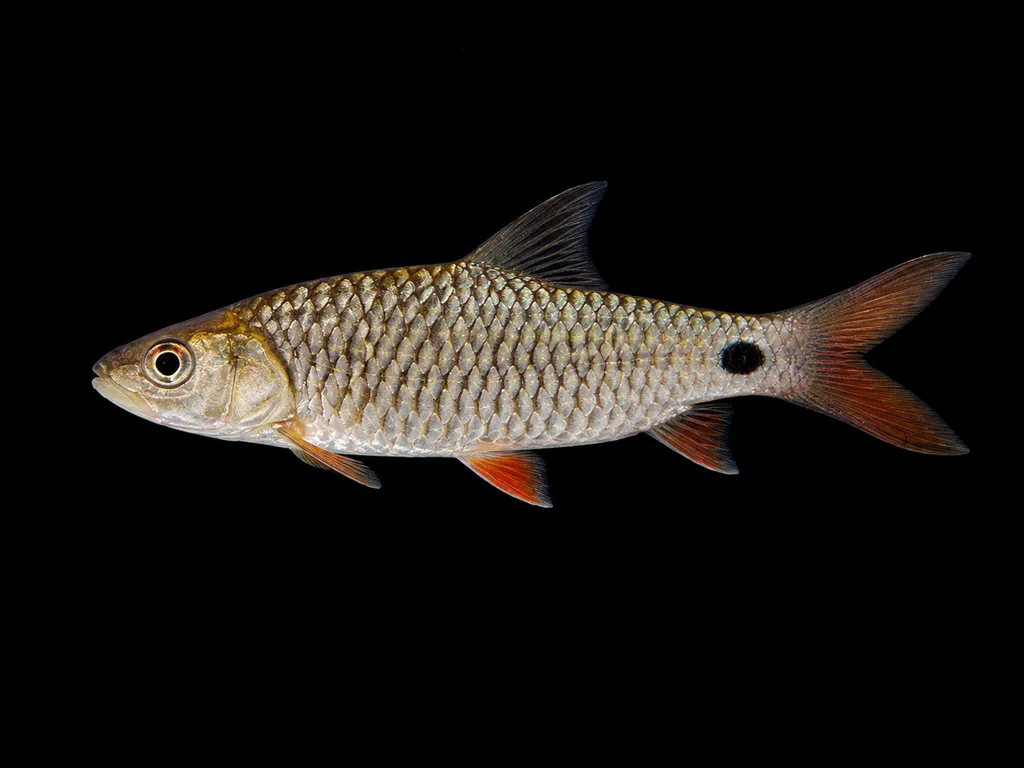 13.8 in (35 cm)159 gal (600 L)72–82°F (22–28°C)
Eyespot hampala barb
Hampala dispar
13.8 in (35 cm) · 159 gal (600 L)
 39.4 in (100 cm)502 gal (1,900 L)64–79°F (18–26°C)
Deccan mahseer
Tor khudree
39.4 in (100 cm) · 502 gal (1,900 L)
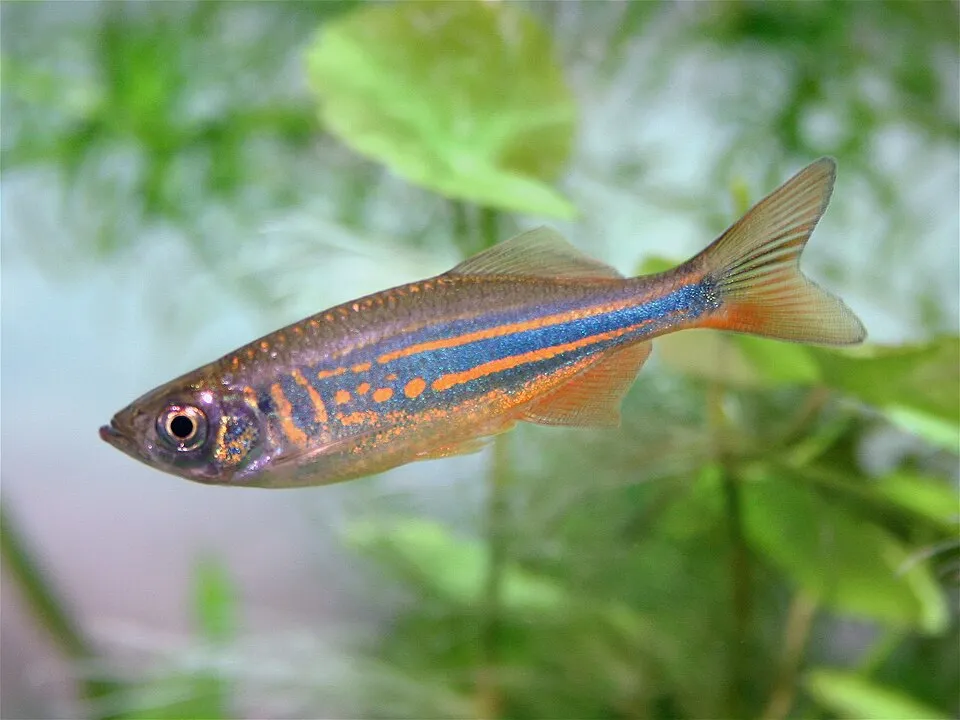 5.9 in (15 cm)50 gal (190 L)72–81°F (22–27°C)
Giant danio
Devario aequipinnatus
5.9 in (15 cm) · 50 gal (190 L)