Hampala barb
Hampala macrolepidota
Also known as Jungle perch barb, Sidebar barb
FreshwaterFish
Care at a glance
- Temperature
- 72–82°F
- 22–28°C
- pH
- 6.0–7.5
- Adult size
- 19.7 in
- 50 cm
- Minimum tank
- 238 gal
- 900 L
- Temperament
- Aggressive
- Social behavior
- Social
- Tankmates
- With caution
- Swim level
- Middle
- Diet
- Carnivore
- Difficulty
- Difficult
- Breeding
- No record
- Rarity
- Rare
- Family
- Cyprinidae
- Origin
- Mekong through Sundaland
Overview
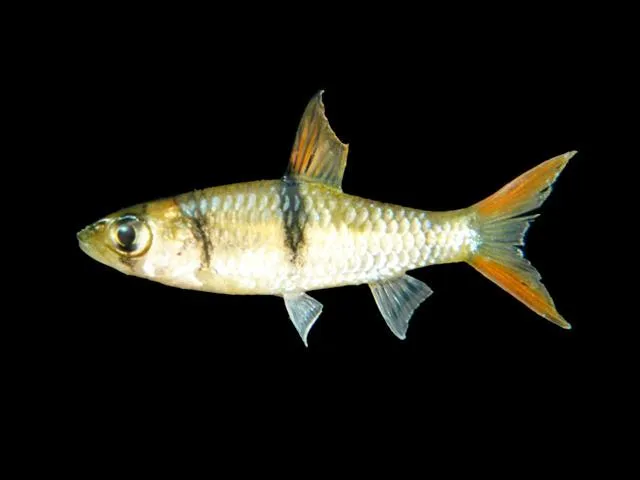
The Hampala barb is a large, predatory river barb for specialist keepers with very big systems, not a community fish.
Did you know
The Hampala barb is prized by anglers as the jungle perch. In the wild, Hampala barbs hunt baitfish in fast, slashing packs, herding and striking again and again. They behave far more like river predators than the placid barbs most people picture.
Caring for the Hampala barb
Give a Hampala barb at least 238 gal (900 L) and a lot of length, or a pond. Use a sand or fine gravel bed and secured decor rather than delicate planting.
It wants open, well-oxygenated water with strong flow, so run heavy filtration and current. Keep it at 72 to 82°F (22 to 28°C) and a pH of 6.0 to 7.5. A fish that eats and grows this fast needs pristine water and serious mechanical filtration. Feed meaty foods, whole fish, prawn and large sinking pellets sized to its mouth.
Keep a group together only in a huge tank or a pond. In anything smaller, keep it singly, since it will bully and eat whatever it can catch. It is an aggressive, strong midwater swimmer. Any tank mates must be large, fast and too big to swallow, and even then they need watching.
Its breeding in aquariums is not recorded. In the wild, it is a seasonal river spawner.
Good to know
Hampala macrolepidota is the type species of its genus, in the carp family, Cyprinidae. It is one of the region's best-known sport fish, and its species name means large-scaled. A single black saddle-bar crosses its flank, and its red tail is edged in black. It grows larger in the wild than in tanks.
In the wild
The Hampala barb patrols large rivers, lakes and reservoirs from the Mekong basin across mainland Southeast Asia and the Greater Sunda Islands.
Common questions
What size tank does a Hampala barb need?
A Hampala barb needs at least 238 gal (900 L). It spends most of its time in the middle.
What temperature and pH does a Hampala barb need?
A Hampala barb is comfortable at 72–82°F (22–28°C) with a pH of 6.0–7.5.
What does a Hampala barb eat?
A Hampala barb eats meaty foods, whole fish, prawn and large sinking pellets sized to its mouth.
How big does a Hampala barb get?
An adult Hampala barb reaches about 19.7 in (50 cm).
How does a Hampala barb breed?
The Hampala barb is a seasonal river spawner in the wild. Its breeding in aquariums is not recorded.
Related species
 13.8 in (35 cm)159 gal (600 L)72–82°F (22–28°C)
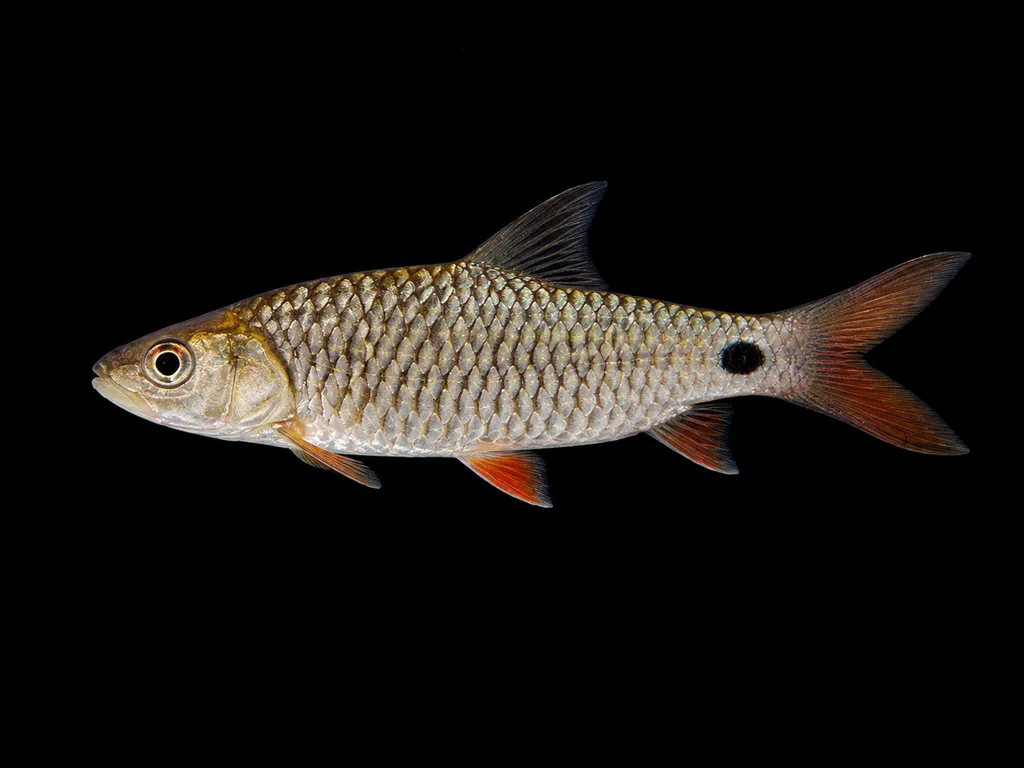
Eyespot hampala barb
Hampala dispar
13.8 in (35 cm) · 159 gal (600 L)
 23.6 in (60 cm)660 gal (2,500 L)68–79°F (20–26°C)
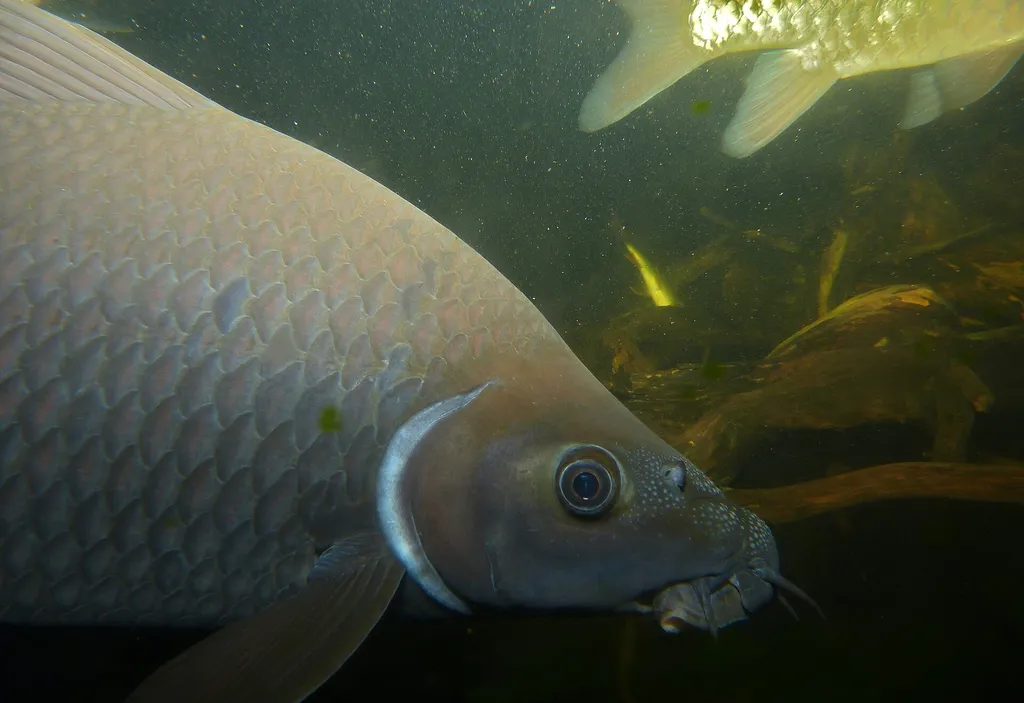
Black shark
Labeo chrysophekadion
23.6 in (60 cm) · 660 gal (2,500 L)
 19.7 in (50 cm)317 gal (1,200 L)61–79°F (16–26°C)
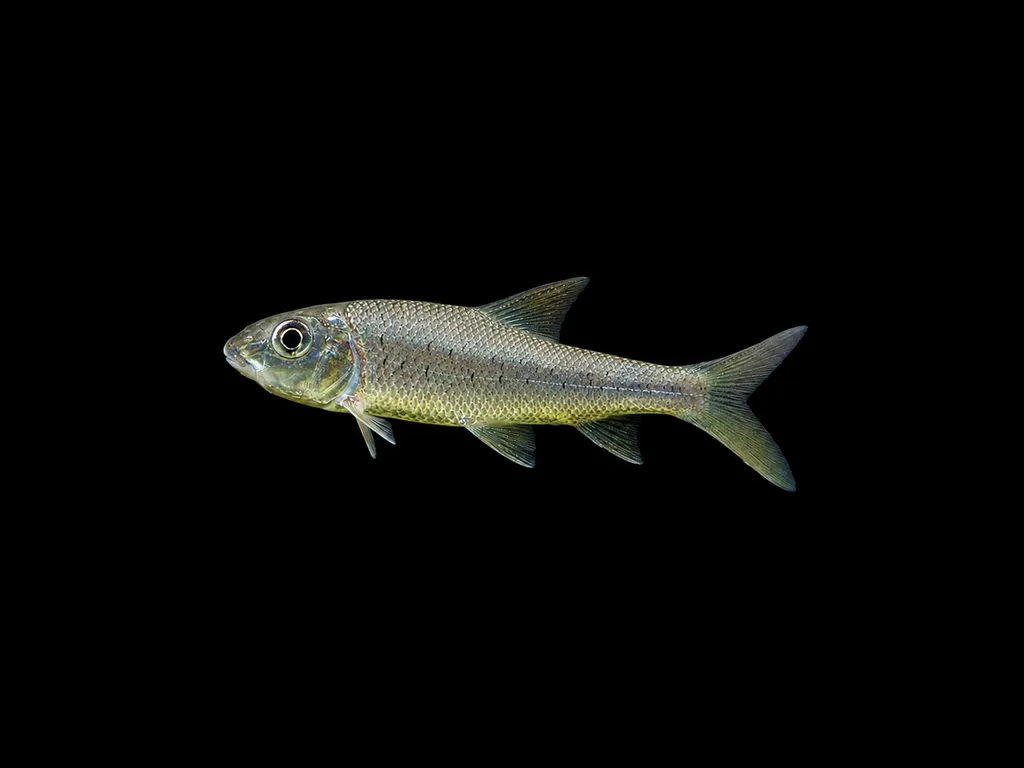
Shovelmouth barb
Chagunius chagunio
19.7 in (50 cm) · 317 gal (1,200 L)
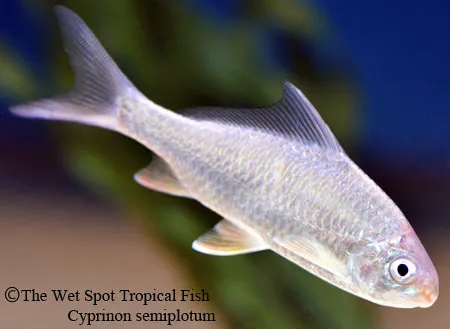 23.6 in (60 cm)396 gal (1,500 L)61–77°F (16–25°C)
Emperor round-face barb
Cyprinion semiplotum
23.6 in (60 cm) · 396 gal (1,500 L)
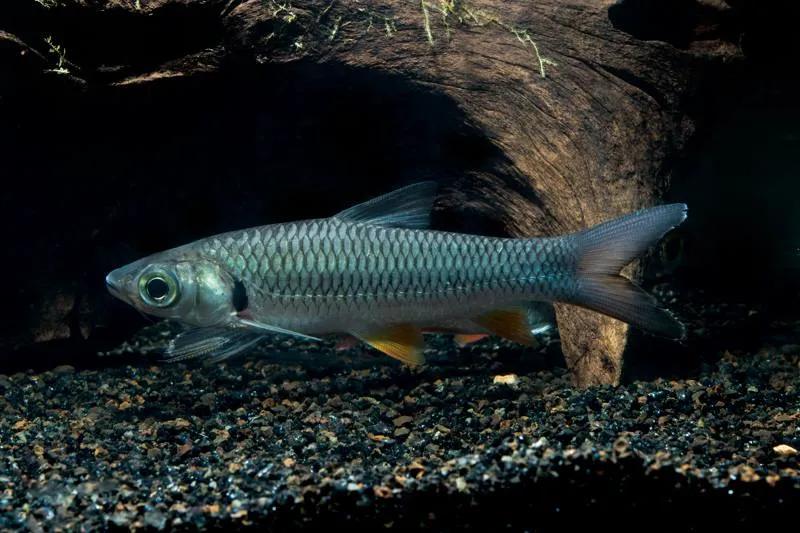 23.6 in (60 cm)317 gal (1,200 L)72–82°F (22–28°C)
Mad barb
Leptobarbus hoevenii
23.6 in (60 cm) · 317 gal (1,200 L)
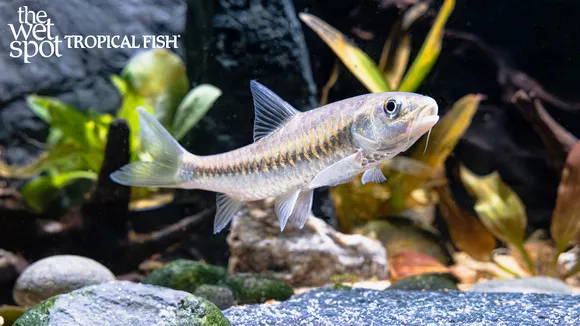 23.6 in (60 cm)238 gal (900 L)64–79°F (18–26°C)
Stracheyi mahseer
Neolissochilus stracheyi
23.6 in (60 cm) · 238 gal (900 L)