Mad barb
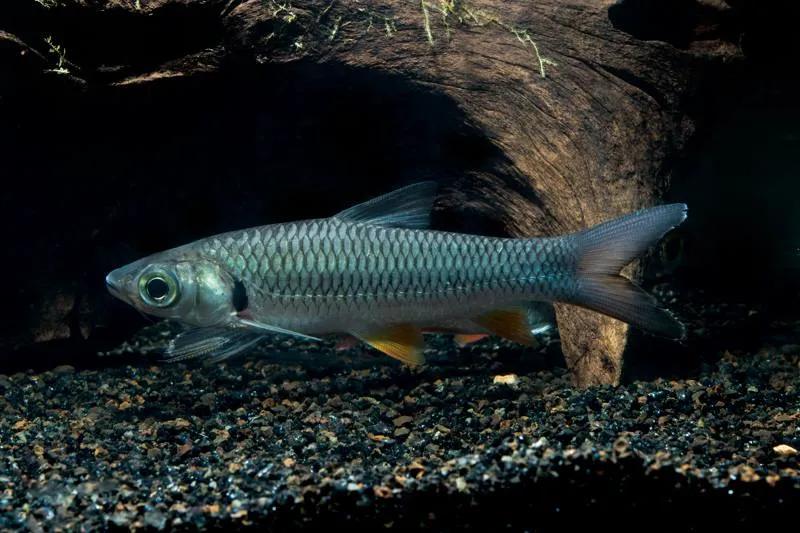
Leptobarbus hoevenii
Also known as Hoven's carp, Sultan fish
FreshwaterFish
Care at a glance
- Temperature
- 72–82°F
- 22–28°C
- pH
- 6.0–7.5
- Adult size
- 23.6 in
- 60 cm
- Minimum tank
- 317 gal
- 1,200 L
- Temperament
- Peaceful
- Social behavior
- Schooling
- Swim level
- Middle
- Diet
- Omnivore
- Difficulty
- Difficult
- Breeding
- No record
- Rarity
- Rare
- Family
- Cyprinidae
- Origin
- Mekong and Sundaland rivers
Overview
The mad barb is a peaceful but enormous schooling fish that is sold as a lively little juvenile. It belongs in a very large custom system or an indoor pond, not a standard tank. It is a fish for experienced keepers.
Did you know
The mad barb takes its name from what happens when it eats the seeds and fruit of certain toxic trees, such as chaulmoogra. The fish become disoriented and swim erratically, as if intoxicated. They can also store the toxins in their flesh.
Caring for the mad barb
Plan on 317 gal (1,200 L) and up, really a pond, before taking on a mad barb. It wants big, open, flowing water, so the system needs robust filtration, strong current and a lot of length. Clean, well-oxygenated water is essential for a fish this large and active.
Keep the water at 72 to 82°F (22 to 28°C) with a pH of 6.0 to 7.5. Feed a varied omnivore diet with plenty of vegetable matter and fruit, plus pellets and the occasional meaty item.
Mad barbs are a true shoaling species and want company of their own kind. A group of adults needs pond-scale space. They are calm and safe with other big fish, but they will eat small ones.
Aquarium breeding is not recorded. The mad barb's size makes it impractical to spawn outside commercial ponds.
Good to know
Leptobarbus hoevenii is a large cyprinid in the carp family, Cyprinidae. In Malaysia it is prized as the sultan fish, once reserved for royalty. It is also farmed as a food fish.
In the wild
The mad barb cruises large rivers across the Mekong basin and the Greater Sunda Islands. When the waters rise, it moves into flooded forest to feed.
Weekly picks
Tank mates
The mad barb is a peaceful, schooling species that keeps to the middle. These picks share a community profile with it, are safe together in both directions, and overlap on water type, temperature and pH.
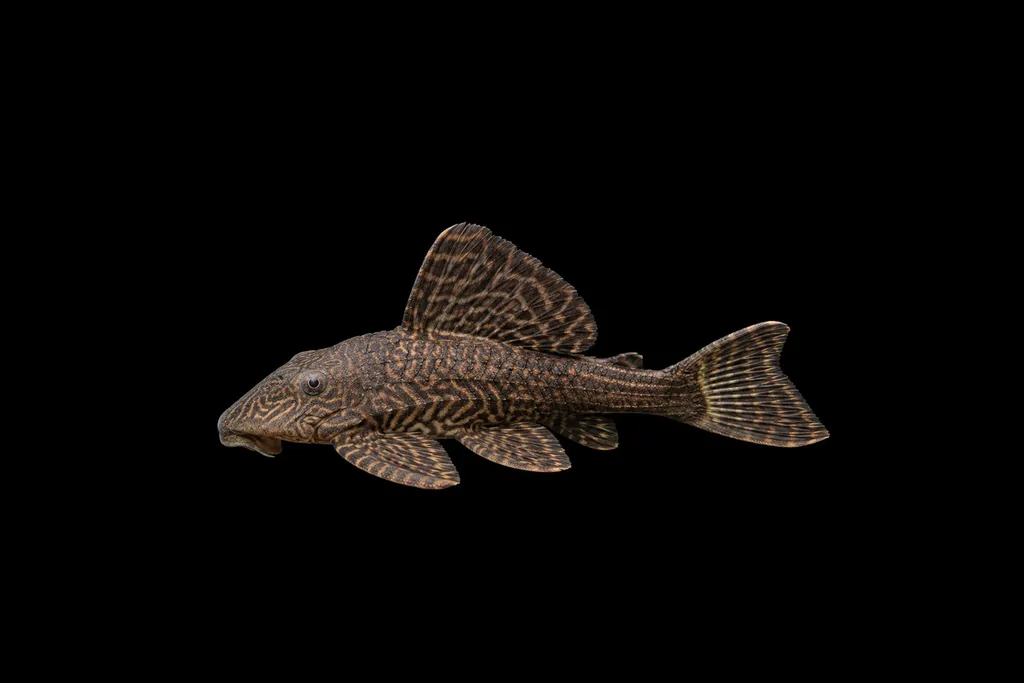
Volkswagen pleco
Panaque schaeferi
Freshwater23.6 in (60 cm) · 264 gal (1,000 L)77–84°F (25–29°C)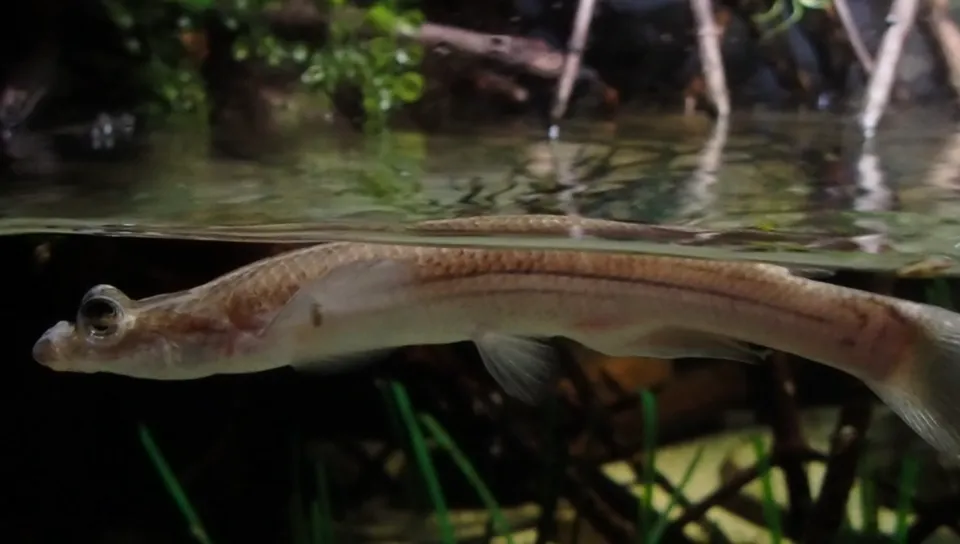
Largescale four-eyed fish
Anableps anableps
FreshwaterBrackish11.8 in (30 cm) · 70 gal (265 L)77–88°F (25–31°C)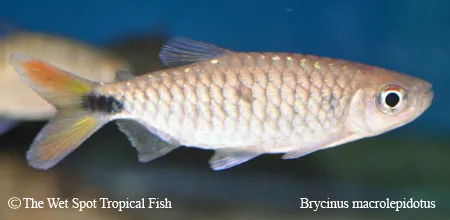
Red-tail brycinus
Brycinus macrolepidotus
Freshwater20.9 in (53 cm) · 264 gal (1,000 L)73–82°F (23–28°C)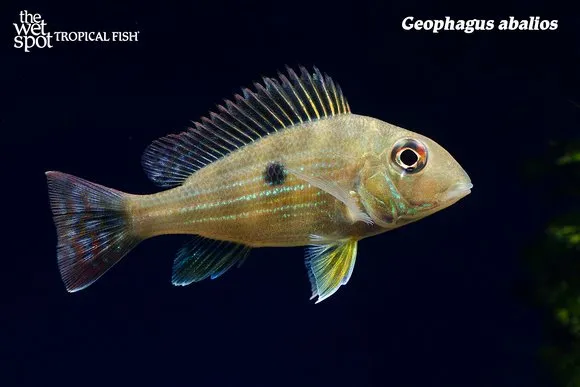
Abalios eartheater
Geophagus abalios
Freshwater9.8 in (25 cm) · 172 gal (650 L)77–84°F (25–29°C)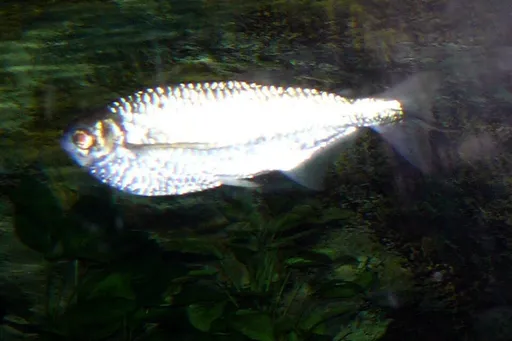
Narrow hatchetfish
Triportheus angulatus
Freshwater9.8 in (25 cm) · 79 gal (300 L)73–82°F (23–28°C)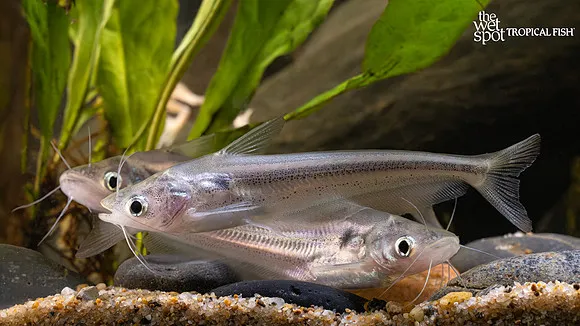
African butter catfish
Schilbe intermedius
Freshwater19.7 in (50 cm) · 264 gal (1,000 L)73–82°F (23–28°C)
Common questions
What size tank does a mad barb need?
A mad barb needs at least 317 gal (1,200 L). It spends most of its time in the middle.
What temperature and pH does a mad barb need?
A mad barb is comfortable at 72–82°F (22–28°C) with a pH of 6.0–7.5.
What does a mad barb eat?
A mad barb eats a varied omnivore diet with plenty of vegetable matter and fruit. Give it pellets and the occasional meaty item as well.
How big does a mad barb get?
An adult mad barb reaches about 23.6 in (60 cm).
Does a mad barb need a group?
Yes. A mad barb is a schooling species and should be kept in a group, not singly.
How does a mad barb breed?
Mad barbs have no recorded aquarium breeding. Their size makes spawning them impractical outside commercial ponds.
Related species
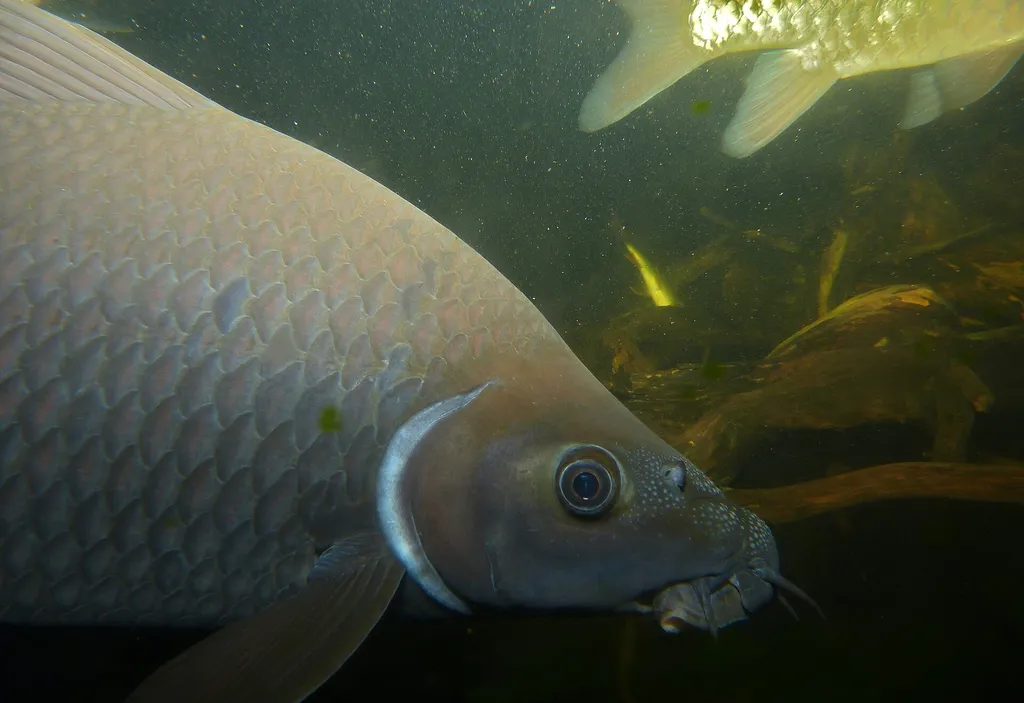 23.6 in (60 cm)660 gal (2,500 L)68–79°F (20–26°C)
Black shark
Labeo chrysophekadion
23.6 in (60 cm) · 660 gal (2,500 L)
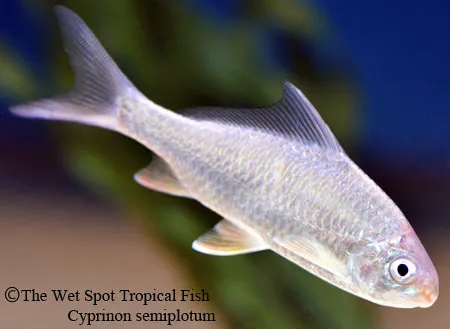 23.6 in (60 cm)396 gal (1,500 L)61–77°F (16–25°C)
Emperor round-face barb
Cyprinion semiplotum
23.6 in (60 cm) · 396 gal (1,500 L)
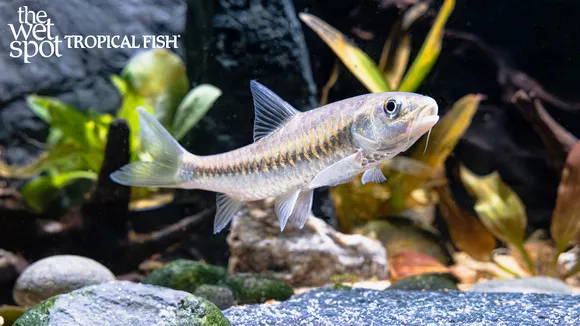 23.6 in (60 cm)238 gal (900 L)64–79°F (18–26°C)
Stracheyi mahseer
Neolissochilus stracheyi
23.6 in (60 cm) · 238 gal (900 L)
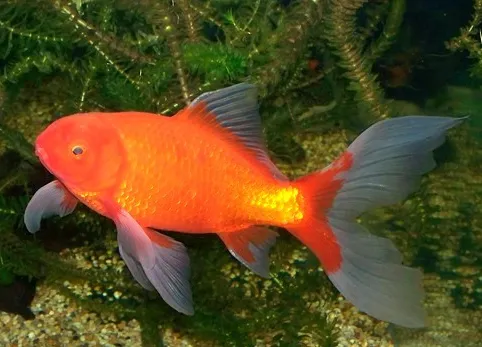 11.8 in (30 cm)50 gal (190 L)39–75°F (4–24°C)
Comet
Carassius auratus
11.8 in (30 cm) · 50 gal (190 L)
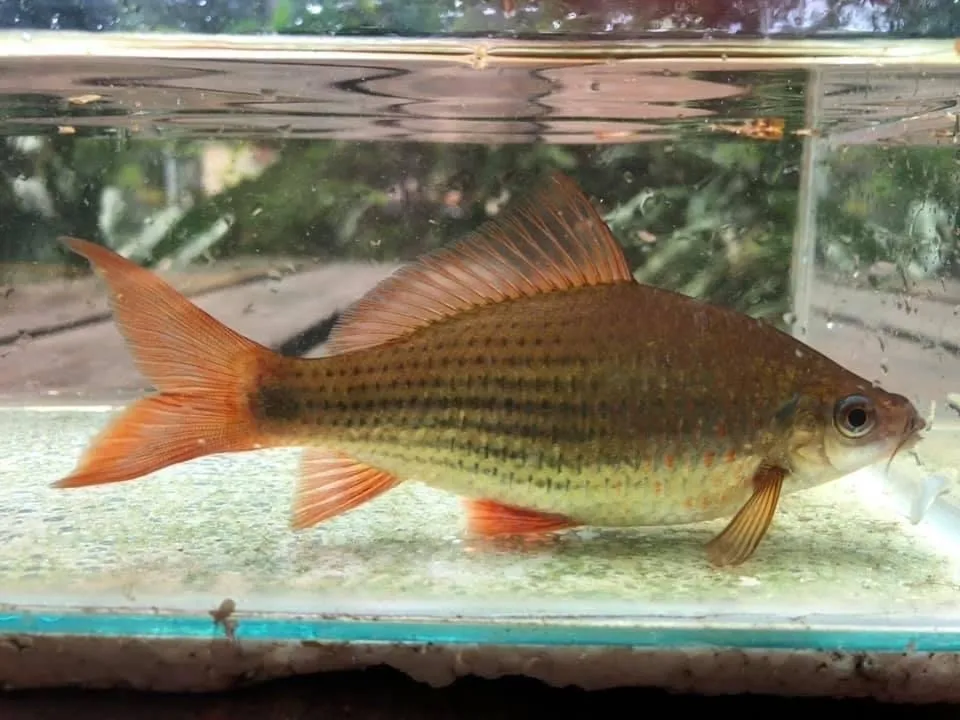 11.8 in (30 cm)106 gal (400 L)72–82°F (22–28°C)
Hard-lipped barb
Osteochilus vittatus
11.8 in (30 cm) · 106 gal (400 L)
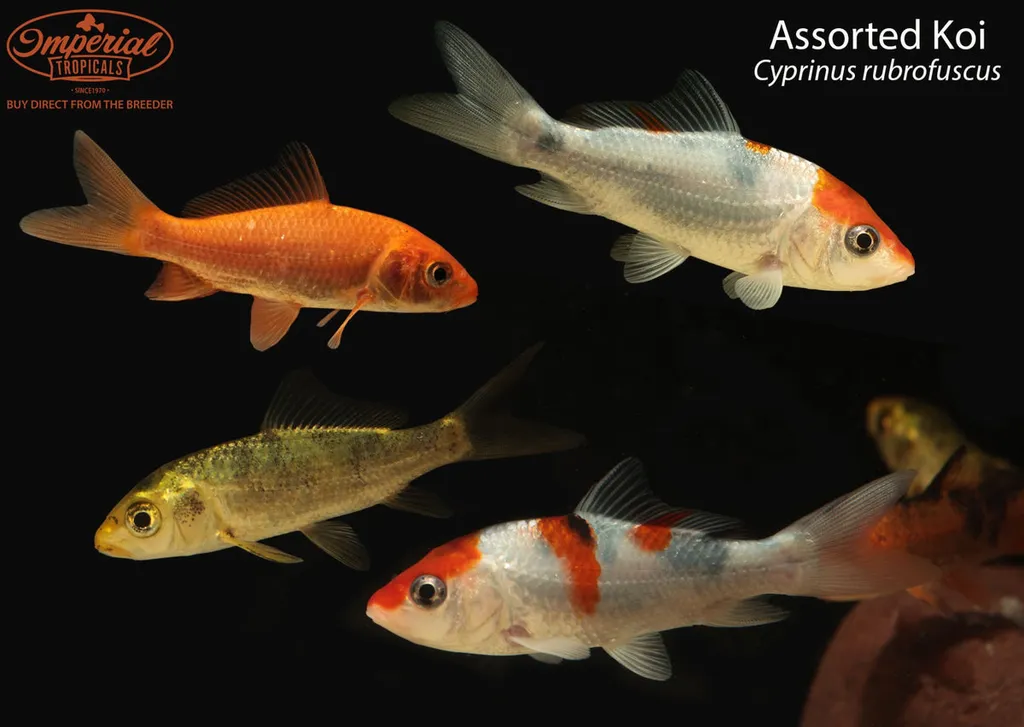 23.6 in (60 cm)264 gal (1,000 L)39–81°F (4–27°C)
Koi
Cyprinus rubrofuscus
23.6 in (60 cm) · 264 gal (1,000 L)