One species · 5 varieties
Koi
Cyprinus rubrofuscus
Also known as Nishikigoi, Cyprinus carpio, Japanese koi, Amur carp, Ornamental carp
FreshwaterFish
Care at a glance
- Temperature
- 39–81°F
- 4–27°C
- pH
- 7.0–8.5
- Adult size
- 23.6 in
- 60 cm
- Minimum tank
- 264 gal
- 1,000 L
- Temperament
- Peaceful
- Social behavior
- Social
- Tankmates
- With caution
- Swim level
- Bottom
- Difficulty
- Medium
- Breeding
- Medium
- Rarity
- Very common
- Family
- Cyprinidae
- Origin
- Ornamental form of the Amur carp from East Asia, now kept in garden ponds worldwide after centuries of color breeding in Japan and China.
Pick a variety
One setup covers every line on this page: care is the species' care.
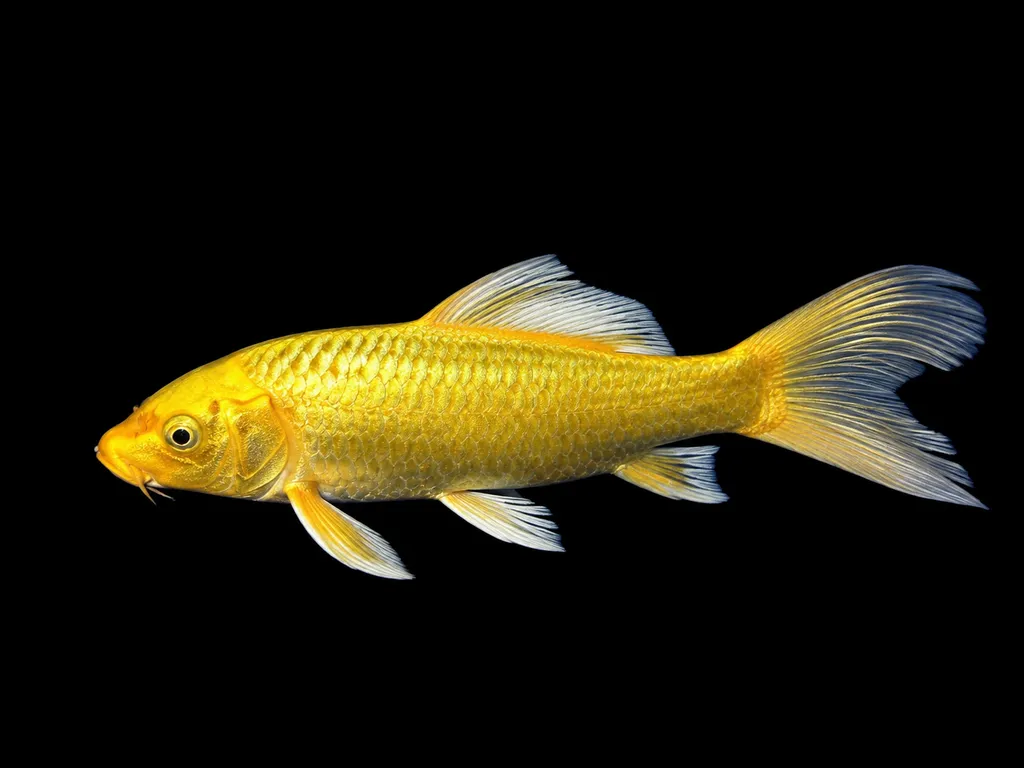
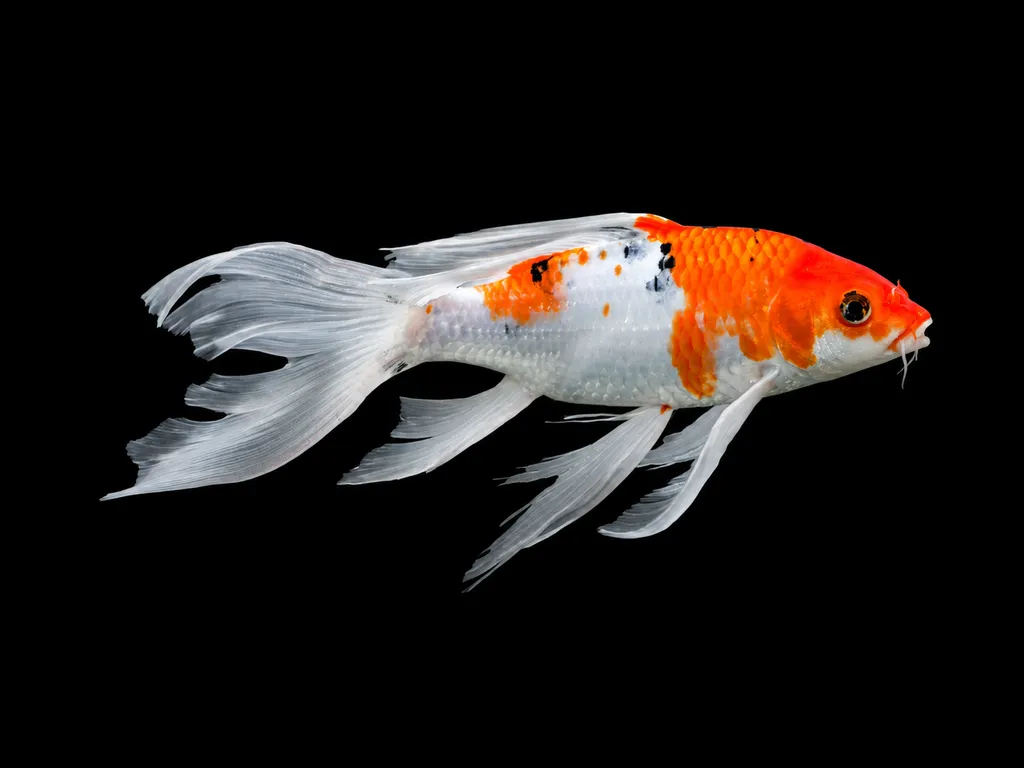
Overview
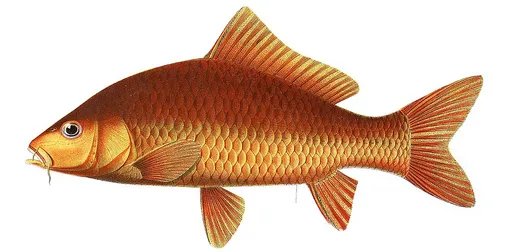
Koi are pond fish, not aquarium fish. A single koi needs roughly 1000 litres to start, and a group needs a pond of several thousand litres with strong filtration, since they are big, messy eaters that grow past 60 cm. Keep them in groups in cool to temperate water from about 4 to 27 C and feed a varied omnivore diet of sinking koi pellets, greens, and occasional live or frozen foods. They mix well with goldfish and other large peaceful pond fish, but they uproot plants and eat anything small enough to swallow.
In the wild
Koi are domesticated color forms of the Amur carp, a hardy river and pond fish from East Asia. Wild ancestors live in slow rivers, lakes, and flooded fields with soft substrates they root through for food. They handle a very wide temperature swing, staying active in summer warmth and slowing to near dormancy under winter ice. Stable, well oxygenated, well filtered water matters far more than a narrow parameter target.
Good to know
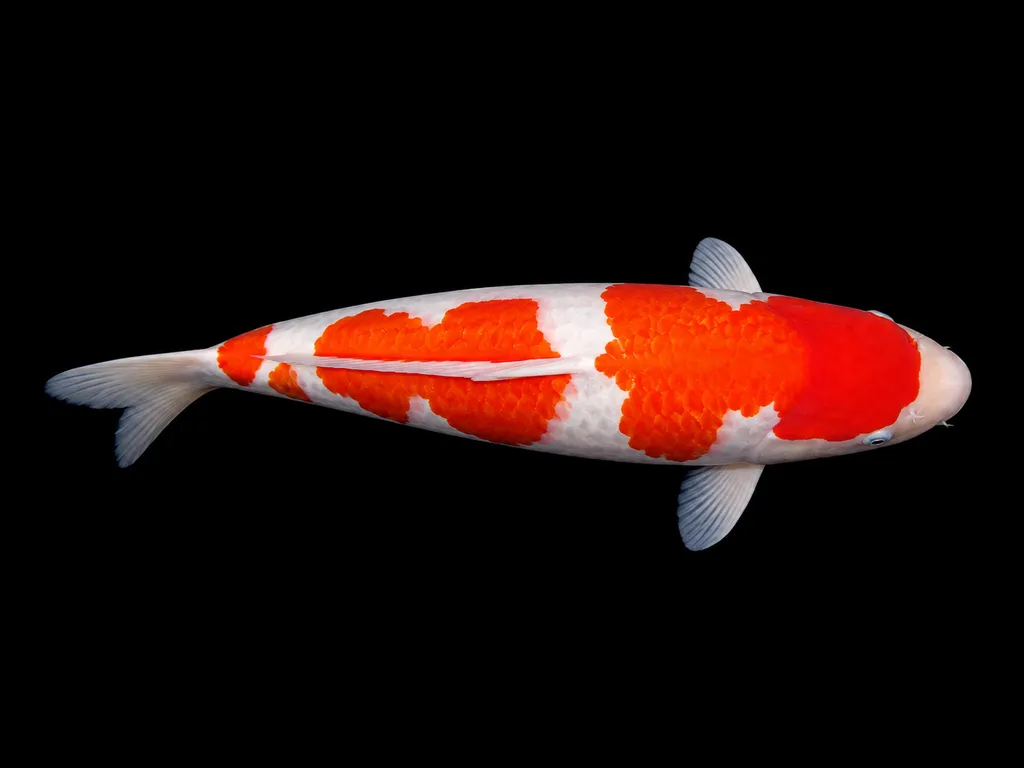
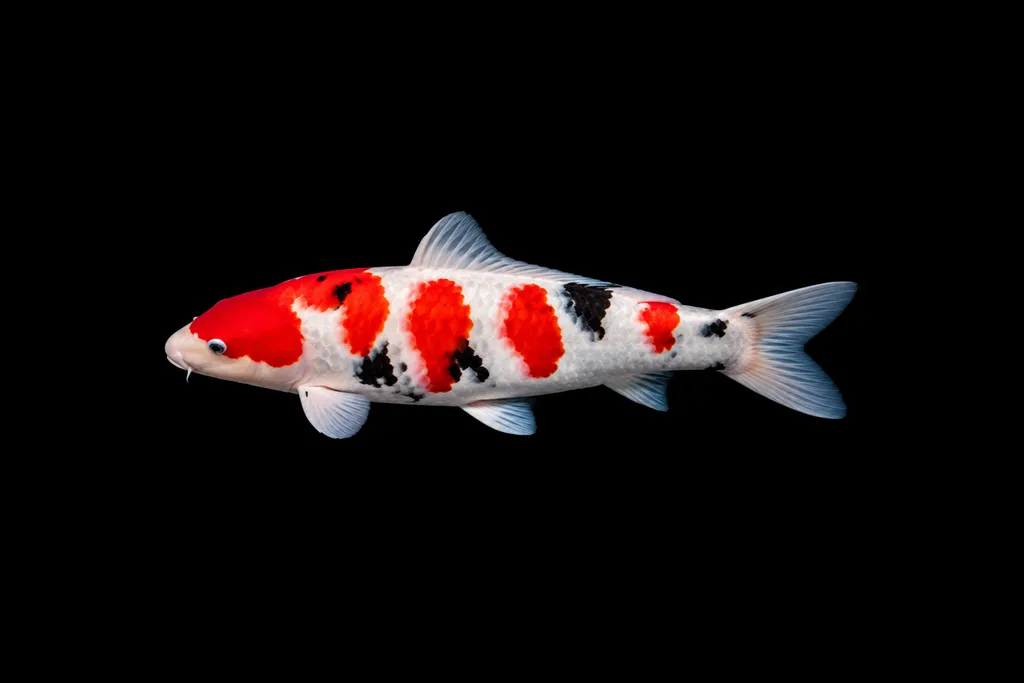
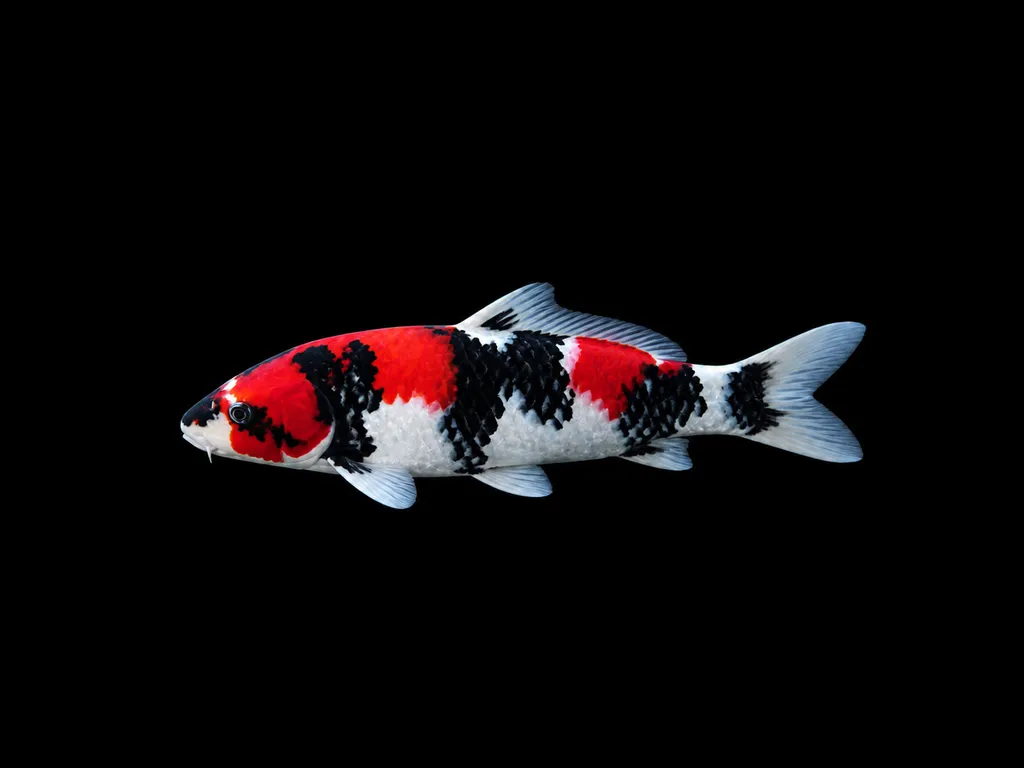
Koi are usually sold under the old name Cyprinus carpio, but the ornamental strains trace to Cyprinus rubrofuscus, the Amur carp. Color breeding began in Japan in the 1800s and now covers dozens of named varieties such as Kohaku, Sanke, and Showa. Individuals can live for several decades and reach 60 cm or more in a large pond.
Did you know
Koi learn to recognize the people who feed them and will take food from the hand, and some ponds have held the same fish for more than 50 years.
Other named lines
Koi classes are Japanese pattern names for the same carp, and these two are the blue-backed classes.
- Asagi
- blue net-pattern back, red-orange belly
- Shusui
- scaleless asagi with a single dorsal scale row
Common questions
What size tank does a Koi need?
A Koi needs at least 264 gal (1,000 L). It spends most of its time in the bottom.
What temperature and pH does a Koi need?
A Koi is comfortable at 39–81°F (4–27°C) with a pH of 7.0–8.5.
How big does a Koi get?
An adult Koi reaches about 23.6 in (60 cm).
Related species
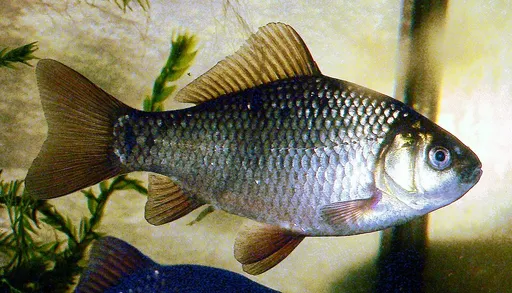 11.8 in (30 cm)119 gal (450 L)39–75°F (4–24°C)
Crucian carp
Carassius carassius
11.8 in (30 cm) · 119 gal (450 L)
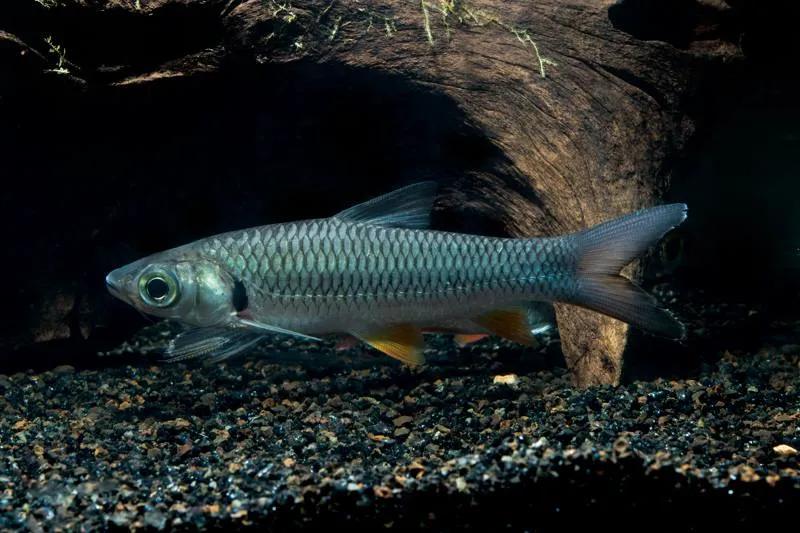 23.6 in (60 cm)317 gal (1,200 L)72–82°F (22–28°C)
Mad barb
Leptobarbus hoevenii
23.6 in (60 cm) · 317 gal (1,200 L)
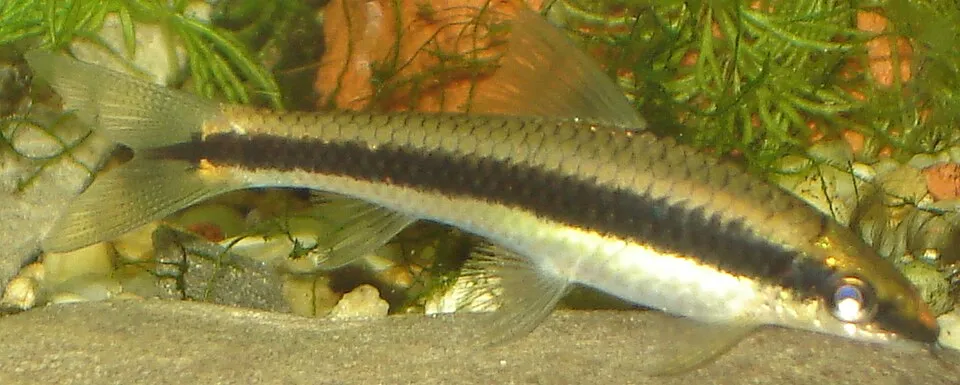 6.3 in (16 cm)37 gal (140 L)68–79°F (20–26°C)
Siamese algae eater
Crossocheilus oblongus
6.3 in (16 cm) · 37 gal (140 L)
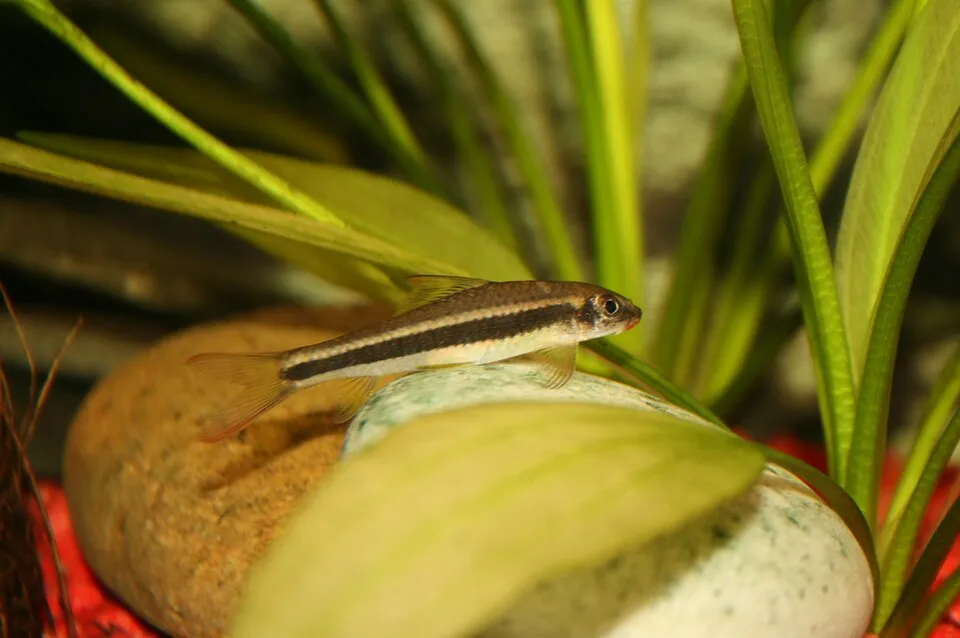 5.9 in (15 cm)32 gal (120 L)68–81°F (20–27°C)
Cambodian log sucker
Garra cambodgiensis
5.9 in (15 cm) · 32 gal (120 L)
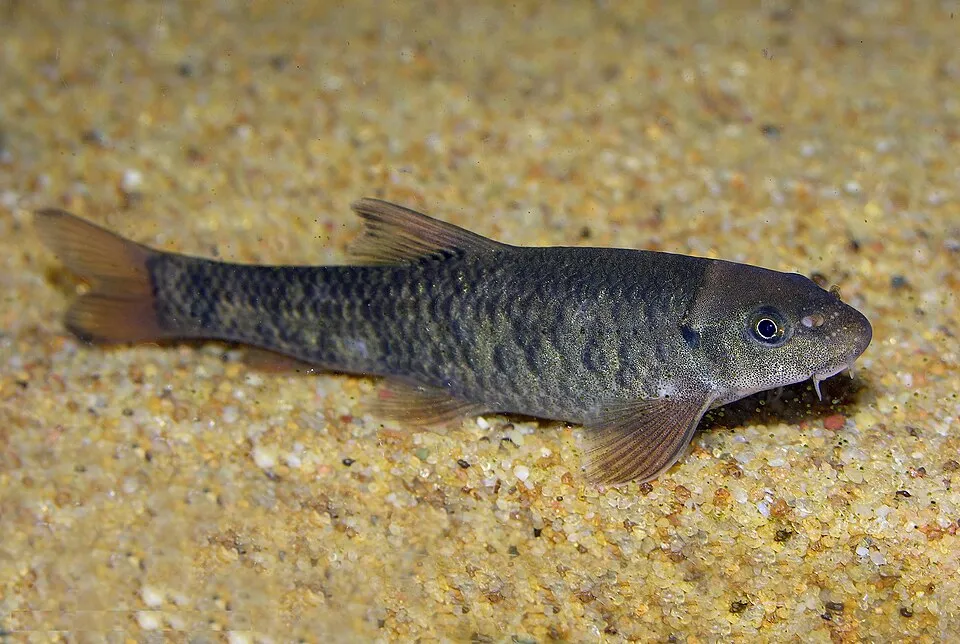 4.7 in (12 cm)29 gal (110 L)57–68°F (14–20°C)
Doctor fish
Garra rufa
4.7 in (12 cm) · 29 gal (110 L)
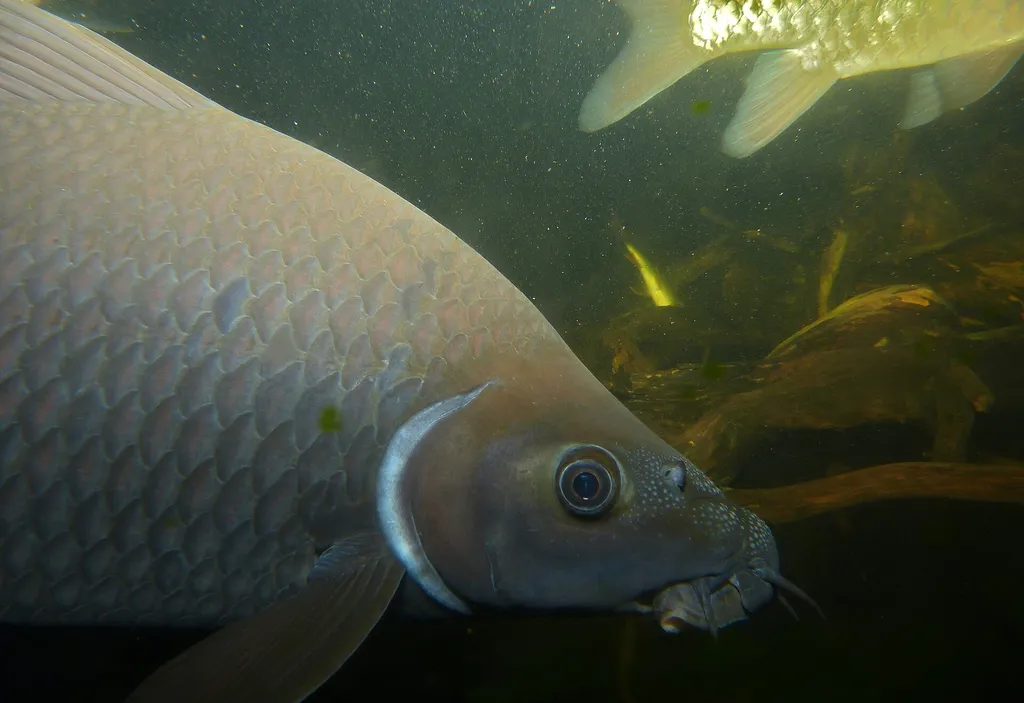 23.6 in (60 cm)660 gal (2,500 L)68–79°F (20–26°C)
Black shark
Labeo chrysophekadion
23.6 in (60 cm) · 660 gal (2,500 L)