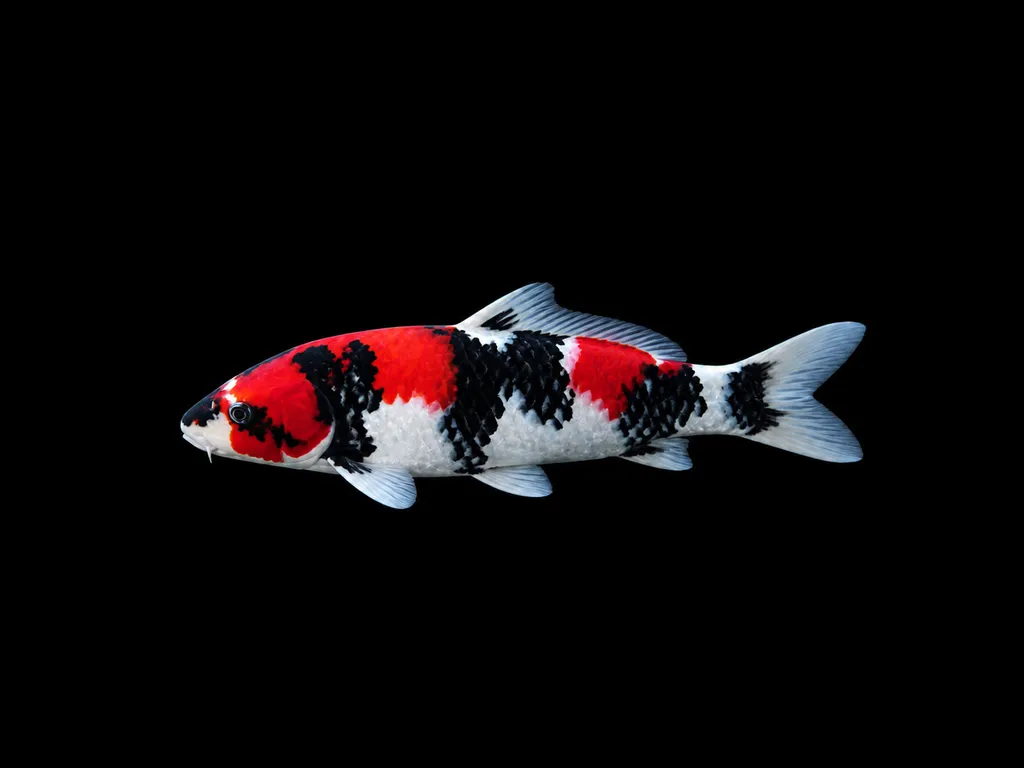
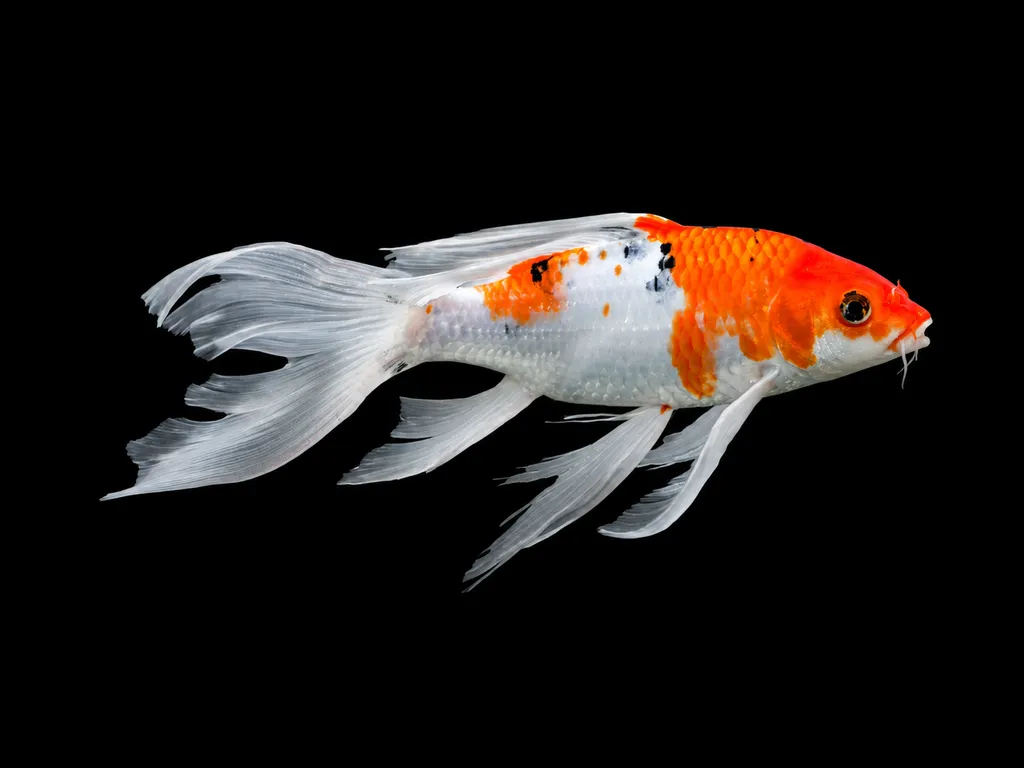
Showa reads as a black fish wearing red and white rather than a white fish with markings added, and the black wraps the belly. Sumi keeps moving for years, so a Showa bought at six inches rarely looks the same at two feet. Shops carry both the heavy black traditional type and the white heavy kindai type, so ask which one you are being sold.
In the wild
Showa Sanshoku was first exhibited in Japan in 1927 and named for the Showa era it appeared in. Accounts credit a Niigata breeder named Hoshino, though they disagree on his given name. Hobby histories credit Kohaku blood introduced by Tomiji Kobayashi in the 1960s for the clean reds and whites seen now.
Good to know
The variety was built by crossing Kohaku into the black and yellow Ki Utsuri. Its black therefore behaves like Utsuri sumi, forming a base layer rather than spots sitting on white. That is why sumi crosses the head, often as a wedge or lightning stripe, and gathers at the pectoral fin joints as motoguro. Yellow carried in from the Ki Utsuri side is the usual explanation for the muddy color of early Showa.
Did you know
Showa is the youngest of the big three, first shown in 1927, thirteen years after Sanke was first exhibited and decades after the founding Kohaku spawning. It stayed a curiosity for a long stretch before the 1960s work on its color. A modern kindai Showa can carry so much white that it passes for a Sanke, and the black in the pectoral fin joints is what settles the argument.
Common questions
Is a Showa koi a different species from the Koi?
No. A Showa koi is a variety of the Koi, Cyprinus rubrofuscus, and it wants the same tank, water and food as the species.
What size tank does a Showa koi need?
A Showa koi needs at least 264 gal (1,000 L). It spends most of its time in the bottom.
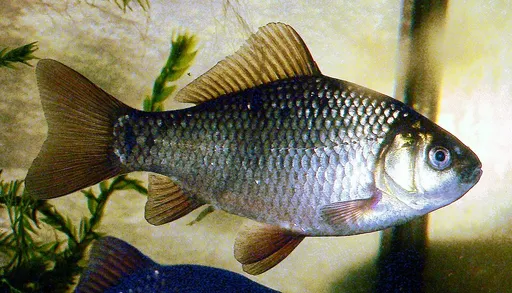 11.8 in (30 cm)119 gal (450 L)39–75°F (4–24°C)
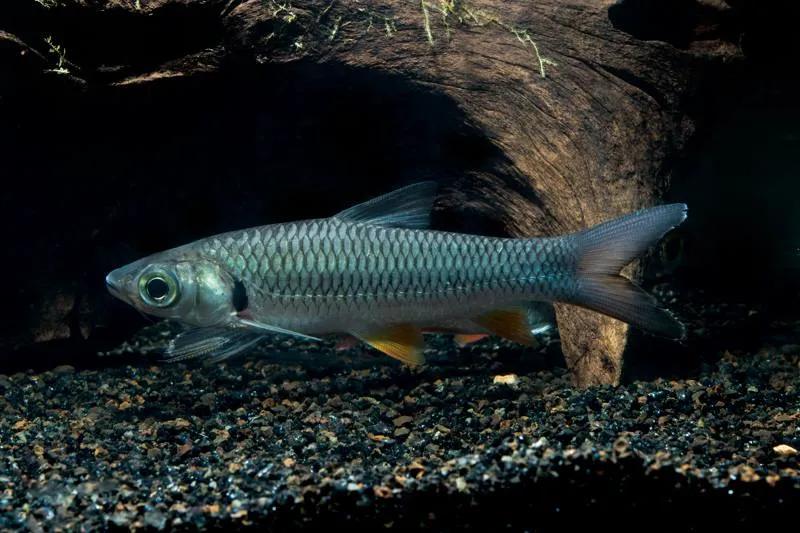 23.6 in (60 cm)317 gal (1,200 L)72–82°F (22–28°C)
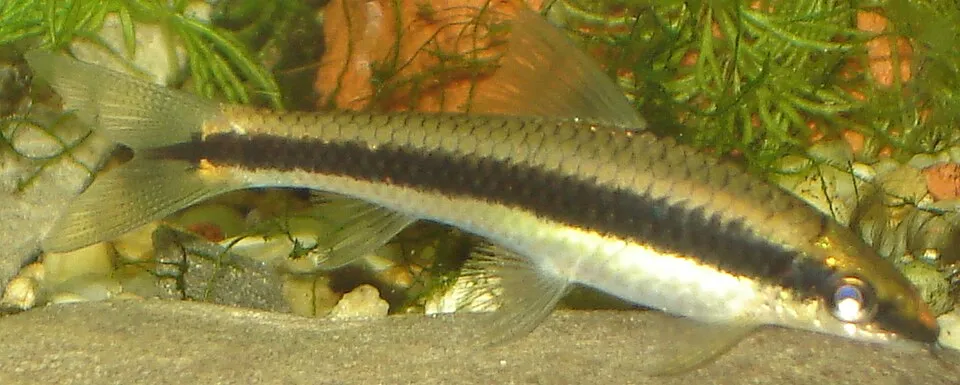 6.3 in (16 cm)37 gal (140 L)68–79°F (20–26°C)
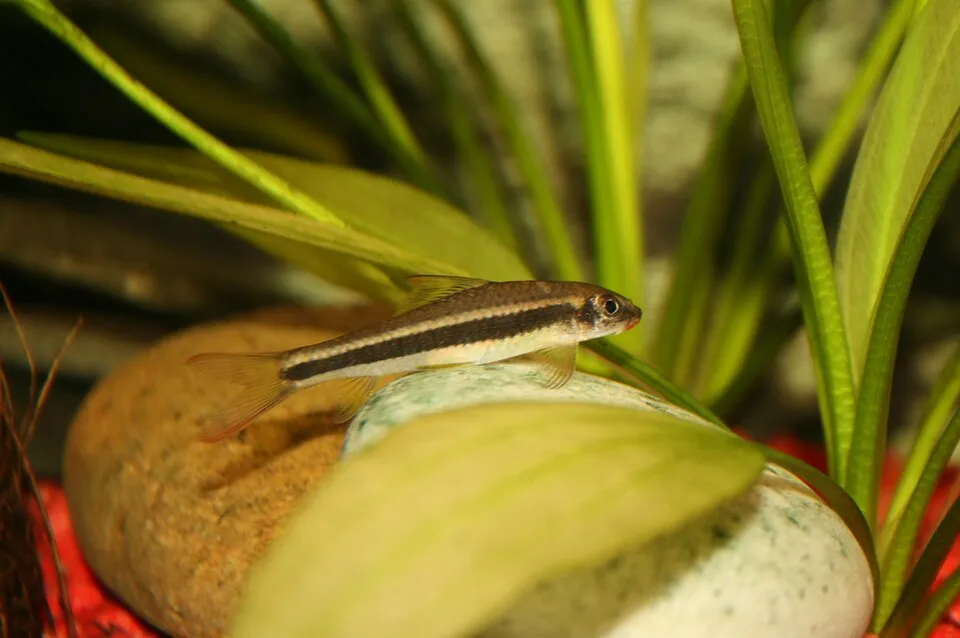 5.9 in (15 cm)32 gal (120 L)68–81°F (20–27°C)
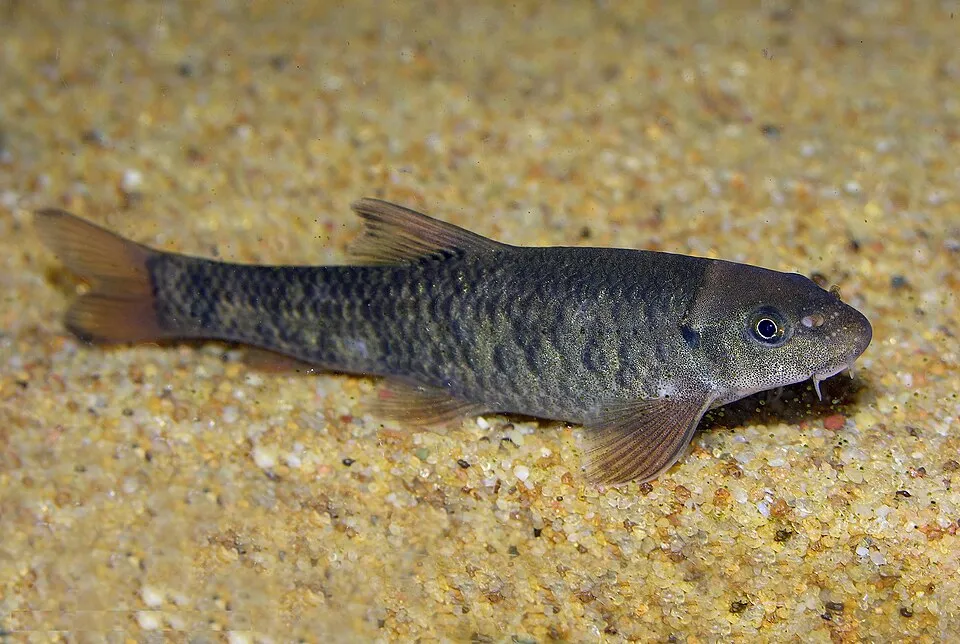 4.7 in (12 cm)29 gal (110 L)57–68°F (14–20°C)
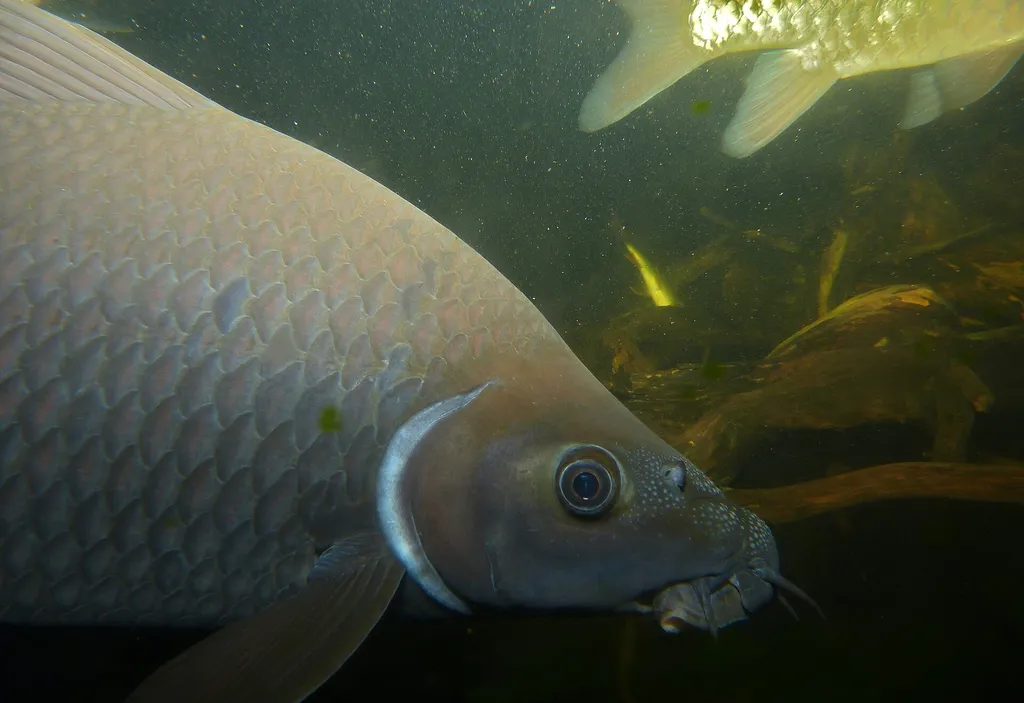 23.6 in (60 cm)660 gal (2,500 L)68–79°F (20–26°C)