Variety of Koi
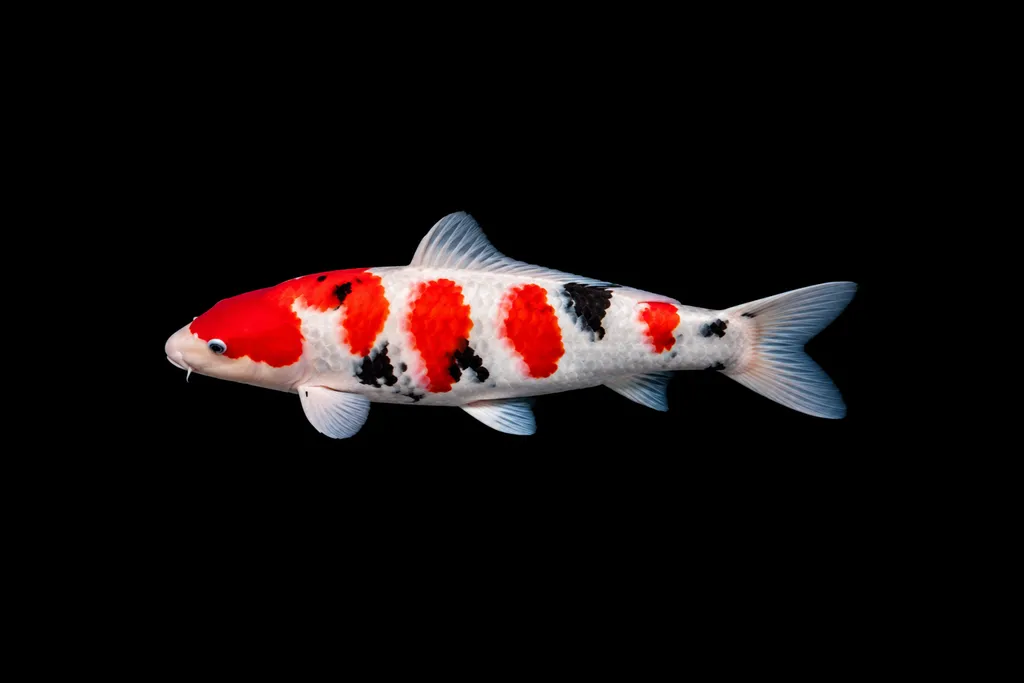
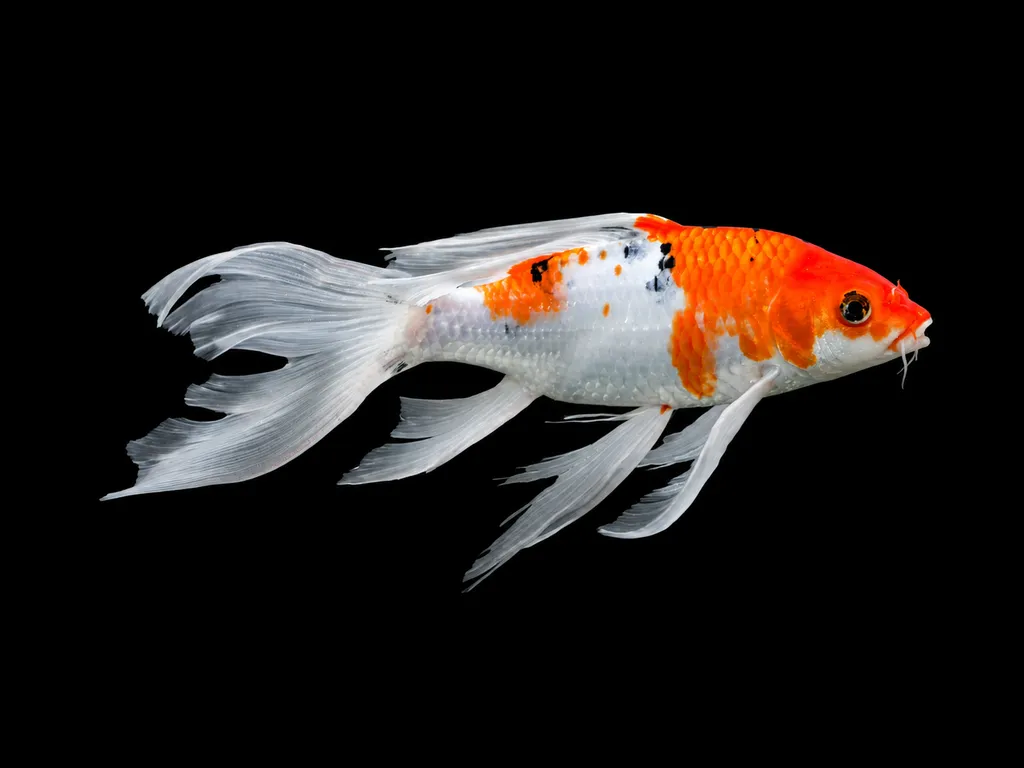
Taisho Sanke koi
Cyprinus rubrofuscus
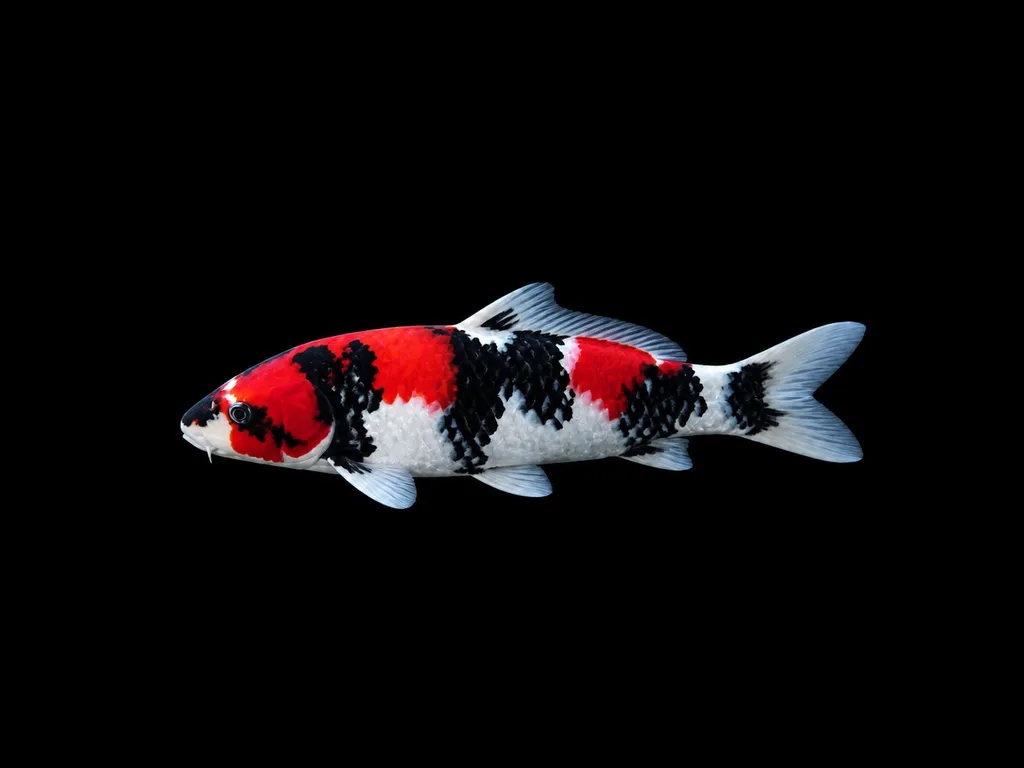
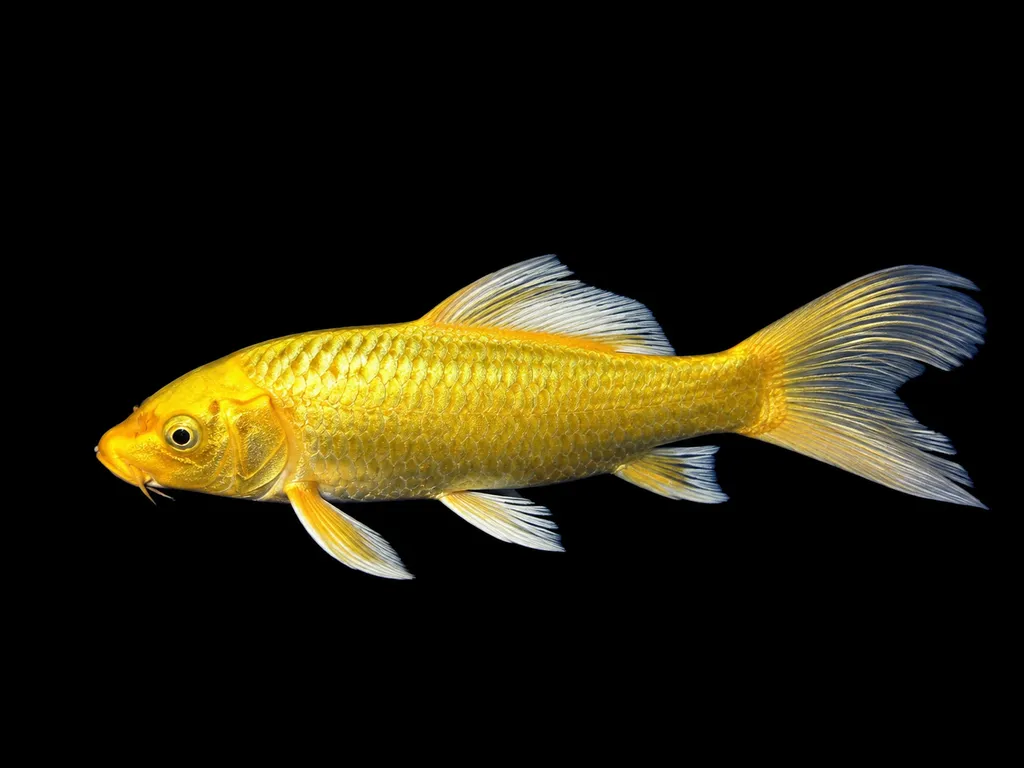
One of 5 varieties of Cyprinus rubrofuscus · See all varieties →
FreshwaterFish
Varieties · Cyprinus rubrofuscus
See all 5 →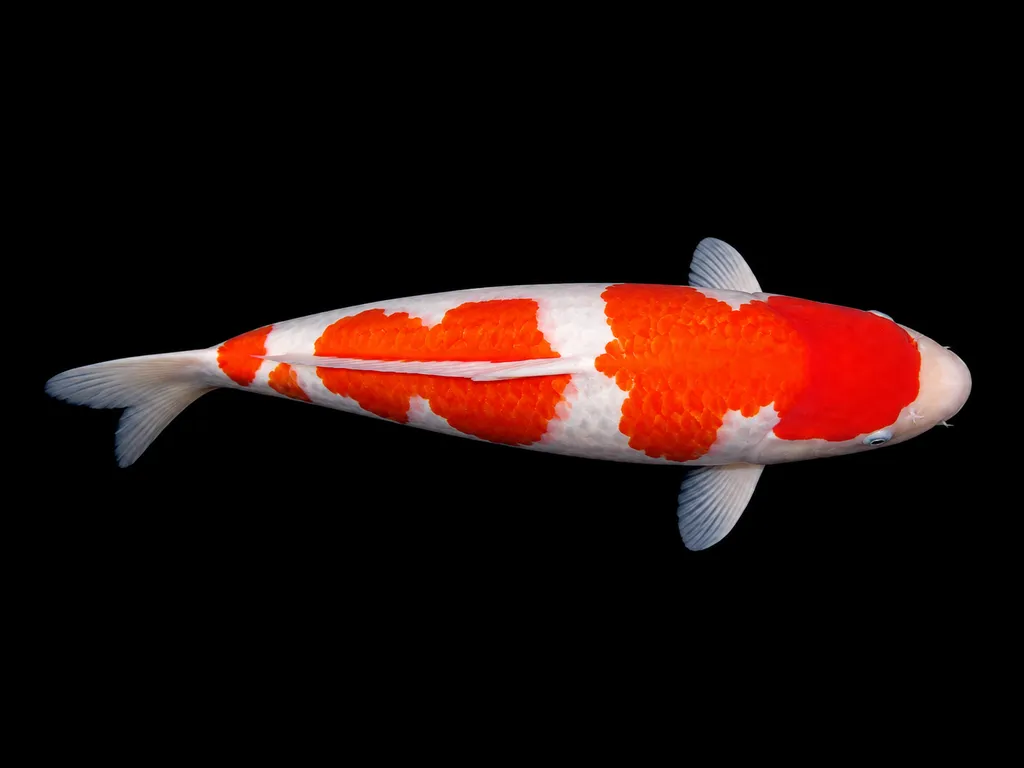
Care at a glance
- Temperature
- 39–81°F
- 4–27°C
- pH
- 7.0–8.5
- Adult size
- 23.6 in
- 60 cm
- Minimum tank
- 264 gal
- 1,000 L
- Temperament
- Peaceful
- Social behavior
- Social
- Tankmates
- With caution
- Swim level
- Bottom
- Diet
- Omnivore
- Difficulty
- Medium
- Breeding
- Medium
- Rarity
- Very common
- Family
- Cyprinidae
Overview
The Taisho Sanke koi is a Kohaku with black added, a red, white and black pond koi that stays near the bottom. It takes a little experience to keep well.
Did you know
The quickest way to tell a Taisho Sanke koi from a Showa is the pectoral fins. Sanke fins are usually plain white, while a Showa carries a black wedge at the fin base called motoguro. The head helps too, since a Sanke's head is normally red and white only.
Caring for the Taisho Sanke koi
Keep Taisho Sanke koi in a pond, not an aquarium. A single koi needs at least 264 gal (1,000 L) to start, and a group needs several thousand liters of pond. Strong filtration keeps up with these big, messy eaters.
Koi take a very wide temperature range, from 39 to 81°F (4 to 27°C), and a pH of 7.0 to 8.5. They stay active in summer and slow to near dormancy under winter ice. Aim for stable, well oxygenated, well filtered water rather than a narrow target.
Feed a varied omnivore diet of sinking koi pellets and greens, with occasional live or frozen foods. Sanke are peaceful and social, and they do fine alone or in a group. Keep them with goldfish and other large, peaceful pond fish. They uproot plants and eat anything small enough to swallow.
The Sanke pattern is polygenic, so a spawning also produces Kohaku, Bekko and plain fish. Breeding koi is a moderate challenge.
The white still has to be clean, as on a Kohaku, and the black is one more color that can go wrong. The black is often unfinished on a young fish, so a plain juvenile can improve while a busy one turns muddy. Domestic tank bred Sanke cost far less than Japanese imports and usually carry looser patterns.
Good to know
The Sanke's black comes from melanophores that keep developing long after the fish is sold, unlike the red, which is largely set early. Judges separate tsubo sumi, sitting on white, from kasane sumi, lying over red. Its full name, Taisho Sanshoku, means Taisho three colors, after the reign it was established in.
In the wild
The Taisho Sanke koi came out of Niigata during the Taisho era. Gonzo Hiroi first exhibited it in 1914, and Eizaburo Hoshino fixed it as a breed in 1917. Like every koi class, it is a pond selection, and no wild carp carries the pattern.
Common questions
Is a Taisho Sanke koi a different species from the koi?
No. A Taisho Sanke koi is a variety of the koi, Cyprinus rubrofuscus, and it wants the same tank, water and food as the species.
What size tank does a Taisho Sanke koi need?
A Taisho Sanke koi needs at least 264 gal (1,000 L). It spends most of its time in the bottom.
What does a Taisho Sanke koi eat?
A Taisho Sanke koi eats a varied omnivore diet of sinking koi pellets and greens. Give it occasional live or frozen foods too.
How big does a Taisho Sanke koi get?
An adult Taisho Sanke koi reaches about 23.6 in (60 cm).
How does a Taisho Sanke koi breed?
Taisho Sanke koi are a moderate challenge to breed. Their pattern is polygenic, so a spawning also gives Kohaku, Bekko and plain fish.
Related species
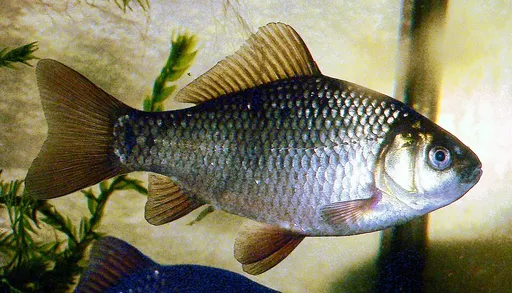 11.8 in (30 cm)119 gal (450 L)39–75°F (4–24°C)
Crucian carp
Carassius carassius
11.8 in (30 cm) · 119 gal (450 L)
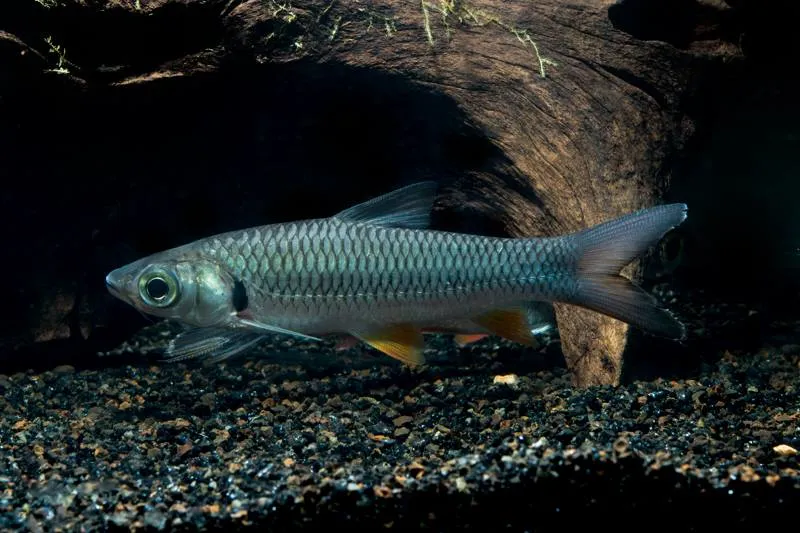 23.6 in (60 cm)317 gal (1,200 L)72–82°F (22–28°C)
Mad barb
Leptobarbus hoevenii
23.6 in (60 cm) · 317 gal (1,200 L)
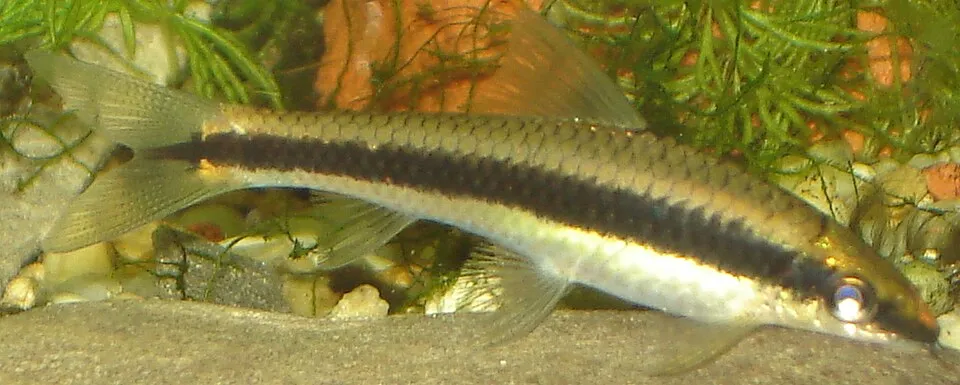 6.3 in (16 cm)37 gal (140 L)68–79°F (20–26°C)
Siamese algae eater
Crossocheilus oblongus
6.3 in (16 cm) · 37 gal (140 L)
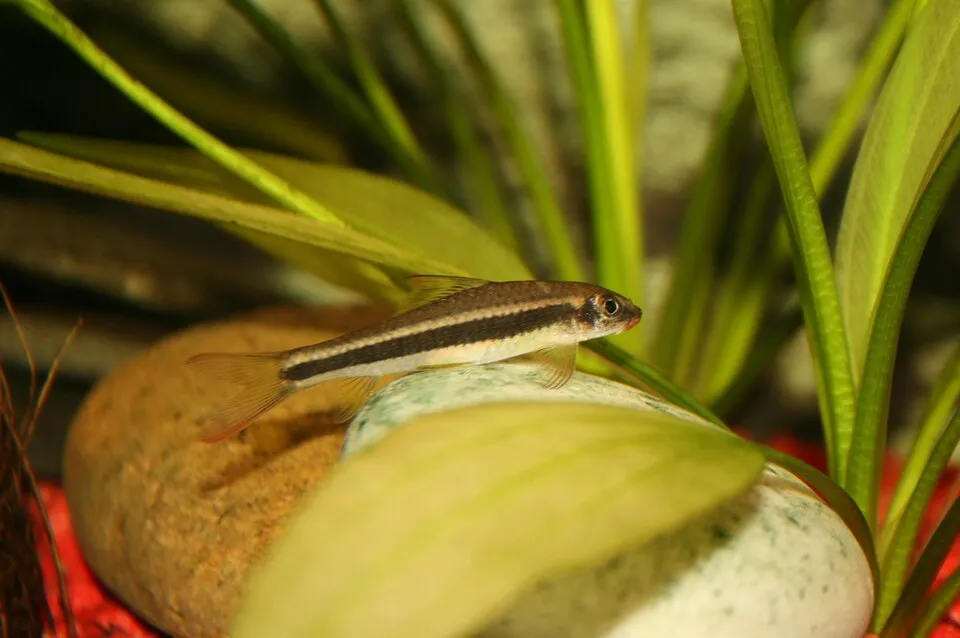 5.9 in (15 cm)63 gal (240 L)68–81°F (20–27°C)
Cambodian log sucker
Garra cambodgiensis
5.9 in (15 cm) · 63 gal (240 L)
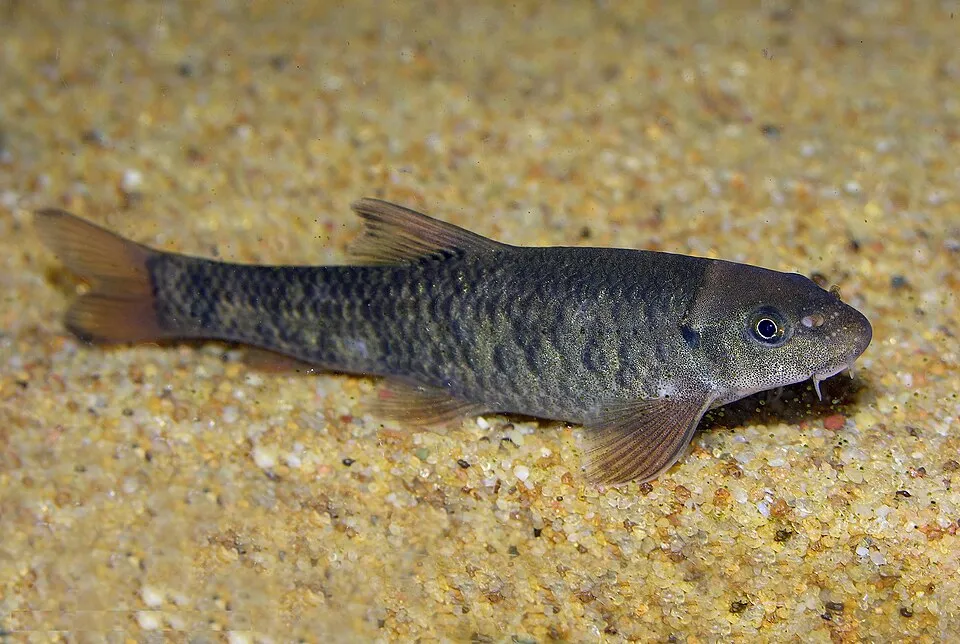 4.7 in (12 cm)63 gal (240 L)57–68°F (14–20°C)
Doctor fish
Garra rufa
4.7 in (12 cm) · 63 gal (240 L)
 23.6 in (60 cm)660 gal (2,500 L)68–79°F (20–26°C)
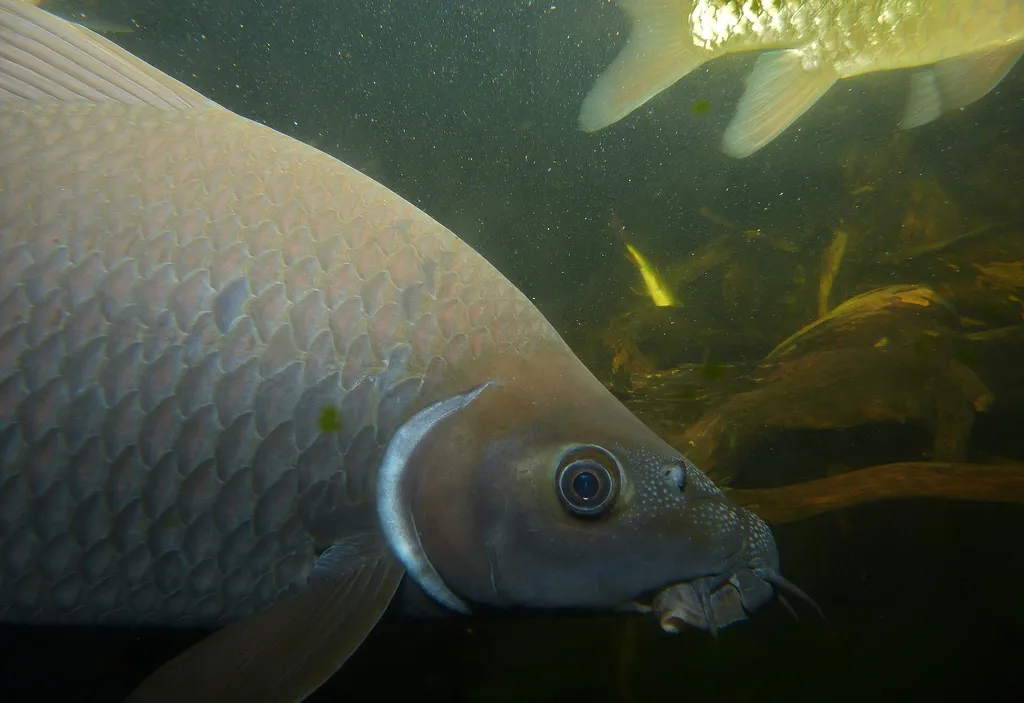
Black shark
Labeo chrysophekadion
23.6 in (60 cm) · 660 gal (2,500 L)