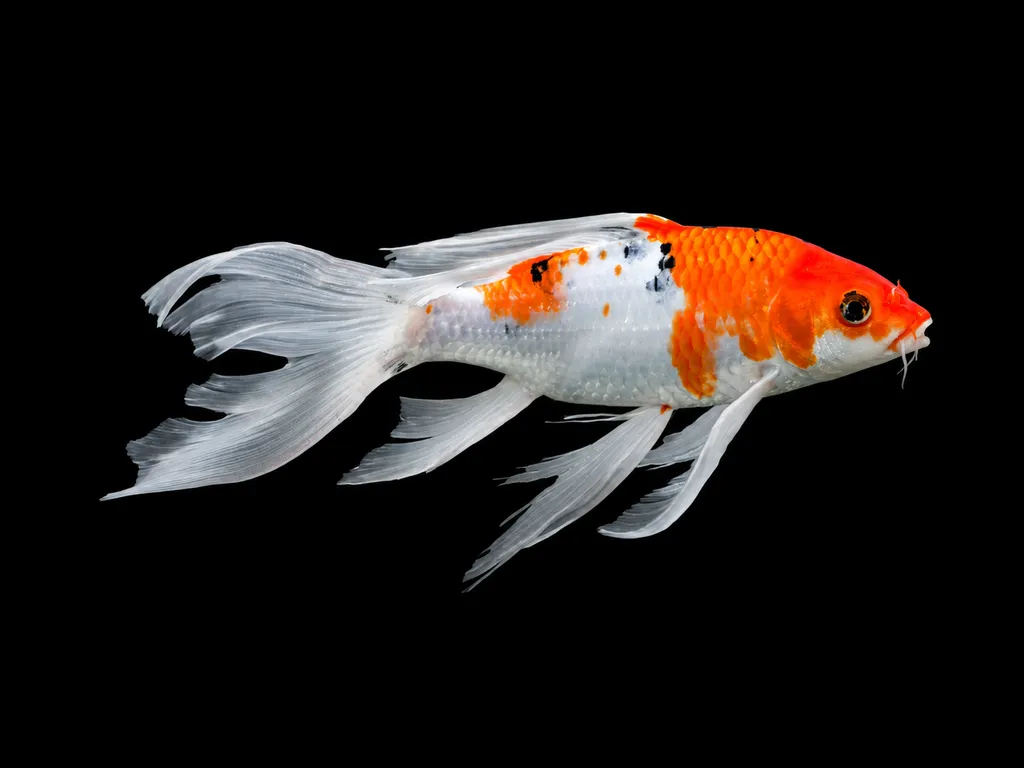
Butterfly is a fin type and not a color class, so the same fish can be a butterfly Kohaku or a butterfly Ogon. The long fins tear on sharp rock and net frames and drag against a strong return, so screen intakes and smooth edges. Ragged trailing edges are normal enough on this form that early fin rot is easy to overlook.
In the wild
Long finned carp from Indonesia were crossed into Japanese koi at the Saitama Prefectural Fisheries Experiment Station, which began the work in 1980. In Japan they are called onagagoi or hire naga nishikigoi, roughly long tail carp. The English name came from the United States, where Randy LeFever of Blue Ridge Fish Hatchery said they looked like butterflies.
Good to know
Blue Ridge Fish Hatchery reports the long fin trait is dominant. Crossing a butterfly back to a standard fin koi does not breed the fins out. Fins and barbels keep extending as the fish grows, which is why old butterflies look far more extreme than shop juveniles. Japan's Zen Nippon Airinkai has kept butterfly koi out of competitive judging for many years, though American koi clubs added judging standards for them in 2006.
Did you know
The long fins did not come from a fancy strain. They turned up on plain brown and gray carp living in Indonesian canals and ditches. Everything colorful about a butterfly koi was added later, by crossing those fish into ordinary nishikigoi.
Common questions
Is a Butterfly koi a different species from the Koi?
No. A Butterfly koi is a variety of the Koi, Cyprinus rubrofuscus, and it wants the same tank, water and food as the species.
What size tank does a Butterfly koi need?
A Butterfly koi needs at least 264 gal (1,000 L). It spends most of its time in the bottom.
How big does a Butterfly koi get?
An adult Butterfly koi reaches about 23.6 in (60 cm).
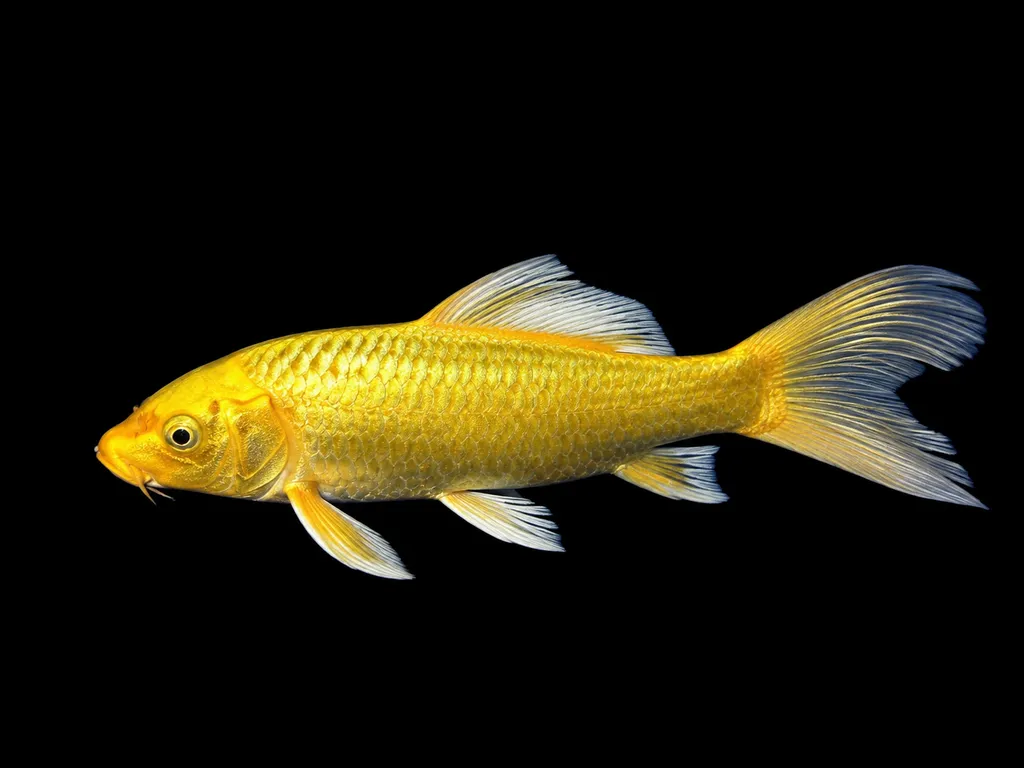
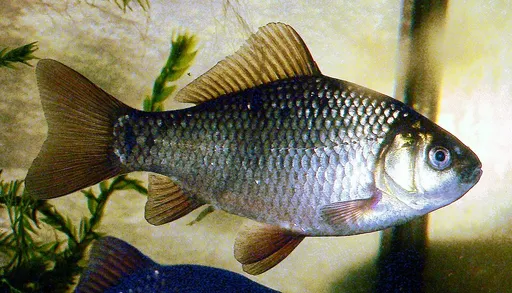 11.8 in (30 cm)119 gal (450 L)39–75°F (4–24°C)
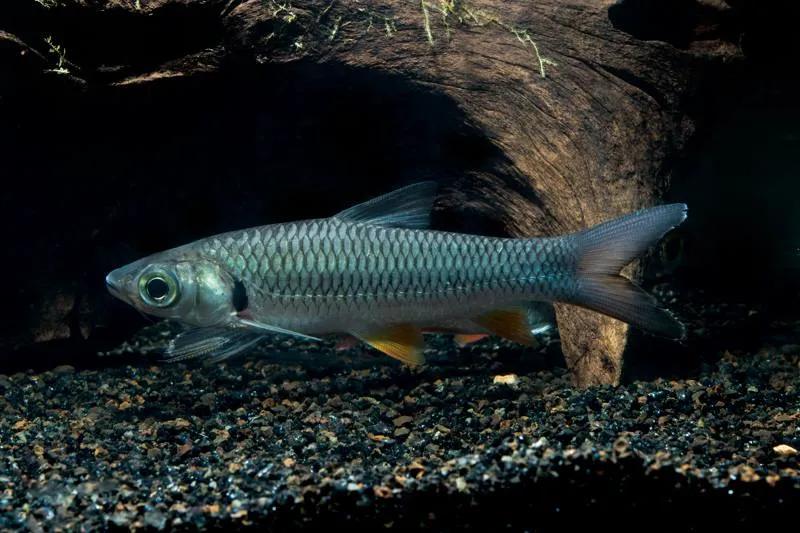 23.6 in (60 cm)317 gal (1,200 L)72–82°F (22–28°C)
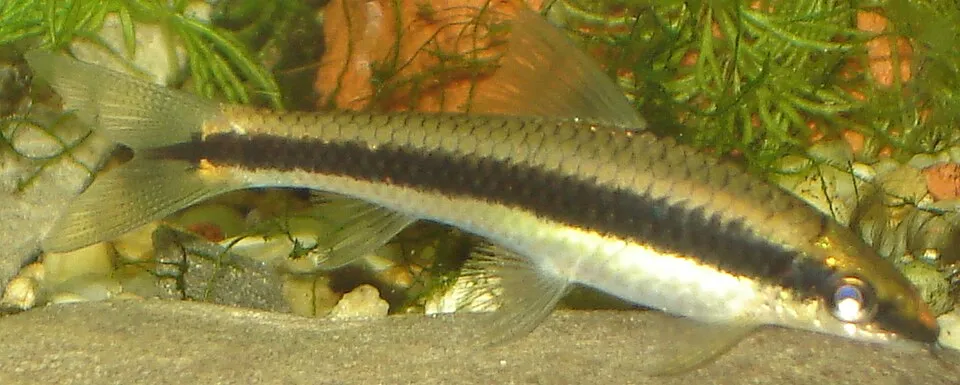 6.3 in (16 cm)37 gal (140 L)68–79°F (20–26°C)
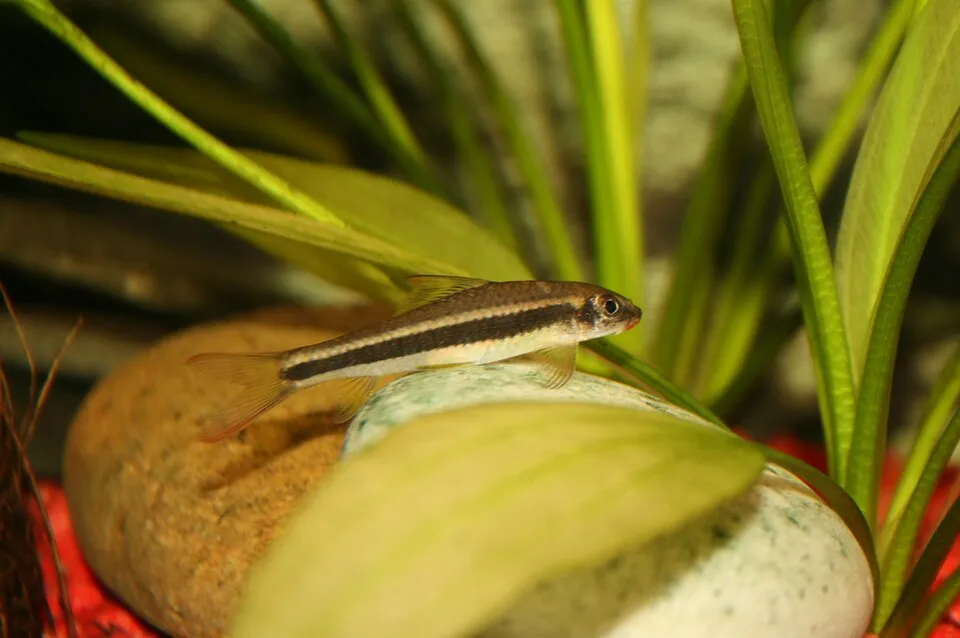 5.9 in (15 cm)32 gal (120 L)68–81°F (20–27°C)
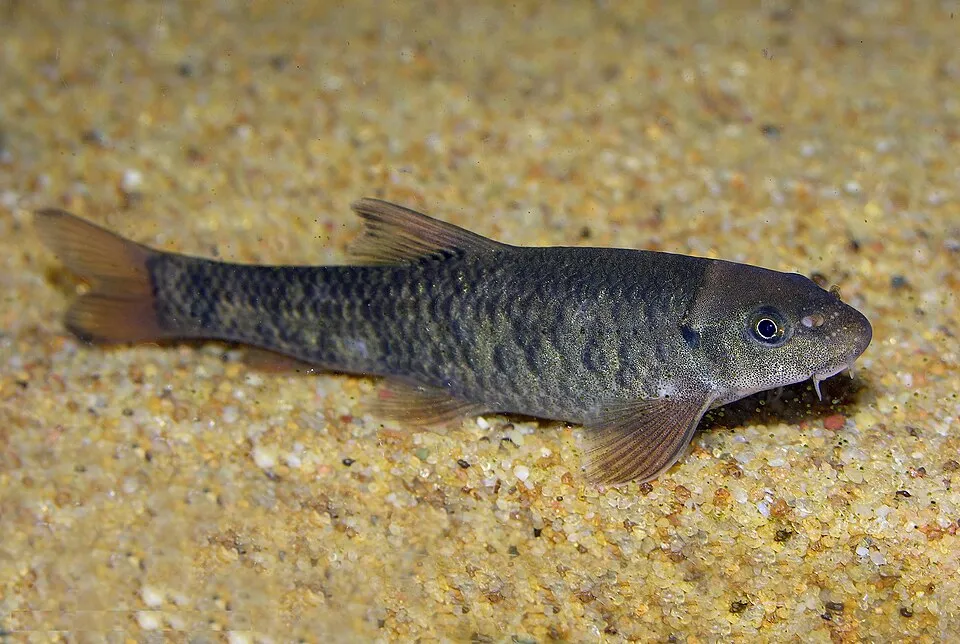 4.7 in (12 cm)29 gal (110 L)57–68°F (14–20°C)
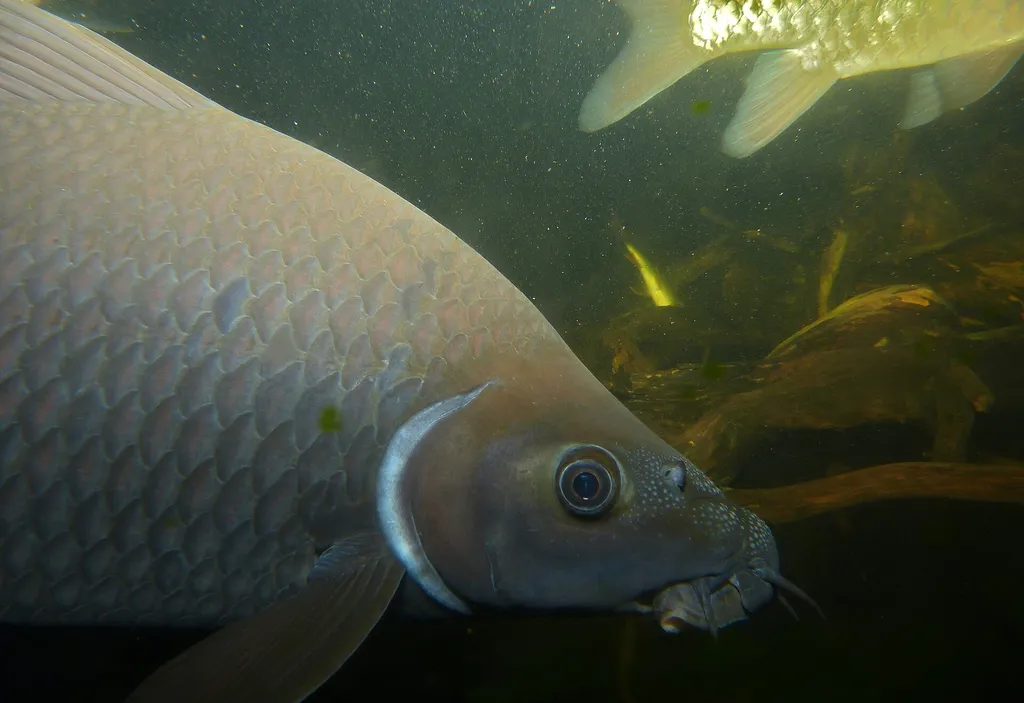 23.6 in (60 cm)660 gal (2,500 L)68–79°F (20–26°C)