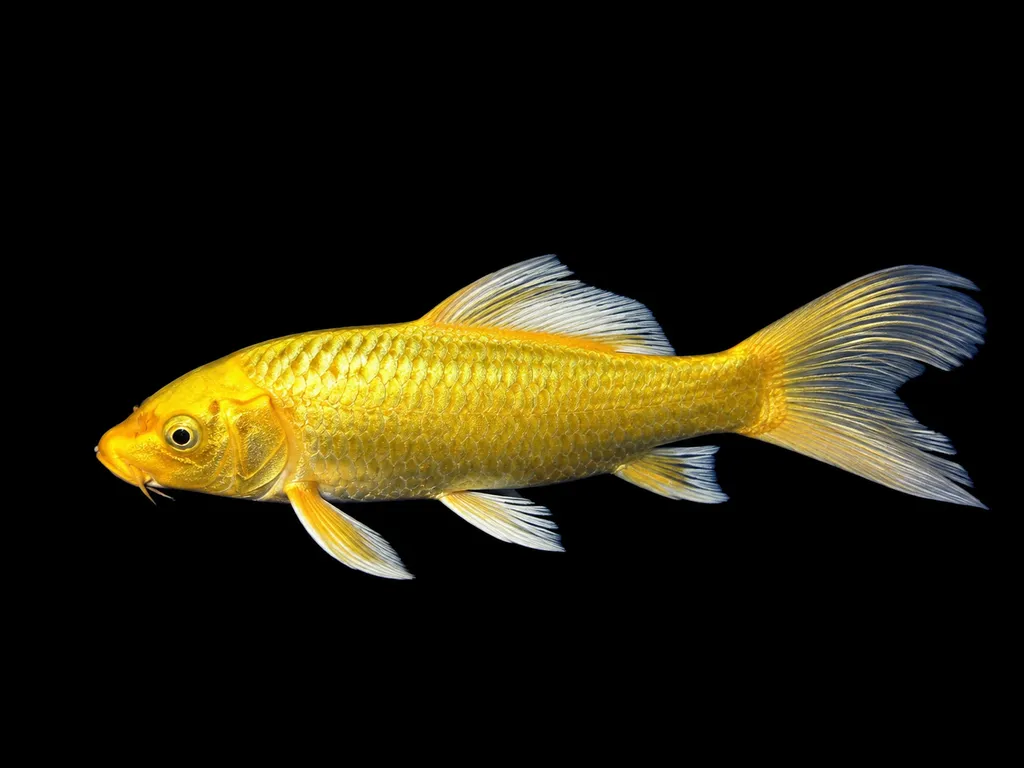
The Ogon koi is a solid metallic koi with no pattern, a pond fish that keeps mostly to the bottom. It needs a keeper with a little experience.
Did you know
The Ogon koi started from an ordinary wild carp noticed for a gold stripe, not from a bred ornamental. Every metallic koi class that followed, Platinum Ogon included, is built on the finish Sawata Aoki fixed. Breeders have since crossed the metallic skin onto ginrin scaled koi, giving a metallic body with sparkling scales.
Caring for the Ogon koi
Ogon koi belong in a pond, since koi are not aquarium fish. Plan on at least 264 gal (1,000 L) for one fish and a pond of several thousand liters for a group. Big, messy eaters like koi need strong filtration.
Koi handle a very wide temperature swing, from 39 to 81°F (4 to 27°C), and a pH of 7.0 to 8.5. They are active in summer warmth and close to dormant under winter ice. Stable, clean, well oxygenated water matters far more than any narrow target.
Feed a varied omnivore diet of sinking koi pellets and greens, with live or frozen foods now and then. Ogon koi are peaceful and social, and they do fine alone or in a group. They live well with goldfish and other large, peaceful pond fish. They also uproot plants and eat anything small enough to swallow.
An Ogon comes truer from a spawning than the patterned classes do, because it has no pattern to segregate. Breeding koi is a moderate challenge.
Judge an Ogon on how even its metallic sheen is and how cleanly its scale rows line up. Every scratch, scar and gray patch shows on a solid color, so shipping damage is more obvious than on a patterned koi.
Good to know
The Ogon's shine comes from guanine crystals in iridophore cells under the scales. Keepers call the reflective skin around each scale edge fukurin. Shops split Ogon by color into Yamabuki for gold, Platinum for silver white and Orenji for orange, plus mixed assorted groups. Crossing the metallic layer into patterned koi produced the whole Hikarimoyo group, including Kujaku and Yamato Nishiki.
In the wild
Sawata Aoki created the Ogon koi in Niigata, beginning with a fish caught in 1921. He bred the shiniest offspring on for about twenty five years. Two fish finally came out with an even gold sheen over the whole body, usually dated to 1946, though some accounts say 1947. The all over metallic finish is a pond selection, since the wild fish it started from carried only a partial shine.
Common questions
Is an Ogon koi a different species from the koi?
No. An Ogon koi is a variety of the koi, Cyprinus rubrofuscus, and it wants the same tank, water and food as the species.
What size tank does an Ogon koi need?
An Ogon koi needs at least 264 gal (1,000 L). It spends most of its time in the bottom.
What does an Ogon koi eat?
An Ogon koi eats a varied omnivore diet of sinking koi pellets and greens, with live or frozen foods now and then.
How big does an Ogon koi get?
An adult Ogon koi reaches about 23.6 in (60 cm).
How does an Ogon koi breed?
Ogon koi come truer from a spawning than the patterned classes, since they have no pattern to segregate. They are a moderate challenge to breed.
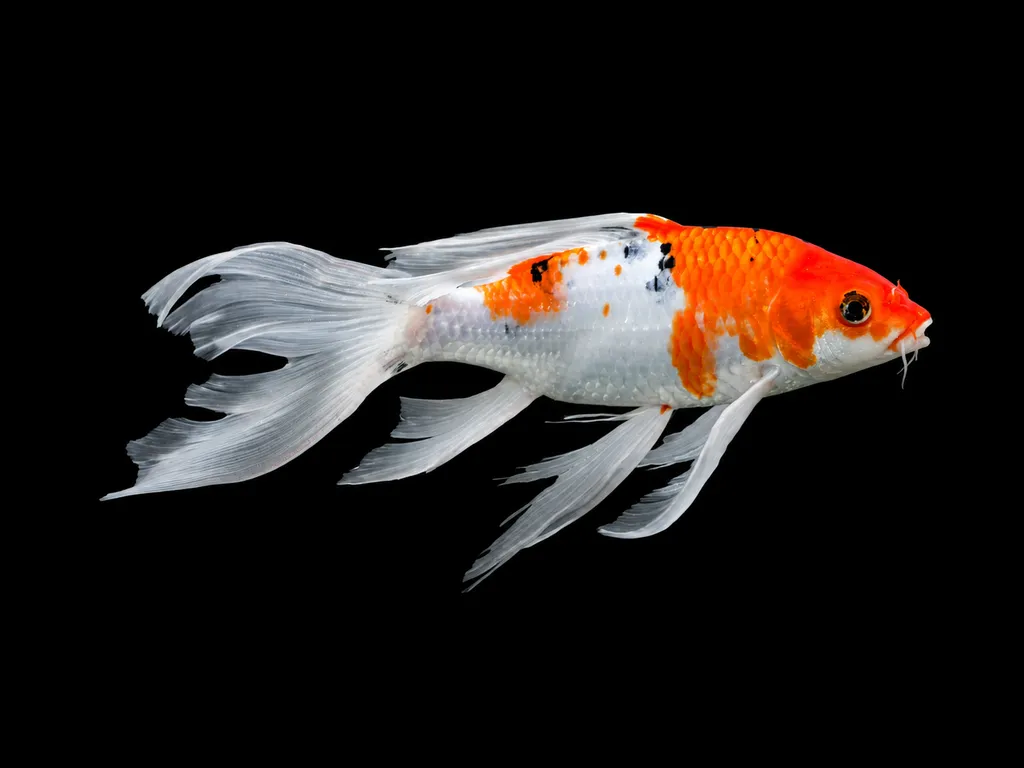
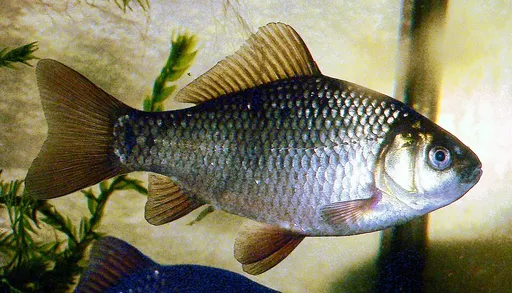 11.8 in (30 cm)119 gal (450 L)39–75°F (4–24°C)
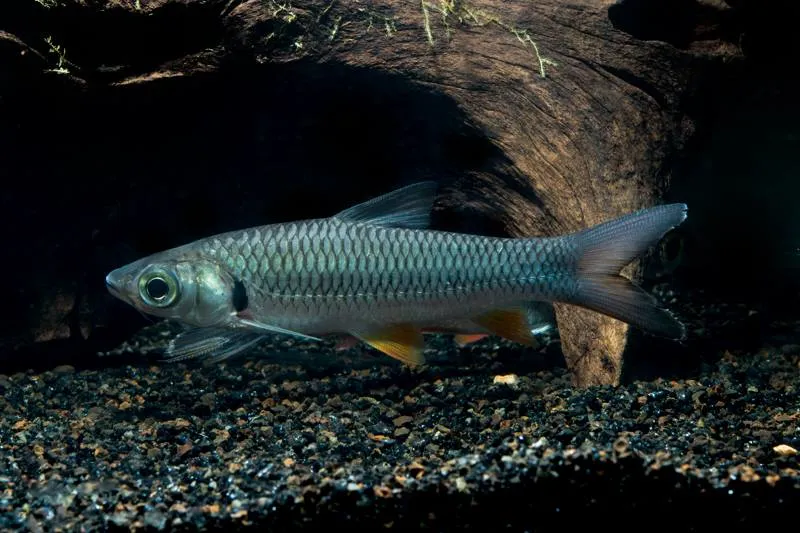 23.6 in (60 cm)317 gal (1,200 L)72–82°F (22–28°C)
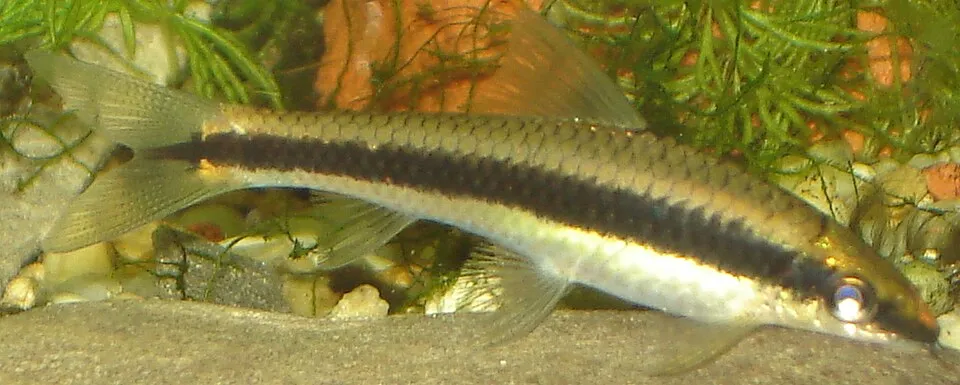 6.3 in (16 cm)37 gal (140 L)68–79°F (20–26°C)
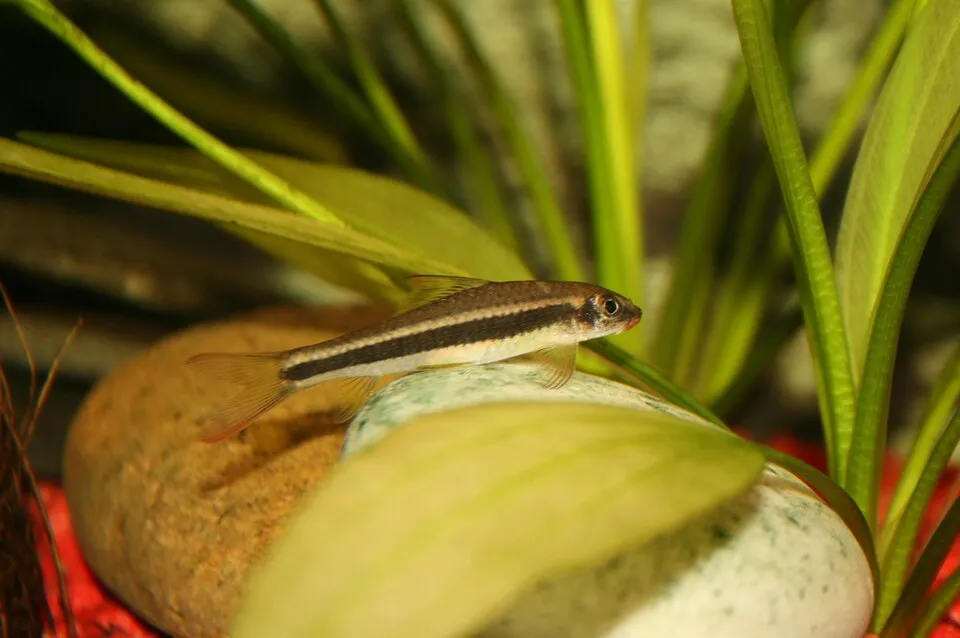 5.9 in (15 cm)63 gal (240 L)68–81°F (20–27°C)
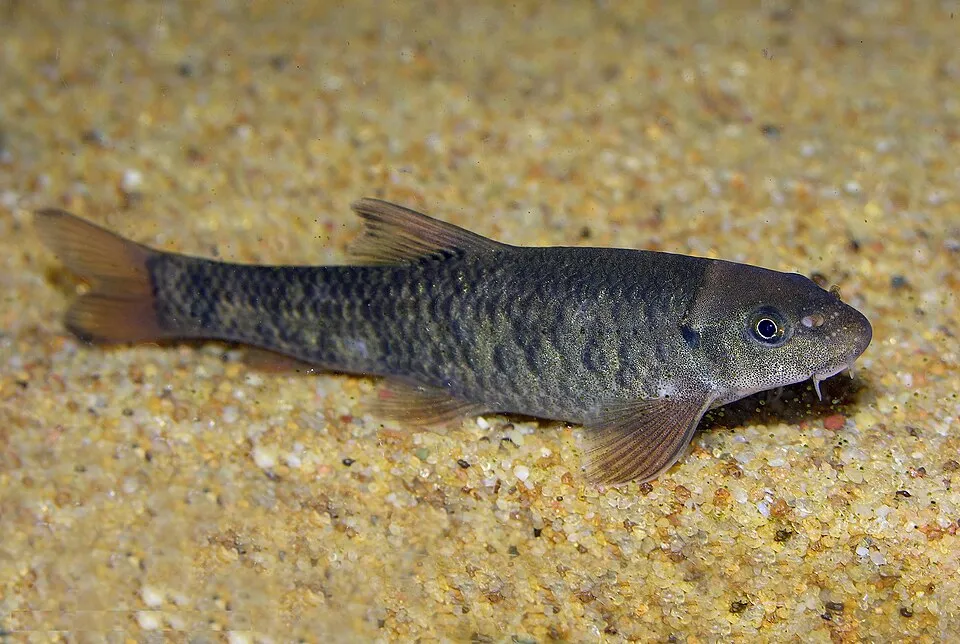 4.7 in (12 cm)63 gal (240 L)57–68°F (14–20°C)
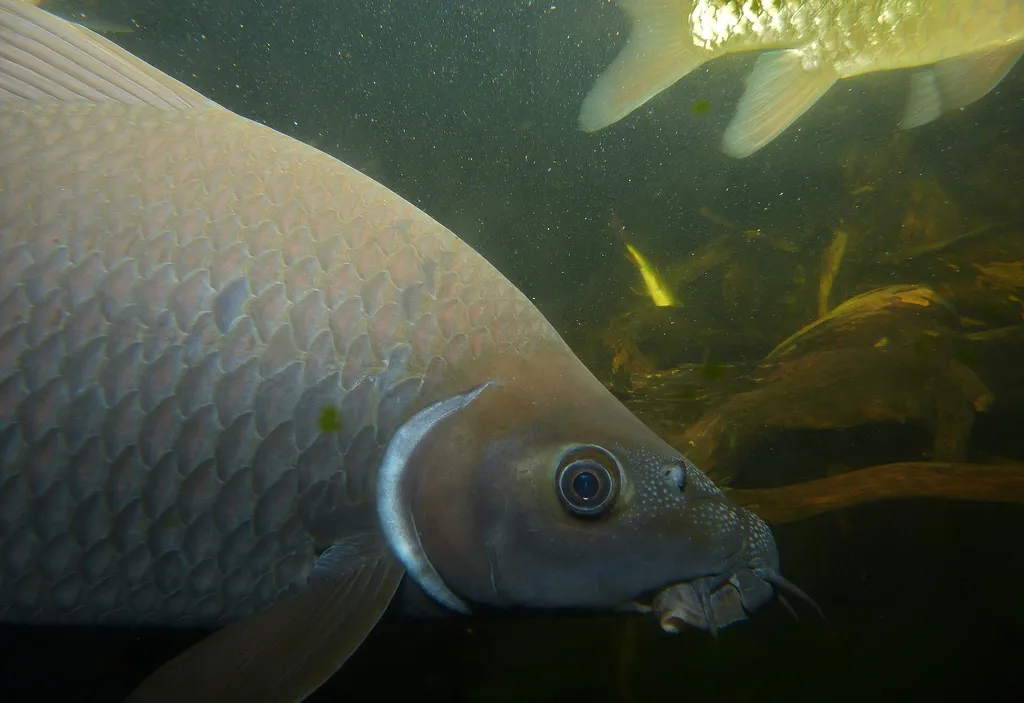 23.6 in (60 cm)660 gal (2,500 L)68–79°F (20–26°C)