Candy cane coral
Caulastraea furcata
Also known as Trumpet Coral, Bullseye Coral, Caulastrea
SaltwaterCoral
Care at a glance
- Temperature
- 75–81°F
- 24–27°C
- pH
- 8.1–8.4
- Adult size
- 7.9 in
- 20 cm
- Minimum tank
- 11 gal
- 40 L
- Temperament
- Mostly peaceful
- Social behavior
- Solitary
- Swim level
- Bottom
- Difficulty
- Medium
- Breeding
- Medium
- Rarity
- Common
- Reef safe
- Reef safe
- Family
- Merulinidae
- Origin
- Indo-Pacific
Overview
A hardy and forgiving LPS that is only mildly aggressive. It does not throw long sweepers like Euphyllia, but its stinging tentacles can reach about 2 inches, so still leave a little space from neighbors. Spot feeding mysis, krill or LPS pellets two to three times a week spurs growth. Easily fragged by cutting between heads.
In the wild
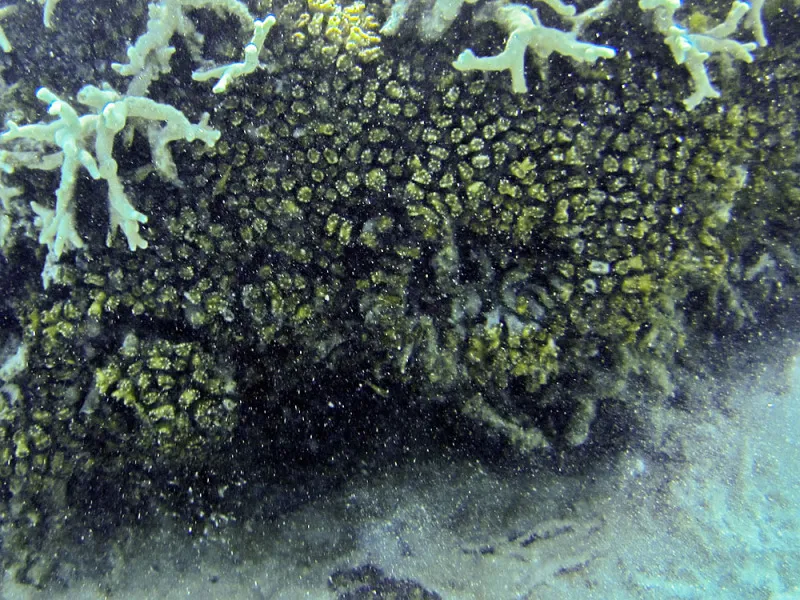
Candy cane, or trumpet coral, grows on Indo-Pacific reefs as clusters of rounded fleshy heads on trumpet-shaped stalks, often with contrasting striped or bullseye centers. It is undemanding on light, doing well anywhere from about 50 to 150 PAR, and prefers low to moderate flow, since too much current makes the heads lose their plump look. It is a great bottom or lower-rock coral at 24 to 27 C and pH 8.1 to 8.4.
Good to know
Caulastraea furcata is a large polyp stony coral in the family Merulinidae that forms phaceloid colonies, meaning each corallite sits on its own separate branching stalk. It is photosynthetic but readily captures food, and colonies grow by dividing existing heads. Its stinging tentacles reach only about 2 inches.
Did you know
Candy cane is one of the most beginner-forgiving LPS corals and multiplies simply by splitting its own heads, so a small cluster slowly fills out into a dense colony on its own.
Common questions
What size tank does a Candy cane coral need?
A Candy cane coral needs at least 11 gal (40 L). It spends most of its time in the bottom.
What temperature and pH does a Candy cane coral need?
A Candy cane coral is comfortable at 75–81°F (24–27°C) with a pH of 8.1–8.4.
How big does a Candy cane coral get?
An adult Candy cane coral reaches about 7.9 in (20 cm).
Related species
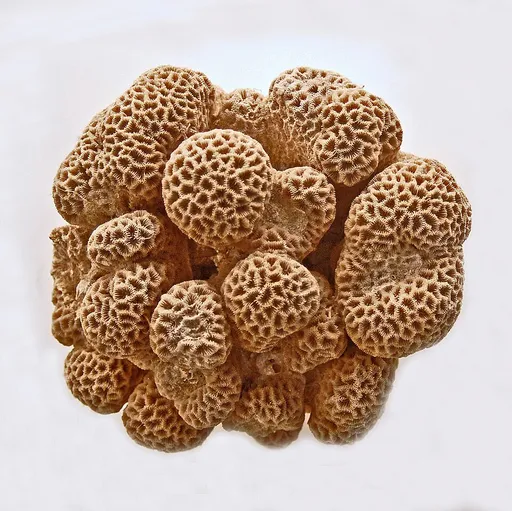 7.9 in (20 cm)20 gal (75 L)75–81°F (24–27°C)
Honeycomb coral
Goniastrea
7.9 in (20 cm) · 20 gal (75 L)
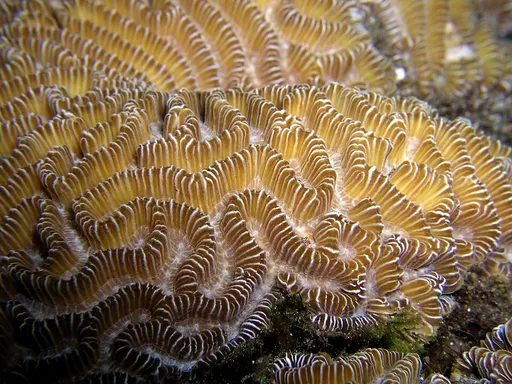 9.8 in (25 cm)20 gal (75 L)75–81°F (24–27°C)
Maze brain coral
Platygyra
9.8 in (25 cm) · 20 gal (75 L)
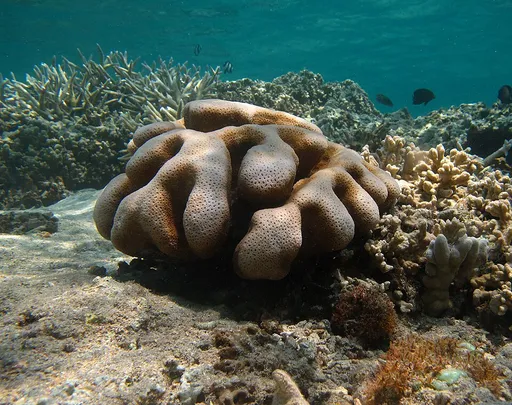 9.8 in (25 cm)20 gal (75 L)75–81°F (24–27°C)
Meteor shower coral
Cyphastrea serailia
9.8 in (25 cm) · 20 gal (75 L)
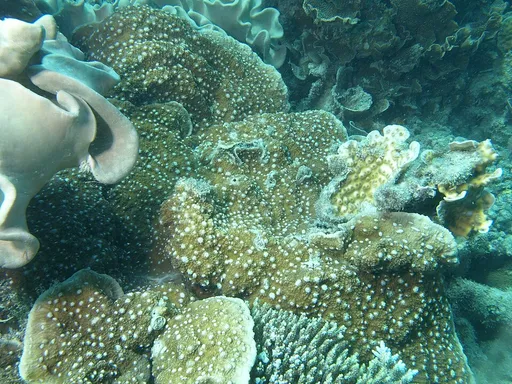 9.8 in (25 cm)26 gal (100 L)75–81°F (24–27°C)
Oxypora chalice coral
Oxypora lacera
9.8 in (25 cm) · 26 gal (100 L)
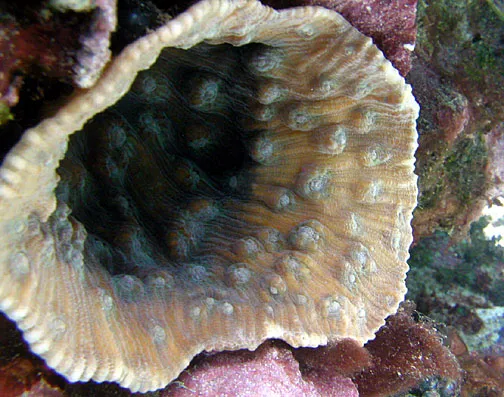 9.8 in (25 cm)26 gal (100 L)75–81°F (24–27°C)
Peacock chalice coral
Mycedium elephantotus
9.8 in (25 cm) · 26 gal (100 L)
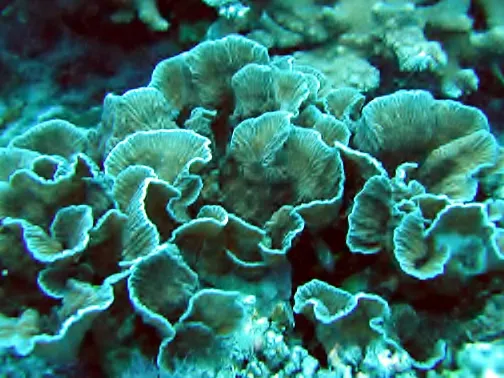 9.8 in (25 cm)26 gal (100 L)75–81°F (24–27°C)
Ruffled coral
Merulina ampliata
9.8 in (25 cm) · 26 gal (100 L)