Peacock chalice coral
Mycedium elephantotus
Also known as Elephant Nose Coral, Peacock Coral, Green Eyed Cup Coral, Chalice Coral, Mycedium
SaltwaterCoral
Care at a glance
- Temperature
- 75–81°F
- 24–27°C
- pH
- 8.1–8.4
- Adult size
- 9.8 in
- 25 cm
- Minimum tank
- 26 gal
- 100 L
- Temperament
- Mostly peaceful
- Social behavior
- Solitary
- Swim level
- Bottom
- Diet
- Photosynthetic
- Difficulty
- Easy
- Breeding
- Hard
- Rarity
- Common
- Reef safe
- Reef safe
- Family
- Merulinidae
- Origin
- Grows on Indo-Pacific reef slopes, commonly imported from Fiji and the wider western Pacific.
Overview
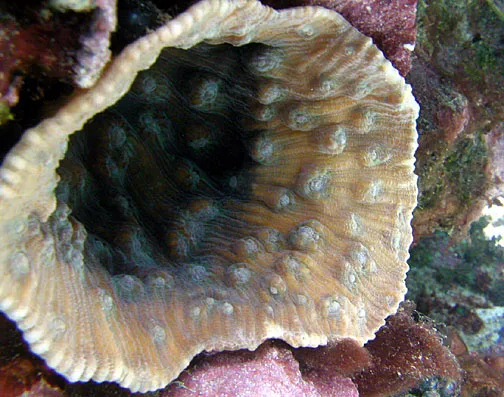
The peacock chalice coral is a plating chalice coral for the rockwork of a reef tank, and an easy one to keep.
Did you know
Chalice corals like the peacock chalice are prized for the glowing eyes scattered across the plate. Rare color combinations sell under a long list of designer trade names.
Caring for the peacock chalice coral
Give the peacock chalice coral moderate light and moderate to strong flow. Place it on rock where debris cannot settle on the plates, in a reef of at least 26 gal (100 L).
Hold reef chemistry steady, with calcium and alkalinity in the reef range. Keep the water at 75 to 81°F (24 to 27°C) and a pH of 8.1 to 8.4. It runs mostly on light but takes small planktonic foods, such as rotifers and copepods, after dark. Give it room, since chalices can extend sweeper tentacles at night to defend territory.
Good to know
Mycedium elephantotus is a large polyp stony coral, one of three main chalice genera in the family Merulinidae along with Echinophyllia and Oxypora. Older references placed it in the family Pectiniidae, which has since been folded into Merulinidae. Its smooth skin is dotted with raised corallites that tilt outward like little noses or eyes, all pointing toward the colony edge. Those tilted corallites are the reason for the elephant nose nickname. Colors are often green, red, orange and purple, with the raised eyes lit up in contrasting tones.
In the wild
The peacock chalice coral grows on Indo-Pacific reef slopes and is commonly imported from Fiji and the wider western Pacific. It forms thin plates, much like a Montipora cap, and can cup upward at the rim as it matures.
Common questions
What size tank does a peacock chalice coral need?
A peacock chalice coral needs at least 26 gal (100 L).
What temperature and pH does a peacock chalice coral need?
A peacock chalice coral is comfortable at 75–81°F (24–27°C) with a pH of 8.1–8.4.
What does a peacock chalice coral eat?
A peacock chalice coral runs mostly on light. After dark it also takes small planktonic foods such as rotifers and copepods.
How big does a peacock chalice coral get?
An adult peacock chalice coral reaches about 9.8 in (25 cm).
Related species
 9.8 in (25 cm)20 gal (75 L)75–81°F (24–27°C)
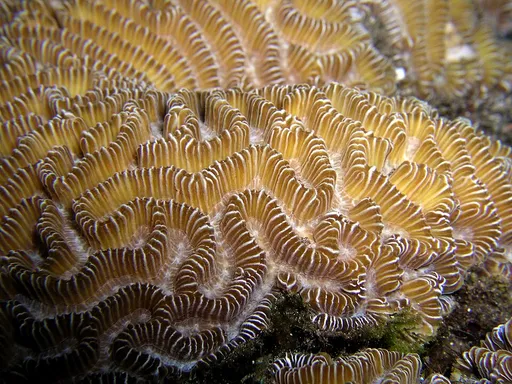
Maze brain coral
Platygyra
9.8 in (25 cm) · 20 gal (75 L)
 9.8 in (25 cm)20 gal (75 L)75–81°F (24–27°C)
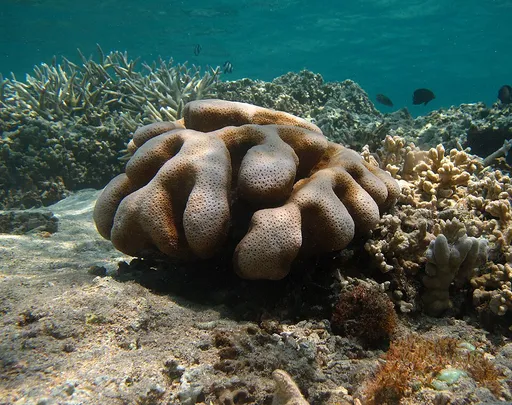
Meteor shower coral
Cyphastrea serailia
9.8 in (25 cm) · 20 gal (75 L)
 9.8 in (25 cm)26 gal (100 L)75–81°F (24–27°C)
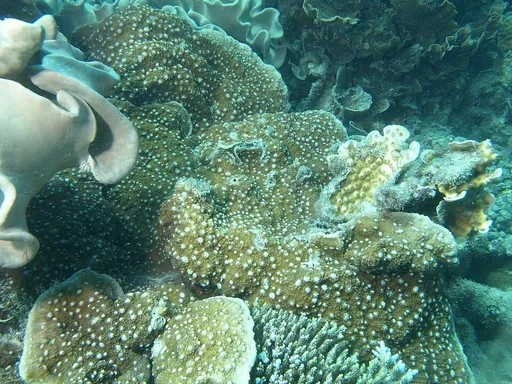
Oxypora chalice coral
Oxypora lacera
9.8 in (25 cm) · 26 gal (100 L)
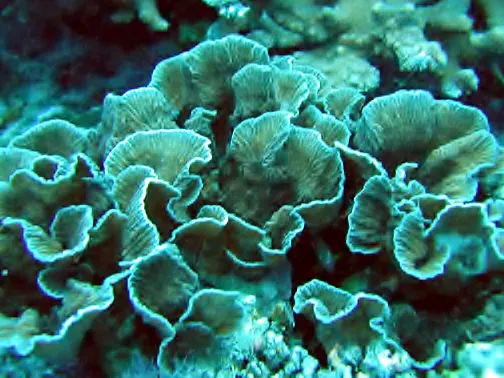 9.8 in (25 cm)26 gal (100 L)75–81°F (24–27°C)
Ruffled coral
Merulina ampliata
9.8 in (25 cm) · 26 gal (100 L)
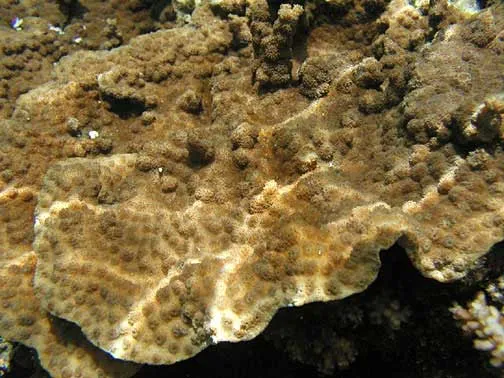 11.8 in (30 cm)26 gal (100 L)75–81°F (24–27°C)
Hedgehog coral
Echinopora lamellosa
11.8 in (30 cm) · 26 gal (100 L)
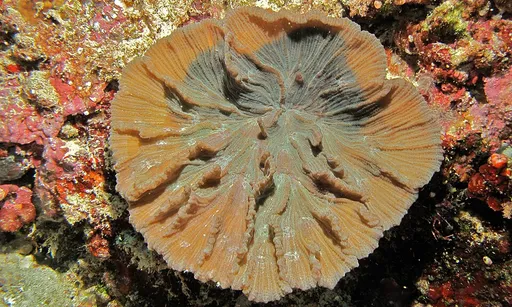 11.8 in (30 cm)20 gal (75 L)75–81°F (24–27°C)
Pectinia coral
Pectinia
11.8 in (30 cm) · 20 gal (75 L)