Chalice coral
Echinophyllia
Also known as Chalice, Rainbow Chalice Coral
SaltwaterCoral
Care at a glance
- Temperature
- 75–81°F
- 24–27°C
- pH
- 8.1–8.4
- Adult size
- 13.8 in
- 35 cm
- Minimum tank
- 20 gal
- 75 L
- Temperament
- Mostly peaceful
- Social behavior
- Solitary
- Swim level
- Bottom
- Difficulty
- Medium
- Breeding
- Medium
- Rarity
- Common
- Reef safe
- Reef safe
- Family
- Lobophylliidae
- Origin
- Indo-Pacific reefs, from the Red Sea and East Africa to French Polynesia, typically on lagoon slopes, reef crests and deeper reef zones
Overview
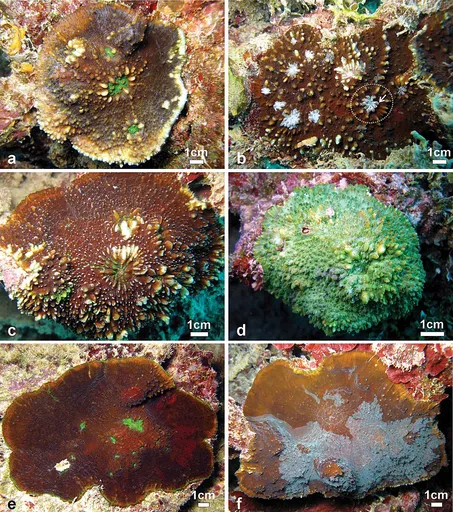
Chalice corals extend sweeper tentacles at night that can reach several inches and leave a chemical burn on contact, so give it at least 6 inches of open water on every side rather than nestling it next to other corals. It feeds well on small meaty foods such as mysis, coral pellets or phytoplankton, spot fed with a turkey baster two or three times a week directly onto the polyps, which tends to sharpen its color over time. Growth is slow to moderate and mostly outward across the rock, so a colony placed with room to spread will fill in without needing to be moved. It is one of the most heavily collected corals in the reef hobby for its color alone, and individual prized morphs can command high prices.
In the wild
Echinophyllia grows on lagoon slopes, reef crests and deeper reef zones across the Indo-Pacific, from the Red Sea and East Africa to French Polynesia, generally more common in deeper, dimmer water than most LPS. In the tank it wants moderate light, roughly 100 to 150 PAR, since too much light tends to wash out its fluorescent colors and can cause tissue recession. It likes gentle to moderate indirect flow across the face of the plate and does poorly under a strong direct jet. Place it mid to lower on the rockwork, ideally on a ledge or angled face, at 24 to 27 C and pH 8.1 to 8.4, with clearance from anything it could reach.
Good to know
Echinophyllia is a large polyp stony coral now placed in the family Lobophylliidae, alongside genera like Acanthastrea and Micromussa, after the older chalice family Pectiniidae was broken apart by genetic studies. It builds a heavily folded, encrusting to plating skeleton, and much of its tissue produces intense fluorescent pigments that show best under blue actinic light. In the hobby, Echinophyllia anchors the wider group of corals sold as chalices, which also includes the closely related genus Oxypora and the more distantly related Mycedium, all traded on the strength of their color rather than any one particular growth form.
Did you know
Chalice colors are prized enough that some individual Echinophyllia frags with rare color combinations have sold for hundreds of dollars for a piece barely the size of a coin, based purely on how their fluorescent pigments read under aquarium lighting.
Common questions
What size tank does a Chalice coral need?
A Chalice coral needs at least 20 gal (75 L). It spends most of its time in the bottom.
What temperature and pH does a Chalice coral need?
A Chalice coral is comfortable at 75–81°F (24–27°C) with a pH of 8.1–8.4.
How big does a Chalice coral get?
An adult Chalice coral reaches about 13.8 in (35 cm).
Related species
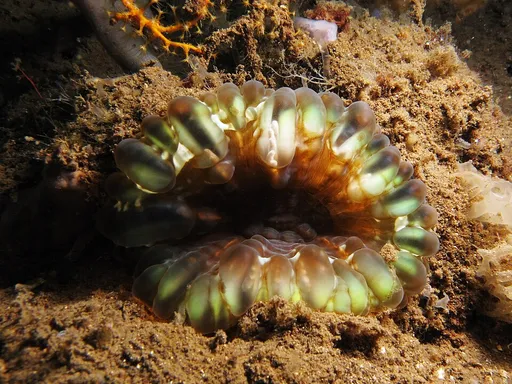 9.8 in (25 cm)11 gal (40 L)75–81°F (24–27°C)
Donut coral
Acanthophyllia deshayesiana
9.8 in (25 cm) · 11 gal (40 L)
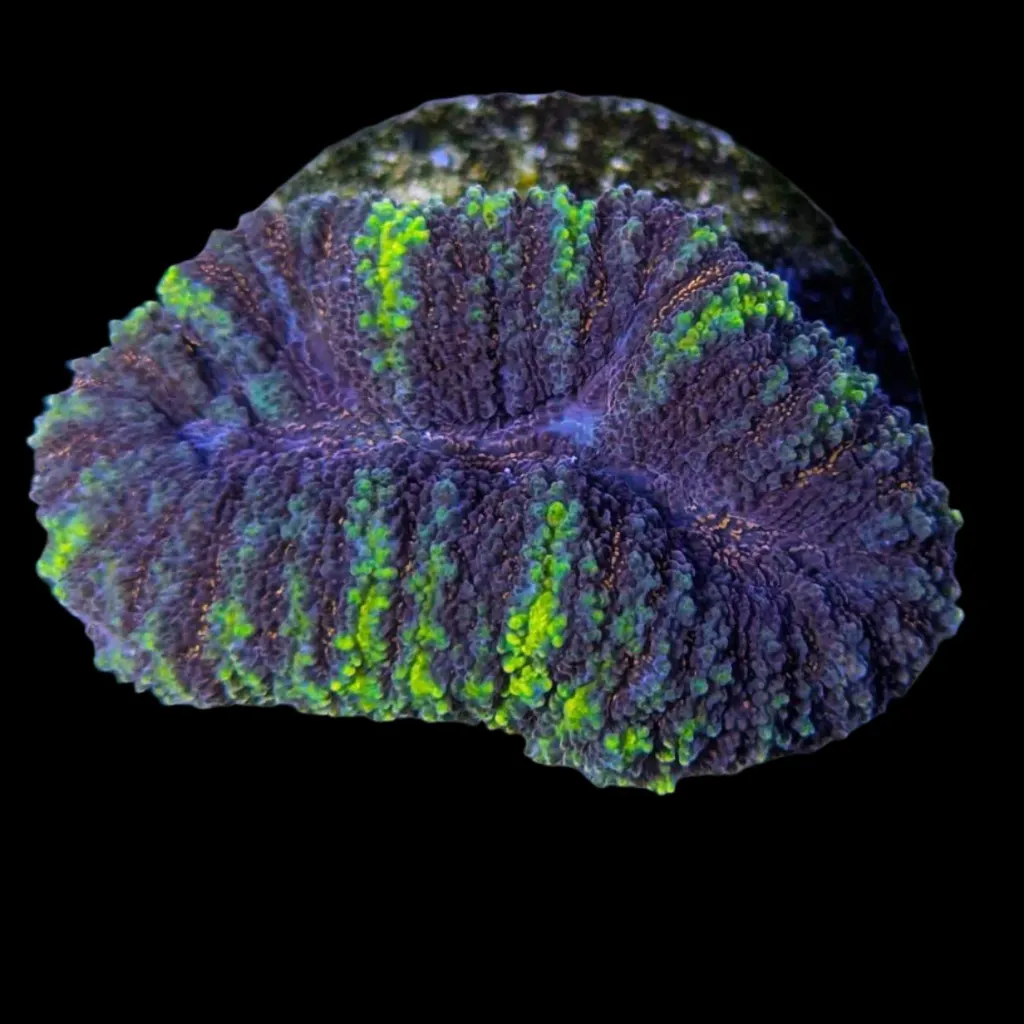 9.8 in (25 cm)26 gal (100 L)75–81°F (24–27°C)
Grooved brain coral
Lobophyllia recta
9.8 in (25 cm) · 26 gal (100 L)
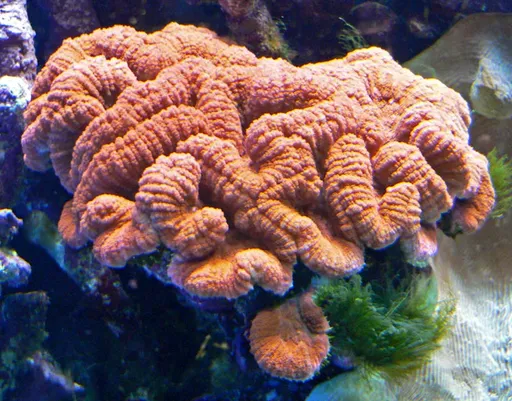 9.8 in (25 cm)20 gal (75 L)75–81°F (24–27°C)
Lobed brain coral
Lobophyllia
9.8 in (25 cm) · 20 gal (75 L)
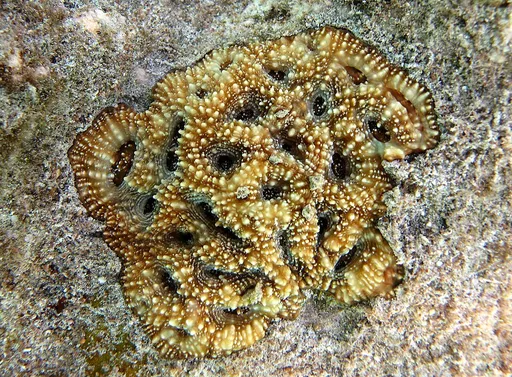 7.9 in (20 cm)11 gal (40 L)75–81°F (24–27°C)
Acan coral
Acanthastrea echinata
7.9 in (20 cm) · 11 gal (40 L)
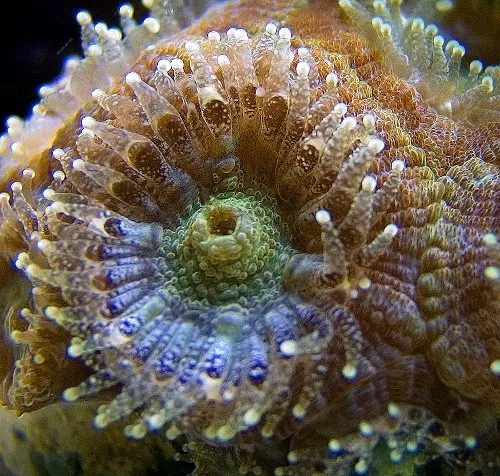 5.9 in (15 cm)11 gal (40 L)75–81°F (24–27°C)
Acan lord coral
Micromussa lordhowensis
5.9 in (15 cm) · 11 gal (40 L)
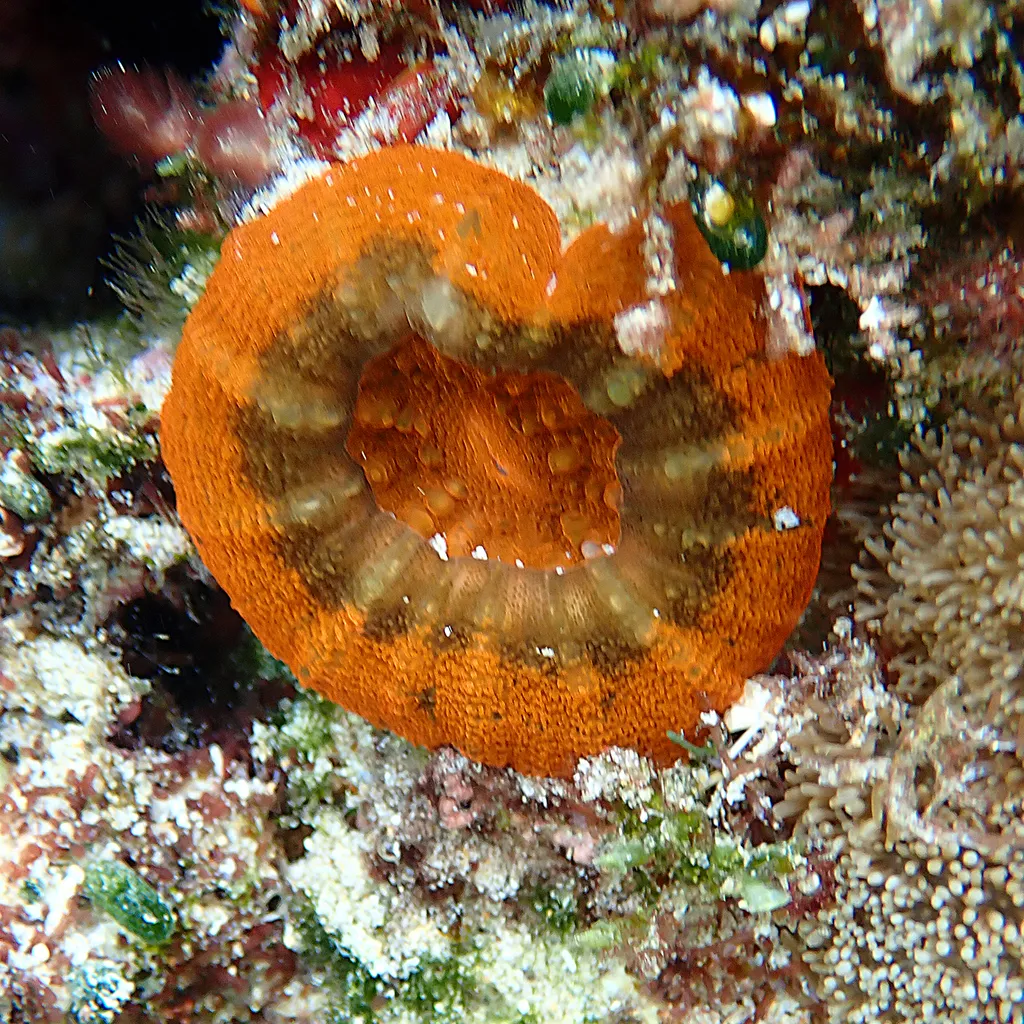 5.1 in (13 cm)11 gal (40 L)75–81°F (24–27°C)
Scoly coral
Homophyllia australis
5.1 in (13 cm) · 11 gal (40 L)