Lobed brain coral
Lobophyllia
Also known as Lobo Coral, Carpet Brain Coral, Flat Brain Coral
SaltwaterCoral
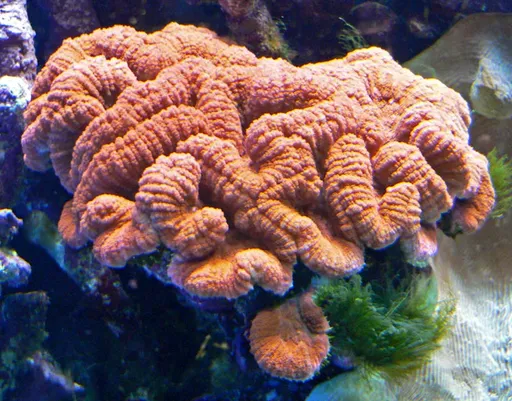
Care at a glance
- Temperature
- 75–81°F
- 24–27°C
- pH
- 8.1–8.4
- Adult size
- 9.8 in
- 25 cm
- Minimum tank
- 20 gal
- 75 L
- Temperament
- Mostly peaceful
- Social behavior
- Solitary
- Swim level
- Bottom
- Difficulty
- Medium
- Breeding
- Medium
- Rarity
- Common
- Reef safe
- Reef safe
- Family
- Lobophylliidae
- Origin
- Indo-Pacific reefs, especially Indonesia and the Great Barrier Reef
Overview
Lobophyllia does not throw the long stinging sweepers that Euphyllia or Favia do, but it is sneakily aggressive after lights out, extending mesenterial filaments to digest the tissue of any coral it can reach, so give it a genuine gap of 6 inches or more from neighbors. It is sensitive to rising nitrate, with levels above about 30 to 40 ppm known to cause tissue recession, so stable, cleaner water matters more than intense light here. Spot feeding mysis or brine shrimp with the flow paused for a few minutes helps it fill out and color up, offered about once a week. It can be fragged by cutting between the fleshy lobes, though it grows slowly enough that commercial-scale propagation is uncommon.
In the wild
Lobophyllia lives on reef slopes and in lagoons across the Indo-Pacific, especially around Indonesia and the Great Barrier Reef, usually lower on the reef where light is gentler. In the aquarium it wants low to moderate light, roughly 80 to 120 PAR, and low to moderate indirect flow, just enough to clear waste from its mouths without holding the fleshy lobes retracted. Place it on the lower rockwork or sandbed with real space around it, since it grows a wide fleshy skirt well beyond its skeleton. Keep temperature 24 to 27 C and pH 8.1 to 8.4.
Good to know
Lobophyllia is a large polyp stony coral in the family Lobophylliidae, named for the lobed, fleshy valleys that give the coral its brain-like folds. A 2012 molecular revision folded the once-separate genus Symphyllia into Lobophyllia, since the two turned out to be the same lineage split mainly by whether neighboring corallites fuse along a shared ridge. It carries zooxanthellae for most of its energy but also digests food and rival tissue by extending mesenterial filaments from its stomach cavity, mostly after dark.
Did you know
A Lobophyllia colony that looks like a single smooth brain by day can be quietly digesting a neighboring coral's tissue by night, using the same stomach-lining filaments it uses to eat food, which is why keepers only discover the damage days later.
Common questions
What size tank does a Lobed brain coral need?
A Lobed brain coral needs at least 20 gal (75 L). It spends most of its time in the bottom.
What temperature and pH does a Lobed brain coral need?
A Lobed brain coral is comfortable at 75–81°F (24–27°C) with a pH of 8.1–8.4.
How big does a Lobed brain coral get?
An adult Lobed brain coral reaches about 9.8 in (25 cm).
Related species
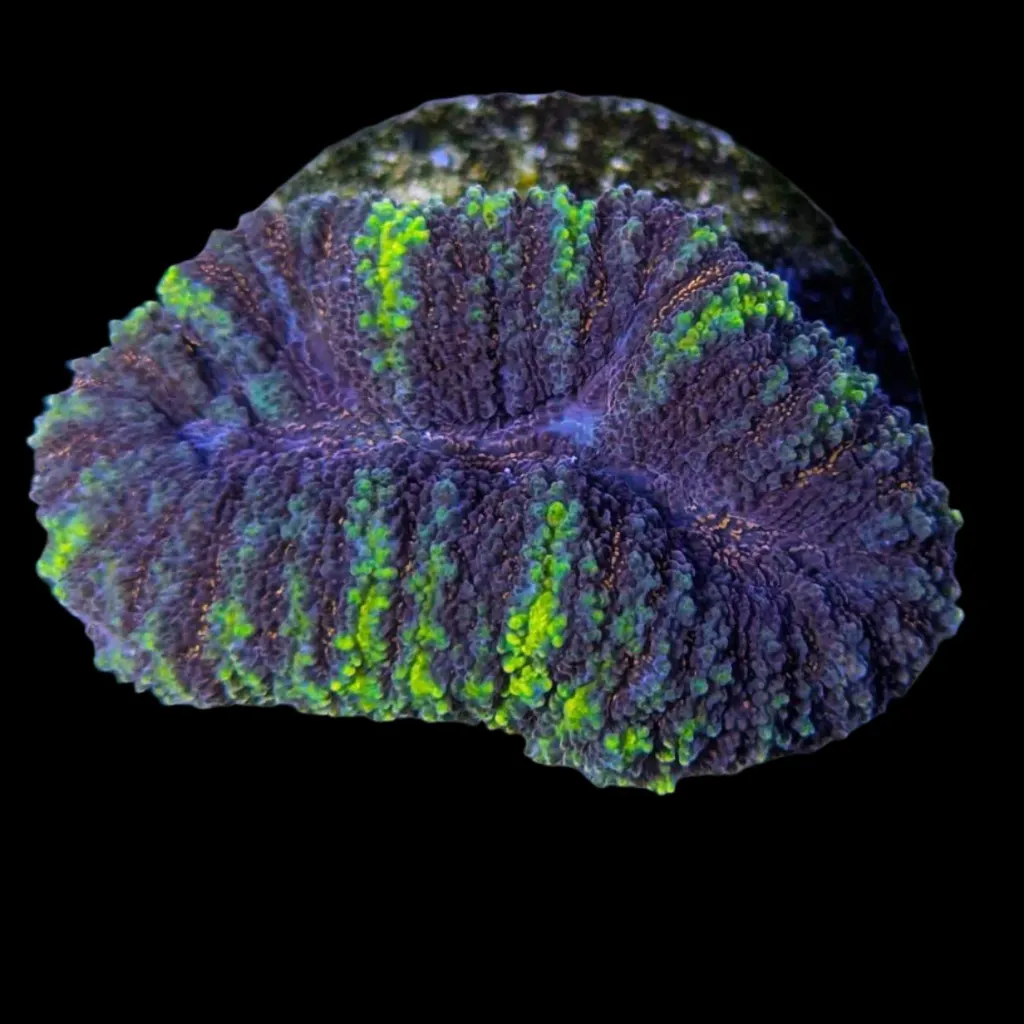 9.8 in (25 cm)26 gal (100 L)75–81°F (24–27°C)
Grooved brain coral
Lobophyllia recta
9.8 in (25 cm) · 26 gal (100 L)
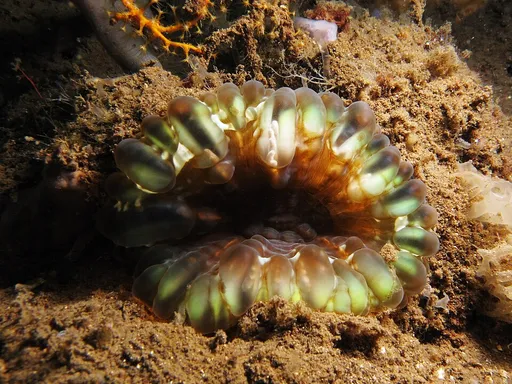 9.8 in (25 cm)11 gal (40 L)75–81°F (24–27°C)
Donut coral
Acanthophyllia deshayesiana
9.8 in (25 cm) · 11 gal (40 L)
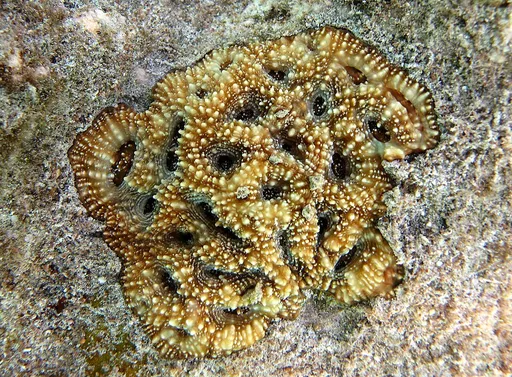 7.9 in (20 cm)11 gal (40 L)75–81°F (24–27°C)
Acan coral
Acanthastrea echinata
7.9 in (20 cm) · 11 gal (40 L)
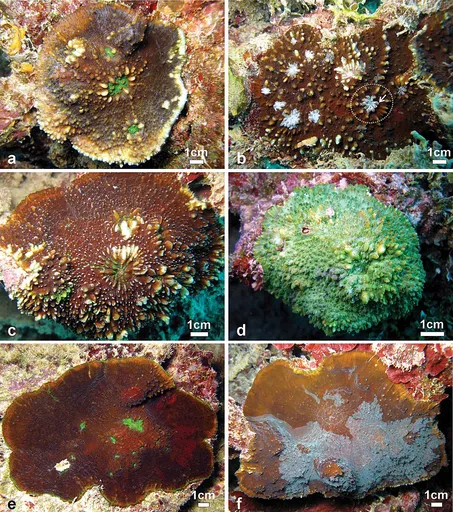 13.8 in (35 cm)20 gal (75 L)75–81°F (24–27°C)
Chalice coral
Echinophyllia
13.8 in (35 cm) · 20 gal (75 L)
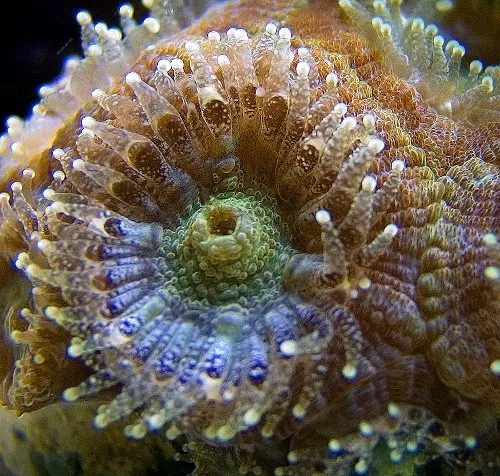 5.9 in (15 cm)11 gal (40 L)75–81°F (24–27°C)
Acan lord coral
Micromussa lordhowensis
5.9 in (15 cm) · 11 gal (40 L)
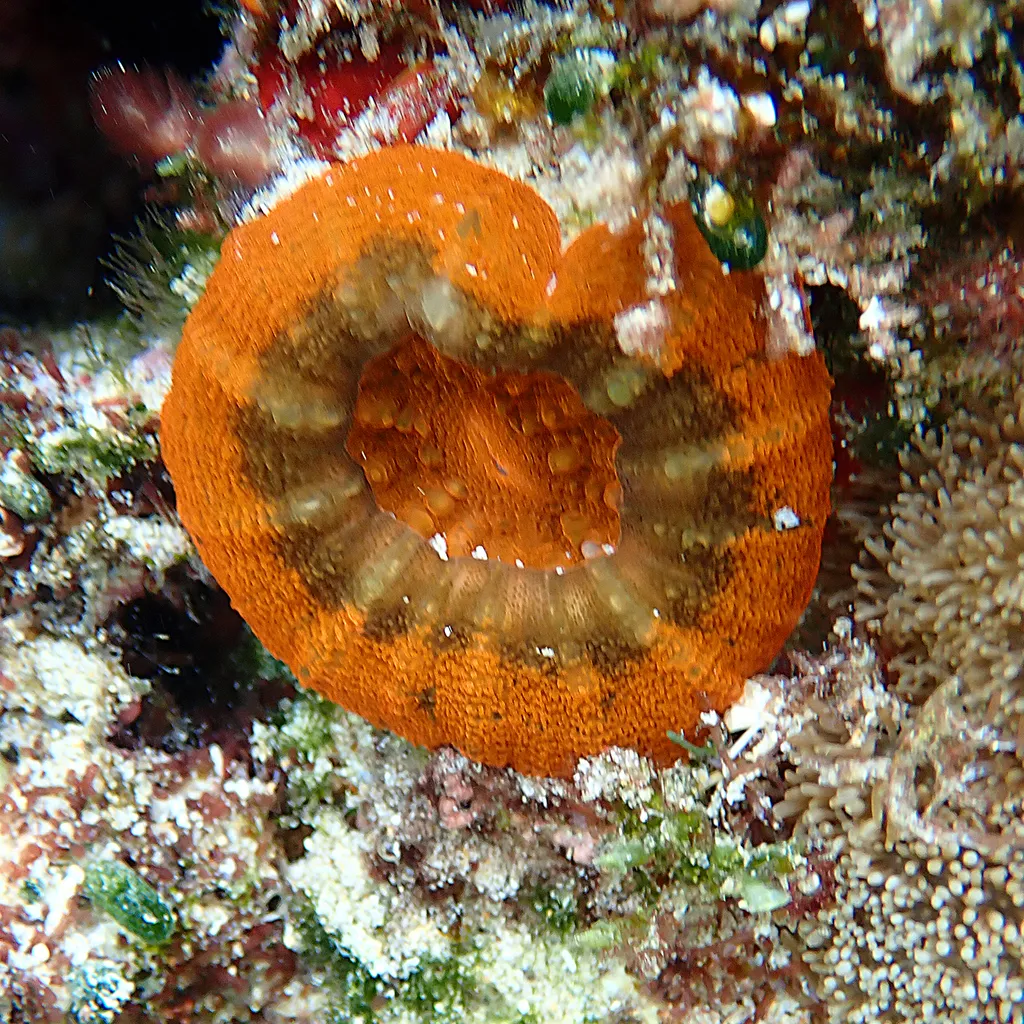 5.1 in (13 cm)11 gal (40 L)75–81°F (24–27°C)
Scoly coral
Homophyllia australis
5.1 in (13 cm) · 11 gal (40 L)