Scoly coral
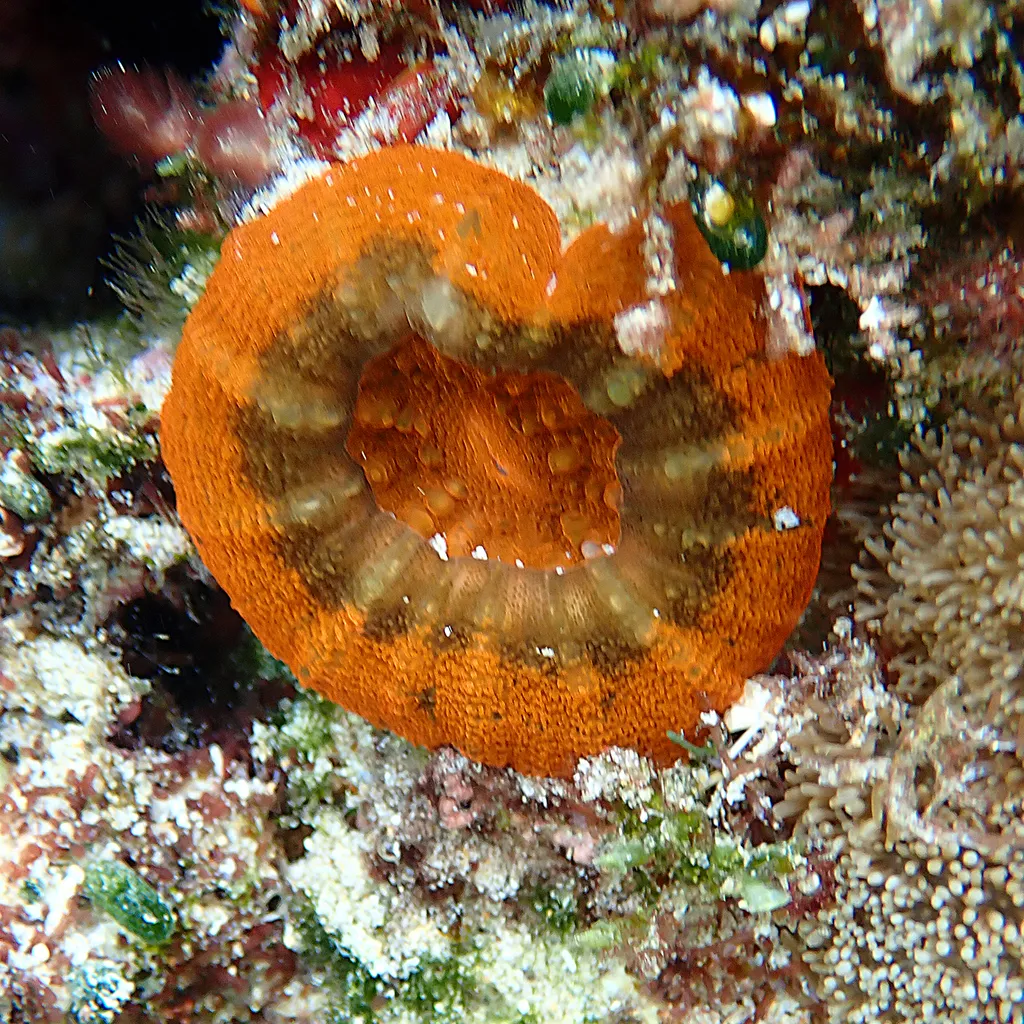
Homophyllia australis
Also known as Scolymia, Australian Scoly, Artichoke Coral, Disk Coral
SaltwaterCoral
Care at a glance
- Temperature
- 75–81°F
- 24–27°C
- pH
- 8.1–8.4
- Adult size
- 5.1 in
- 13 cm
- Minimum tank
- 11 gal
- 40 L
- Temperament
- Mostly peaceful
- Social behavior
- Solitary
- Swim level
- Bottom
- Difficulty
- Medium
- Breeding
- No record
- Rarity
- Rare
- Reef safe
- Reef safe
- Family
- Lobophylliidae
- Origin
- Australia, mainly the Great Barrier Reef off Queensland
Overview
Scoly is not an outwardly aggressive coral and does not send out the long sweeper tentacles seen on true brain corals, but it does need real breathing room since it can inflate to roughly twice its resting size during the day. Feeding minced meaty foods two to three times a week supports its color and slow growth. Because it is a single free-living polyp, it is not propagated by fragging the way colonial LPS are, so most Scolys in the trade are still wild collected rather than farmed. Australia limits how many can be harvested from the reef each year, which keeps supply tight no matter how popular a color morph becomes.
In the wild
Homophyllia australis is collected almost entirely from the Great Barrier Reef off Queensland, Australia, where it lives as a solitary polyp on rocky or rubble substrate, often near giant clams. In the aquarium it tolerates a wide light range but does best under low to moderate light, roughly 50 to 120 PAR, with low to moderate indirect flow that carries food to its mouth without battering the exposed flesh. Place it low in the tank on a stable rock ledge or the sandbed, giving it room to double in size when it opens during the day. Keep temperature 24 to 27 C and pH 8.1 to 8.4.
Good to know
Homophyllia australis spent decades classified as a Scolymia before Budd and colleagues resurrected the genus Homophyllia in a 2012 molecular study, making it the sole species in that genus and the reason older hobby writing still calls it Scolymia australis. It is a large polyp stony coral in the family Lobophylliidae, a solitary single-mouthed polyp that photosynthesizes through its zooxanthellae and also extends short feeder tentacles at night. Growth is slow, typically well under an inch of diameter added per year.
Did you know
Named color morphs of this coral are some of the most expensive single polyps in the hobby, with premium Australian Scolys occasionally selling at auction for several thousand dollars for one fist-sized disc.
Common questions
What size tank does a Scoly coral need?
A Scoly coral needs at least 11 gal (40 L). It spends most of its time in the bottom.
What temperature and pH does a Scoly coral need?
A Scoly coral is comfortable at 75–81°F (24–27°C) with a pH of 8.1–8.4.
How big does a Scoly coral get?
An adult Scoly coral reaches about 5.1 in (13 cm).
Related species
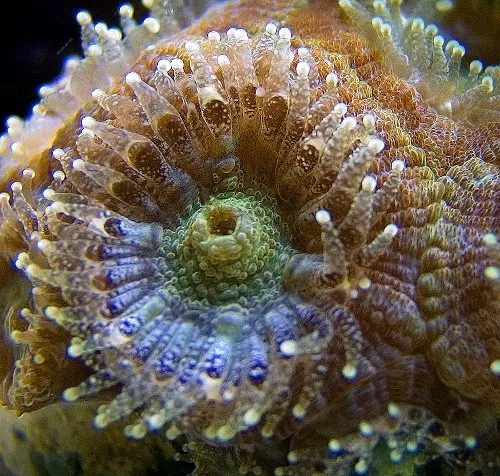 5.9 in (15 cm)11 gal (40 L)75–81°F (24–27°C)
Acan lord coral
Micromussa lordhowensis
5.9 in (15 cm) · 11 gal (40 L)
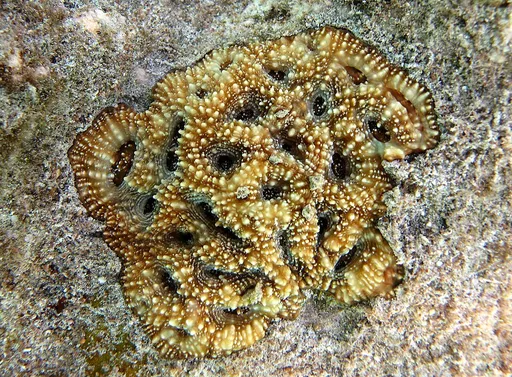 7.9 in (20 cm)11 gal (40 L)75–81°F (24–27°C)
Acan coral
Acanthastrea echinata
7.9 in (20 cm) · 11 gal (40 L)
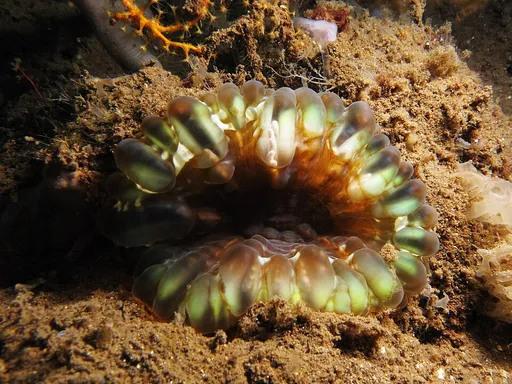 4.7 in (12 cm)11 gal (40 L)75–81°F (24–27°C)
Button coral
Cynarina lacrymalis
4.7 in (12 cm) · 11 gal (40 L)
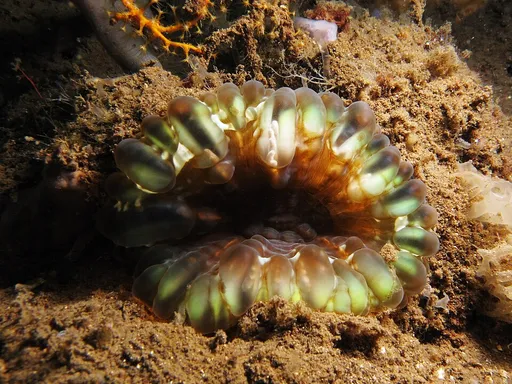 9.8 in (25 cm)11 gal (40 L)75–81°F (24–27°C)
Donut coral
Acanthophyllia deshayesiana
9.8 in (25 cm) · 11 gal (40 L)
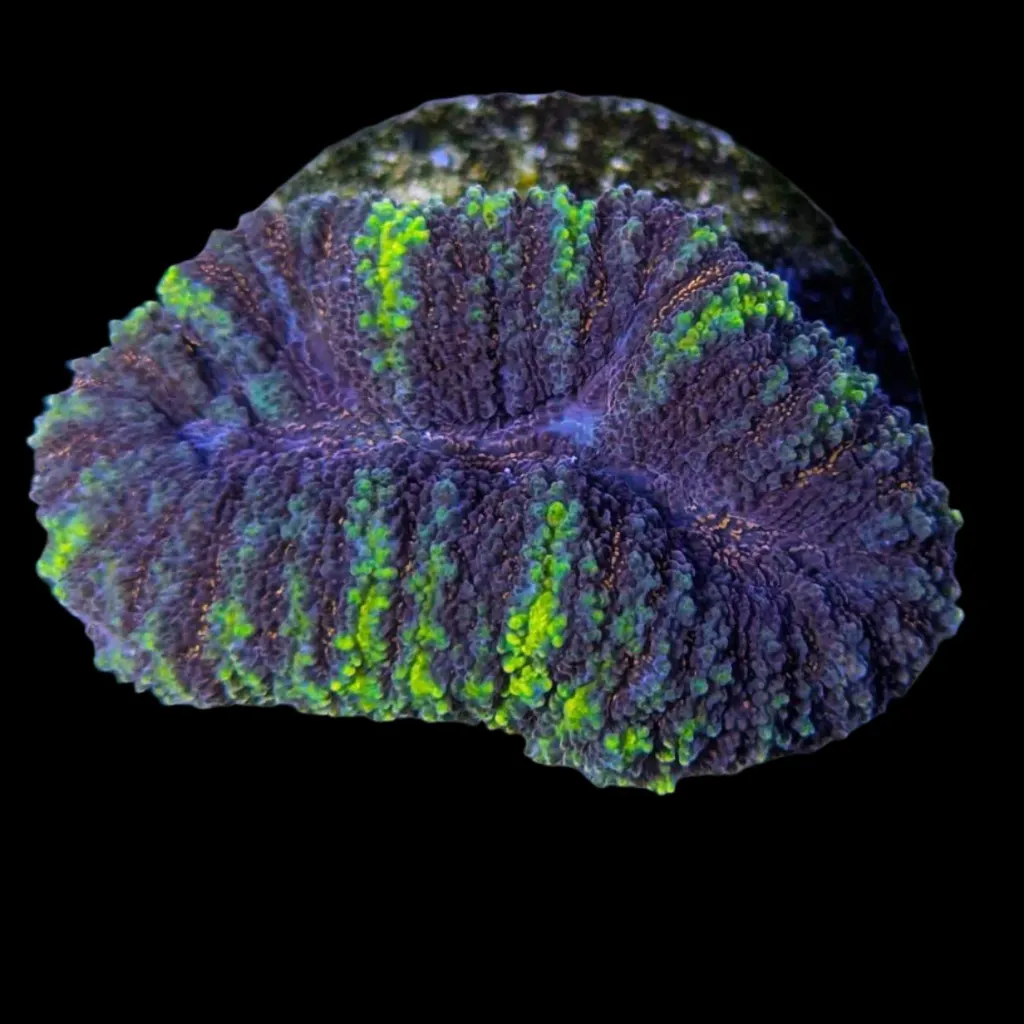 9.8 in (25 cm)26 gal (100 L)75–81°F (24–27°C)
Grooved brain coral
Lobophyllia recta
9.8 in (25 cm) · 26 gal (100 L)
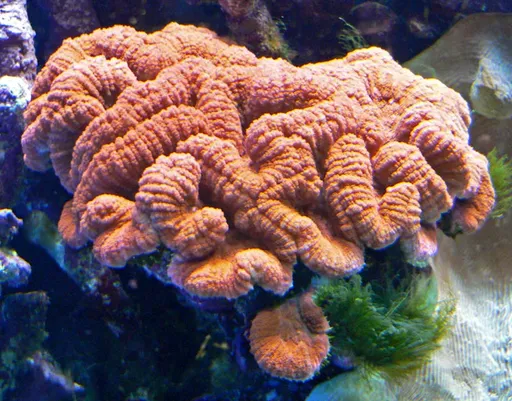 9.8 in (25 cm)20 gal (75 L)75–81°F (24–27°C)
Lobed brain coral
Lobophyllia
9.8 in (25 cm) · 20 gal (75 L)