Meteor shower coral
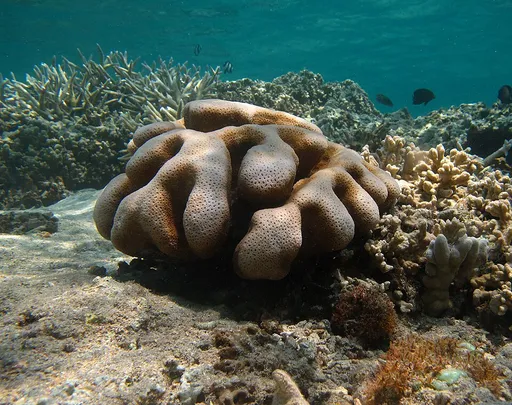
Cyphastrea serailia
Also known as Cyphastrea, Lesser Knob Coral, Knob Coral
SaltwaterCoral
Care at a glance
- Temperature
- 75–81°F
- 24–27°C
- pH
- 8.1–8.4
- Adult size
- 9.8 in
- 25 cm
- Minimum tank
- 20 gal
- 75 L
- Temperament
- Mostly peaceful
- Social behavior
- Solitary
- Swim level
- Bottom
- Difficulty
- Beginner
- Breeding
- Easy
- Rarity
- Common
- Reef safe
- Reef safe
- Family
- Merulinidae
- Origin
- Indo-Pacific and Red Sea reef flats, lagoons, and turbid inshore reefs
Overview
A generally easygoing stony coral that still throws sweeper tentacles at night, so leave 2 to 3 inches of clearance from its neighbors. It does best in low to medium light; starting it under 100 PAR and raising intensity slowly, if at all, tends to bring out better color than strong reef lighting does. It only needs gentle to moderate, indirect flow, just enough to keep detritus from settling on the colony, since buildup underneath can kill tissue over time. It draws most of its energy from its zooxanthellae and does not need target feeding, though it will take phytoplankton if offered, and it is a fast, easy grower often recommended as a first stony coral for someone moving up from softies.
In the wild
Cyphastrea serailia is widespread across the Indo-Pacific and Red Sea, growing on reef flats, lagoons, and turbid inshore reefs where light and water quality swing more than they do on a pristine outer reef. That tolerance for variable conditions carries over into the aquarium: it does best in low to medium light, under about 100 PAR, with gentle to moderate indirect flow, which makes it one of the few stony corals suited to shadier lower spots that would leave most SPS pale and stressed.
Good to know
Cyphastrea belongs to the family Merulinidae, the same family as the brain corals in genus Favia, and it builds a dense, encrusting-to-knobby skeleton studded with small, closely packed corallites. The meteor shower trade name describes a color pattern seen in some Cyphastrea serailia colonies, a dark blue-to-black base scattered with small, bright red or orange polyps that reads like streaks of light against a night sky. Color shifts with lighting and nutrient levels, and a colony that arrives pale or brown often recolors within a few weeks of settling in.
Did you know
Meteor shower Cyphastrea earns its name from the pattern itself, small bright red or orange polyps scattered across a dark base like streaks of light against a night sky, and the coral is tough enough to hold that color in the shadier, low-light corners of a tank that most stony corals cannot tolerate.
Common questions
What size tank does a Meteor shower coral need?
A Meteor shower coral needs at least 20 gal (75 L). It spends most of its time in the bottom.
What temperature and pH does a Meteor shower coral need?
A Meteor shower coral is comfortable at 75–81°F (24–27°C) with a pH of 8.1–8.4.
How big does a Meteor shower coral get?
An adult Meteor shower coral reaches about 9.8 in (25 cm).
Related species
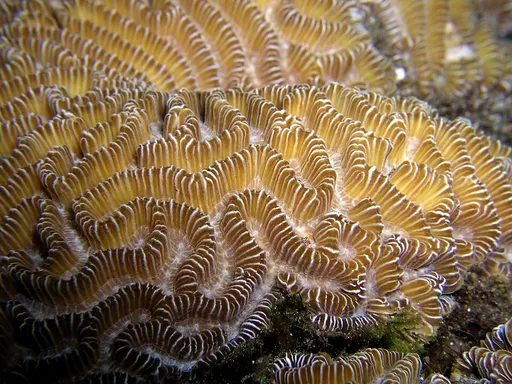 9.8 in (25 cm)20 gal (75 L)75–81°F (24–27°C)
Maze brain coral
Platygyra
9.8 in (25 cm) · 20 gal (75 L)
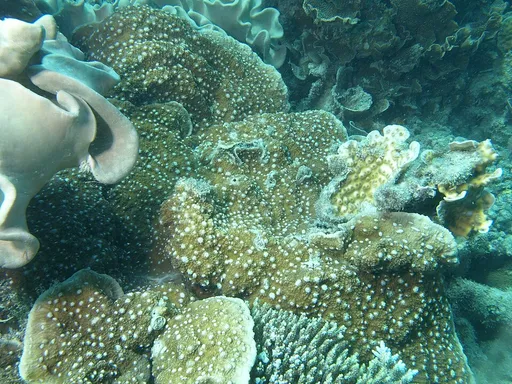 9.8 in (25 cm)26 gal (100 L)75–81°F (24–27°C)
Oxypora chalice coral
Oxypora lacera
9.8 in (25 cm) · 26 gal (100 L)
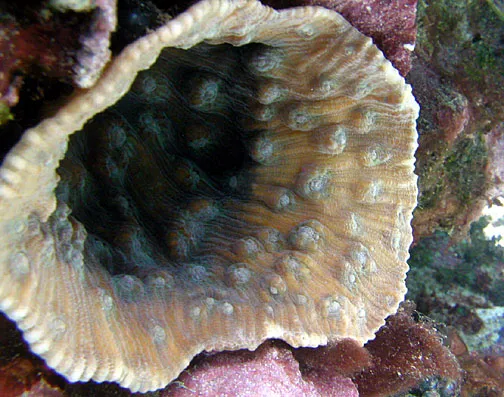 9.8 in (25 cm)26 gal (100 L)75–81°F (24–27°C)
Peacock chalice coral
Mycedium elephantotus
9.8 in (25 cm) · 26 gal (100 L)
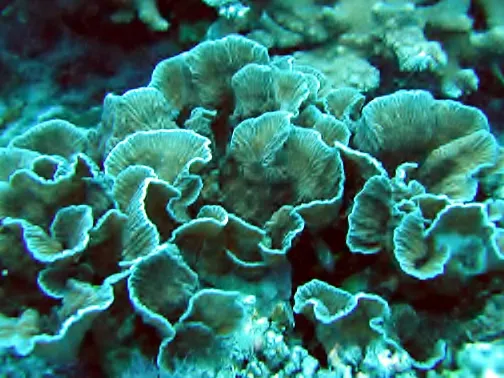 9.8 in (25 cm)26 gal (100 L)75–81°F (24–27°C)
Ruffled coral
Merulina ampliata
9.8 in (25 cm) · 26 gal (100 L)
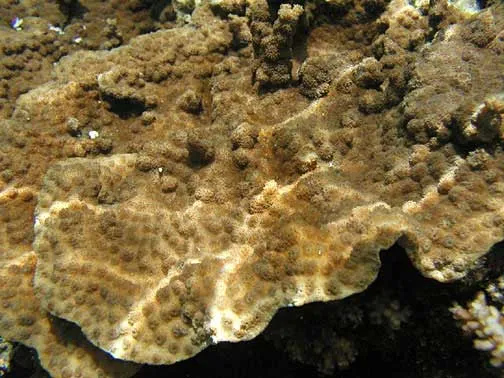 11.8 in (30 cm)26 gal (100 L)75–81°F (24–27°C)
Hedgehog coral
Echinopora lamellosa
11.8 in (30 cm) · 26 gal (100 L)
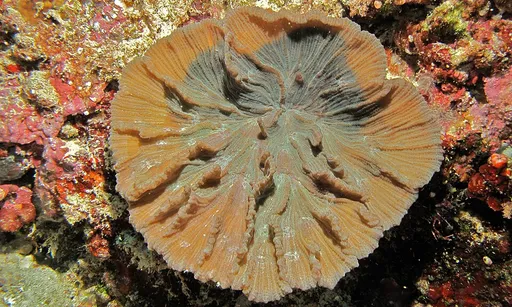 11.8 in (30 cm)20 gal (75 L)75–81°F (24–27°C)
Pectinia coral
Pectinia
11.8 in (30 cm) · 20 gal (75 L)