Purple sea blade
Pterogorgia anceps
Also known as Purple Ribbon Gorgonian, Sea Blade, Angular Sea Whip, Purple Blade Gorgonian, Sea Whip
SaltwaterCoral
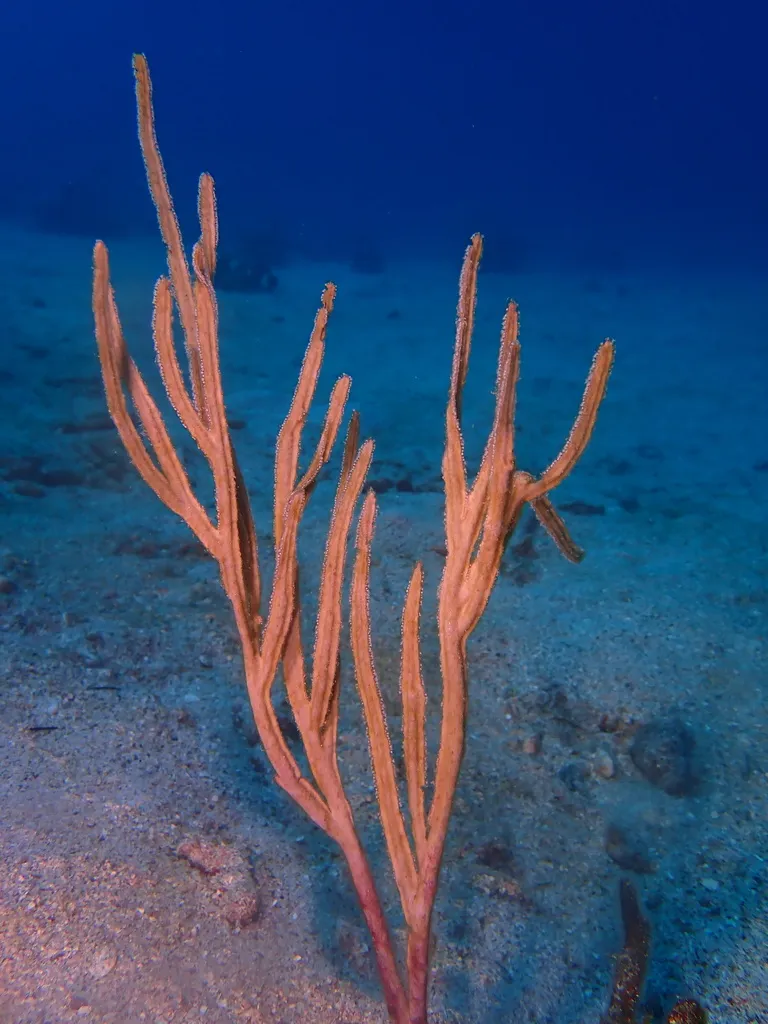
Care at a glance
- Temperature
- 73–81°F
- 23–27°C
- pH
- 8.1–8.4
- Adult size
- 17.7 in
- 45 cm
- Minimum tank
- 26 gal
- 100 L
- Temperament
- Peaceful
- Social behavior
- Solitary
- Swim level
- Bottom
- Diet
- Photosynthetic
- Difficulty
- Easy
- Breeding
- Hard
- Rarity
- Common
- Reef safe
- Reef safe
- Family
- Pterogorgiidae
- Origin
- Grows on shallow Caribbean and western Atlantic reefs and seagrass flats, including Florida and the Bahamas.
Overview
The purple sea blade is a flat-bladed gorgonian for a well-lit reef tank with strong flow. It is easy to keep.
Did you know
The purple sea blade's flat, forked blades look a lot like ribbon or seagrass. Divers often overlook it as a plant until the polyps open.
Caring for the purple sea blade
Epoxy or glue the base of the purple sea blade to live rock, in a reef of 26 gal (100 L) or more. Give it medium to bright light and strong flow. Keep the water moving briskly over the blades, so nuisance algae and detritus do not smother them.
The purple sea blade is a hardy, forgiving gorgonian that runs mostly on light. It still appreciates occasional phytoplankton, plus trace elements such as iodine and strontium to support its skeleton. Keep the water at 73 to 81°F (23 to 27°C) and a pH of 8.1 to 8.4.
It is reef safe and coexists peacefully with most tank mates. It does not sting its neighbors.
Good to know
Pterogorgia anceps belongs to the family Pterogorgiidae. It hosts symbiotic zooxanthellae, which make it a photosynthetic species. The colony grows upright, and its blades run from purple to grayish. The feeding polyps sit in grooves along the edges of the blades, a layout that sets it apart from round-branched sea whips. When open, they give the edges a fringed look. Its skeleton is built from the flexible protein gorgonin rather than stony aragonite.
In the wild
The purple sea blade grows on shallow reefs and seagrass flats in the Caribbean and western Atlantic. Its range includes Florida and the Bahamas.
Common questions
What size tank does a purple sea blade need?
A purple sea blade needs at least 26 gal (100 L).
What temperature and pH does a purple sea blade need?
A purple sea blade is comfortable at 73–81°F (23–27°C) with a pH of 8.1–8.4.
What does a purple sea blade eat?
A purple sea blade runs mostly on light. It still appreciates occasional phytoplankton.
How big does a purple sea blade get?
An adult purple sea blade reaches about 17.7 in (45 cm).
Related species
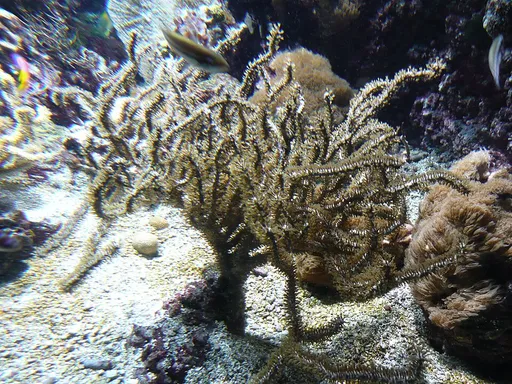 17.7 in (45 cm)26 gal (100 L)73–81°F (23–27°C)
Knobby sea rod
Eunicea sp.
17.7 in (45 cm) · 26 gal (100 L)
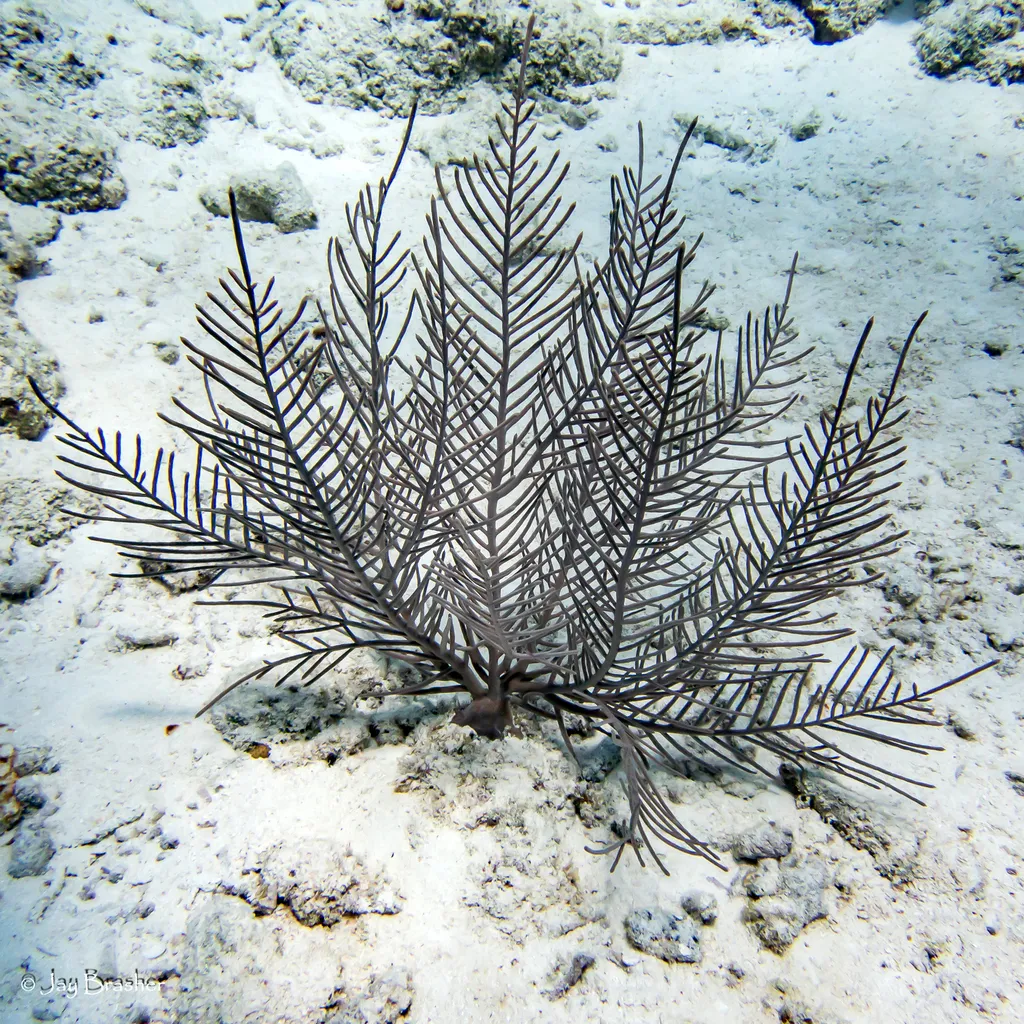 17.7 in (45 cm)26 gal (100 L)73–81°F (23–27°C)
Purple sea plume
Antillogorgia bipinnata
17.7 in (45 cm) · 26 gal (100 L)
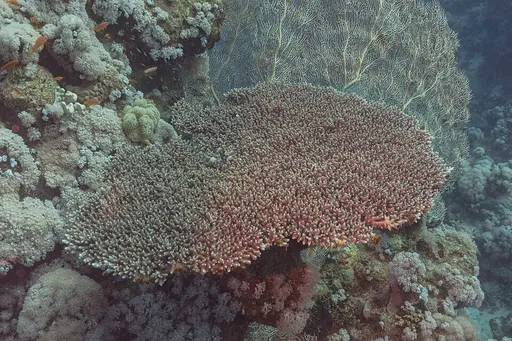 17.7 in (45 cm)53 gal (200 L)75–81°F (24–27°C)
Table acropora
Acropora hyacinthus
17.7 in (45 cm) · 53 gal (200 L)
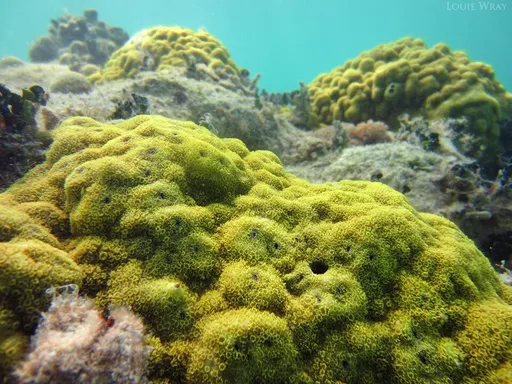 13.8 in (35 cm)40 gal (150 L)75–81°F (24–27°C)
Porites
13.8 in (35 cm) · 40 gal (150 L)
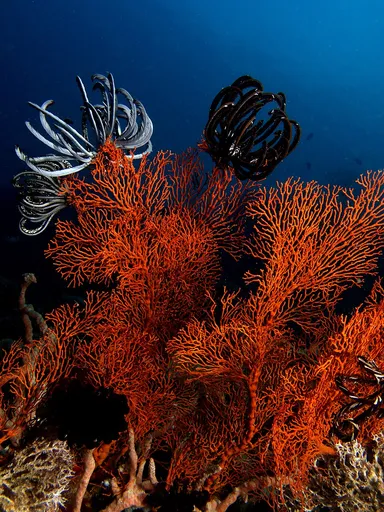 23.6 in (60 cm)26 gal (100 L)75–81°F (24–27°C)
Yellow mopsella sea fan
Melithaea sp.
23.6 in (60 cm) · 26 gal (100 L)
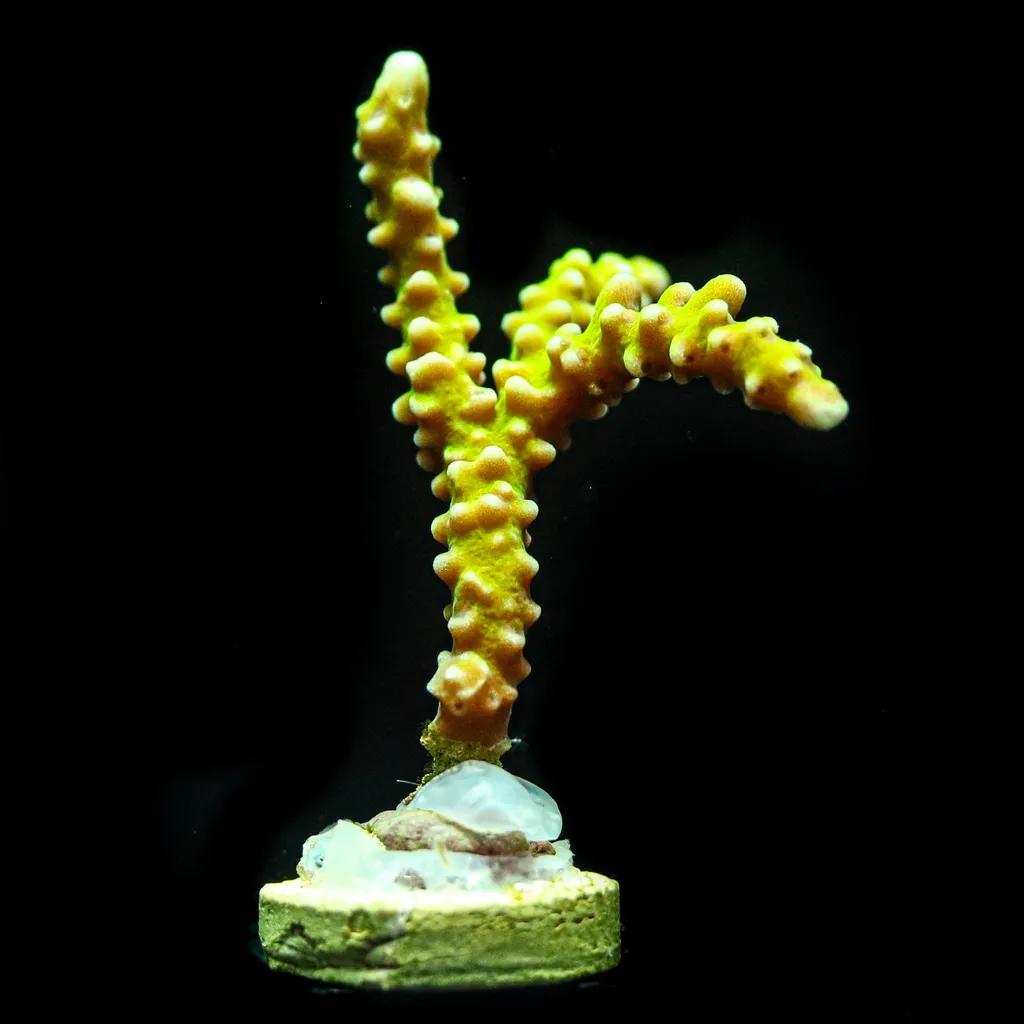 11.8 in (30 cm)26 gal (100 L)75–81°F (24–27°C)
Briar coral
Anacropora sp.
11.8 in (30 cm) · 26 gal (100 L)