Purple sea plume
Antillogorgia bipinnata
Also known as Purple Frilly Gorgonian, Sea Plume, Feather Gorgonian, Bipinnate Sea Plume, Pseudopterogorgia bipinnata
SaltwaterCoral
Care at a glance
- Temperature
- 73–81°F
- 23–27°C
- pH
- 8.1–8.4
- Adult size
- 17.7 in
- 45 cm
- Minimum tank
- 26 gal
- 100 L
- Temperament
- Peaceful
- Social behavior
- Solitary
- Swim level
- Bottom
- Difficulty
- Easy
- Breeding
- Easy
- Rarity
- Common
- Reef safe
- Reef safe
- Family
- Gorgoniidae
- Origin
- Native to shallow Caribbean and western Atlantic reefs, including Florida, the Bahamas, and the wider tropical Atlantic.
Overview
Anchor the base in rock in a 100 liter or larger reef with bright light and strong, preferably turbulent flow to keep the branches clean. It is one of the hardier gorgonians because it photosynthesizes, but it still does best with phytoplankton fed a few times a week and stable pH and salinity. Trim and glue a cut branch to propagate it, since it frags very easily. Keep flow high enough that no film algae settles on the stalk, which is the usual cause of tissue loss.
In the wild
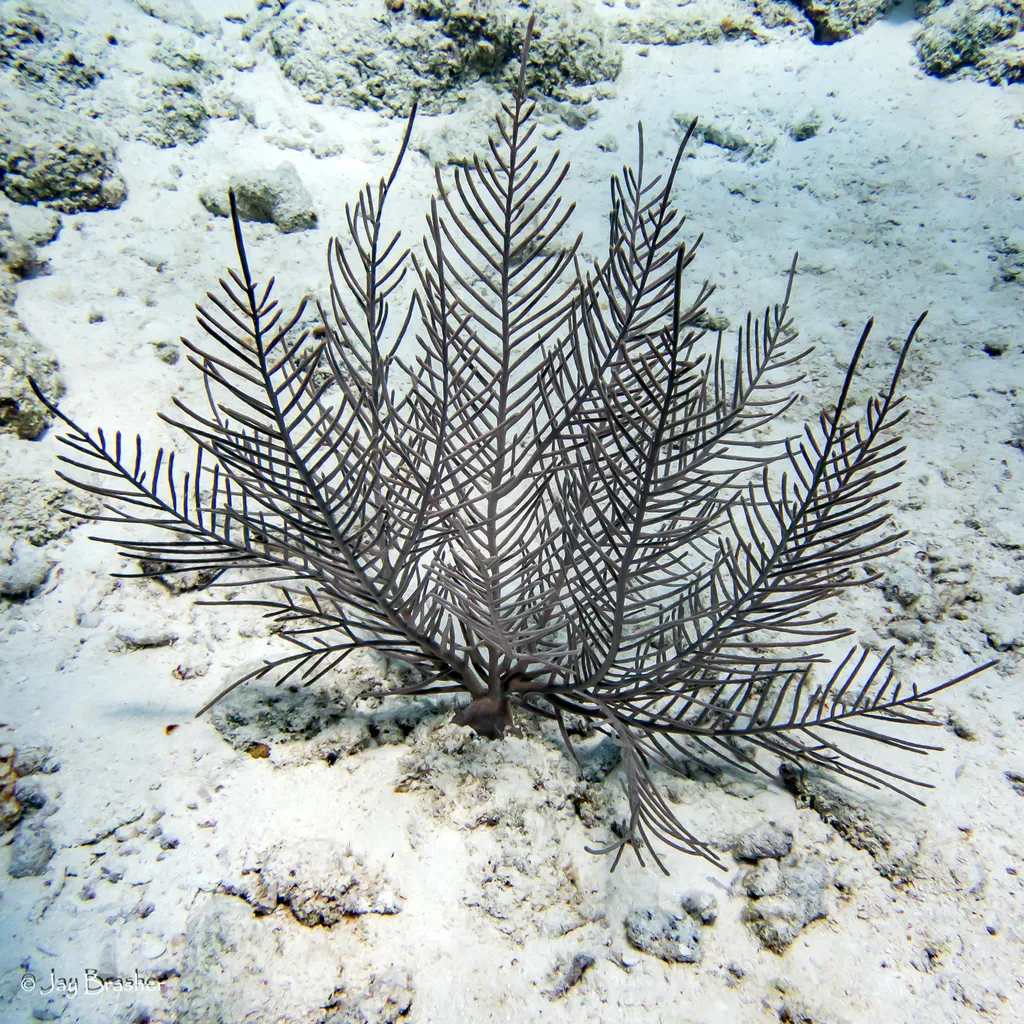
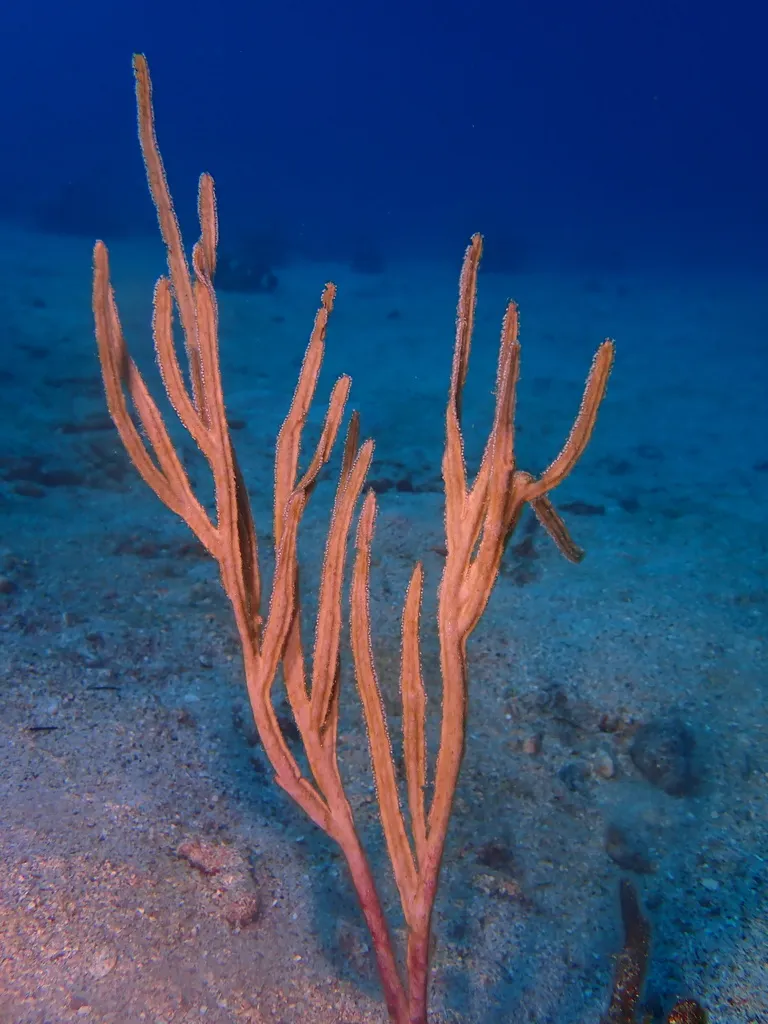
A photosynthetic gorgonian that grows upright as a bushy, feathery sea plume with a purple to lavender trunk and fine side branches. Small polyps open along the branches and give the colony a soft, fuzzy outline when feeding. It sways in the current like a plume of feathers, which is where the common name comes from. Colonies can reach a foot or more tall in the wild.
Good to know
Antillogorgia bipinnata was known for many years as Pseudopterogorgia bipinnata, until Atlantic sea plumes were moved into the genus Antillogorgia in 2012. It carries symbiotic zooxanthellae in its tissue, so unlike many colorful non-photosynthetic gorgonians it makes much of its own food from light. The purple color comes from pigments in the rind over its flexible protein skeleton.
Did you know
A branch snipped off with scissors and glued to a rock will usually root and grow, making it one of the easiest corals to propagate at home.
Common questions
What size tank does a Purple sea plume need?
A Purple sea plume needs at least 26 gal (100 L). It spends most of its time in the bottom.
What temperature and pH does a Purple sea plume need?
A Purple sea plume is comfortable at 73–81°F (23–27°C) with a pH of 8.1–8.4.
How big does a Purple sea plume get?
An adult Purple sea plume reaches about 17.7 in (45 cm).
Related species
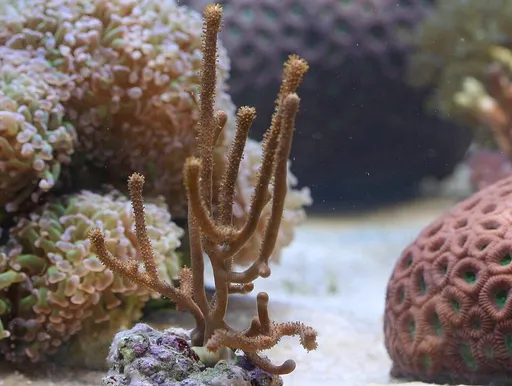 11.8 in (30 cm)20 gal (75 L)75–81°F (24–27°C)
Sea fan gorgonian
Rumphella
11.8 in (30 cm) · 20 gal (75 L)
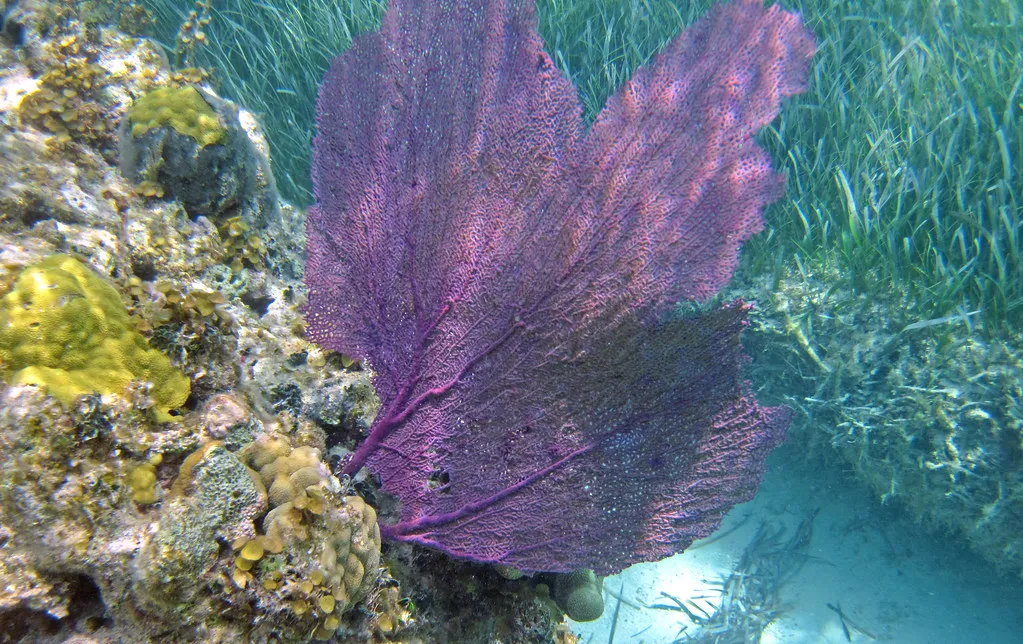 70.9 in (180 cm)53 gal (200 L)73–81°F (23–27°C)
Purple sea fan
Gorgonia ventalina
70.9 in (180 cm) · 53 gal (200 L)
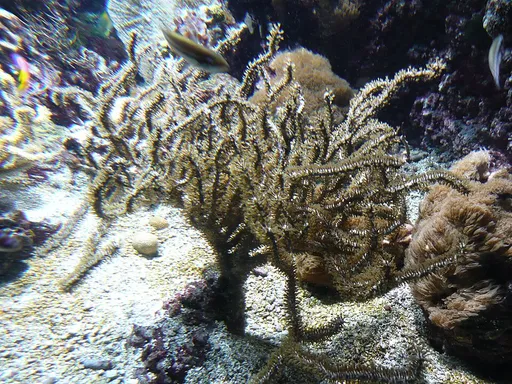 17.7 in (45 cm)26 gal (100 L)73–81°F (23–27°C)
Knobby sea rod
Eunicea sp.
17.7 in (45 cm) · 26 gal (100 L)
 17.7 in (45 cm)26 gal (100 L)73–81°F (23–27°C)
Purple sea blade
Pterogorgia anceps
17.7 in (45 cm) · 26 gal (100 L)
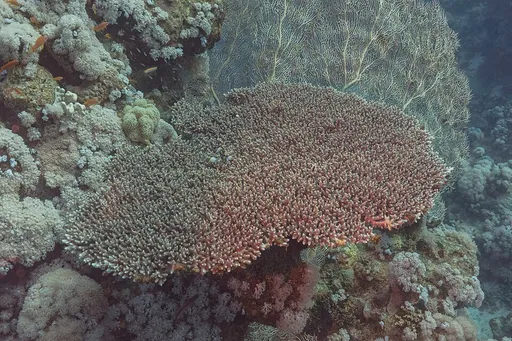 17.7 in (45 cm)53 gal (200 L)75–81°F (24–27°C)
Table acropora
Acropora hyacinthus
17.7 in (45 cm) · 53 gal (200 L)
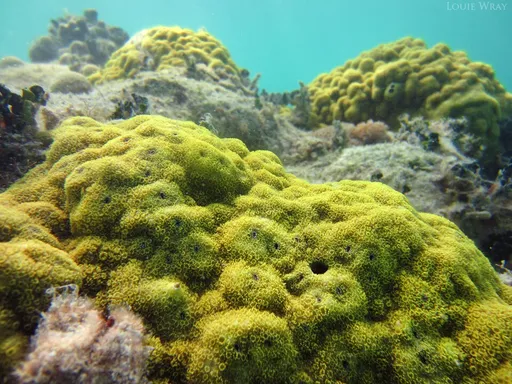 13.8 in (35 cm)40 gal (150 L)75–81°F (24–27°C)
Porites
13.8 in (35 cm) · 40 gal (150 L)