Sea fan gorgonian
Rumphella
Also known as Sea Fan, Sea Whip, Bushy Gorgonian, Pacific Gorgonian
SaltwaterCoral
Care at a glance
- Temperature
- 75–81°F
- 24–27°C
- pH
- 8.1–8.4
- Adult size
- 11.8 in
- 30 cm
- Minimum tank
- 20 gal
- 75 L
- Temperament
- Peaceful
- Social behavior
- Solitary
- Swim level
- Bottom
- Difficulty
- Medium
- Breeding
- Medium
- Rarity
- Rare
- Reef safe
- Reef safe
- Family
- Gorgoniidae
- Origin
- Indo-Pacific reef lagoons and slopes, from Indonesia and the Philippines to Pacific island groups such as the Marshall Islands
Overview
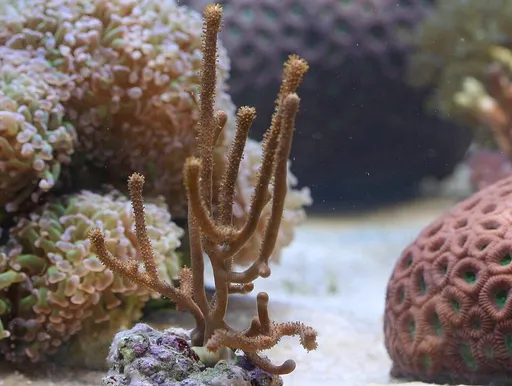
One of the few gorgonians that a general reef keeper can succeed with, since it does not need the constant target feeding that most sea fans and sea whips require to survive. It still benefits from occasional feedings of phytoplankton or fine zooplankton on top of what it makes from light. Growth is slow and upright, so give it space to fill out and keep faster growing leathers and LPS from crowding or stinging it as it spreads. It is passive and will not sting or bother tankmates.
In the wild
Rumphella grows on Indo-Pacific reef slopes and in shallow, current-swept lagoons from Indonesia and the Philippines to Pacific island groups such as the Marshall Islands. Colonies form dense, upright bushes of thin branches covered in small feeding polyps, anchored to hard bottom where surge and current keep the branches swaying. In the aquarium it wants moderate to strong, ideally irregular or pulsing flow and moderate to fairly strong light, roughly 120 to 200 PAR, though a new frag can start lower on the rockwork and be moved up as it settles in. Give it an open spot with room for the branches to sway without brushing neighboring corals.
Good to know
Rumphella is a true gorgonian in the family Gorgoniidae, built around a flexible internal skeleton of the protein gorgonin rather than the rigid calcium carbonate skeleton of stony corals. Unlike most gorgonians in the hobby, which are non-photosynthetic and depend entirely on captured food, Rumphella carries symbiotic zooxanthellae and gets most of its energy from light. Its polyps still extend to strain fine plankton from passing current, which is part of why steady flow across the branches matters.
Did you know
Most gorgonians sold in the hobby, including popular orange and red types like Diodogorgia and Menella, have no zooxanthellae at all and slowly starve in home aquariums without expert level feeding, which is part of why Rumphella's ability to run mostly on light makes it one of the only sea fans regularly recommended outside the NPS specialist crowd.
Common questions
What size tank does a Sea fan gorgonian need?
A Sea fan gorgonian needs at least 20 gal (75 L). It spends most of its time in the bottom.
What temperature and pH does a Sea fan gorgonian need?
A Sea fan gorgonian is comfortable at 75–81°F (24–27°C) with a pH of 8.1–8.4.
How big does a Sea fan gorgonian get?
An adult Sea fan gorgonian reaches about 11.8 in (30 cm).
Related species
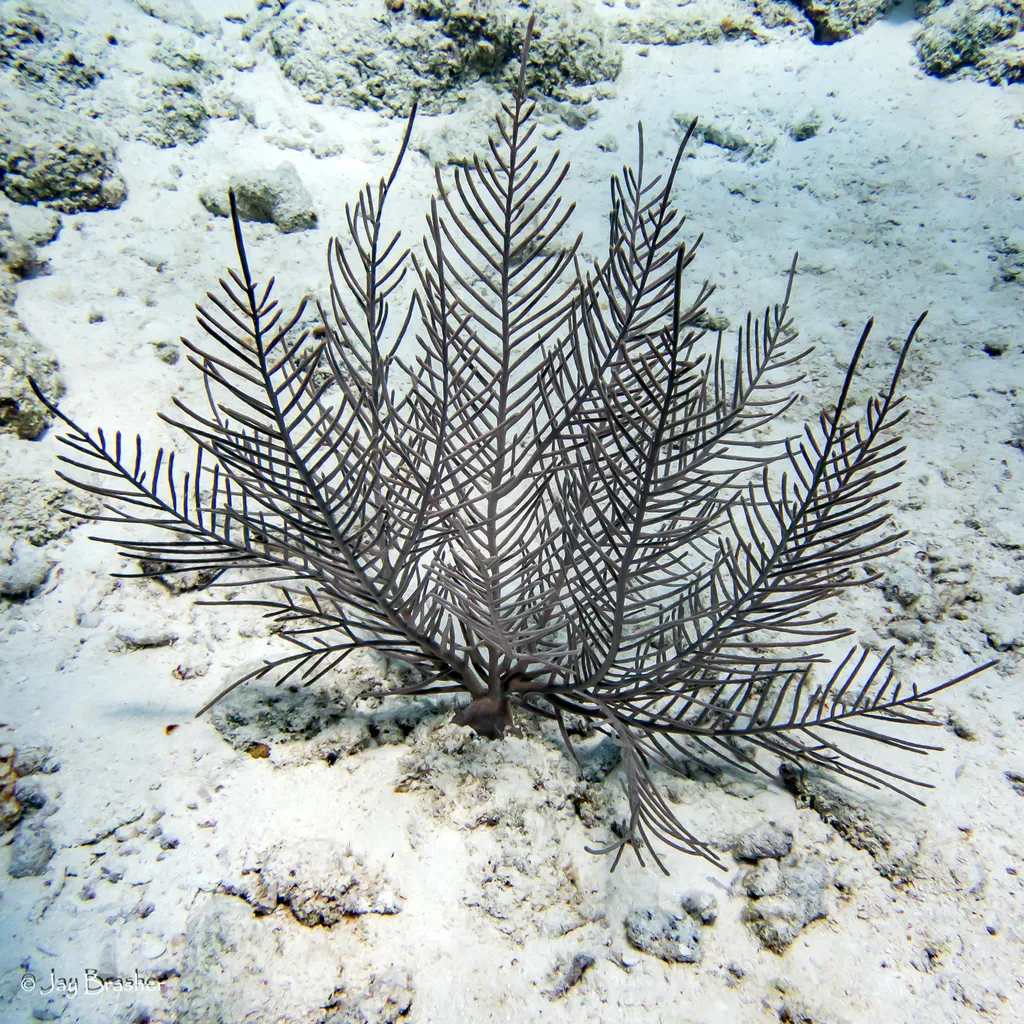 17.7 in (45 cm)26 gal (100 L)73–81°F (23–27°C)
Purple sea plume
Antillogorgia bipinnata
17.7 in (45 cm) · 26 gal (100 L)
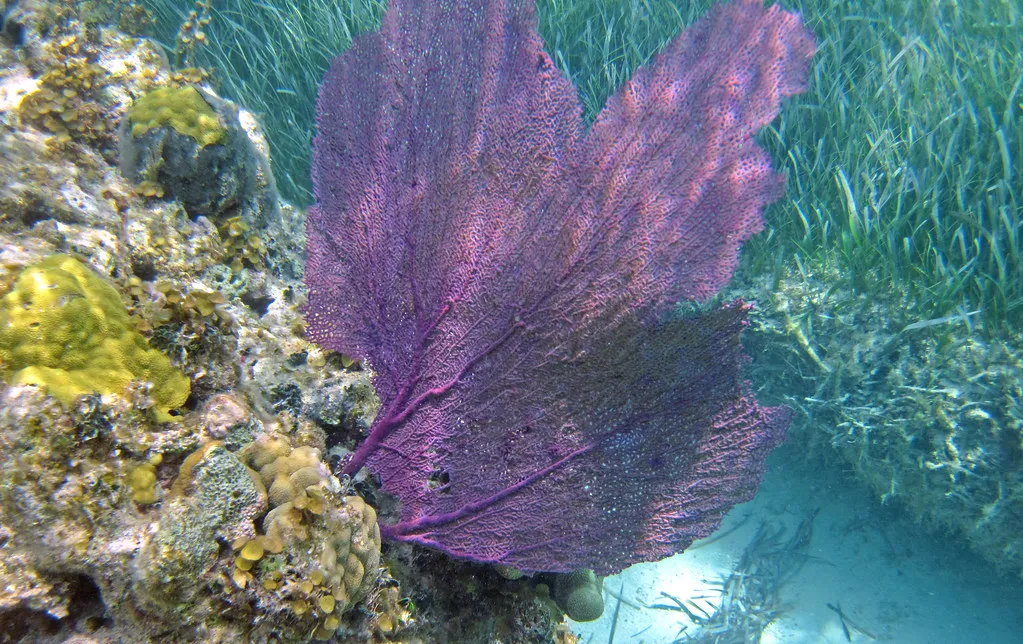 70.9 in (180 cm)53 gal (200 L)73–81°F (23–27°C)
Purple sea fan
Gorgonia ventalina
70.9 in (180 cm) · 53 gal (200 L)
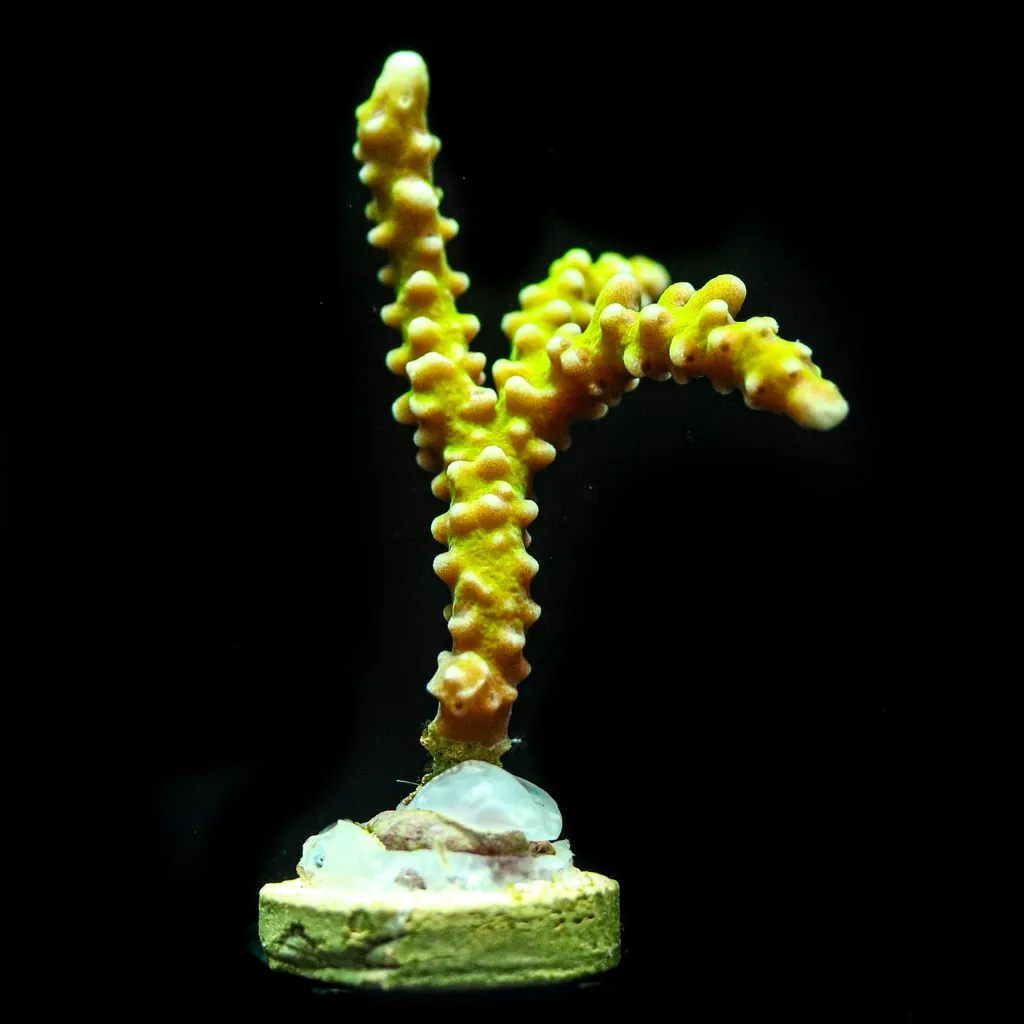 11.8 in (30 cm)26 gal (100 L)75–81°F (24–27°C)
Briar coral
Anacropora sp.
11.8 in (30 cm) · 26 gal (100 L)
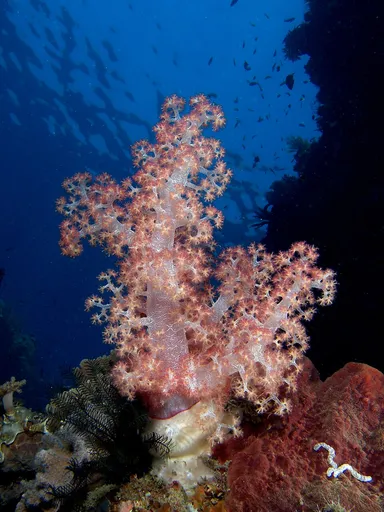 11.8 in (30 cm)11 gal (40 L)75–81°F (24–27°C)
Broccoli tree coral
Litophyton
11.8 in (30 cm) · 11 gal (40 L)
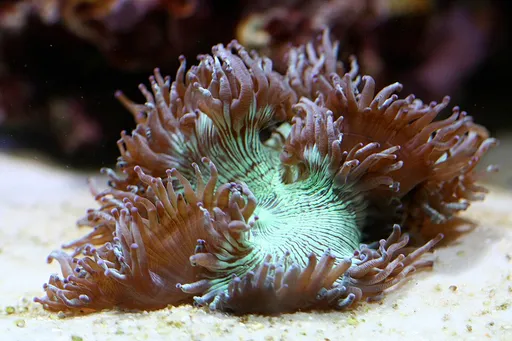 11.8 in (30 cm)20 gal (75 L)75–81°F (24–27°C)
Elegance coral
Catalaphyllia jardinei
11.8 in (30 cm) · 20 gal (75 L)
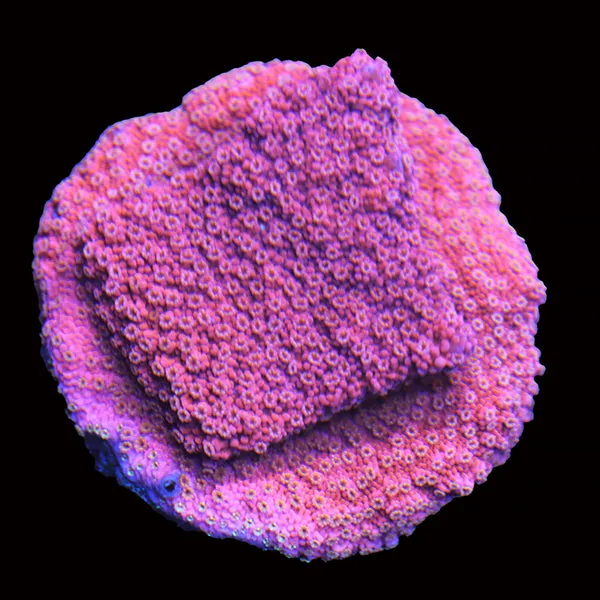 11.8 in (30 cm)26 gal (100 L)75–81°F (24–27°C)
Encrusting montipora
Montipora confusa
11.8 in (30 cm) · 26 gal (100 L)