Elegance coral
Catalaphyllia jardinei
Also known as Wonder Coral, Ridge Coral, Elegant Coral
SaltwaterCoral
Care at a glance
- Temperature
- 75–81°F
- 24–27°C
- pH
- 8.1–8.4
- Adult size
- 11.8 in
- 30 cm
- Minimum tank
- 20 gal
- 75 L
- Temperament
- Peaceful
- Social behavior
- Solitary
- Swim level
- Bottom
- Difficulty
- Medium
- Breeding
- Medium
- Rarity
- Common
- Reef safe
- Reef safe
- Family
- Euphylliidae
- Origin
- Western Pacific, mainly the Great Barrier Reef, Indonesia, and Papua New Guinea, with a small range into the eastern Indian Ocean
Overview
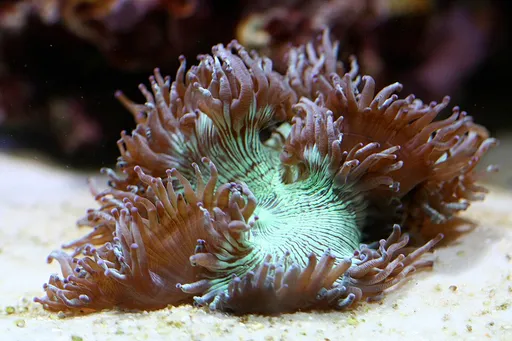
Moderate light around 100 PAR and low to moderate flow suit it well, since intense reef-tank lighting and strong current are more than it needs. Place it on open sand low in the tank, never wedged into rockwork. Its long tentacles carry a real sting and can reach roughly 6 inches (15 cm) beyond the skeleton, so give it a clear buffer from other corals even though it is not looking to pick a fight. It feeds eagerly on mysis, chopped shrimp, or other meaty foods and will even catch the occasional small snail that wanders too close, so a regular feeding routine pays off in faster growth and better color. Favor Australian or aquacultured stock where possible, since it holds up far better than wild Indonesian imports.
In the wild
Elegance coral lives on turbid lagoon and reef flats around the Great Barrier Reef, Indonesia, and Papua New Guinea, usually loose on sand or muddy sediment rather than cemented to rock. Each head carries long, flowing tentacles tipped in pink, purple, or green around a large fleshy, striped oral disc. In the tank it should sit directly on the sandbed rather than on rockwork, since its underside tissue tears easily against rough surfaces.
Good to know
Catalaphyllia jardinei is the only species in its genus, a large polyp stony coral closely related to Euphyllia and grouped with it in the family Euphylliidae. Its tentacles extend far beyond the skeleton itself, in places reaching over a foot of total spread, even though the skeleton underneath stays fairly compact. Since the early 2000s an infectious condition known as elegance coral syndrome has caused mass die-offs, mostly in specimens collected from Indonesia; Australian-sourced and increasingly aquacultured colonies carry the disease far less often and have a much better survival record.
Did you know
An elegance coral's outstretched tentacles are sticky and quick enough to snag a wandering snail now and then, an unusual bit of predation for a coral that spends most of its day looking like a gently swaying anemone.
Common questions
What size tank does an Elegance coral need?
An Elegance coral needs at least 20 gal (75 L). It spends most of its time in the bottom.
What temperature and pH does an Elegance coral need?
An Elegance coral is comfortable at 75–81°F (24–27°C) with a pH of 8.1–8.4.
How big does an Elegance coral get?
An adult Elegance coral reaches about 11.8 in (30 cm).
Related species
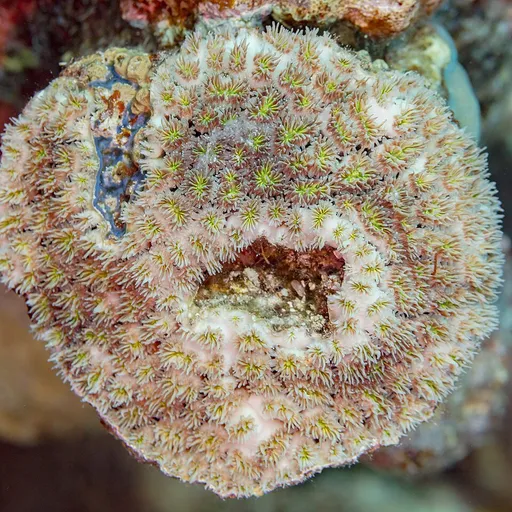 11.8 in (30 cm)20 gal (75 L)75–81°F (24–27°C)
Galaxy coral
Galaxea
11.8 in (30 cm) · 20 gal (75 L)
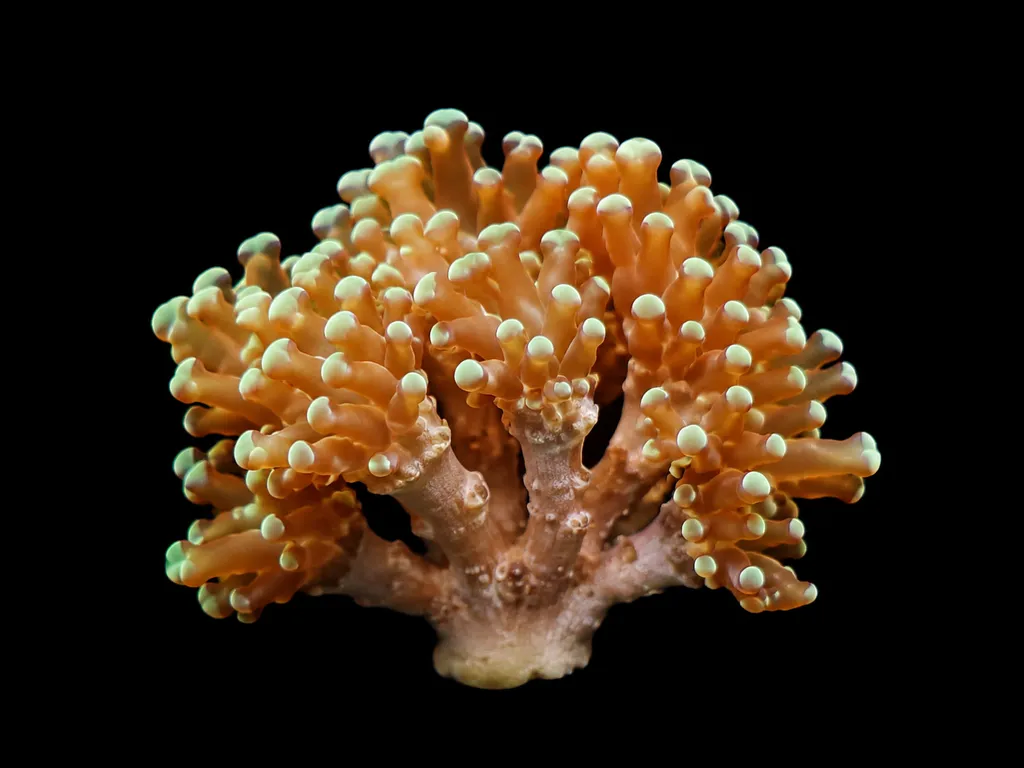 7.9 in (20 cm)20 gal (75 L)75–81°F (24–27°C)
Branching frogspawn coral
Fimbriaphyllia paradivisa
7.9 in (20 cm) · 20 gal (75 L)
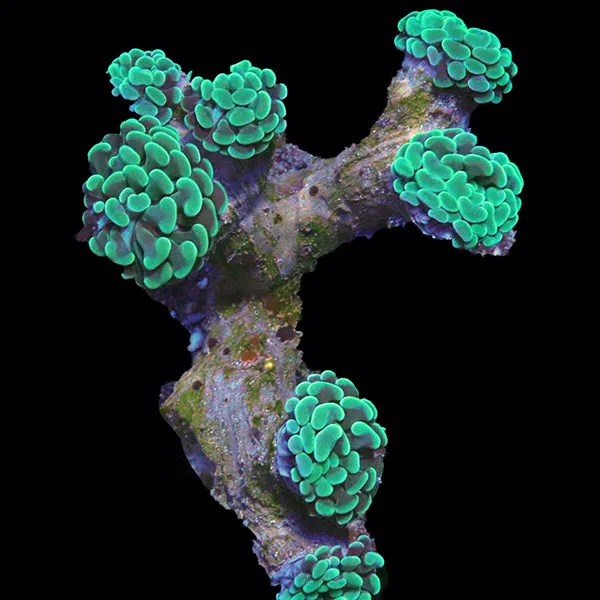 7.9 in (20 cm)20 gal (75 L)75–81°F (24–27°C)
Branching hammer coral
Fimbriaphyllia paraancora
7.9 in (20 cm) · 20 gal (75 L)
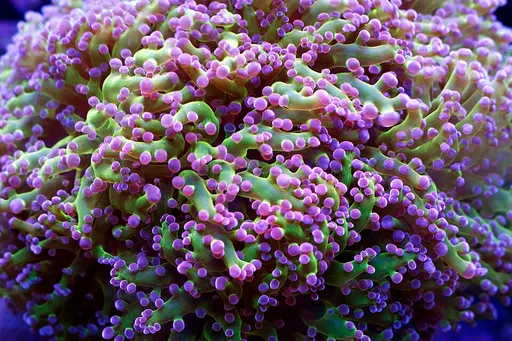 7.9 in (20 cm)20 gal (75 L)75–81°F (24–27°C)
Frogspawn coral
Fimbriaphyllia divisa
7.9 in (20 cm) · 20 gal (75 L)
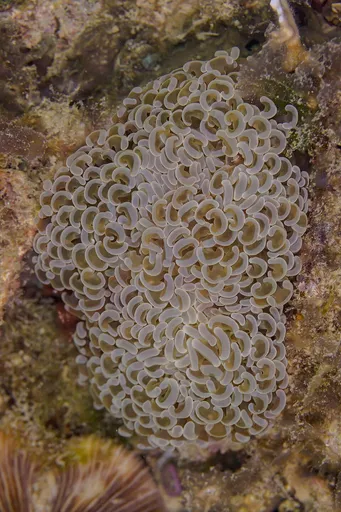 7.9 in (20 cm)20 gal (75 L)75–81°F (24–27°C)
Hammer coral
Fimbriaphyllia ancora
7.9 in (20 cm) · 20 gal (75 L)
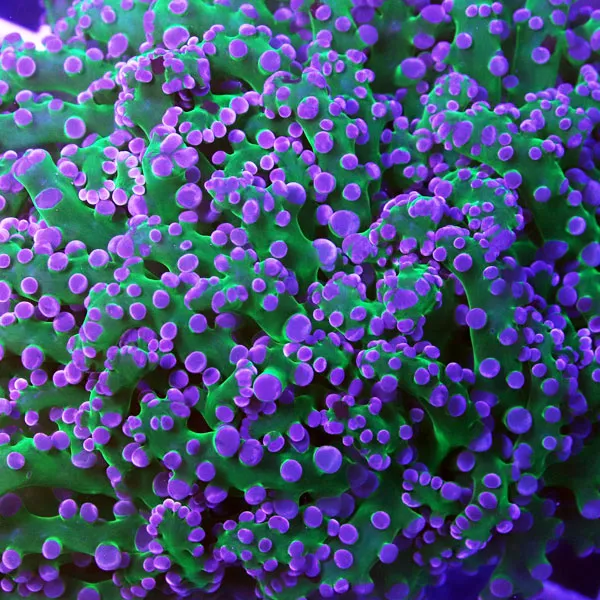 7.9 in (20 cm)20 gal (75 L)75–81°F (24–27°C)
Octospawn coral
Fimbriaphyllia yaeyamaensis
7.9 in (20 cm) · 20 gal (75 L)