Organ pipe coral
Tubipora musica
Also known as Pipe Organ Coral, Tubipora
SaltwaterCoral
Care at a glance
- Temperature
- 75–81°F
- 24–27°C
- pH
- 8.1–8.4
- Adult size
- 9.8 in
- 25 cm
- Minimum tank
- 11 gal
- 40 L
- Temperament
- Peaceful
- Social behavior
- Solitary
- Swim level
- Bottom
- Difficulty
- Medium
- Breeding
- Medium
- Rarity
- Common
- Reef safe
- Reef safe
- Family
- Tubiporidae
- Origin
- Indo-Pacific region
Overview
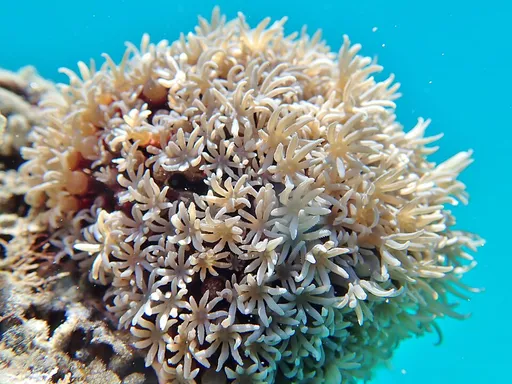
A sessile reef-building octocoral that grows slowly by extending its tubes upward and outward, with no sweeper tentacles or notable chemical aggression toward neighbors, so it needs only modest spacing. It is photosynthetic but responds well to supplemental feedings of small foods like rotifers or powdered coral food, which can improve growth and polyp extension. Because it builds a true calcium carbonate skeleton, it is fragged more like a stony coral, with a saw or cutters through the skeleton rather than a simple tissue cut, and the base needs a secure cure with extra glue to keep debris and pests out of the exposed tubes.
In the wild
Organ pipe coral grows across shallow Indo-Pacific reef flats down to about 25 meters, where its polyps sit atop a rigid skeleton of narrow red tubes. It wants moderate light, roughly 50 to 150 PAR, and enough flow to reach down into the skeleton and prevent detritus from settling among the tubes, though blasting the polyps directly will keep them closed. Place it where flow can move around and through the colony rather than hit it head-on, and treat its calcium and alkalinity needs the way you would for a small polyp stony coral.
Good to know
Tubipora musica is the main aquarium species in the family Tubiporidae and, despite being classified as an octocoral alongside the other soft corals in this catalog, it builds a rigid calcium carbonate skeleton of parallel tubes cross-linked by horizontal plates, more like a stony coral than a typical soft one. The skeleton's red color comes from carotenoid pigments the coral takes in through feeding, the same class of pigment that colors carrots and turns a boiled lobster shell red, rather than from any mineral in the skeleton itself. Growth is slow and steady compared to most soft corals, and the living tissue and polyps are usually grey, brown or green, a contrast to the bright red skeleton underneath.
Did you know
The bright red pipe organ skeleton was prized long before the reef aquarium hobby existed and shows up carved into old jewelry and curio pieces. Its color comes from pigments the living coral absorbs from its food rather than from any mineral, the same trick that turns a flamingo pink.
Common questions
What size tank does an Organ pipe coral need?
An Organ pipe coral needs at least 11 gal (40 L). It spends most of its time in the bottom.
What temperature and pH does an Organ pipe coral need?
An Organ pipe coral is comfortable at 75–81°F (24–27°C) with a pH of 8.1–8.4.
How big does an Organ pipe coral get?
An adult Organ pipe coral reaches about 9.8 in (25 cm).
Related species
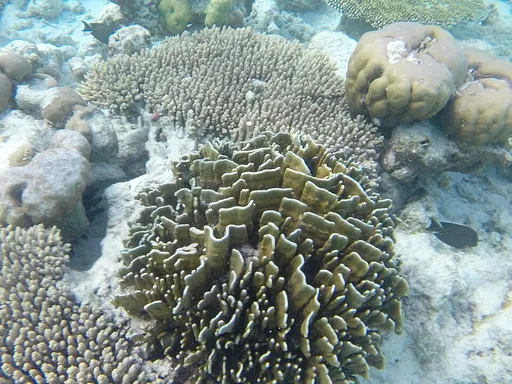 9.8 in (25 cm)11 gal (40 L)75–81°F (24–27°C)
Blue coral
Heliopora coerulea
9.8 in (25 cm) · 11 gal (40 L)
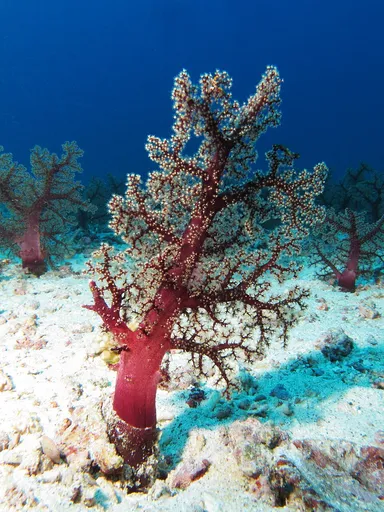 9.8 in (25 cm)20 gal (75 L)75–81°F (24–27°C)
Carnation coral
Dendronephthya
9.8 in (25 cm) · 20 gal (75 L)
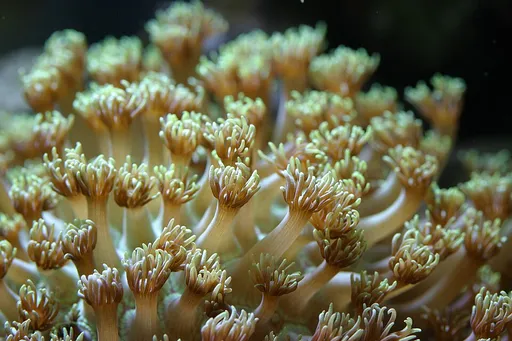 9.8 in (25 cm)11 gal (40 L)75–81°F (24–27°C)
Flowerpot coral
Goniopora
9.8 in (25 cm) · 11 gal (40 L)
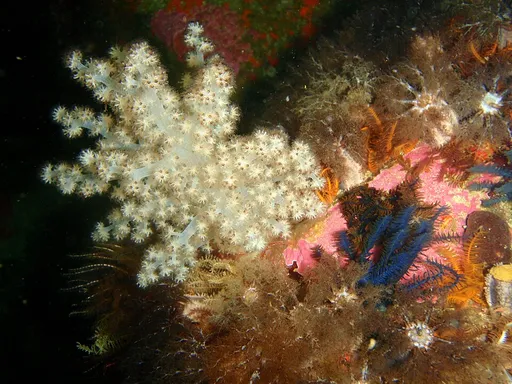 9.8 in (25 cm)11 gal (40 L)75–81°F (24–27°C)
Kenya tree coral
Capnella
9.8 in (25 cm) · 11 gal (40 L)
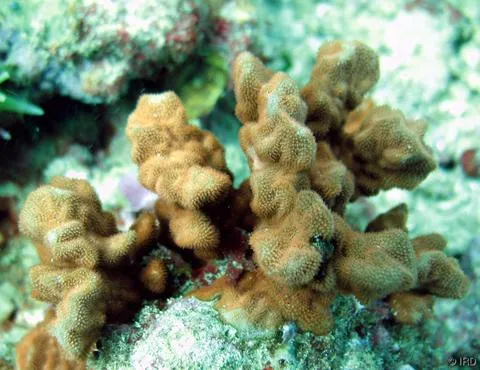 9.8 in (25 cm)29 gal (110 L)75–81°F (24–27°C)
Sandpaper coral
Psammocora contigua
9.8 in (25 cm) · 29 gal (110 L)
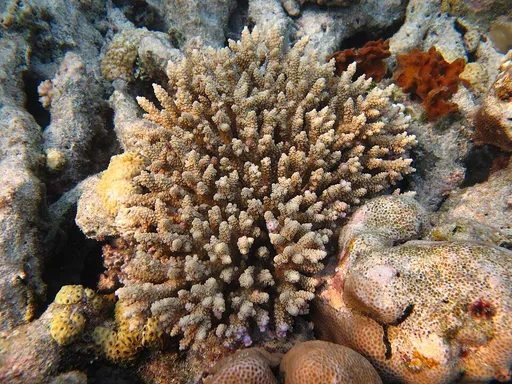 9.8 in (25 cm)40 gal (150 L)75–81°F (24–27°C)
Smooth skin acropora
Acropora tenuis
9.8 in (25 cm) · 40 gal (150 L)