Flowerpot coral
Goniopora
Also known as Daisy Coral, Sunflower Coral, Ball Coral
SaltwaterCoral
Care at a glance
- Temperature
- 75–81°F
- 24–27°C
- pH
- 8.1–8.4
- Adult size
- 9.8 in
- 25 cm
- Minimum tank
- 11 gal
- 40 L
- Temperament
- Peaceful
- Social behavior
- Solitary
- Swim level
- Bottom
- Difficulty
- Medium
- Breeding
- Medium
- Rarity
- Common
- Reef safe
- Reef safe
- Family
- Poritidae
- Origin
- Indo-Pacific, including the Red Sea, the Persian Gulf, East Africa, Southeast Asia, Australia, and Japan
Overview
Give it moderate light around 75–125 PAR and low to medium, gentle and slightly random flow; tentacles that thrash around rather than sway gently are a sign of too much current. Feeding is the make-or-break part of Goniopora care, so plan on regular target feeding with phytoplankton, fine zooplankton, and liquid amino acids, and consider pausing flow for 15–20 minutes afterward so the polyps have a real chance to catch the food. It has no sweeper tentacles worth worrying about and will not bother neighboring corals, but a colony that is not fed on a real schedule will slowly starve even under perfect lighting.
In the wild
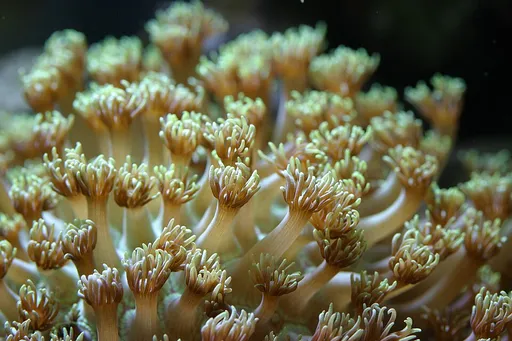
Goniopora lives on lagoon patch reefs and reef flats across the Indo-Pacific, usually rooted in sand or rubble in water with a steady but gentle current. Colonies form rounded heads covered in long, fleshy polyps that stay extended through most of the day, giving the whole colony a fuzzy, flower-bed look that is where the common name comes from. In the aquarium it wants a spot low in the tank, on the sandbed or lower rockwork, well away from any direct powerhead output.
Good to know
Goniopora is a genus of large polyp stony coral in the family Poritidae, the same family as Porites, and each polyp carries 24 tentacles around its mouth, twice the 12 that Alveopora carries. It draws energy from symbiotic zooxanthellae but is also an active feeder, capturing zooplankton and fine particulate food with those tentacles rather than living on light alone. Wild-collected Goniopora has a long history of slowly wasting away in captivity, often starving over six months to a year even in an otherwise healthy tank, while aquacultured colonies, including the popular deep red frags now common in the trade, have a much better survival record.
Did you know
Goniopora earned the grim nickname coffin coral because wild colonies so often wasted away over six months to a year despite looking fine at first, but aquacultured strains, especially the deep red morphs bred specifically for the trade, have turned it into a far more realistic coral for a tank with a real feeding routine.
Common questions
What size tank does a Flowerpot coral need?
A Flowerpot coral needs at least 11 gal (40 L). It spends most of its time in the bottom.
What temperature and pH does a Flowerpot coral need?
A Flowerpot coral is comfortable at 75–81°F (24–27°C) with a pH of 8.1–8.4.
How big does a Flowerpot coral get?
An adult Flowerpot coral reaches about 9.8 in (25 cm).
Related species
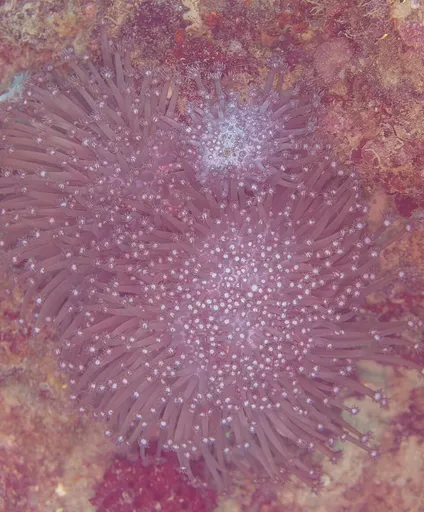 7.9 in (20 cm)26 gal (100 L)75–81°F (24–27°C)
Long-polyp flowerpot coral
Goniopora stokesi
7.9 in (20 cm) · 26 gal (100 L)
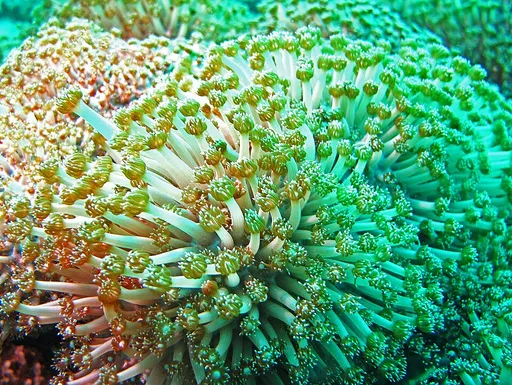 7.9 in (20 cm)26 gal (100 L)75–81°F (24–27°C)
Short-polyp flowerpot coral
Goniopora columna
7.9 in (20 cm) · 26 gal (100 L)
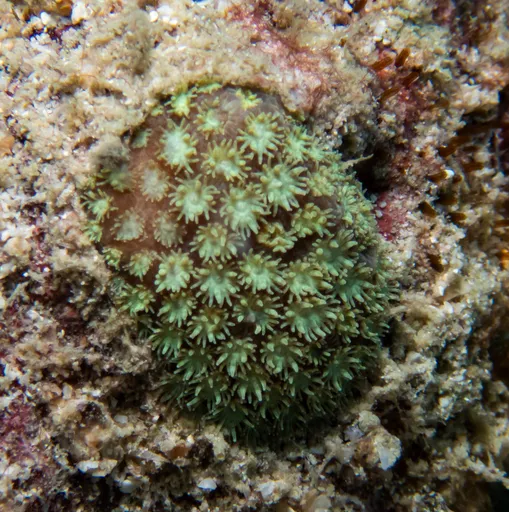 7.9 in (20 cm)11 gal (40 L)75–81°F (24–27°C)
Red flowerpot coral
Bernardpora stutchburyi
7.9 in (20 cm) · 11 gal (40 L)
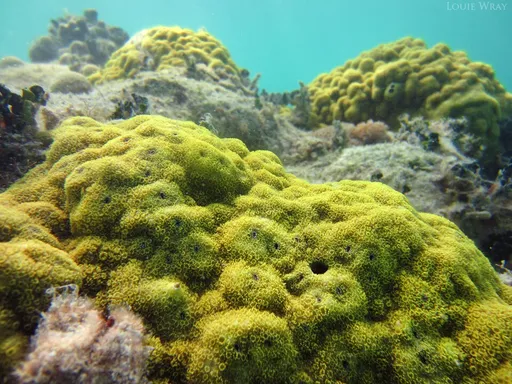 13.8 in (35 cm)40 gal (150 L)75–81°F (24–27°C)
Porites
13.8 in (35 cm) · 40 gal (150 L)
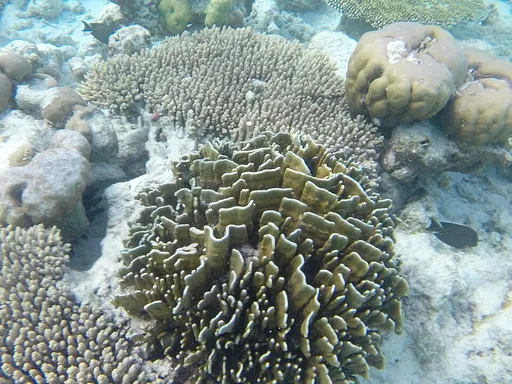 9.8 in (25 cm)11 gal (40 L)75–81°F (24–27°C)
Blue coral
Heliopora coerulea
9.8 in (25 cm) · 11 gal (40 L)
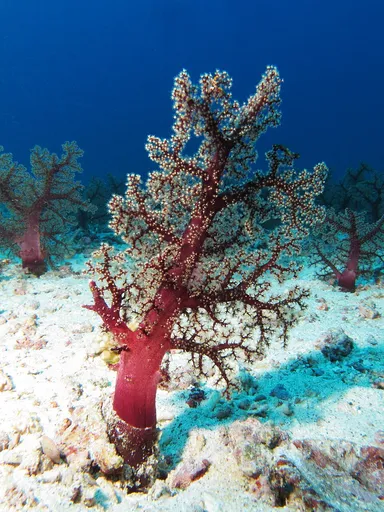 9.8 in (25 cm)20 gal (75 L)75–81°F (24–27°C)
Carnation coral
Dendronephthya
9.8 in (25 cm) · 20 gal (75 L)