Long-polyp flowerpot coral
Goniopora stokesi
Also known as Flowerpot Coral, Daisy Coral, Anemone Coral, Ball Coral, Stokes Goniopora
SaltwaterCoral
Care at a glance
- Temperature
- 75–81°F
- 24–27°C
- pH
- 8.1–8.4
- Adult size
- 7.9 in
- 20 cm
- Minimum tank
- 26 gal
- 100 L
- Temperament
- Peaceful
- Social behavior
- Solitary
- Swim level
- Bottom
- Difficulty
- Difficult
- Breeding
- Hard
- Rarity
- Common
- Reef safe
- Reef safe
- Family
- Poritidae
- Origin
- Found on soft sediment and lagoon floors across the Indo-Pacific, often living free rather than cemented to reef.
Overview
The long-polyp flowerpot coral is a notoriously difficult coral that has historically died within months, even in good tanks. It is only for experienced keepers.
Did you know
Each polyp of the long-polyp flowerpot coral carries 24 tentacles. That count tells it apart from the similar Alveopora, which has 12.
Caring for the long-polyp flowerpot coral
Give the long-polyp flowerpot coral low to moderate light, around 80 to 150 PAR, and moderate indirect flow. Set it on the sand with space around it, and do not move it once it settles.
Attempt it only in a mature, stable reef of at least 26 gal (100 L). Hold the water at 75 to 81°F (24 to 27°C) and the pH at 8.1 to 8.4. It needs rock steady parameters, and any swing in alkalinity or nutrients sets it back. Frequent feedings of fine plankton and amino acids, several times a week, improve its odds.
It reproduces by budding off small, free-floating daughter colonies. The buds detach and grow into new balls, but breeding it in a tank is hard.
Good to know
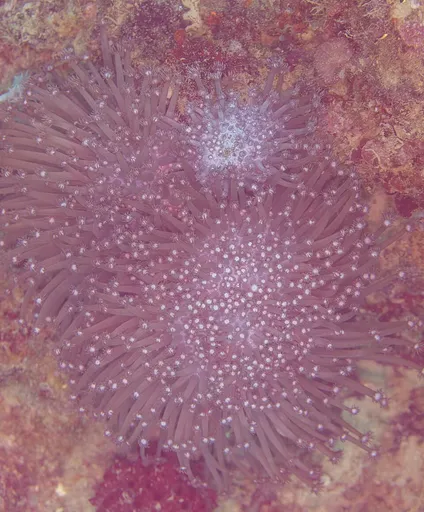
The long-polyp flowerpot coral, Goniopora stokesi, is a large polyp stony coral in the family Poritidae, and it hosts zooxanthellae. It extends a dense head of long, waving polyps, each with a ring of tentacles around a central mouth. The whole colony looks like a bed of small daisies, and the swaying stalks hide the skeleton completely when the polyps are out. Colors run from green and brown to pink and cream. It is also called the daisy coral, anemone coral or ball coral.
In the wild
The long-polyp flowerpot coral is found on soft sediment and lagoon floors across the Indo-Pacific. It typically forms a rounded, free-living ball that sits on the sand rather than fixing to rock.
Common questions
What size tank does a long-polyp flowerpot coral need?
A long-polyp flowerpot coral needs at least 26 gal (100 L).
What temperature and pH does a long-polyp flowerpot coral need?
A long-polyp flowerpot coral is comfortable at 75–81°F (24–27°C) with a pH of 8.1–8.4.
What does a long-polyp flowerpot coral eat?
A long-polyp flowerpot coral needs fine plankton and amino acids several times a week, and frequent feeding improves its odds.
How big does a long-polyp flowerpot coral get?
An adult long-polyp flowerpot coral reaches about 7.9 in (20 cm).
How does a long-polyp flowerpot coral breed?
A long-polyp flowerpot coral reproduces by budding off small, free-floating daughter colonies that grow into new balls. Breeding it in a tank is still hard.
Related species
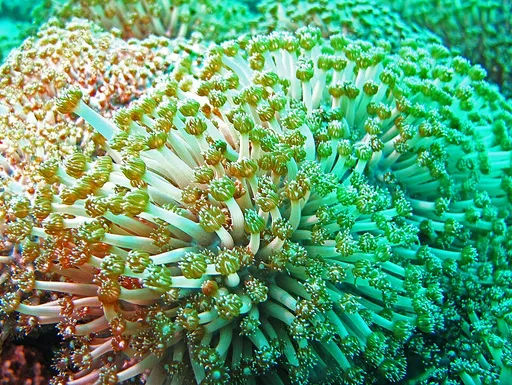 7.9 in (20 cm)26 gal (100 L)75–81°F (24–27°C)
Short-polyp flowerpot coral
Goniopora columna
7.9 in (20 cm) · 26 gal (100 L)
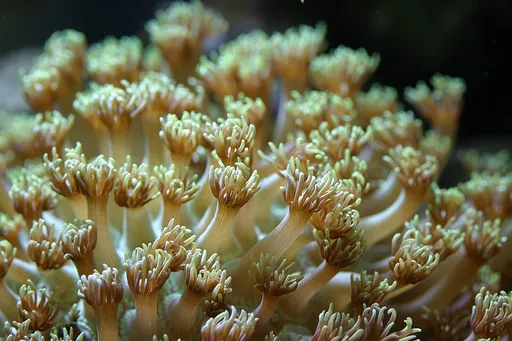 9.8 in (25 cm)11 gal (40 L)75–81°F (24–27°C)
Flowerpot coral
Goniopora
9.8 in (25 cm) · 11 gal (40 L)
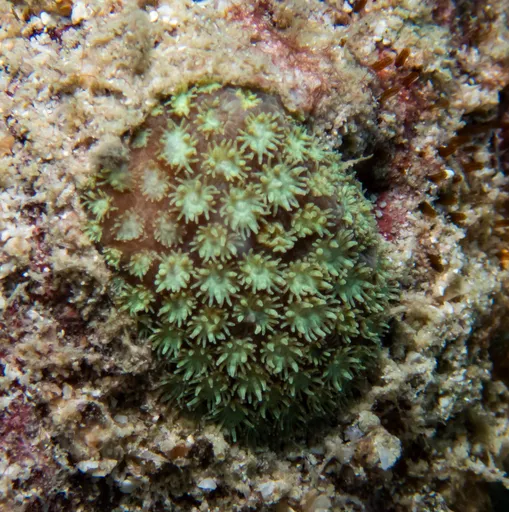 7.9 in (20 cm)11 gal (40 L)75–81°F (24–27°C)
Red flowerpot coral
Bernardpora stutchburyi
7.9 in (20 cm) · 11 gal (40 L)
 13.8 in (35 cm)40 gal (150 L)75–81°F (24–27°C)
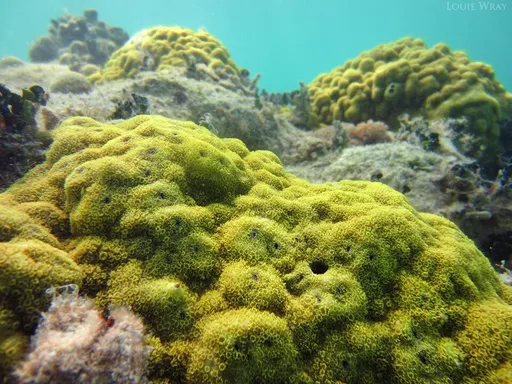
Porites
13.8 in (35 cm) · 40 gal (150 L)
 7.9 in (20 cm)11 gal (40 L)75–81°F (24–27°C)
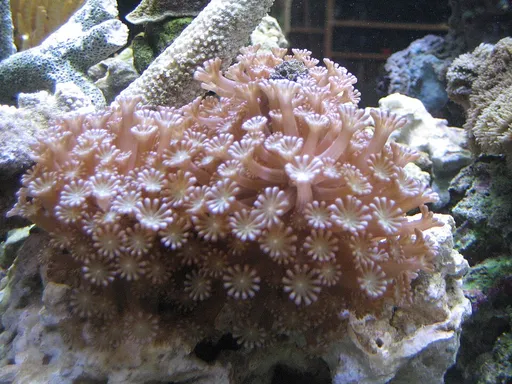
Alveopora coral
Alveopora
7.9 in (20 cm) · 11 gal (40 L)
 7.9 in (20 cm)11 gal (40 L)75–81°F (24–27°C)
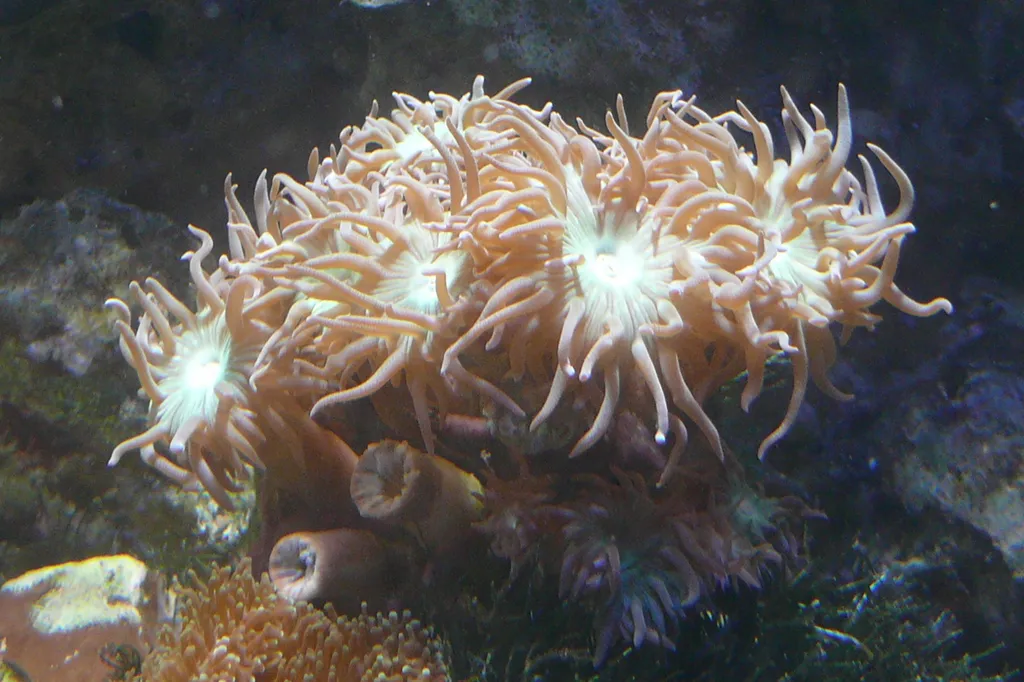
Duncan coral
Duncanopsammia axifuga
7.9 in (20 cm) · 11 gal (40 L)