Duncan coral
Duncanopsammia axifuga
Also known as Duncanopsammia, Whisker Coral
SaltwaterCoral
Care at a glance
- Temperature
- 75–81°F
- 24–27°C
- pH
- 8.1–8.4
- Adult size
- 7.9 in
- 20 cm
- Minimum tank
- 11 gal
- 40 L
- Temperament
- Peaceful
- Social behavior
- Solitary
- Swim level
- Bottom
- Difficulty
- Medium
- Breeding
- Medium
- Rarity
- Common
- Reef safe
- Reef safe
- Family
- Dendrophylliidae
- Origin
- Australia and the northern Indian Ocean
Overview
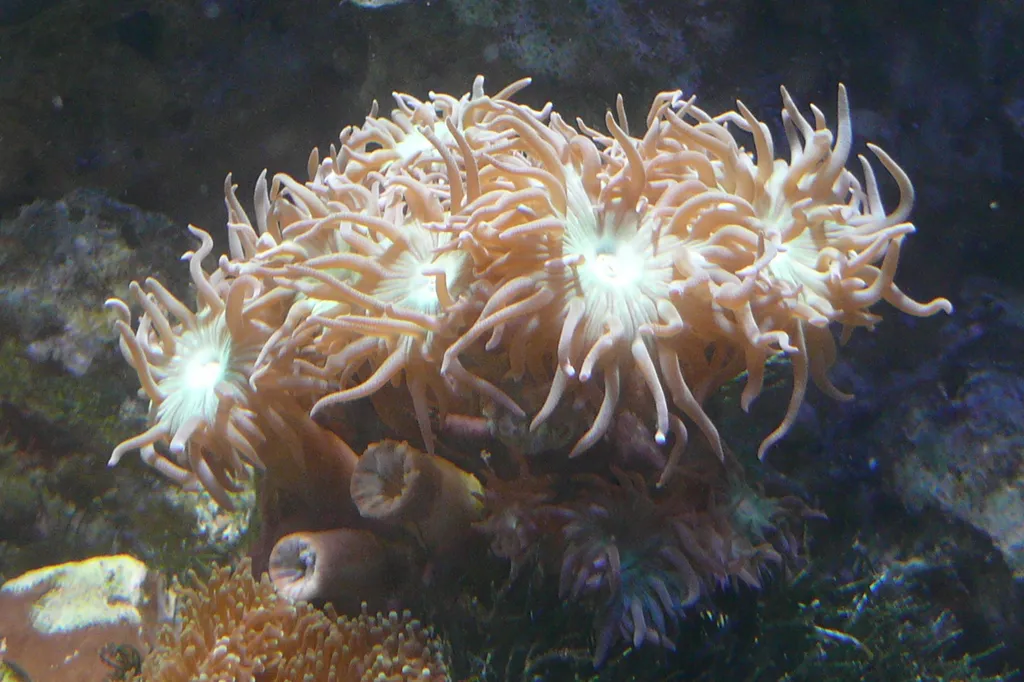
One of the most peaceful LPS corals, Duncan has no sweeper tentacles and can be placed safely near most other corals. It is an eager feeder that responds strongly to meaty foods like mysis and coral pellets two to three times a week, which can turn a single head into ten or more within a few months. Easily propagated by separating heads.
In the wild
Duncan coral comes from deeper, often sandy areas around Australia and the northern Indian Ocean, and forms branching tubular stalks each topped with a fleshy polyp fringed by long tentacles. It is one of the most forgiving LPS and tolerates a wide light range from about 50 to 150 PAR with moderate, indirect flow. Place it on low rockwork or a middle shelf where the polyps can extend, at 24 to 27 C and pH 8.1 to 8.4.
Good to know
Duncanopsammia axifuga is the only species in its genus and, unusually for a member of family Dendrophylliidae, hosts symbiotic zooxanthellae. Colonies bud new heads readily and can grow quickly for an LPS. It does not produce sweeper tentacles.
Did you know
Well-fed Duncan colonies pump out new heads about once a month, so a single-head frag can become a crowded cluster within a year.
Common questions
What size tank does a Duncan coral need?
A Duncan coral needs at least 11 gal (40 L). It spends most of its time in the bottom.
What temperature and pH does a Duncan coral need?
A Duncan coral is comfortable at 75–81°F (24–27°C) with a pH of 8.1–8.4.
How big does a Duncan coral get?
An adult Duncan coral reaches about 7.9 in (20 cm).
Related species
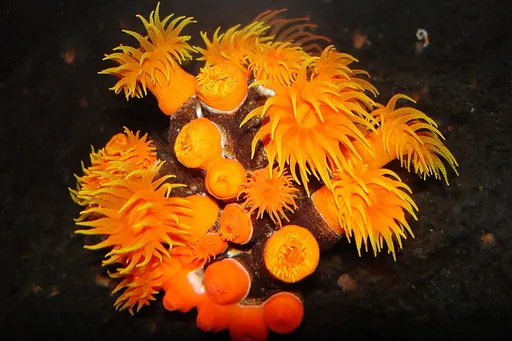 7.9 in (20 cm)20 gal (75 L)75–81°F (24–27°C)
Sun coral
Tubastraea
7.9 in (20 cm) · 20 gal (75 L)
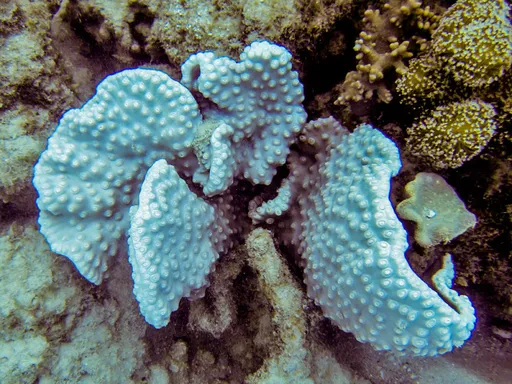 11.8 in (30 cm)40 gal (150 L)75–81°F (24–27°C)
Pagoda cup coral
Turbinaria peltata
11.8 in (30 cm) · 40 gal (150 L)
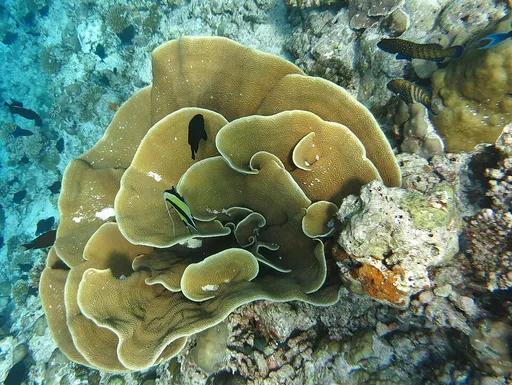 11.8 in (30 cm)40 gal (150 L)75–81°F (24–27°C)
Ruffled disc coral
Turbinaria mesenterina
11.8 in (30 cm) · 40 gal (150 L)
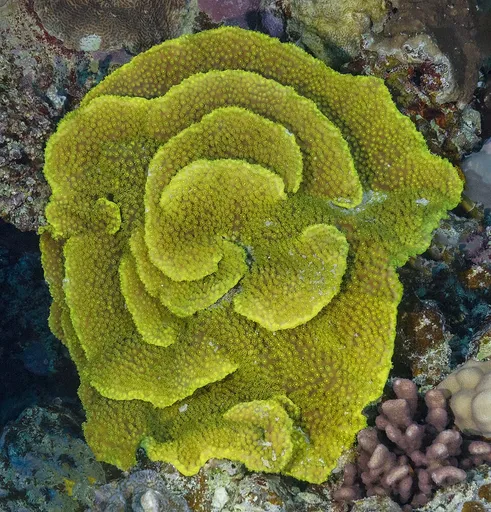 11.8 in (30 cm)40 gal (150 L)75–81°F (24–27°C)
Yellow scroll coral
Turbinaria reniformis
11.8 in (30 cm) · 40 gal (150 L)
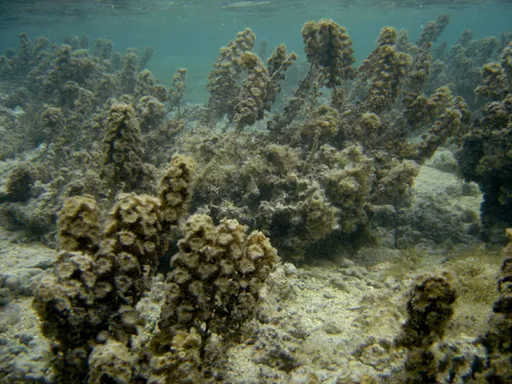 13.8 in (35 cm)20 gal (75 L)75–81°F (24–27°C)
Turbinaria cup coral
Turbinaria
13.8 in (35 cm) · 20 gal (75 L)
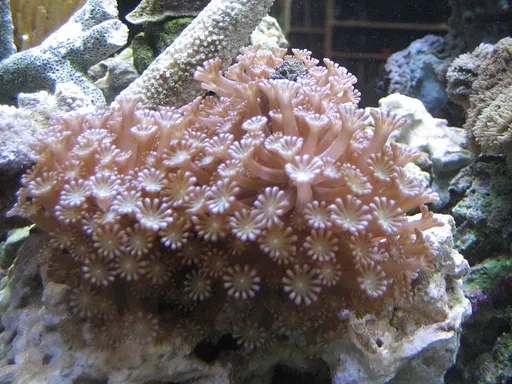 7.9 in (20 cm)11 gal (40 L)75–81°F (24–27°C)
Alveopora coral
Alveopora
7.9 in (20 cm) · 11 gal (40 L)