Pagoda cup coral
Turbinaria peltata
Also known as Pagoda Coral, Cup Coral, Turbinaria Pagoda, Chalice Cup Coral, Vase Coral
SaltwaterCoral
Care at a glance
- Temperature
- 75–81°F
- 24–27°C
- pH
- 8.1–8.4
- Adult size
- 11.8 in
- 30 cm
- Minimum tank
- 40 gal
- 150 L
- Temperament
- Peaceful
- Social behavior
- Solitary
- Swim level
- Bottom
- Difficulty
- Easy
- Breeding
- Hard
- Rarity
- Common
- Reef safe
- Reef safe
- Family
- Dendrophylliidae
- Origin
- Occurs on Indo-Pacific reefs, often in turbid inshore and lagoon water from the Red Sea to the western Pacific.
Overview
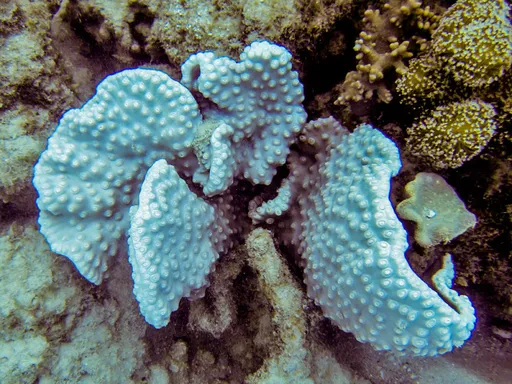
Give it a 150 liter or larger reef with moderate light and moderate flow, mounted where the plates have room to widen. It is one of the hardiest Turbinaria and tolerates a range of conditions, but keep temperature 24 to 27 C, pH 8.1 to 8.4, and stable alkalinity. The large polyps take mysis and small meaty foods readily, which helps it grow. Angle the cup so detritus does not pool in the center.
In the wild
A stony coral that grows as a cup or pagoda shape, forming horizontal plates and tiers with large, well-spaced polyps that stand up off the surface. It is usually gray-green or brown with prominent fleshy polyps that stay extended day and night, unlike most of its relatives. Young colonies encrust and then lift into a shallow bowl. The big daytime polyps make it look almost furry when open.
Good to know
Turbinaria peltata is a large polyp member of the family Dendrophylliidae, the same family as sun corals and Duncanopsammia. It is the species in its genus most likely to keep its polyps out during the day, and it has the largest polyps of the group. It carries zooxanthellae and produces mucus to shed the silt of the murky habitats it favors.
Did you know
It is the only cup coral in its genus that routinely feeds during the day, so its fuzzy polyps stay on show instead of hiding until dark.
Common questions
What size tank does a Pagoda cup coral need?
A Pagoda cup coral needs at least 40 gal (150 L). It spends most of its time in the bottom.
What temperature and pH does a Pagoda cup coral need?
A Pagoda cup coral is comfortable at 75–81°F (24–27°C) with a pH of 8.1–8.4.
How big does a Pagoda cup coral get?
An adult Pagoda cup coral reaches about 11.8 in (30 cm).
Related species
 11.8 in (30 cm)40 gal (150 L)75–81°F (24–27°C)
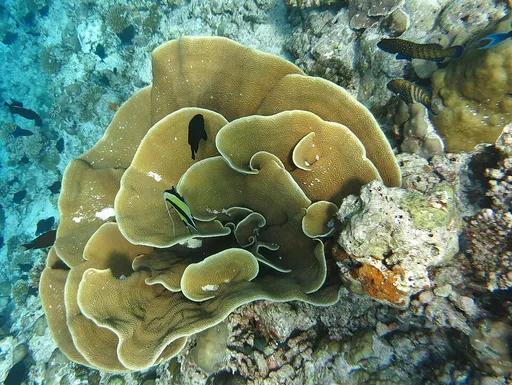
Ruffled disc coral
Turbinaria mesenterina
11.8 in (30 cm) · 40 gal (150 L)
 11.8 in (30 cm)40 gal (150 L)75–81°F (24–27°C)
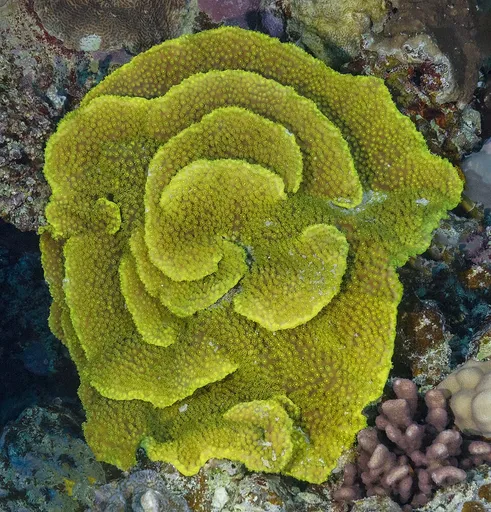
Yellow scroll coral
Turbinaria reniformis
11.8 in (30 cm) · 40 gal (150 L)
 13.8 in (35 cm)20 gal (75 L)75–81°F (24–27°C)
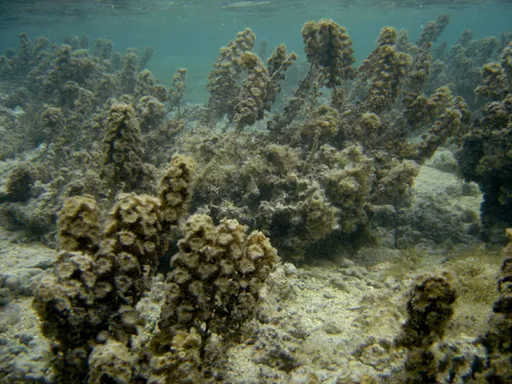
Turbinaria cup coral
Turbinaria
13.8 in (35 cm) · 20 gal (75 L)
 7.9 in (20 cm)11 gal (40 L)75–81°F (24–27°C)
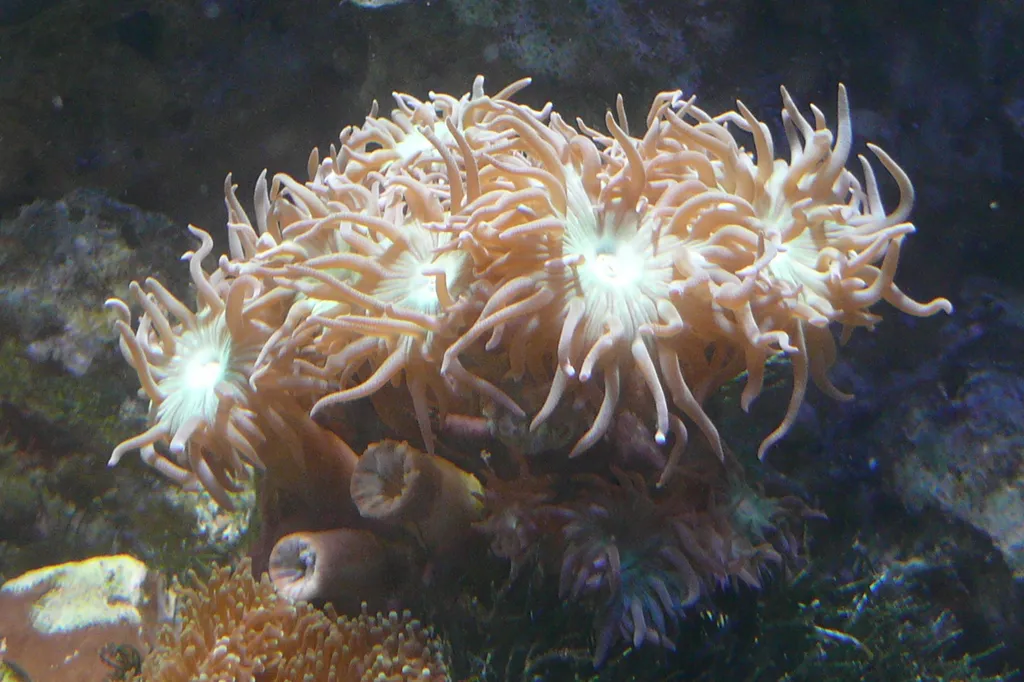
Duncan coral
Duncanopsammia axifuga
7.9 in (20 cm) · 11 gal (40 L)
 7.9 in (20 cm)20 gal (75 L)75–81°F (24–27°C)
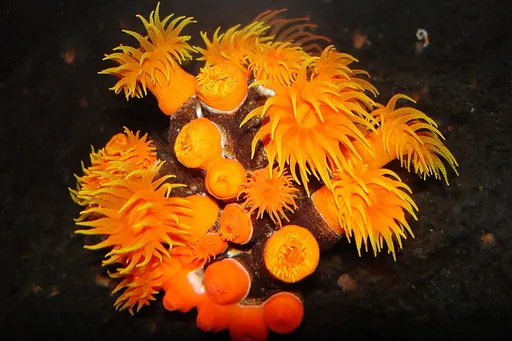
Sun coral
Tubastraea
7.9 in (20 cm) · 20 gal (75 L)
 11.8 in (30 cm)26 gal (100 L)75–81°F (24–27°C)
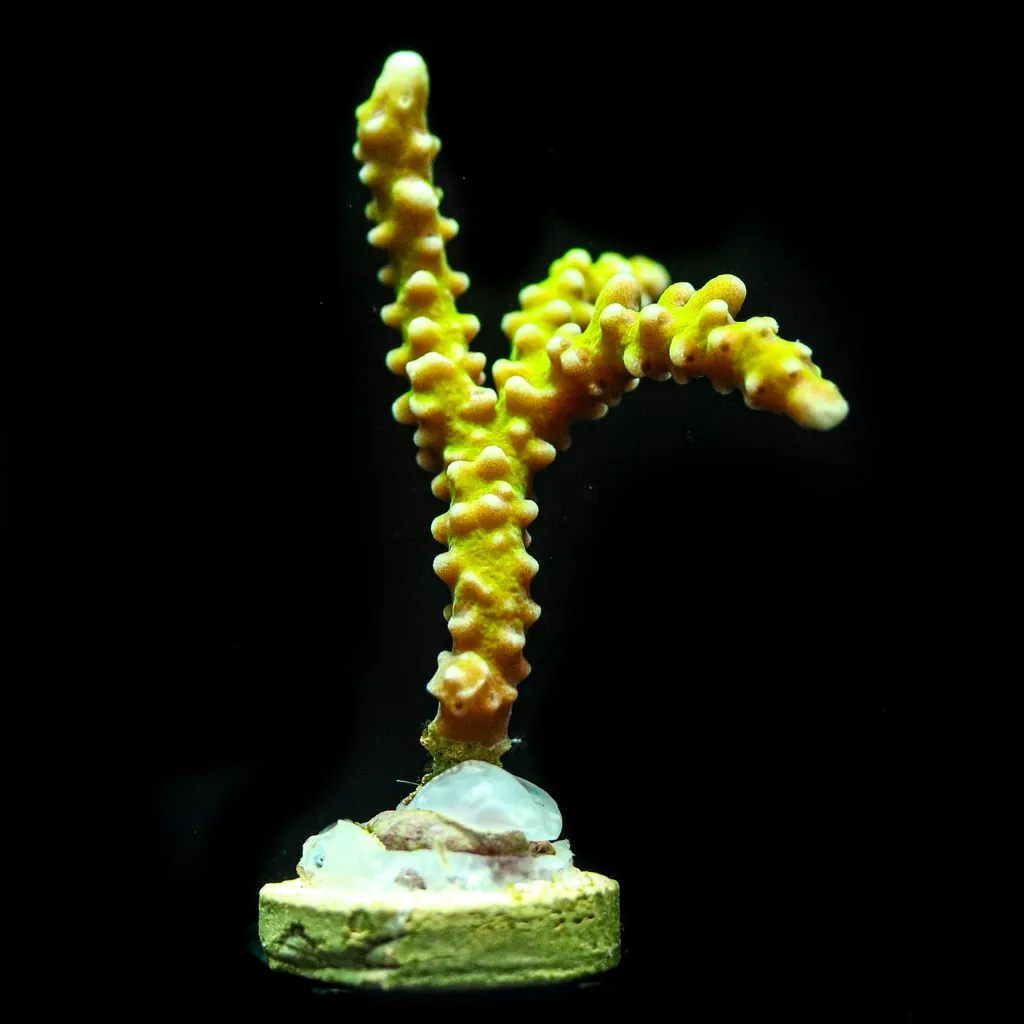
Briar coral
Anacropora sp.
11.8 in (30 cm) · 26 gal (100 L)