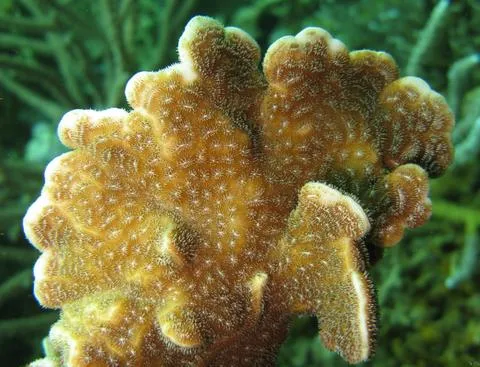
Potato chip coral
Pavona decussata
Also known as Cactus Coral, Lettuce Coral, Leaf Coral, Pavona
SaltwaterCoral
Care at a glance
- Temperature
- 75–81°F
- 24–27°C
- pH
- 8.1–8.4
- Adult size
- 11.8 in
- 30 cm
- Minimum tank
- 20 gal
- 75 L
- Temperament
- Mostly peaceful
- Social behavior
- Solitary
- Swim level
- Bottom
- Difficulty
- Beginner
- Breeding
- Easy
- Rarity
- Common
- Reef safe
- Reef safe
- Family
- Agariciidae
- Origin
- Indo-Pacific, from the Red Sea and East Africa east to the central Pacific, on shallow reef flats, slopes and lagoons usually shallower than 15 meters
Overview
A hardy, fast-settling stony coral and a good first SPS for a keeper stepping up from softies and LPS. It grows best under moderate light, since too much intensity bleaches it rather than improving color, and it wants medium to high flow to keep detritus out of the folded plates. It carries only short sweeper tentacles, so it is not much of a threat to neighbors, but the plates encrust and spread over time, so leave space around it. Feeding is optional, as it gets most of its energy from light, but it will take fine foods like minced mysis or rotifers. The trade uses cactus, lettuce, leaf and potato chip names loosely across several look-alike Pavona, so check the scientific name if exact identity matters.
In the wild
Pavona decussata grows across the shallow Indo-Pacific, from the Red Sea and East Africa out to the central Pacific, on reef flats, slopes and lagoons in the top 15 meters or so. It builds stacks of thin, upright plates that fold and overlap into a layered, leafy wall, the look that earns it the potato chip name. In the aquarium it wants moderate light, around 100 PAR is a good target, and medium to high flow, set on the lower or middle rockwork where intense top light will not bleach the thin tissue. Give the plates room, since the colony spreads outward as it fills in.
Good to know
Pavona decussata sits in the family Agariciidae, the lettuce and leaf corals, where the corallites lack distinct walls and instead share ridged septa that link neighboring polyps into one continuous surface. It is a zooxanthellate reef builder that draws most of its energy from the symbiotic algae in its tissue rather than from captured food. Like others in the genus its shape shifts with conditions, building tighter, more upright plates in stronger flow and light and flatter, more spread out sheets in calmer, shadier water.
Did you know
The stacked, overlapping plates that give the potato chip coral its name are also how it competes for space, fanning outward and layering over slower neighbors to claim its patch of reef.
Common questions
What size tank does a Potato chip coral need?
A Potato chip coral needs at least 20 gal (75 L). It spends most of its time in the bottom.
What temperature and pH does a Potato chip coral need?
A Potato chip coral is comfortable at 75–81°F (24–27°C) with a pH of 8.1–8.4.
How big does a Potato chip coral get?
An adult Potato chip coral reaches about 11.8 in (30 cm).
Related species
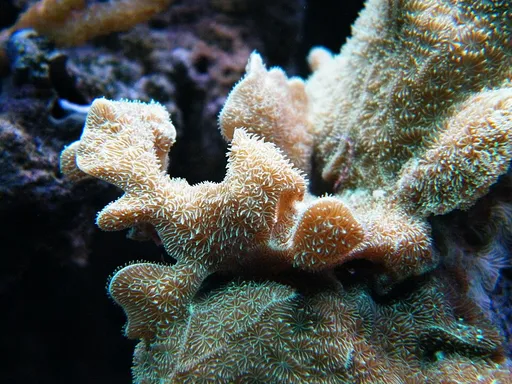 11.8 in (30 cm)20 gal (75 L)75–81°F (24–27°C)
Cactus coral
Pavona cactus
11.8 in (30 cm) · 20 gal (75 L)
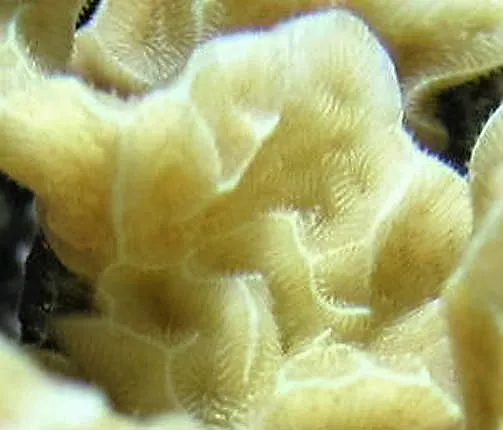 9.8 in (25 cm)20 gal (75 L)75–81°F (24–27°C)
Leaf coral
Pavona frondifera
9.8 in (25 cm) · 20 gal (75 L)
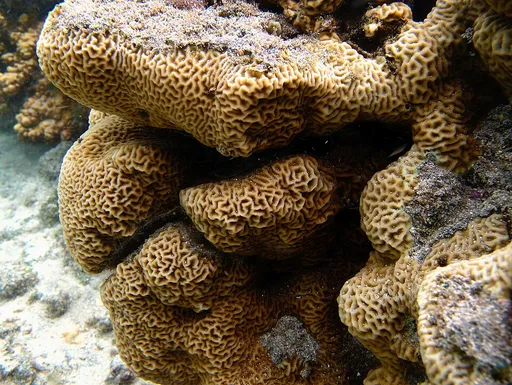 9.8 in (25 cm)20 gal (75 L)75–81°F (24–27°C)
Lettuce coral
Pavona varians
9.8 in (25 cm) · 20 gal (75 L)
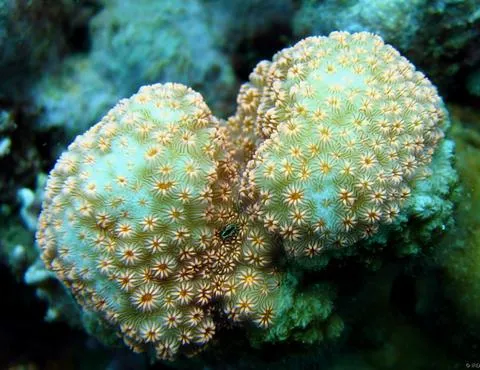 7.9 in (20 cm)20 gal (75 L)75–81°F (24–27°C)
Maldives pavona
Pavona maldivensis
7.9 in (20 cm) · 20 gal (75 L)
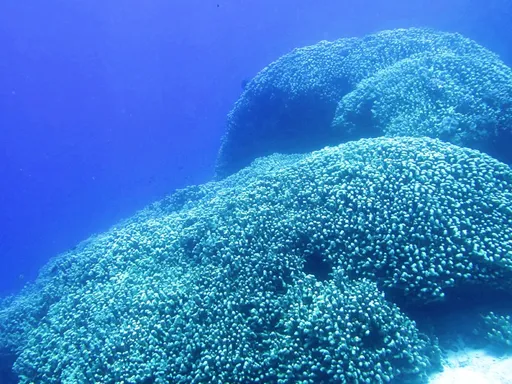 19.7 in (50 cm)26 gal (100 L)75–81°F (24–27°C)
Shoulderblade coral
Pavona clavus
19.7 in (50 cm) · 26 gal (100 L)
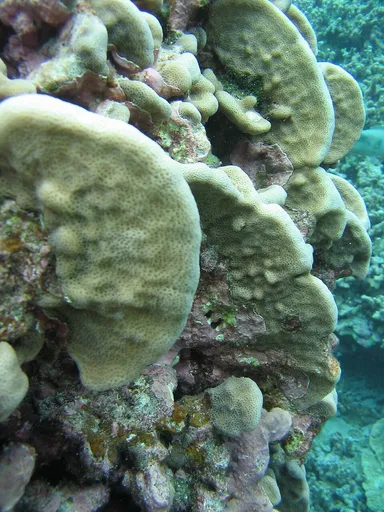 23.6 in (60 cm)26 gal (100 L)75–81°F (24–27°C)
Porkchop coral
Pavona duerdeni
23.6 in (60 cm) · 26 gal (100 L)