Cactus coral
Pavona cactus
Also known as Potato Chip Coral, Pavona, Lettuce Coral
SaltwaterCoral
Care at a glance
- Temperature
- 75–81°F
- 24–27°C
- pH
- 8.1–8.4
- Adult size
- 11.8 in
- 30 cm
- Minimum tank
- 20 gal
- 75 L
- Temperament
- Mostly peaceful
- Social behavior
- Solitary
- Swim level
- Bottom
- Difficulty
- Beginner
- Breeding
- Easy
- Rarity
- Common
- Reef safe
- Reef safe
- Family
- Agariciidae
- Origin
- Indo-Pacific reef flats and lagoons, including Fiji, Tonga, the Solomon Islands, and Australia's Great Barrier Reef, usually shallower than 15 meters
Overview
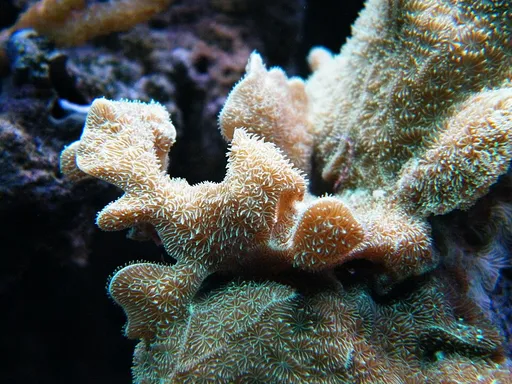
A generally calm stony coral that still carries sweeper tentacles reaching several inches at night, so give it real space from its neighbors rather than crowding it in. It does best under medium light, around 100 PAR is a reasonable target, since pushing it under intense lighting too fast can bleach the tissue. It wants medium to high flow to keep its folded plates clear of detritus and to encourage the tighter, more upright growth form. Feeding is optional: it has small mouths but will take minced mysis or rotifers, and it is one of the more forgiving stony corals for a keeper moving up from softies and LPS into SPS.
In the wild
Pavona cactus grows on shallow Indo-Pacific reef flats and lagoons, including Fiji, Tonga, the Solomon Islands, and the Great Barrier Reef, typically in water less than 15 meters deep. It forms thin, upright plates that branch and fold back on themselves like a stack of chips, or a flatter encrusting mat, depending on how much flow it grows in. In the aquarium it does best under medium light, around 100 PAR, with medium to high flow, set on the lower to middle rockwork away from the most intense top-of-tank light.
Good to know
Pavona sits in the family Agariciidae alongside the lettuce and leaf corals, and its corallites lack distinct walls, instead sharing ridged septa that connect neighboring polyps into a continuous, flower-like surface. Pavona cactus builds its skeleton into thin, contorted vertical plates under higher flow, or spreads as a low encrusting sheet where movement is gentler, so colonies of the same species can look very different from tank to tank. It carries photosynthetic zooxanthellae like other reef-building corals and gets most of its energy from light rather than from capturing food.
Did you know
A single Pavona cactus colony can grow two completely different shapes depending on water movement, folding into tight, upright chip-like plates in strong flow while a neighboring patch of the same species spreads into a flat encrusting mat in calmer water on the same reef.
Common questions
What size tank does a Cactus coral need?
A Cactus coral needs at least 20 gal (75 L). It spends most of its time in the bottom.
What temperature and pH does a Cactus coral need?
A Cactus coral is comfortable at 75–81°F (24–27°C) with a pH of 8.1–8.4.
How big does a Cactus coral get?
An adult Cactus coral reaches about 11.8 in (30 cm).
Related species
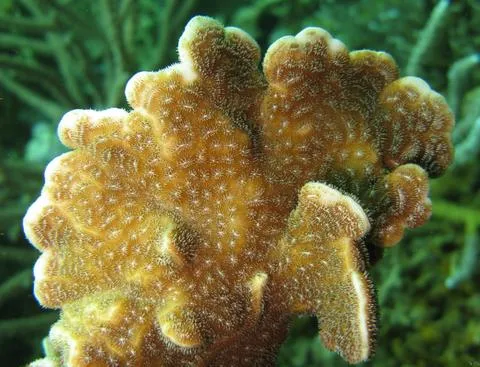 11.8 in (30 cm)20 gal (75 L)75–81°F (24–27°C)
Potato chip coral
Pavona decussata
11.8 in (30 cm) · 20 gal (75 L)
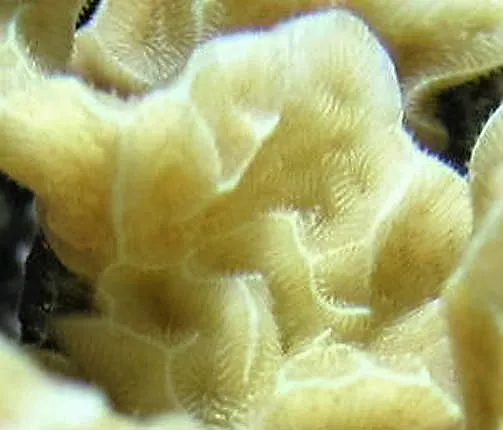 9.8 in (25 cm)20 gal (75 L)75–81°F (24–27°C)
Leaf coral
Pavona frondifera
9.8 in (25 cm) · 20 gal (75 L)
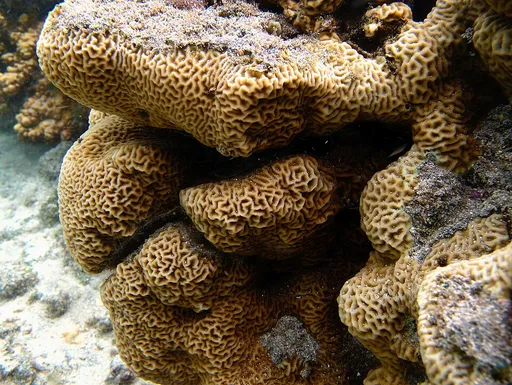 9.8 in (25 cm)20 gal (75 L)75–81°F (24–27°C)
Lettuce coral
Pavona varians
9.8 in (25 cm) · 20 gal (75 L)
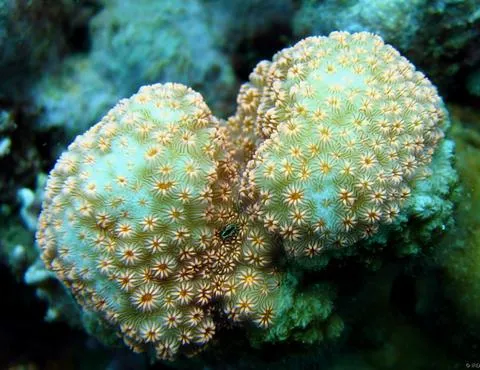 7.9 in (20 cm)20 gal (75 L)75–81°F (24–27°C)
Maldives pavona
Pavona maldivensis
7.9 in (20 cm) · 20 gal (75 L)
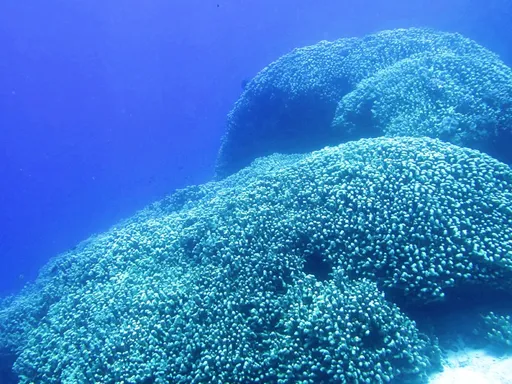 19.7 in (50 cm)26 gal (100 L)75–81°F (24–27°C)
Shoulderblade coral
Pavona clavus
19.7 in (50 cm) · 26 gal (100 L)
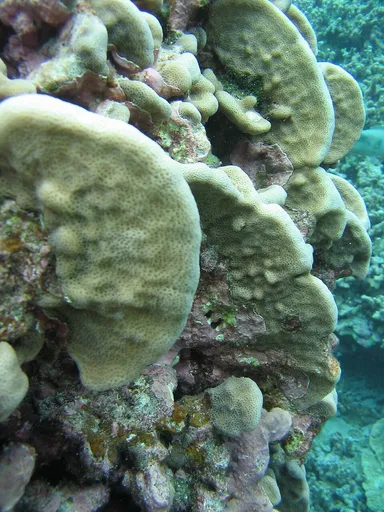 23.6 in (60 cm)26 gal (100 L)75–81°F (24–27°C)
Porkchop coral
Pavona duerdeni
23.6 in (60 cm) · 26 gal (100 L)