Sunset coral
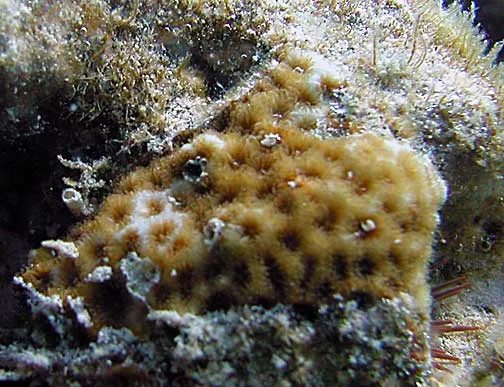
Leptastrea
Also known as Sunset Leptastrea
SaltwaterCoral
Care at a glance
- Temperature
- 75–81°F
- 24–27°C
- pH
- 8.1–8.4
- Adult size
- 7.9 in
- 20 cm
- Minimum tank
- 20 gal
- 75 L
- Temperament
- Mostly peaceful
- Social behavior
- Solitary
- Swim level
- Bottom
- Difficulty
- Beginner
- Breeding
- Easy
- Rarity
- Common
- Reef safe
- Reef safe
- Family
- Leptastreidae
- Origin
- Indo-Pacific reefs, commonly collected from Australia and Indonesia and occasionally arriving as a hitchhiker on rock or soft coral shipments from Vietnam
Overview
A small-polyped stony coral that is more territorial than it looks, throwing sweeper tentacles at night, so keep it a few inches clear of Euphyllia and other corals with sweepers of their own. It does best under moderate light, around 100 PAR, and should be moved into brighter spots gradually since intense light causes the polyps to stay retracted and lose their fluffy look. Flow should be gentle to moderate and not aimed straight at the colony. It tolerates dirtier water and higher nutrients better than most stony corals and grows faster with small feedings of frozen or powdered zooplankton a couple of times a week, pumps off briefly so the food has a chance to be caught.
In the wild
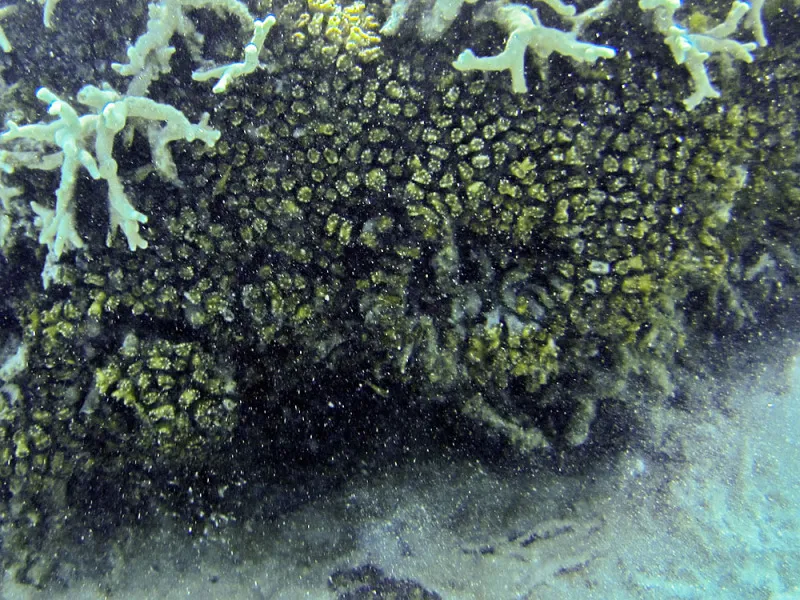
Leptastrea is a genus of small, massive reef-building corals found across the Indo-Pacific, most often collected from reef environments around Australia and Indonesia and occasionally showing up as a hitchhiker on rock or soft coral shipments from Vietnam. It grows as a thin encrusting sheet at first, thickening into a low dome or boulder shape over years, with tightly packed small corallites across the surface. In the aquarium it does best under moderate light, around 100 PAR, with gentle to moderate flow, placed low on the rockwork or tucked onto a rock face where it has room to spread without touching a neighbor.
Good to know
Leptastrea was long grouped with the brain corals in family Faviidae, but a 2012 revision of stony coral phylogeny found that grouping did not hold up, and Leptastrea has since been placed in its own family, Leptastreidae. Its polyps are only a few millimeters across but packed closely enough that an extended colony looks almost fuzzy or velvety across the surface, and the sunset trade name describes color morphs in warm orange, yellow, and red tones edged in purple or green. Polyps pull in tight to the skeleton when disturbed or under strong flow, a quick way to check whether the coral is happy where it sits.
Did you know
Leptastrea used to be filed under the brain coral family Faviidae until DNA studies in the 2010s showed that family was actually a grab bag of unrelated corals grouped together by old skeletal comparisons, and Leptastrea ended up reclassified into its own family, Leptastreidae, named for the genus itself.
Common questions
What size tank does a Sunset coral need?
A Sunset coral needs at least 20 gal (75 L). It spends most of its time in the bottom.
What temperature and pH does a Sunset coral need?
A Sunset coral is comfortable at 75–81°F (24–27°C) with a pH of 8.1–8.4.
How big does a Sunset coral get?
An adult Sunset coral reaches about 7.9 in (20 cm).
Related species
 7.9 in (20 cm)11 gal (40 L)75–81°F (24–27°C)
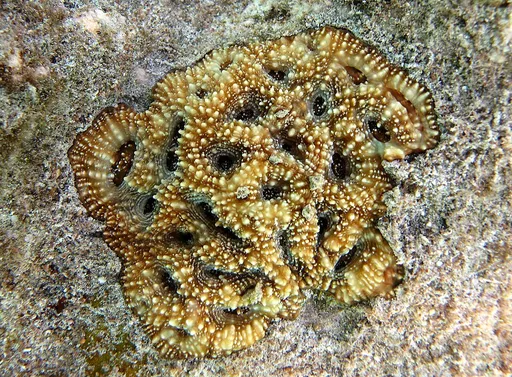
Acan coral
Acanthastrea echinata
7.9 in (20 cm) · 11 gal (40 L)
 7.9 in (20 cm)20 gal (75 L)75–81°F (24–27°C)
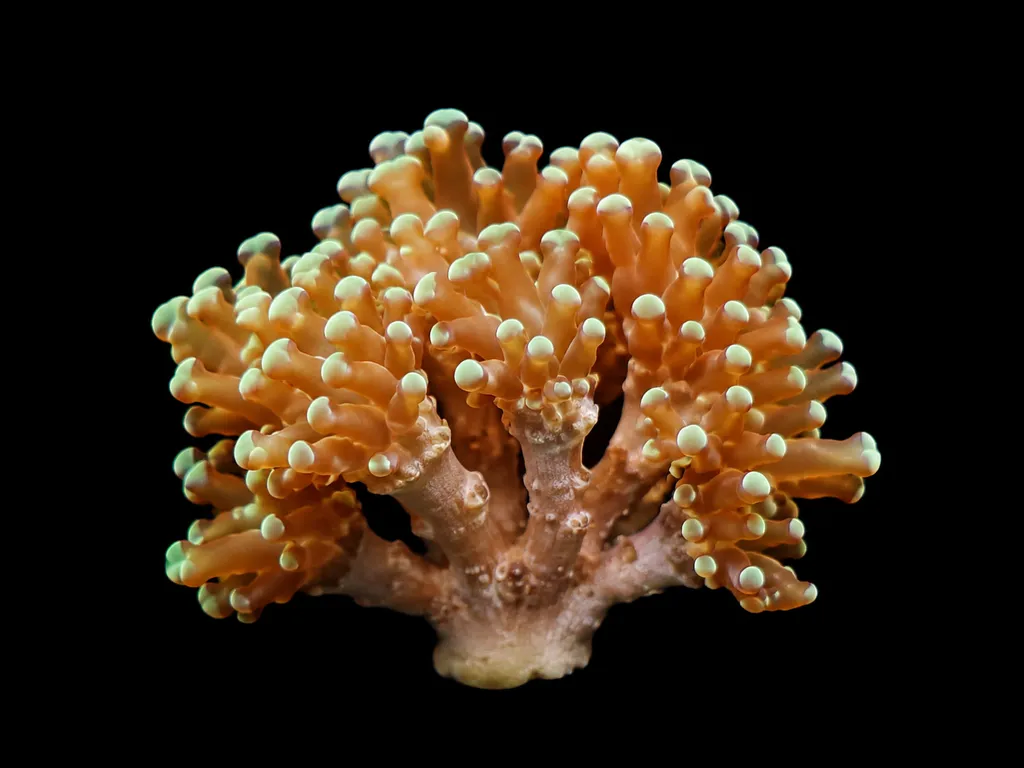
Branching frogspawn coral
Fimbriaphyllia paradivisa
7.9 in (20 cm) · 20 gal (75 L)
 7.9 in (20 cm)20 gal (75 L)75–81°F (24–27°C)
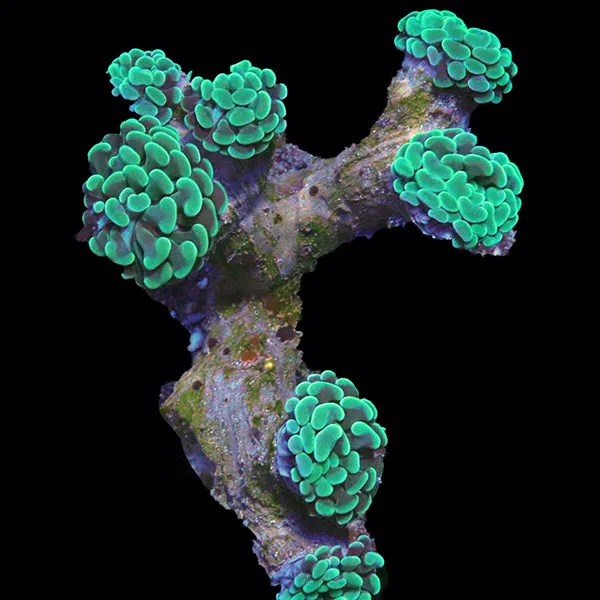
Branching hammer coral
Fimbriaphyllia paraancora
7.9 in (20 cm) · 20 gal (75 L)
 7.9 in (20 cm)11 gal (40 L)75–81°F (24–27°C)
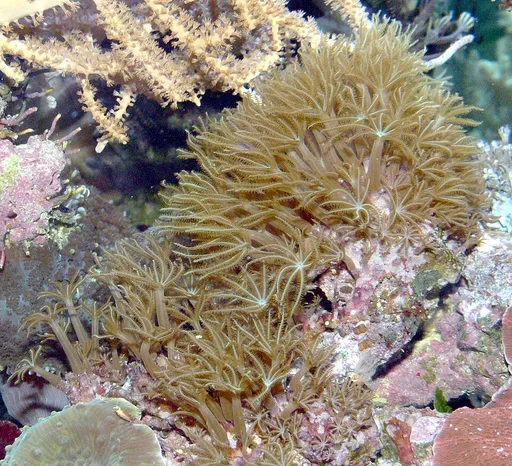
Candy cane coral
Caulastraea furcata
7.9 in (20 cm) · 11 gal (40 L)
 7.9 in (20 cm)11 gal (40 L)75–81°F (24–27°C)
Encrusting star polyps
Briareum
7.9 in (20 cm) · 11 gal (40 L)
 7.9 in (20 cm)20 gal (75 L)75–81°F (24–27°C)
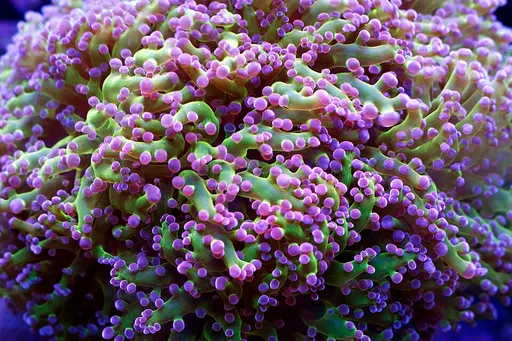
Frogspawn coral
Fimbriaphyllia divisa
7.9 in (20 cm) · 20 gal (75 L)