Pulsing xenia
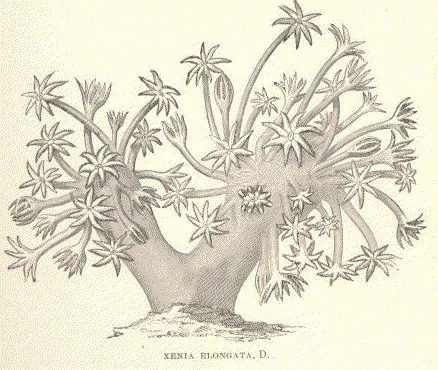
Xenia elongata
Also known as Xenia, Pom Pom Xenia, Pulse Coral
SaltwaterCoral
Care at a glance
- Temperature
- 75–81°F
- 24–27°C
- pH
- 8.1–8.4
- Adult size
- 7.9 in
- 20 cm
- Minimum tank
- 11 gal
- 40 L
- Temperament
- Peaceful
- Social behavior
- Solitary
- Swim level
- Bottom
- Diet
- Photosynthetic
- Difficulty
- Easy
- Breeding
- Easy
- Rarity
- Very common
- Reef safe
- Reef safe
- Family
- Xeniidae
- Origin
- Indo-Pacific reefs
Overview
Pulsing xenia is an octocoral prized for the constant, hypnotic motion of its pulsing polyps. It is easy to keep, as long as you can contain its spread.
Did you know
Xenia is one of the few animals that visibly moves on its own without any outside current. It opens and closes its polyps dozens of times a minute, and no one has fully settled why.
Caring for the pulsing xenia
Give pulsing xenia moderate light around 100 to 200 PAR and calmer, indirect flow, since strong direct current stops the pulsing. Place it low to mid on the rock, ideally on an isolated island rock surrounded by sand. It needs a tank of at least 11 gal (40 L).
Keep the water at 75 to 81°F (24 to 27°C) and a pH of 8.1 to 8.4. Xenia is notoriously sensitive to swings in alkalinity, the most common cause of a colony suddenly melting. It relies heavily on zooxanthellae and dissolved nutrients rather than captured prey. It can even do well in higher-nutrient water.
It is passive and low-sting toward its neighbors, but it competes by fast overgrowth. It spreads rapidly by budding and by dropping small pieces that reattach, so propagation is easy. Once established, it is hard to remove, so keep it confined to its island rock.
Good to know
Pulsing xenia, Xenia elongata, is an octocoral in the family Xeniidae. Its polyps pulse by actively contracting. Leading ideas for the purpose include gas exchange, boosting photosynthesis and shedding waste at the tissue surface.
In the wild
Xenia elongata grows on Indo-Pacific reefs. It is famous for the rhythmic opening and closing of its feathery polyps, which pulse like tiny grasping hands.
Common questions
What size tank does a pulsing xenia need?
A pulsing xenia needs at least 11 gal (40 L).
What temperature and pH does a pulsing xenia need?
A pulsing xenia is comfortable at 75–81°F (24–27°C) with a pH of 8.1–8.4.
What does a pulsing xenia eat?
Pulsing xenia relies heavily on zooxanthellae and dissolved nutrients, not captured prey. It can even do well in higher-nutrient water.
How big does a pulsing xenia get?
An adult pulsing xenia reaches about 7.9 in (20 cm).
How does a pulsing xenia breed?
Pulsing xenia spreads by budding and by dropping small pieces that reattach to the rock. It spreads rapidly and is easy to propagate.
Related species
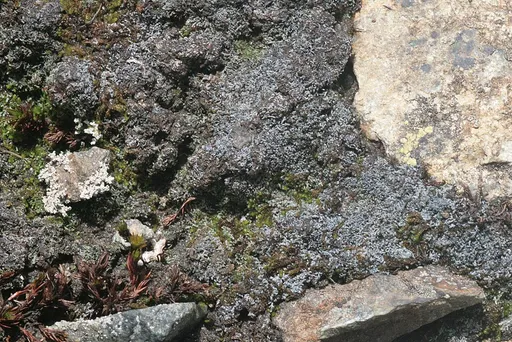 7.9 in (20 cm)11 gal (40 L)75–81°F (24–27°C)
Waving hand coral
Anthelia
7.9 in (20 cm) · 11 gal (40 L)
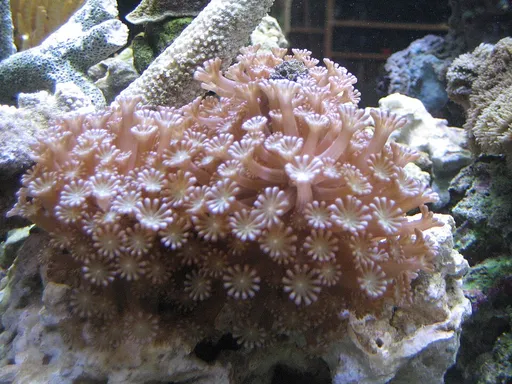 7.9 in (20 cm)11 gal (40 L)75–81°F (24–27°C)
Alveopora coral
Alveopora
7.9 in (20 cm) · 11 gal (40 L)
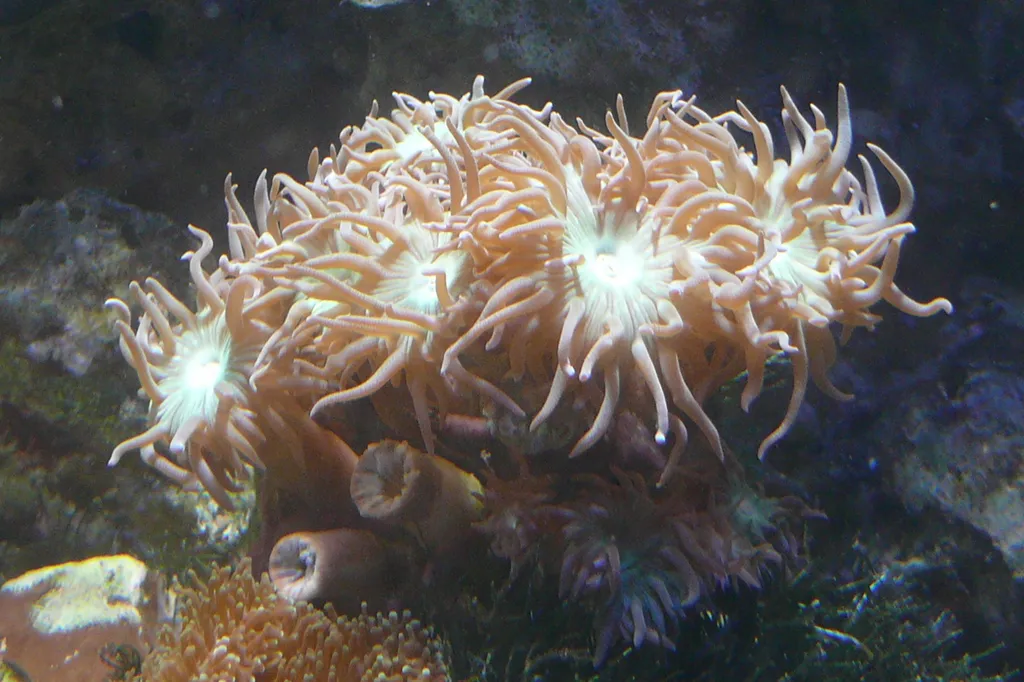 7.9 in (20 cm)11 gal (40 L)75–81°F (24–27°C)
Duncan coral
Duncanopsammia axifuga
7.9 in (20 cm) · 11 gal (40 L)
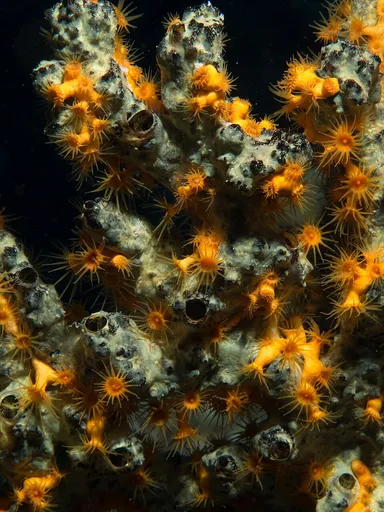 7.9 in (20 cm)20 gal (75 L)73–81°F (23–27°C)
Gold polyps
Parazoanthus swiftii
7.9 in (20 cm) · 20 gal (75 L)
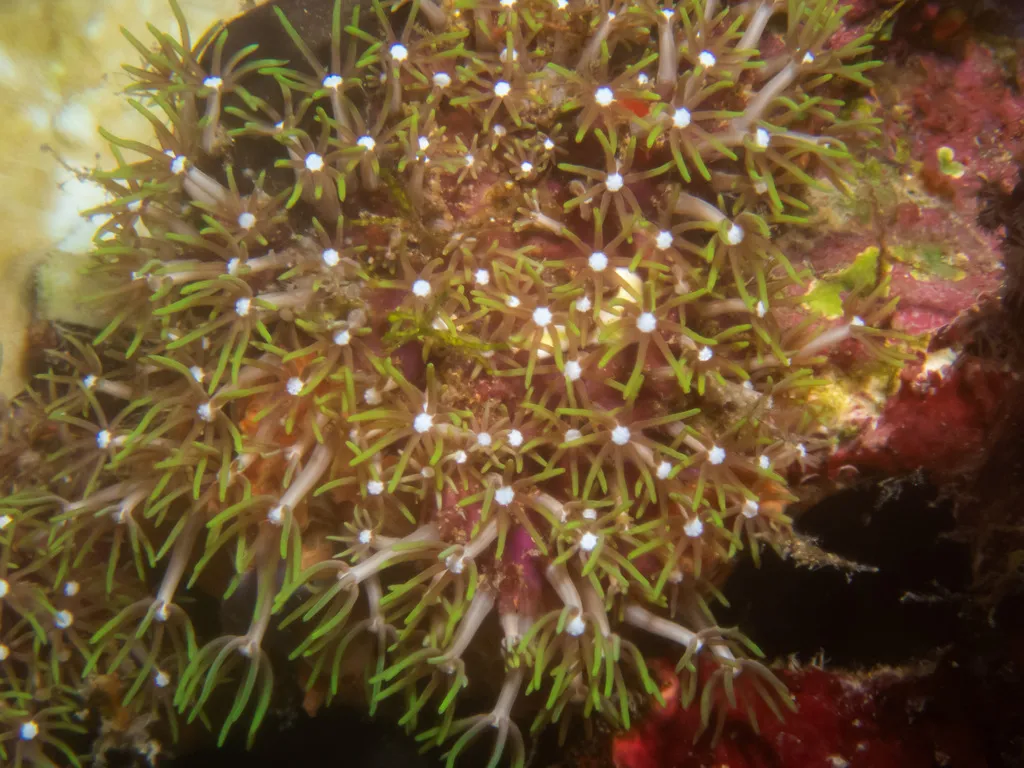 7.9 in (20 cm)11 gal (40 L)75–81°F (24–27°C)
Green star polyps
Pachyclavularia violacea
7.9 in (20 cm) · 11 gal (40 L)
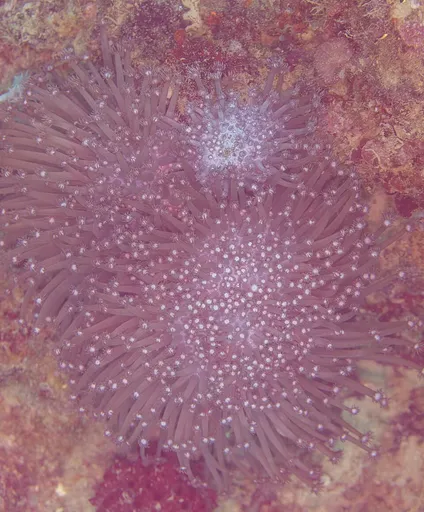 7.9 in (20 cm)26 gal (100 L)75–81°F (24–27°C)
Long-polyp flowerpot coral
Goniopora stokesi
7.9 in (20 cm) · 26 gal (100 L)