Slipper coral
Polyphyllia talpina
Also known as Tongue Coral, Feather Coral, Mole Coral, Sea Mole Coral, Slipper Plate Coral
SaltwaterCoral
Care at a glance
- Temperature
- 75–81°F
- 24–27°C
- pH
- 8.1–8.4
- Adult size
- 15.7 in
- 40 cm
- Minimum tank
- 40 gal
- 150 L
- Temperament
- Mostly peaceful
- Social behavior
- Solitary
- Swim level
- Bottom
- Diet
- Photosynthetic
- Difficulty
- Medium
- Breeding
- Hard
- Rarity
- Common
- Reef safe
- Reef safe
- Family
- Fungiidae
- Origin
- Lives free on sand and rubble between Indo-Pacific reefs, from the Indian Ocean through the western Pacific.
Overview
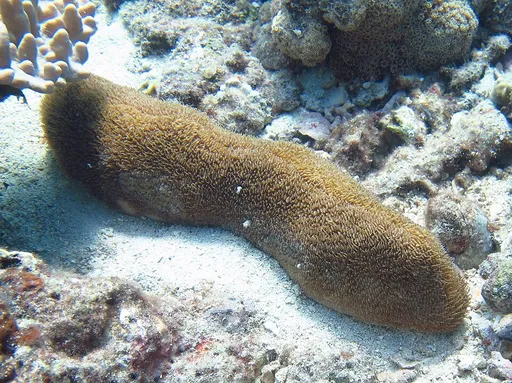
The slipper coral is a coral shaped like an elongated slipper or tongue, for the open sand bed of a reef tank. It is fairly easy given good placement and regular feeding.
Did you know
Every one of the slipper coral's shaggy tentacles covers its own tiny mouth, hundreds of mouths in all. The whole top surface of the coral is essentially one big feeding sheet.
Caring for the slipper coral
Set a slipper coral on open sand, with moderate light and gentle flow. Keep it off sharp rock that could cut its underside. It can sting corals it touches, so leave a gap around it on the sand bed.
It needs a reef of at least 40 gal (150 L). Standard reef chemistry works, at 75 to 81°F (24 to 27°C) and a pH of 8.1 to 8.4, with stable calcium and alkalinity.
It hosts zooxanthellae and also feeds through its dense carpet of tentacles. It wants regular feeding, so drop mysis and fine meaty foods onto the tentacles.
Good to know
Polyphyllia talpina is a free-living member of the family Fungiidae, the same group as the round Fungia plate corals. Its upper surface is covered in short, shaggy tentacles, usually tan, green or gray with paler tips. Rather than one central mouth, it has many mouths, a trait it shares with its close relative Herpolitha. Its body sits low and stays flexible.
In the wild
The slipper coral lives free on sand and rubble between Indo-Pacific reefs, from the Indian Ocean through the western Pacific. It sits loose on the sand rather than attaching to rock. Wild colonies can stretch to around 75 cm, though aquarium specimens are typically smaller.
Common questions
What size tank does a slipper coral need?
A slipper coral needs at least 40 gal (150 L).
What temperature and pH does a slipper coral need?
A slipper coral is comfortable at 75–81°F (24–27°C) with a pH of 8.1–8.4.
What does a slipper coral eat?
A slipper coral hosts zooxanthellae and also feeds through its dense carpet of tentacles. It wants regular feeding of mysis and fine meaty foods dropped onto the tentacles.
How big does a slipper coral get?
An adult slipper coral reaches about 15.7 in (40 cm).
Related species
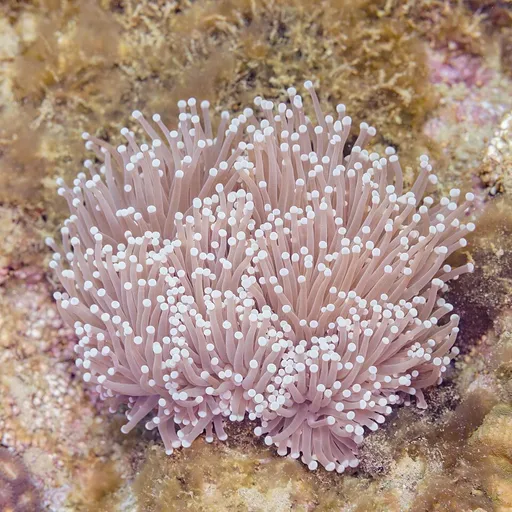 9.8 in (25 cm)11 gal (40 L)75–81°F (24–27°C)
Long-tentacle plate coral
Heliofungia actiniformis
9.8 in (25 cm) · 11 gal (40 L)
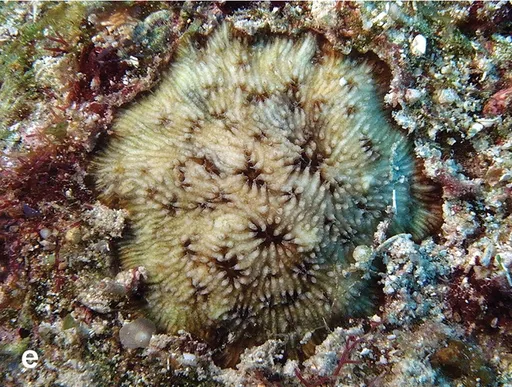 3.1 in (8 cm)20 gal (75 L)75–81°F (24–27°C)
Mobile plate coral
Cycloseris
3.1 in (8 cm) · 20 gal (75 L)
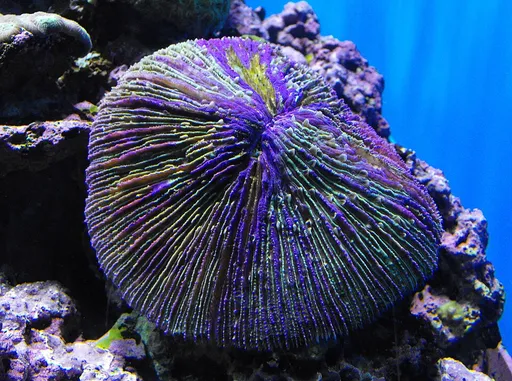 7.9 in (20 cm)11 gal (40 L)75–81°F (24–27°C)
Plate coral
Fungia
7.9 in (20 cm) · 11 gal (40 L)
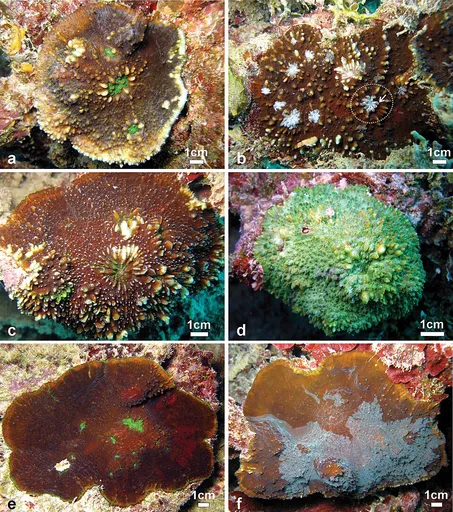 13.8 in (35 cm)20 gal (75 L)75–81°F (24–27°C)
Chalice coral
Echinophyllia
13.8 in (35 cm) · 20 gal (75 L)
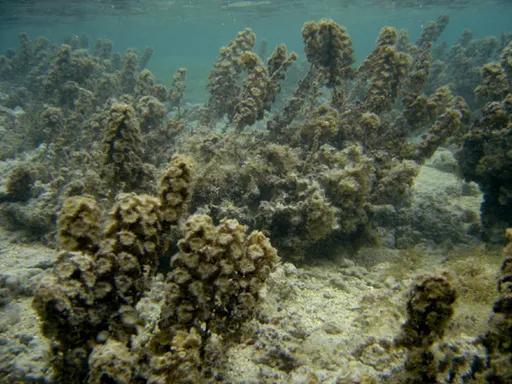 13.8 in (35 cm)20 gal (75 L)75–81°F (24–27°C)
Turbinaria cup coral
Turbinaria
13.8 in (35 cm) · 20 gal (75 L)
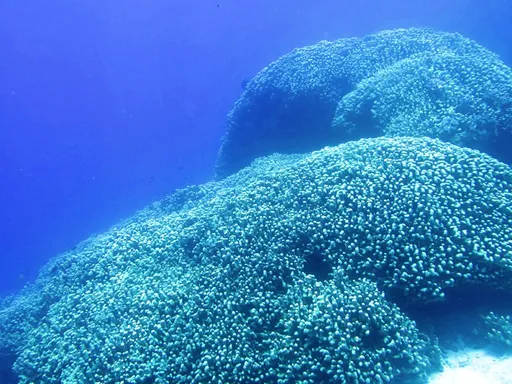 19.7 in (50 cm)26 gal (100 L)75–81°F (24–27°C)
Shoulderblade coral
Pavona clavus
19.7 in (50 cm) · 26 gal (100 L)