Chili coral
Nephthyigorgia
Also known as Chili Pepper Coral, Red Chili Coral, Chili Cactus Coral
SaltwaterCoral
Care at a glance
- Temperature
- 75–81°F
- 24–27°C
- pH
- 8.1–8.4
- Adult size
- 5.9 in
- 15 cm
- Minimum tank
- 20 gal
- 75 L
- Temperament
- Peaceful
- Social behavior
- Solitary
- Swim level
- Bottom
- Difficulty
- Medium
- Breeding
- Hard
- Rarity
- Rare
- Reef safe
- Reef safe
- Family
- Nephthyigorgiidae
- Origin
- Indo-Pacific, on shaded reef walls, ledges and the undersides of overhangs, common through Indonesia and the wider western Pacific
Overview
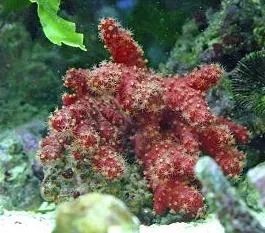
This is the true chili coral, the hardiest of the non-photosynthetic soft corals sold under chili and carnation names, and often suggested as a first NPS coral before the far more demanding Dendronephthya or Scleronephthya. It carries no symbiotic algae and takes none of its energy from light, so it lives or dies on feeding. Plan on target feeding fine foods like phytoplankton, baby brine shrimp and other tiny plankton at least once a day, aimed into the flow so the polyps can catch it. It does not sting neighbors and stays small, but only add it to an established tank and a keeper ready for that daily routine and the extra waste it produces.
In the wild
Nephthyigorgia grows in shaded, current-swept spots across the Indo-Pacific, on reef walls, ledges and the undersides of overhangs where little direct light reaches. It forms a stout, fleshy stalk with thick, finger-like lobes, usually deep red, that sit deflated and lumpy through the day and swell at night to open a haze of small white feeding polyps. In the aquarium it wants low light or full shade and medium to strong indirect flow, placed under a ledge or in a cave where it is still easy to reach for feeding.
Good to know
Nephthyigorgia is a non-photosynthetic soft coral, now placed in its own family Nephthyigorgiidae in the order Malacalcyonacea after the 2022 reclassification of the soft corals, having long been filed under Nidaliidae. Its tissue is stiffened by tiny calcite sclerites that give the fleshy lobes their firmness, and because it carries no zooxanthellae it takes essentially all of its energy from capturing plankton rather than from light. It is almost always sold simply as Nephthyigorgia sp., since the trade rarely separates the species.
Did you know
The colony spends most of the day looking like a shriveled red lump, then does its feeding at night, inflating to several times its resting size and opening a fuzz of white polyps once the tank lights go out.
Common questions
What size tank does a Chili coral need?
A Chili coral needs at least 20 gal (75 L). It spends most of its time in the bottom.
What temperature and pH does a Chili coral need?
A Chili coral is comfortable at 75–81°F (24–27°C) with a pH of 8.1–8.4.
How big does a Chili coral get?
An adult Chili coral reaches about 5.9 in (15 cm).
Related species
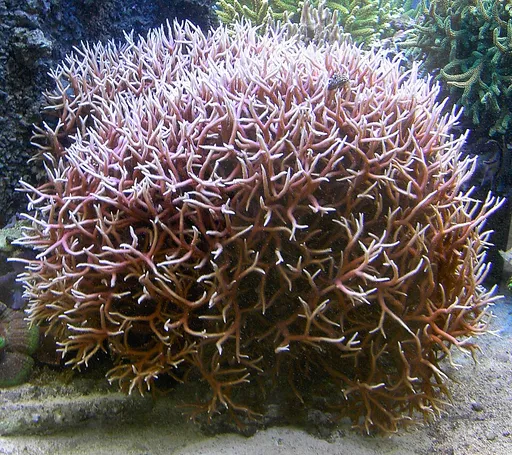 5.9 in (15 cm)20 gal (75 L)75–81°F (24–27°C)
Birdsnest coral
Seriatopora hystrix
5.9 in (15 cm) · 20 gal (75 L)
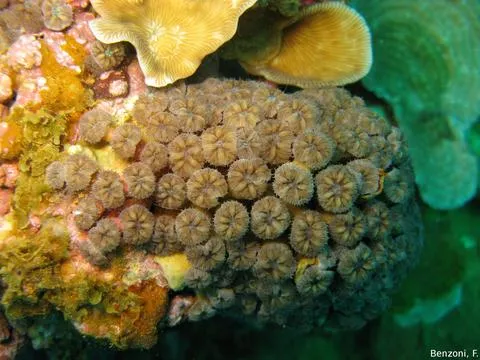 5.9 in (15 cm)11 gal (40 L)75–81°F (24–27°C)
Blastomussa
Blastomussa merletti
5.9 in (15 cm) · 11 gal (40 L)
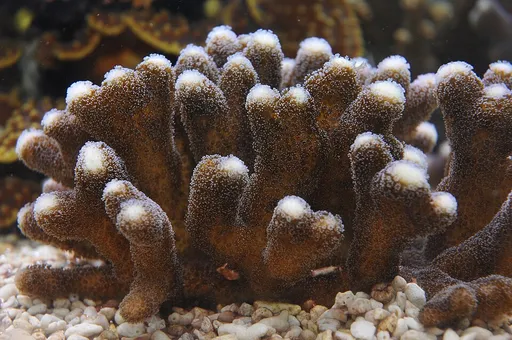 5.9 in (15 cm)20 gal (75 L)75–81°F (24–27°C)
Cat's paw coral
Stylophora pistillata
5.9 in (15 cm) · 20 gal (75 L)
 5.9 in (15 cm)11 gal (40 L)75–81°F (24–27°C)
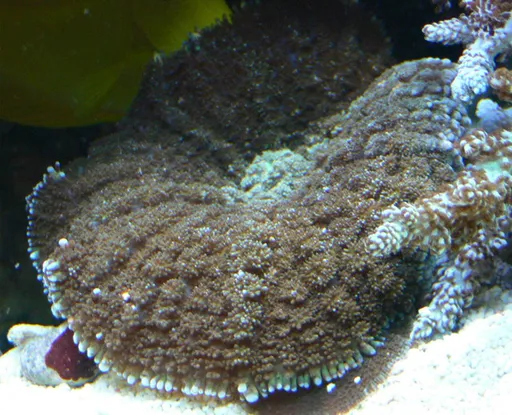
Hairy mushroom
Rhodactis
5.9 in (15 cm) · 11 gal (40 L)
 5.9 in (15 cm)11 gal (40 L)75–81°F (24–27°C)
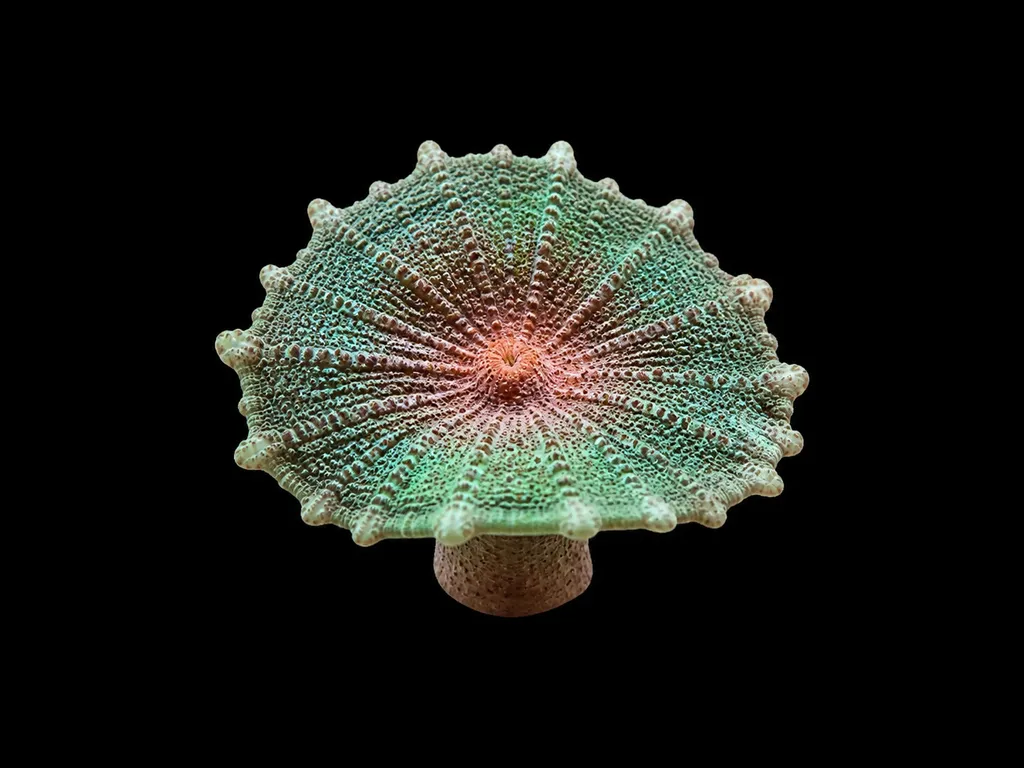
Umbrella mushroom
Discosoma neglecta
5.9 in (15 cm) · 11 gal (40 L)
 5.9 in (15 cm)11 gal (40 L)75–81°F (24–27°C)
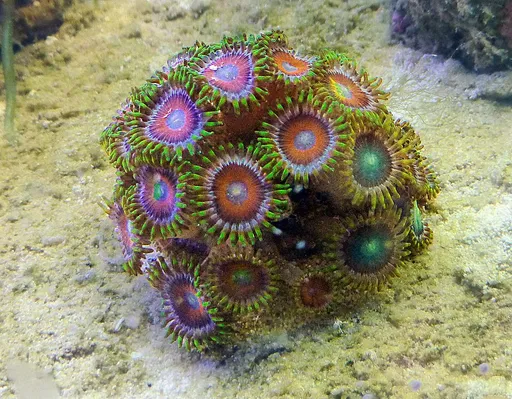
Zoanthid button polyps
Zoanthus
5.9 in (15 cm) · 11 gal (40 L)