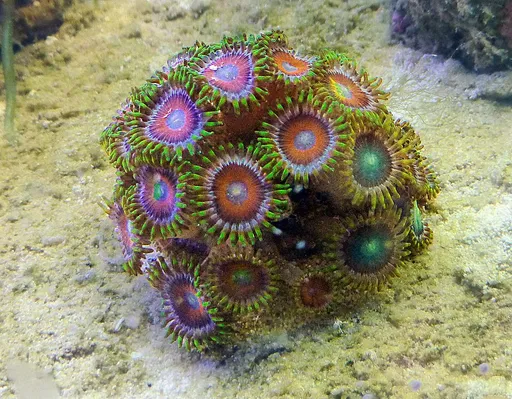
Zoanthid button polyps
Zoanthus
Also known as Zoas, Button Polyps, Sea Mat
SaltwaterCoral
Care at a glance
- Temperature
- 75–81°F
- 24–27°C
- pH
- 8.1–8.4
- Adult size
- 5.9 in
- 15 cm
- Minimum tank
- 11 gal
- 40 L
- Temperament
- Peaceful
- Social behavior
- Solitary
- Swim level
- Bottom
- Difficulty
- Beginner
- Breeding
- Medium
- Rarity
- Very common
- Reef safe
- Reef safe
- Family
- Zoanthidae
- Origin
- Indo-Pacific and Caribbean reefs
Overview
A sessile colonial coral that spreads by budding new polyps across the rock. It is passive and low-sting, so it will not chemically attack neighbors, but it can slowly overgrow slower corals and should be spaced away from aggressive stingers like Euphyllia that would keep it retracted.
In the wild
Zoanthus form encrusting mats of small button polyps across live rock in shallow, brightly lit reef zones. In the aquarium they do best under moderate light, roughly 50 to 150 PAR, and low to moderate indirect flow that keeps detritus off the mat without holding the polyps closed. Place them on the mid to lower rockwork and give them room to spread, since a mat will slowly creep across nearby rock. New colonies are easier to open up if started in a slightly shaded spot and moved higher over a few weeks.
Good to know
Zoanthus is a colonial soft coral in the order Zoantharia. Polyps are connected by a shared tissue mat called a coenenchyme and lack a hard skeleton, instead stiffening themselves by incorporating sand and debris. They host symbiotic zooxanthellae for most of their energy but also capture fine particulate food. Some Zoanthus and the closely related Palythoa carry palytoxin, so it is sensible to wear gloves and avoid getting mucus in cuts or eyes when handling frags.
Did you know
Zoas are traded almost like collector items, with individually named color morphs such as Rasta, Utter Chaos and Fruit Loops sometimes selling for high prices per single polyp.
Common questions
What size tank does a Zoanthid button polyps need?
A Zoanthid button polyps needs at least 11 gal (40 L). It spends most of its time in the bottom.
What temperature and pH does a Zoanthid button polyps need?
A Zoanthid button polyps is comfortable at 75–81°F (24–27°C) with a pH of 8.1–8.4.
How big does a Zoanthid button polyps get?
An adult Zoanthid button polyps reaches about 5.9 in (15 cm).
Related species
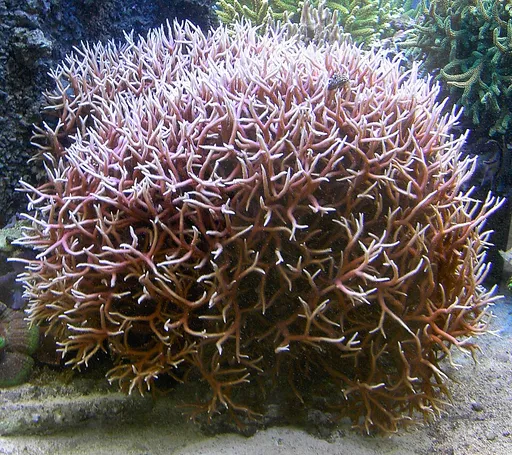 5.9 in (15 cm)20 gal (75 L)75–81°F (24–27°C)
Birdsnest coral
Seriatopora hystrix
5.9 in (15 cm) · 20 gal (75 L)
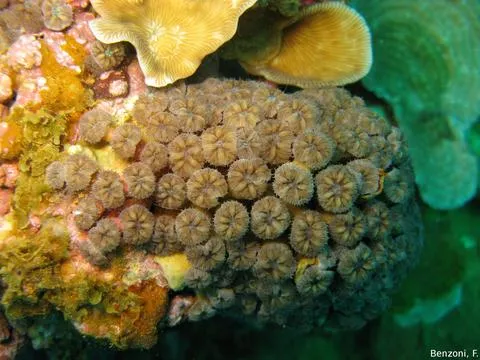 5.9 in (15 cm)11 gal (40 L)75–81°F (24–27°C)
Blastomussa
Blastomussa merletti
5.9 in (15 cm) · 11 gal (40 L)
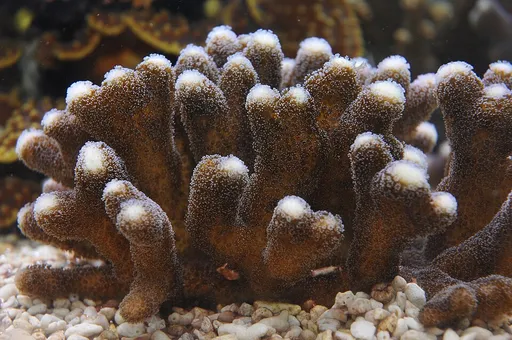 5.9 in (15 cm)20 gal (75 L)75–81°F (24–27°C)
Cat's paw coral
Stylophora pistillata
5.9 in (15 cm) · 20 gal (75 L)
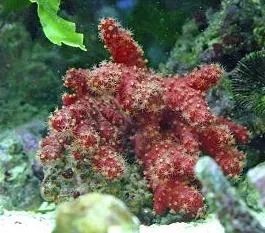 5.9 in (15 cm)20 gal (75 L)75–81°F (24–27°C)
Chili coral
Nephthyigorgia
5.9 in (15 cm) · 20 gal (75 L)
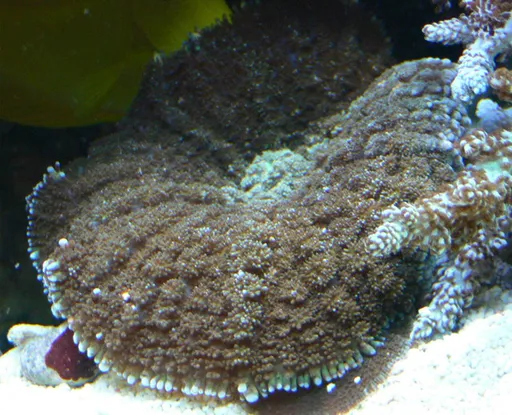 5.9 in (15 cm)11 gal (40 L)75–81°F (24–27°C)
Hairy mushroom
Rhodactis
5.9 in (15 cm) · 11 gal (40 L)
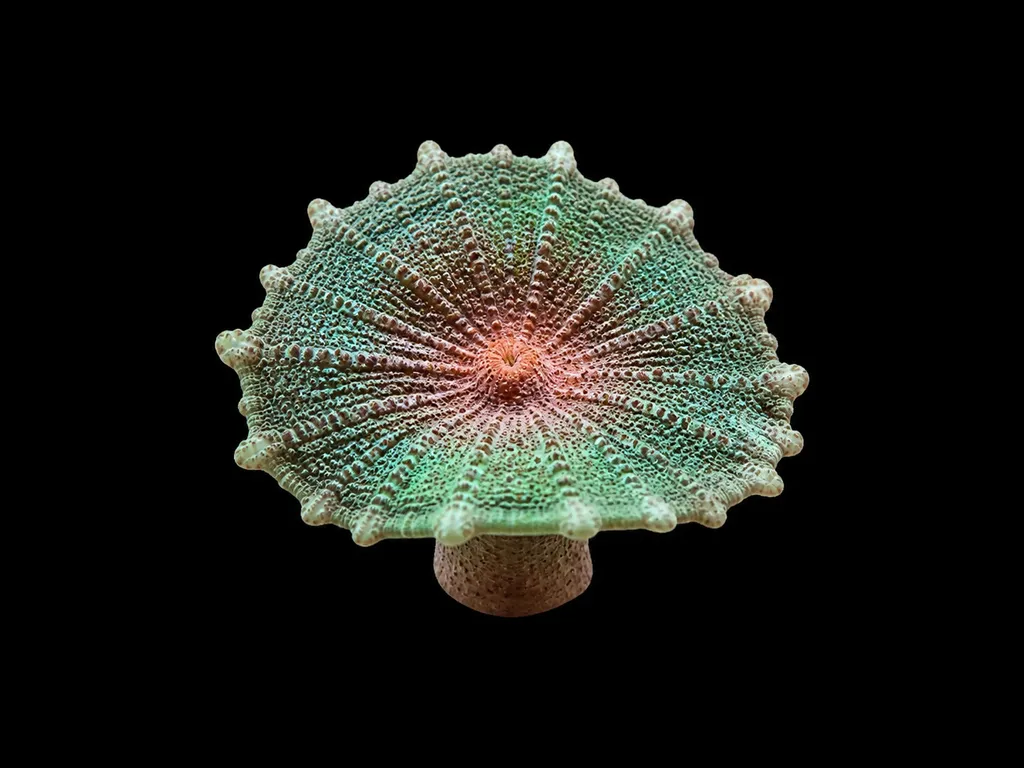 5.9 in (15 cm)11 gal (40 L)75–81°F (24–27°C)
Umbrella mushroom
Discosoma neglecta
5.9 in (15 cm) · 11 gal (40 L)