Lemnalia tree coral
Lemnalia
Also known as Spaghetti Coral, Feathery Tree Coral
SaltwaterCoral
Care at a glance
- Temperature
- 75–81°F
- 24–27°C
- pH
- 8.1–8.4
- Adult size
- 7.9 in
- 20 cm
- Minimum tank
- 11 gal
- 40 L
- Temperament
- Mostly peaceful
- Social behavior
- Solitary
- Swim level
- Bottom
- Difficulty
- Easy
- Breeding
- Easy
- Rarity
- Common
- Reef safe
- Reef safe
- Family
- Nephtheidae
- Origin
- Indo-Pacific reefs
Overview
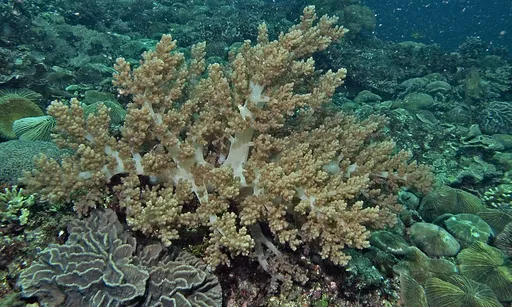
A sessile branching coral that reproduces mainly by fragmentation, with cut branches reattaching readily to become new colonies. Along with Sarcophyton and other toadstool leathers, it is grouped among the more chemically aggressive soft corals, releasing compounds that can irritate or stunt nearby stony corals, so give it real distance from sensitive neighbors and run activated carbon in a mixed reef. It benefits from occasional fine planktonic feeding more than many soft corals, and needs steady, gentle to moderate flow to stay open and healthy.
In the wild
Lemnalia grows on Indo-Pacific reef slopes as a branching colony of thin, feathery stalks, similar in shape to Litophyton but generally more delicate looking. It wants moderate to high light, roughly 100 to 200 PAR, and gentle to moderate flow, since its thin branches can collapse and fail to recover under strong current. Place it mid-tank on a stable rock where its stalks can sway freely, and avoid splashing it with fresh top-off water, which stresses the tissue.
Good to know
Lemnalia is a soft coral in the family Nephtheidae, the same family as Litophyton and Capnella, and it shares their general branching tree shape, though its stalks tend to be thinner and more feathery. It depends on captured plankton more than most soft corals in this catalog, supplementing what it gets from its zooxanthellae. Chemically it is one of the more potent soft corals, producing terpenoid compounds that researchers have documented in several studies of soft coral defense chemistry.
Did you know
Lemnalia is potent enough that researchers studying soft coral defense compounds rank it alongside Sarcophyton as one of the most chemically active genera, so despite its delicate, feathery look it plays real chemical warfare with its neighbors.
Common questions
What size tank does a Lemnalia tree coral need?
A Lemnalia tree coral needs at least 11 gal (40 L). It spends most of its time in the bottom.
What temperature and pH does a Lemnalia tree coral need?
A Lemnalia tree coral is comfortable at 75–81°F (24–27°C) with a pH of 8.1–8.4.
How big does a Lemnalia tree coral get?
An adult Lemnalia tree coral reaches about 7.9 in (20 cm).
Related species
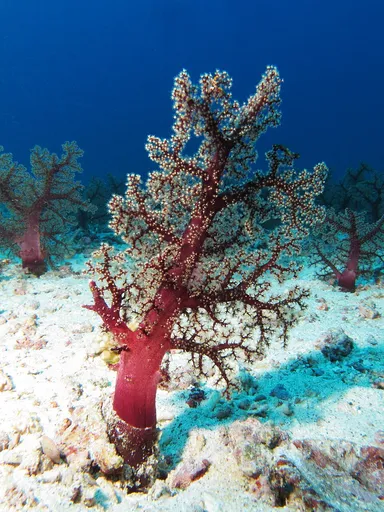 9.8 in (25 cm)20 gal (75 L)75–81°F (24–27°C)
Carnation coral
Dendronephthya
9.8 in (25 cm) · 20 gal (75 L)
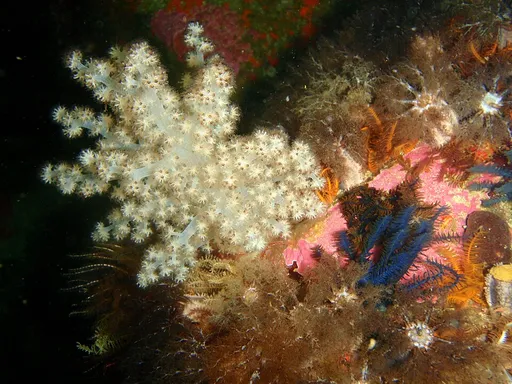 9.8 in (25 cm)11 gal (40 L)75–81°F (24–27°C)
Kenya tree coral
Capnella
9.8 in (25 cm) · 11 gal (40 L)
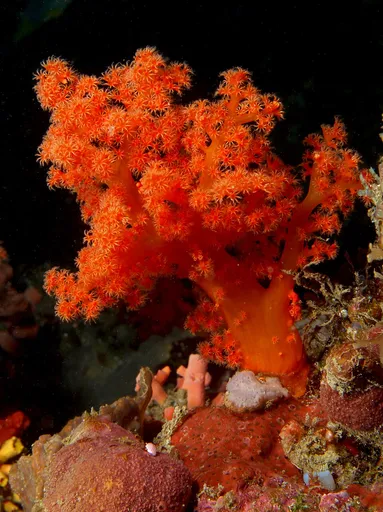 5.9 in (15 cm)20 gal (75 L)75–81°F (24–27°C)
Flower tree coral
Scleronephthya
5.9 in (15 cm) · 20 gal (75 L)
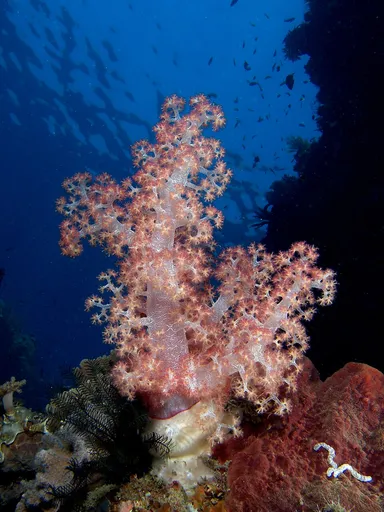 11.8 in (30 cm)11 gal (40 L)75–81°F (24–27°C)
Broccoli tree coral
Litophyton
11.8 in (30 cm) · 11 gal (40 L)
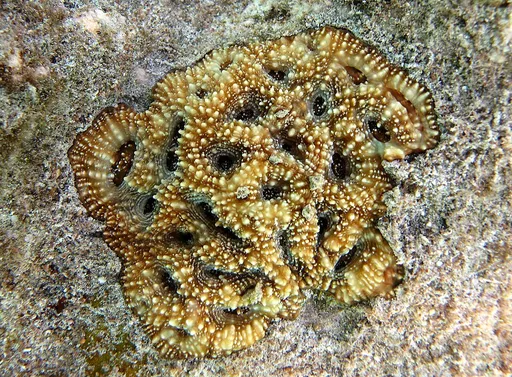 7.9 in (20 cm)11 gal (40 L)75–81°F (24–27°C)
Acan coral
Acanthastrea echinata
7.9 in (20 cm) · 11 gal (40 L)
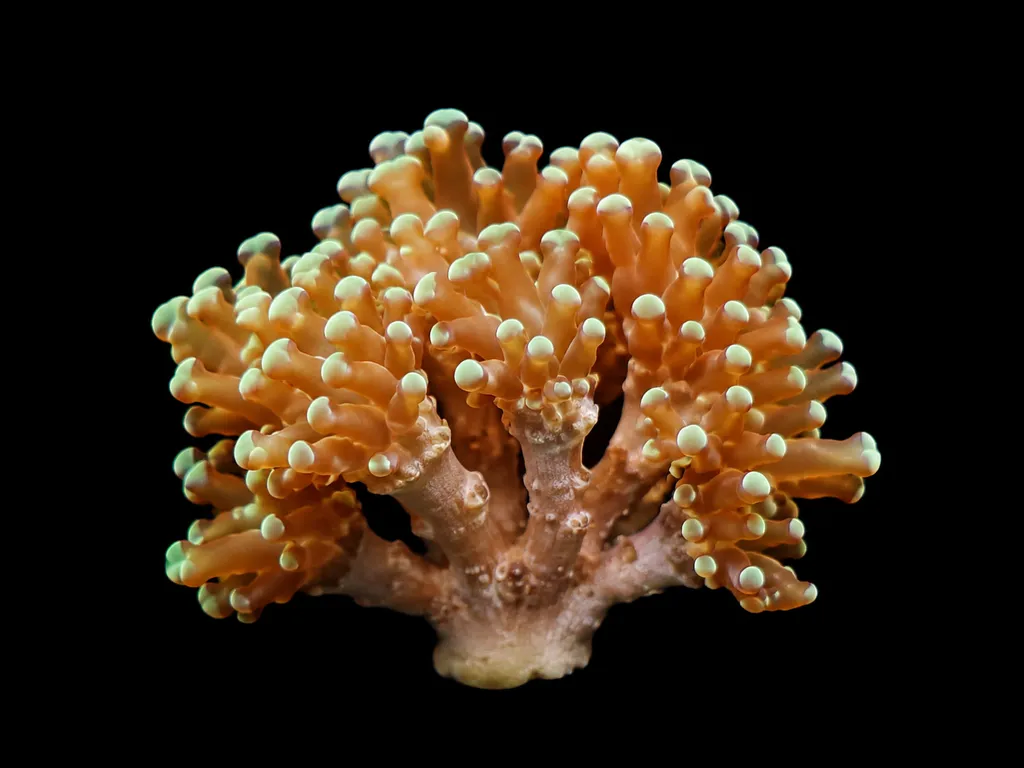 7.9 in (20 cm)20 gal (75 L)75–81°F (24–27°C)
Branching frogspawn coral
Fimbriaphyllia paradivisa
7.9 in (20 cm) · 20 gal (75 L)