Teardrop goby
Sicyopus multisquamatus
Also known as Multisquamatus goby
FreshwaterFish
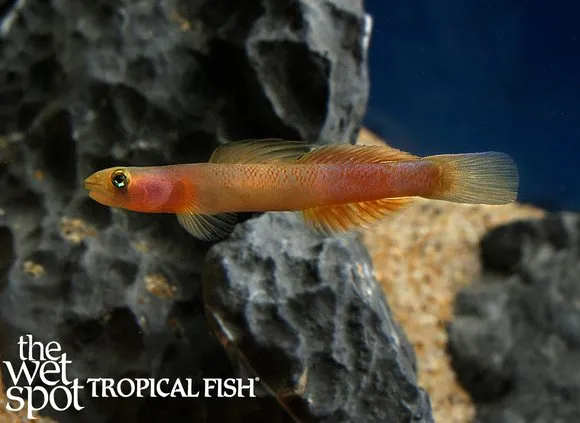
Care at a glance
- Temperature
- 73–81°F
- 23–27°C
- pH
- 6.5–7.8
- Adult size
- 2.2 in
- 5.5 cm
- Minimum tank
- 14 gal
- 54 L
- Temperament
- Peaceful
- Social behavior
- Social
- Swim level
- Bottom
- Diet
- Carnivore
- Difficulty
- Difficult
- Breeding
- No record
- Rarity
- Rare
- Family
- Oxudercidae
- Origin
- Sundaland streams
Overview
The teardrop goby is a small, current-loving stream goby for a fast, clean tank. It is best left to experienced keepers.
Did you know
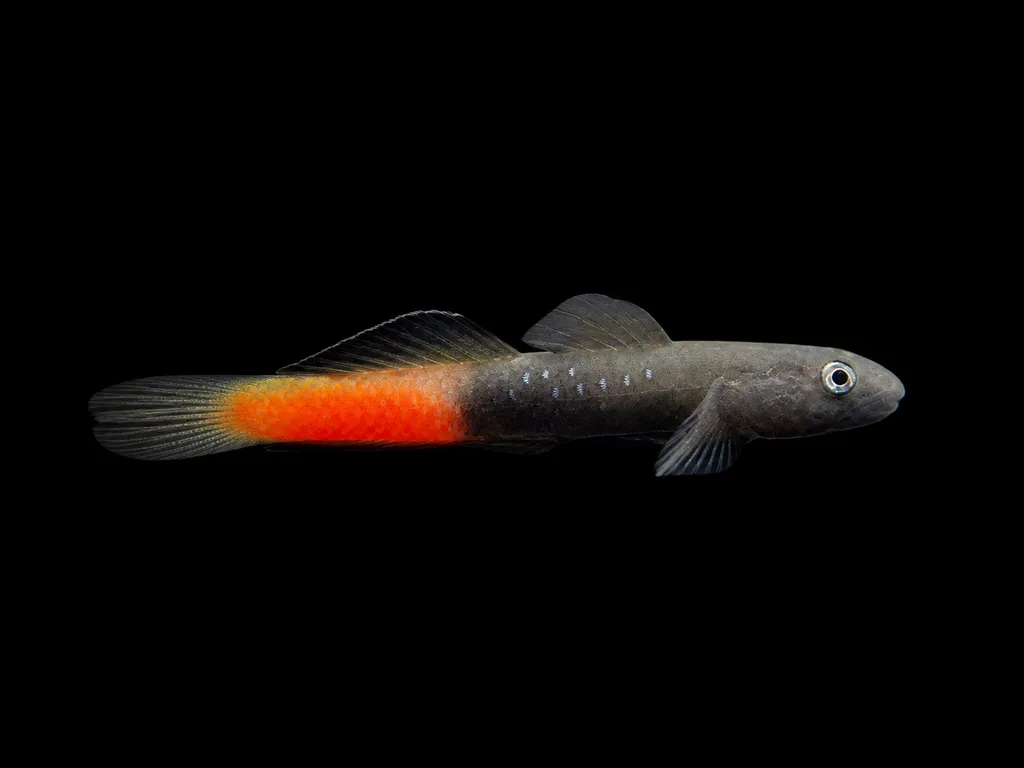
The teardrop goby's common name comes from a dark, teardrop-shaped mark below each eye. Behind that sad face sit bright blue eyes and two orange bands. The fish uses those colors to signal to rivals and mates in its clear stream home.
Caring for the teardrop goby
Keep a small group of teardrop gobies in at least 14 gal (54 L), with strong flow. Use a floor of smooth cobbles and pebbles, and break up the lines of sight so rival males have space. An internal pump or river-style return, a tight-fitting lid and plenty of surface movement matter far more than plants.
It needs clean, cool, oxygen-rich water more than anything else. Keep the water at 73 to 81°F (23 to 27°C) with a pH of 6.5 to 7.8. It is a micro-predator that largely ignores algae, so feed small meaty foods such as frozen bloodworm, cyclops and baby brine shrimp.
The teardrop goby spends its time on the bottom, perching on rock and darting between stones. It is peaceful with other fish, though rival males will squabble over the best perches. Keep it with other calm, flow-tolerant species rather than slow warmwater community fish.
Like its relatives, it is amphidromous. Adults live and breed in fresh water, and the hatched larvae wash down to the sea to develop. The tiny juveniles then climb back upstream, and home breeding has not been recorded.
Good to know
Sicyopus multisquamatus belongs to the family Oxudercidae, subfamily Sicydiinae. It climbs with fused pelvic fins that form a suction cup, letting it grip wet rock against the current.
In the wild
In the wild, the teardrop goby lives in fast, clear forest streams on Indonesian islands. The water there tumbles over rock, and it stays cool and highly oxygenated. Plants are scarce in these shaded home streams.
Weekly picks
Tank mates
The teardrop goby is a peaceful, social species that keeps to the bottom. These picks share a community profile with it, are safe together in both directions, and overlap on water type, temperature and pH.
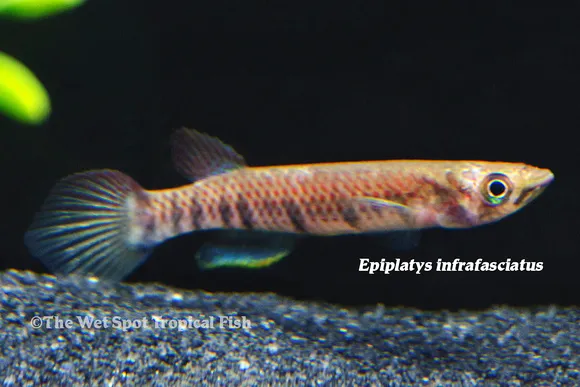
Infrafasciatus killifish
Epiplatys infrafasciatus
Freshwater2.4 in (6 cm) · 14 gal (54 L)68–77°F (20–25°C)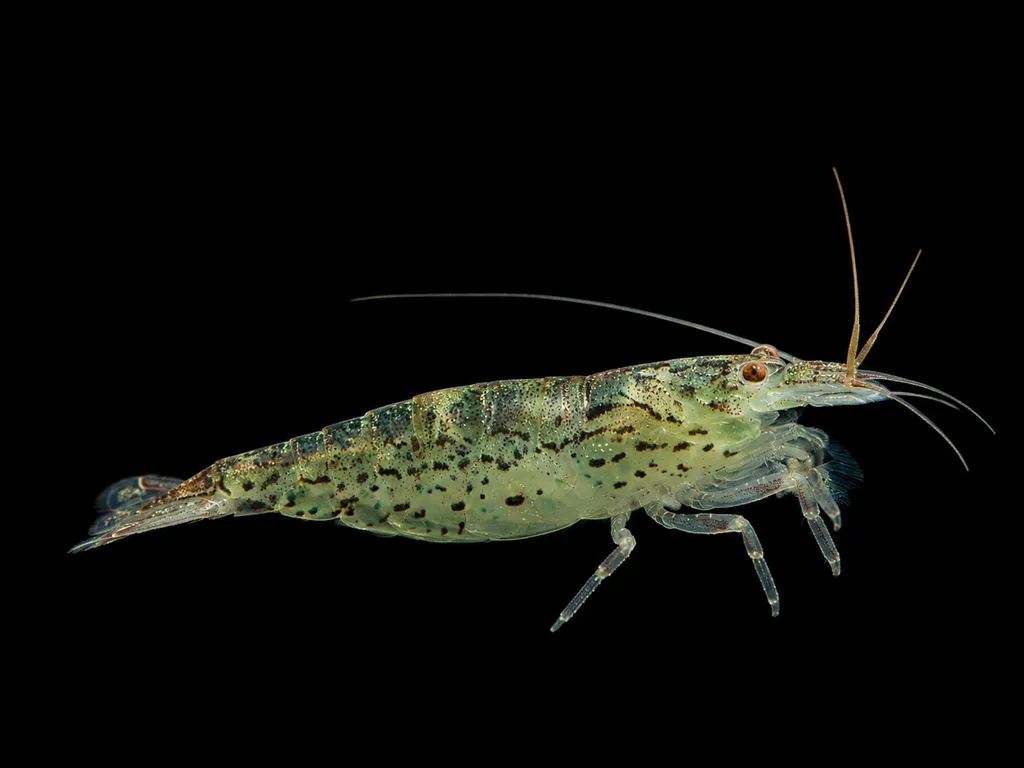
Green lace shrimp
Atyoida pilipes
Freshwater2.8 in (7 cm) · 14 gal (54 L)73–82°F (23–28°C)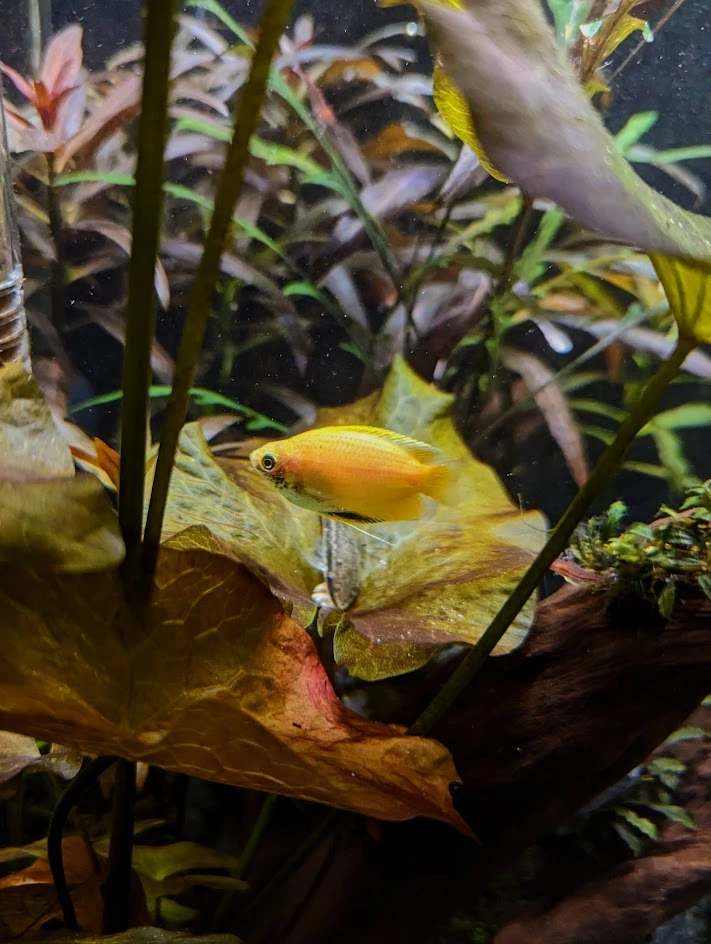
Honey gourami
Trichogaster chuna
Freshwater2 in (5 cm) · 14 gal (54 L)72–82°F (22–28°C)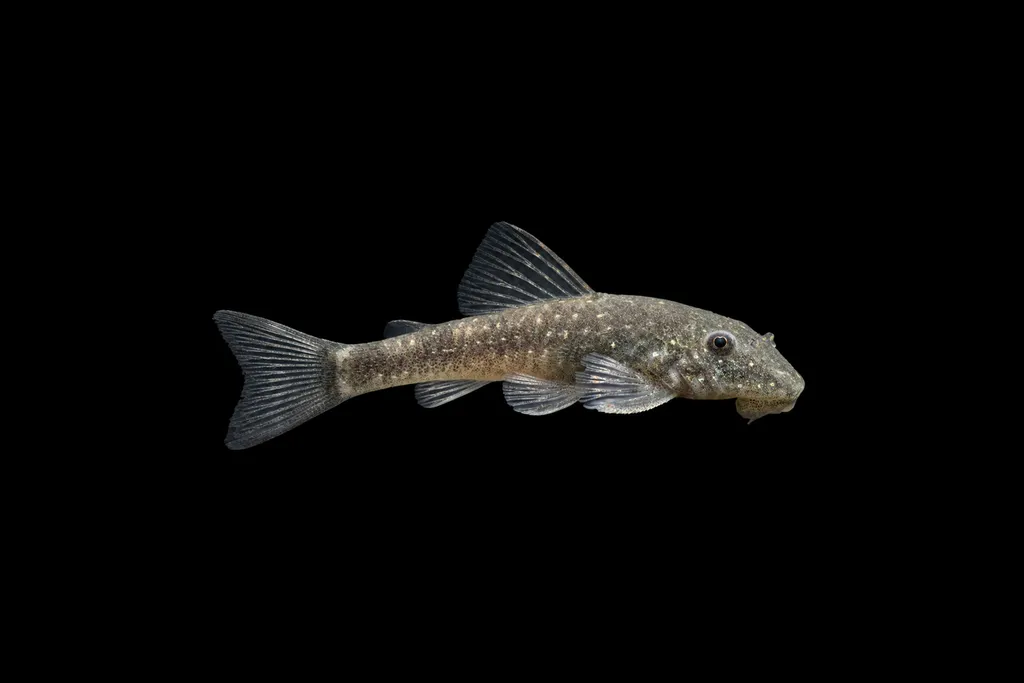
Bahia parotocinclus
Parotocinclus bahiensis
Freshwater1.6 in (4 cm) · 14 gal (54 L)72–81°F (22–27°C)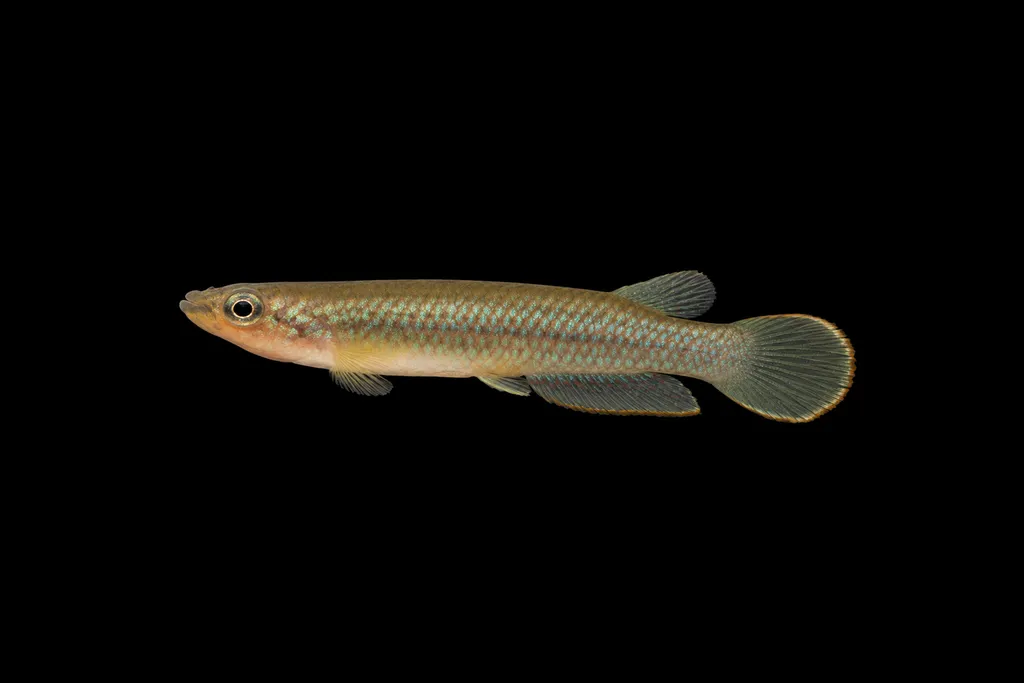
Guinean panchax
Epiplatys guineensis
Freshwater2.8 in (7 cm) · 14 gal (54 L)68–77°F (20–25°C)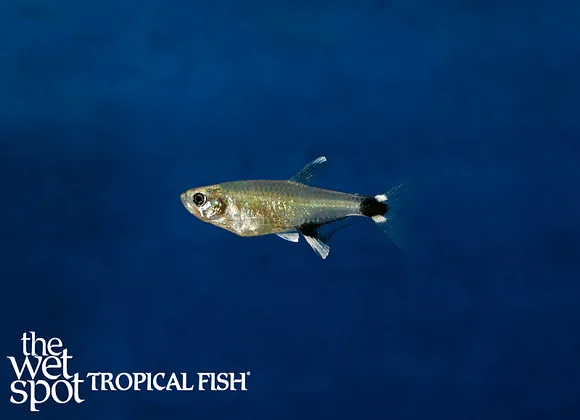
Panda darter tetra
Aphyocharax nattereri
Freshwater1.4 in (3.5 cm) · 14 gal (54 L)72–81°F (22–27°C)
Common questions
What size tank does a teardrop goby need?
A teardrop goby needs at least 14 gal (54 L). It spends most of its time in the bottom.
What temperature and pH does a teardrop goby need?
A teardrop goby is comfortable at 73–81°F (23–27°C) with a pH of 6.5–7.8.
What does a teardrop goby eat?
A teardrop goby is a micro-predator that largely ignores algae. Feed it small meaty foods such as frozen bloodworm, cyclops and baby brine shrimp.
How big does a teardrop goby get?
An adult teardrop goby reaches about 2.2 in (5.5 cm).
How does a teardrop goby breed?
Teardrop gobies are amphidromous. Adults breed in fresh water, the larvae develop at sea, and the juveniles climb back upstream. Home breeding has not been recorded.
Related species
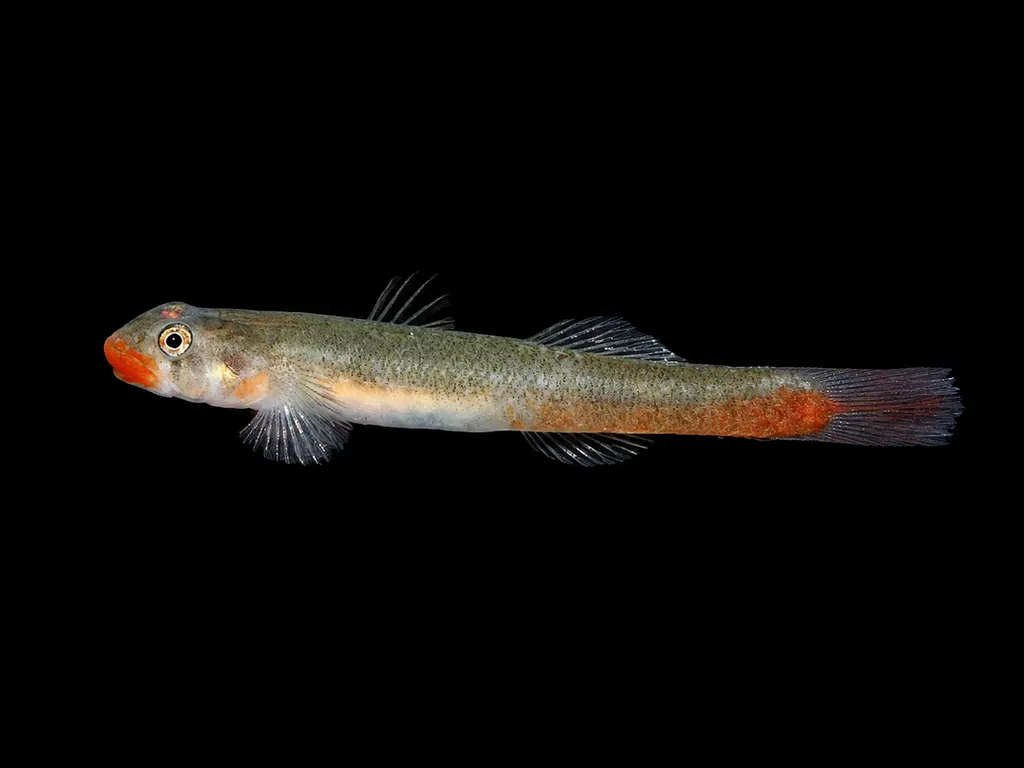 2.4 in (6 cm)14 gal (54 L)73–81°F (23–27°C)
Red lip goby
Sicyopus exallisquamulus
2.4 in (6 cm) · 14 gal (54 L)
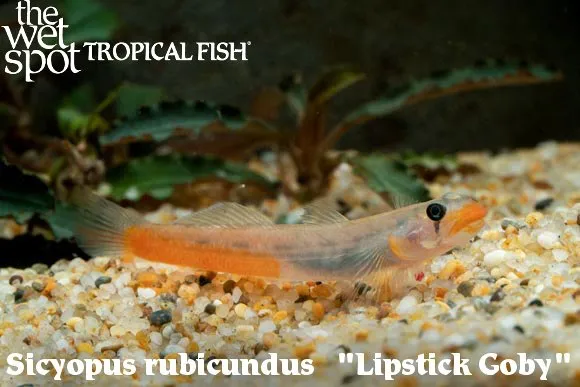 2 in (5 cm)14 gal (54 L)73–81°F (23–27°C)
Lipstick goby
Sicyopus rubicundus
2 in (5 cm) · 14 gal (54 L)
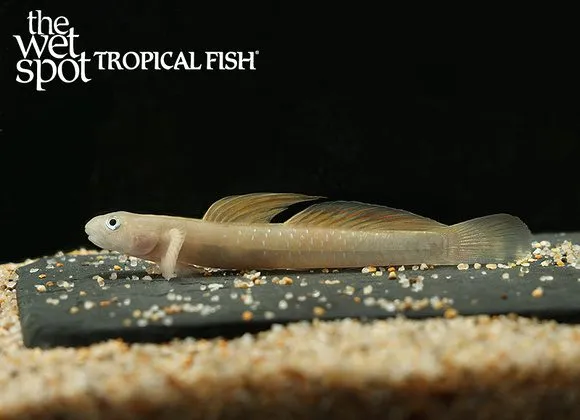 1.8 in (4.5 cm)14 gal (54 L)73–81°F (23–27°C)
Cebu orange tail goby
Sicyopus cebuensis
1.8 in (4.5 cm) · 14 gal (54 L)
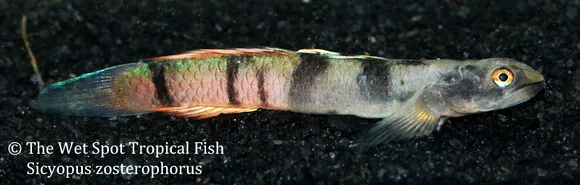 1.8 in (4.5 cm)14 gal (54 L)73–81°F (23–27°C)
Flaming arrow goby
Sicyopus zosterophorus
1.8 in (4.5 cm) · 14 gal (54 L)
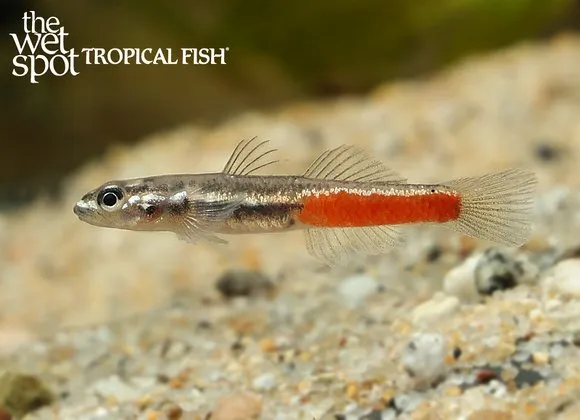 1.4 in (3.5 cm)14 gal (54 L)73–81°F (23–27°C)
Discord goby
Sicyopus discordipinnis
1.4 in (3.5 cm) · 14 gal (54 L)
 1.4 in (3.5 cm)14 gal (54 L)73–81°F (23–27°C)
Rainbow sicyopus
Sicyopus auxilimentus
1.4 in (3.5 cm) · 14 gal (54 L)