Shelldwelling clown goby
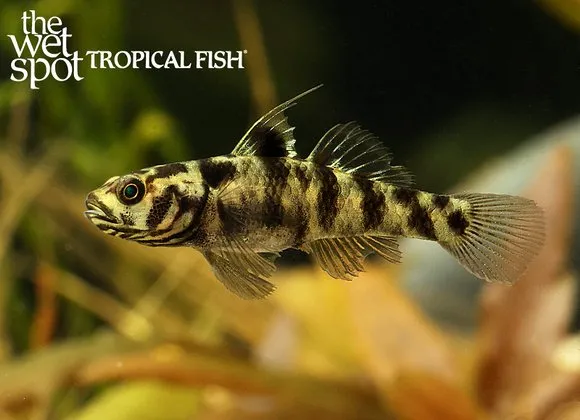
Mugilogobius adeia
Also known as Matano shell goby
FreshwaterFish
Care at a glance
- Temperature
- 75–82°F
- 24–28°C
- pH
- 7.5–8.5
- Adult size
- 1.8 in
- 4.5 cm
- Minimum tank
- 14 gal
- 54 L
- Temperament
- Mostly peaceful
- Social behavior
- Social
- Swim level
- Bottom
- Difficulty
- Difficult
- Breeding
- Cave spawner
- Rarity
- Rare
- Family
- Oxudercidae
- Origin
- Lake Matano, Sulawesi
Overview
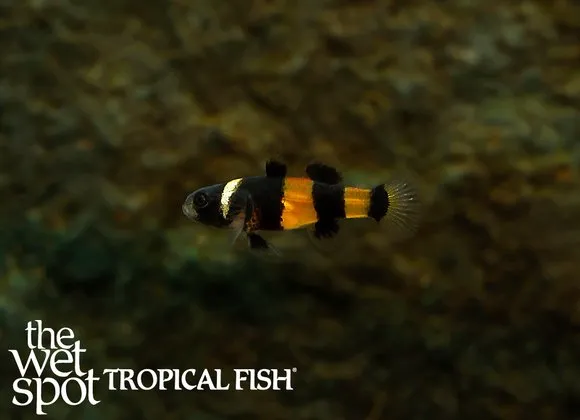
The shelldwelling clown goby is a tiny bottom-dwelling goby for a hard, alkaline tank built around empty snail shells. It is a tricky fish, best with experienced keepers.
Did you know
The shelldwelling clown goby is Sulawesi's own answer to the cichlids of Lake Tanganyika that breed inside snail shells. It arrived at the same idea independently, moving into Tylomelania shells on the far side of the world.
Caring for the shelldwelling clown goby
Keep a small group of shelldwelling clown gobies in at least 14 gal (54 L). Lay a sand floor with scattered rock and clusters of snail or escargot shells. The shells give each fish a tight cave to occupy and claim as a home base.
Keep the water warm, stable and hard, at 75 to 82°F (24 to 28°C) with a pH of 7.5 to 8.5. Feed small meaty foods such as frozen bloodworm, baby brine shrimp and fine sinking items.
The shelldwelling clown goby is social, appreciates its own kind and is mostly peaceful. Choose calm tank mates that share its warm, hard water needs and will not outcompete it at the floor. It may eat very small shrimp or fry, so pick shrimp with care.
It spawns in the empty shells, though it is not an obligate cave spawner and will also lay eggs on open surfaces. There is no record of the species being raised to maturity in captivity, since the larvae are very small and hard to feed.
Good to know
Mugilogobius adeia is a member of Oxudercidae, the goby family. It is a shell specialist. Rather than digging, it uses the empty gastropod shells that litter parts of the lake bed as shelter. It is also known as the Matano shell goby.
In the wild
The shelldwelling clown goby is found only in Lake Matano, an ancient, exceptionally clear lake on Sulawesi. The lake water is warm and alkaline.
Weekly picks
Tank mates
The shelldwelling clown goby is a mostly peaceful, social species that keeps to the bottom. These picks share a community profile with it, are safe together in both directions, and overlap on water type, temperature and pH.
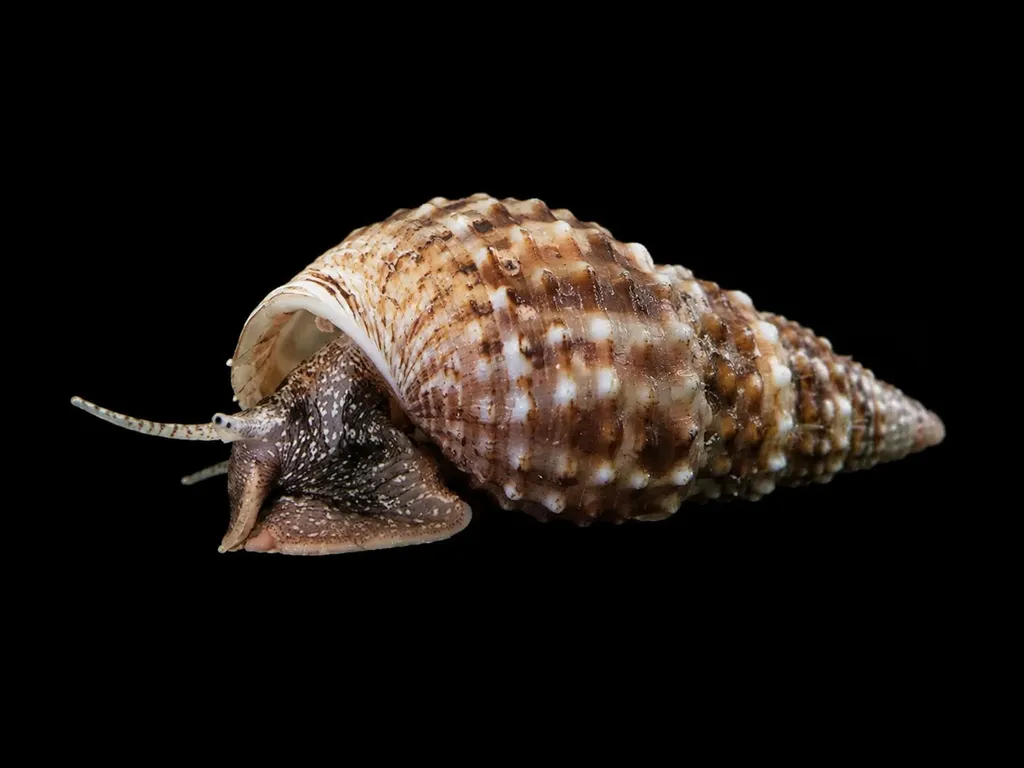
Prambanan snail
Thiara winteri
Freshwater1.6 in (4 cm) · 11 gal (40 L)73–82°F (23–28°C)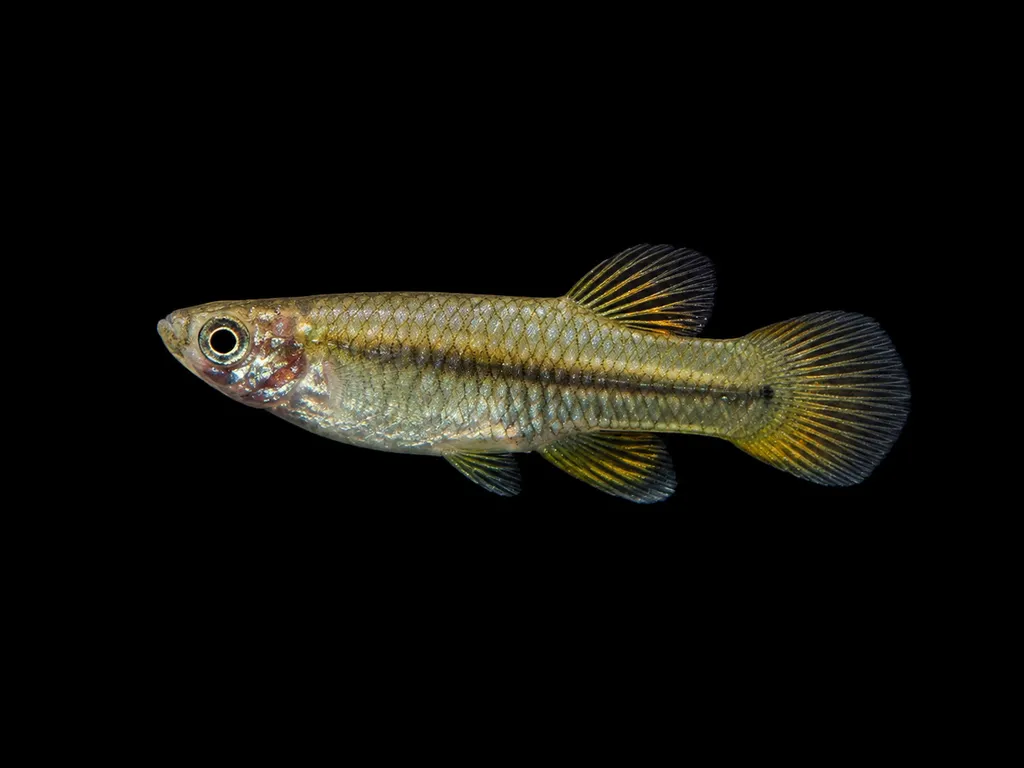
Kidder's livebearer
Carlhubbsia kidderi
Freshwater2 in (5 cm) · 14 gal (54 L)72–81°F (22–27°C)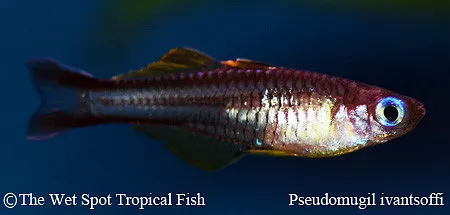
Ivantsoff's blue-eye
Pseudomugil ivantsoffi
Freshwater1.6 in (4 cm) · 11 gal (40 L)75–82°F (24–28°C)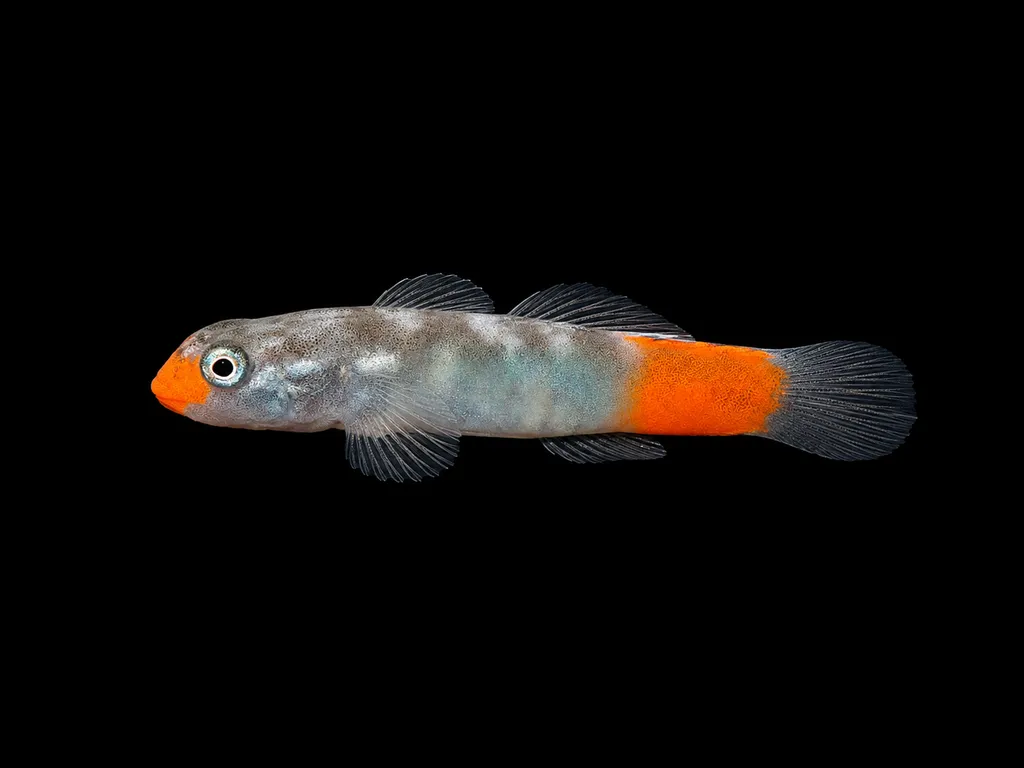
Caledonian red nose goby
Lentipes kaaea
Freshwater2.4 in (6 cm) · 14 gal (54 L)73–81°F (23–27°C)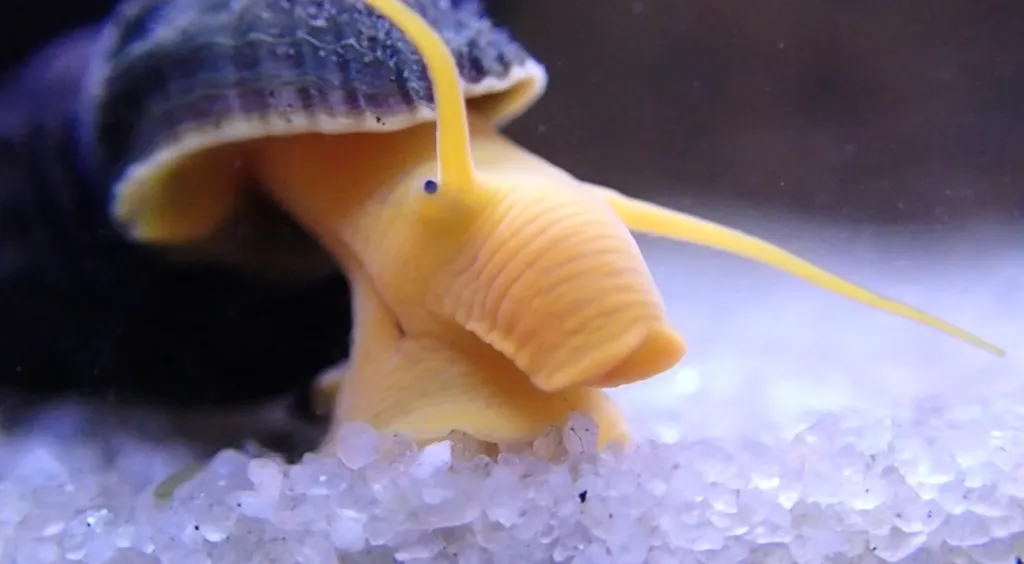
Gold rabbit snail
Tylomelania gemmifera
Freshwater2.8 in (7 cm) · 16 gal (60 L)75–82°F (24–28°C)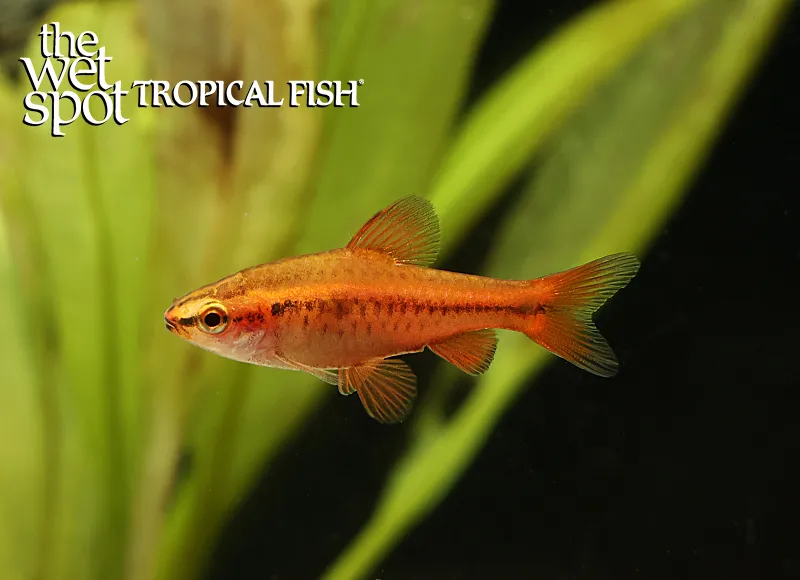
Cherry barb
Rohanella titteya
Freshwater2 in (5 cm) · 14 gal (54 L)72–81°F (22–27°C)
Common questions
What size tank does a shelldwelling clown goby need?
A shelldwelling clown goby needs at least 14 gal (54 L). It spends most of its time in the bottom.
What temperature and pH does a shelldwelling clown goby need?
A shelldwelling clown goby is comfortable at 75–82°F (24–28°C) with a pH of 7.5–8.5.
What does a shelldwelling clown goby eat?
A shelldwelling clown goby eats small meaty foods such as frozen bloodworm, baby brine shrimp and fine sinking items. It may also eat very small shrimp or fry.
How big does a shelldwelling clown goby get?
An adult shelldwelling clown goby reaches about 1.8 in (4.5 cm).
Related species
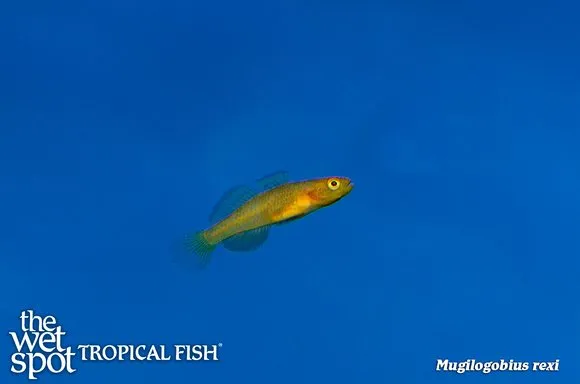 1.6 in (4 cm)14 gal (54 L)75–82°F (24–28°C)
Golden mugilogobius
Mugilogobius rexi
1.6 in (4 cm) · 14 gal (54 L)
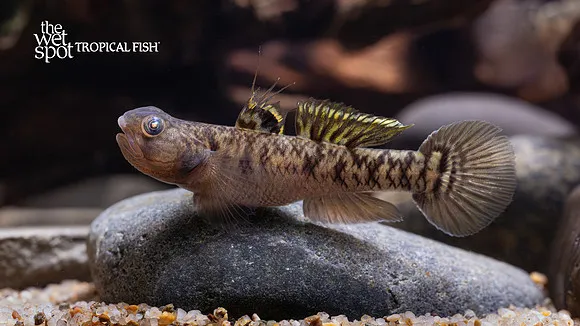 1.6 in (4 cm)11 gal (40 L)75–82°F (24–28°C)
Yellowstripe mugilogobius
Mugilogobius chulae
1.6 in (4 cm) · 11 gal (40 L)
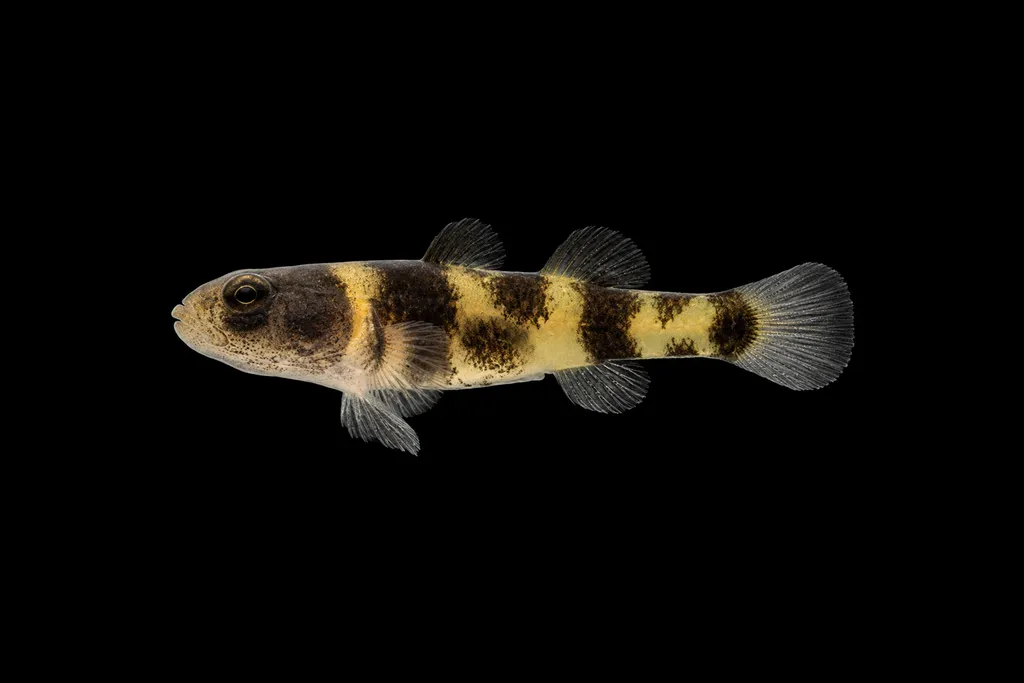 1.6 in (4 cm)11 gal (40 L)75–82°F (24–28°C)
Freshwater bumblebee goby
Brachygobius aggregatus
1.6 in (4 cm) · 11 gal (40 L)
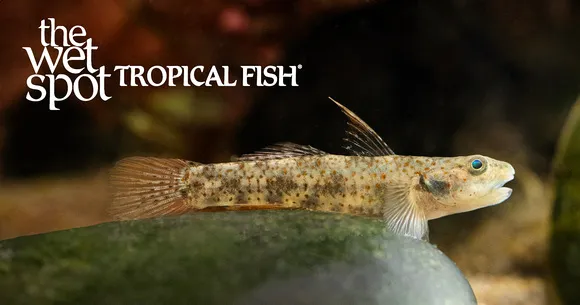 1.6 in (4 cm)11 gal (40 L)75–82°F (24–28°C)
Lumbantobing goby
Pseudogobiopsis lumbantobing
1.6 in (4 cm) · 11 gal (40 L)
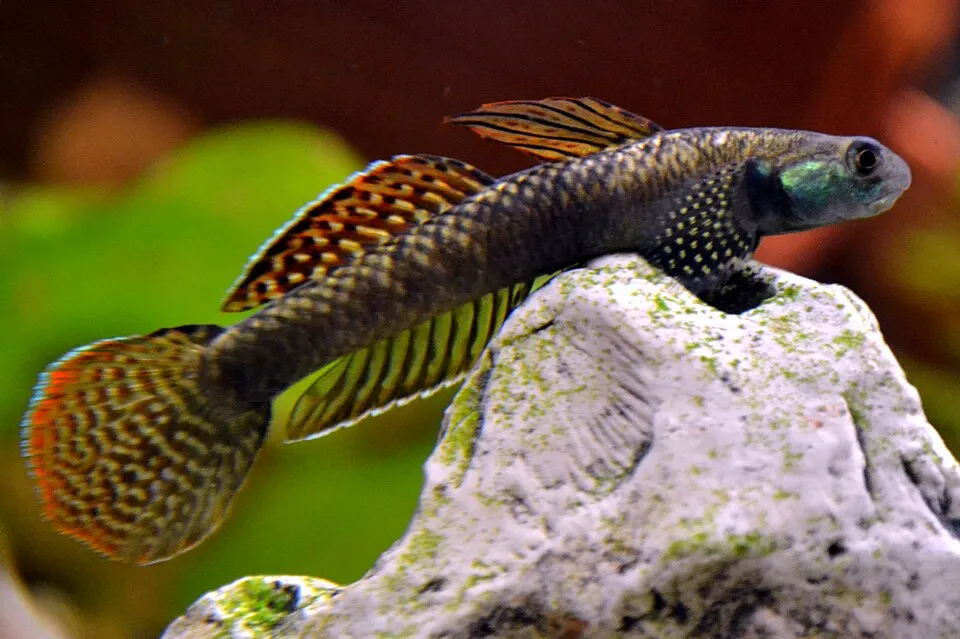 2.6 in (6.5 cm)13 gal (50 L)68–79°F (20–26°C)
Rainbow stiphodon
Stiphodon ornatus
2.6 in (6.5 cm) · 13 gal (50 L)
 1.2 in (3 cm)11 gal (40 L)75–82°F (24–28°C)
Sabanus bumblebee goby
Brachygobius sabanus
1.2 in (3 cm) · 11 gal (40 L)