Yasha goby
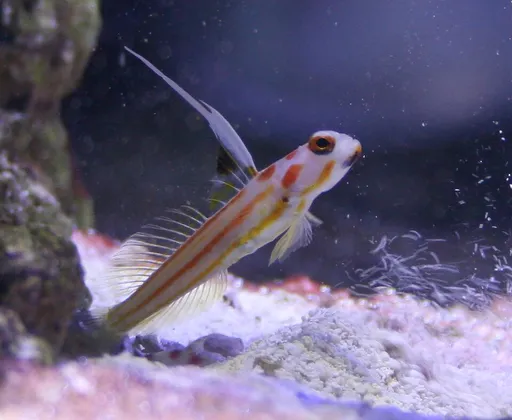
Stonogobiops yasha
Also known as Orange-Striped Shrimpgoby, White-Ray Shrimp Goby, Yasha White Ray Goby
SaltwaterFish
Care at a glance
- Temperature
- 72–79°F
- 22–26°C
- pH
- 8.1–8.4
- Adult size
- 2.4 in
- 6 cm
- Minimum tank
- 15 gal
- 57 L
- Temperament
- Peaceful
- Social behavior
- Social
- Tankmates
- With caution
- Swim level
- Bottom
- Difficulty
- Medium
- Breeding
- Hard
- Rarity
- Common
- Reef safe
- Reef safe
- Family
- Gobiidae
- Origin
- Western Pacific reefs (Japan to Indonesia and the Philippines)
Overview
This goby is peaceful and reef safe, and its calm temperament makes it a good fit for small peaceful fish and invertebrates. It tends to stay out in the open and shows more natural behavior when paired with a pistol shrimp, without one it often stays tucked further into the rockwork. Feed a varied diet of mysis, enriched brine shrimp, and other small meaty foods several times a day, particularly in the first few weeks after introduction.
In the wild
In the wild this goby sits at the mouth of a burrow on deep sand slopes, sharing the tunnel with a pistol shrimp partner. A tank needs a mixed sand bed at least 1.5 to 2 inches deep with some fine rubble or small shells so the shrimp can dig and shore up the burrow walls. A secure lid is a must, this species jumps readily, especially when it feels exposed.
Good to know
First described in 2001 from specimens collected in Japan, Stonogobiops yasha takes its name from a horned demon in Japanese folklore, a nod to its tall, sail-like first dorsal fin. Like its close relatives, it forms an obligate partnership with an Alpheus pistol shrimp, though it can survive without one if kept in a tank with plenty of natural cover. Researchers at Rising Tide Conservation reared this species from eggs to juveniles in 2016, one of the first times a shrimp-associated goby had been raised through its full pelagic larval stage in captivity.
Did you know
Its bright orange stripes and tall dorsal sail make it one of the most photographed gobies in the hobby, but the fin has a job too, when raised, it signals the resident pistol shrimp that all is clear above the burrow.
Symbiotic relationships
Shrimp gobies and pistol shrimp
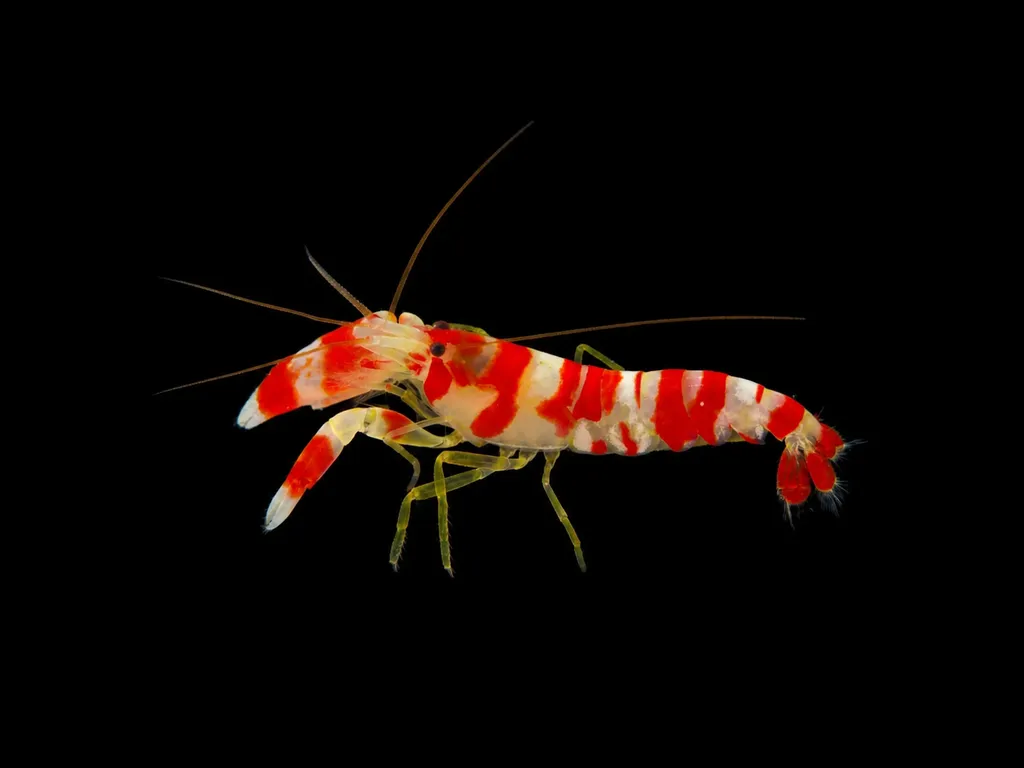
A pistol shrimp can barely see, but it digs and maintains a burrow all day. The goby that shares it has sharp eyes and does no digging. It sits at the entrance as a lookout, and the shrimp keeps one antenna resting on the goby's body whenever it is outside. A flick of the goby's tail sends the shrimp back down the hole, and a harder threat sends them both. At dusk they retire together and the shrimp seals the entrance for the night. The shrimp gets an early warning system, and the goby gets a home it could not build.
This partnership is easy to keep and it rewards watching. Give them a sand bed at least 2 inches (5 cm) deep with some rubble to hold the tunnel, add the two together or the shrimp first, and feed sinking food near the burrow mouth. The snap of the shrimp's claw is a small cavitation bubble collapsing, and you will hear it across the room. Pairs form readily between strangers, but the genera matter: the yellow watchman, pink-spotted, Wheeler's, orange-spot and Randall's gobies take a tiger pistol shrimp, while the yasha, hi-fin red banded and pinkbar gobies pair with Randall's pistol shrimp.
Common questions
What size tank does a Yasha goby need?
A Yasha goby needs at least 15 gal (57 L). It spends most of its time in the bottom.
What temperature and pH does a Yasha goby need?
A Yasha goby is comfortable at 72–79°F (22–26°C) with a pH of 8.1–8.4.
How big does a Yasha goby get?
An adult Yasha goby reaches about 2.4 in (6 cm).
Related species
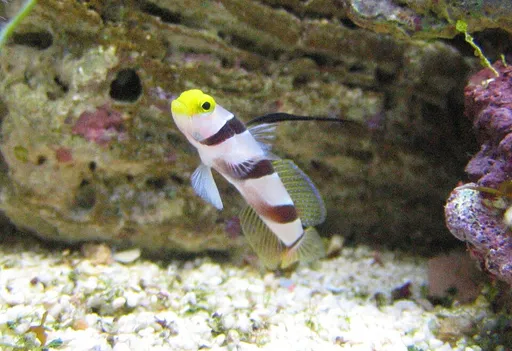 2.4 in (6 cm)20 gal (75 L)72–81°F (22–27°C)
Hi-fin red banded goby
Stonogobiops nematodes
2.4 in (6 cm) · 20 gal (75 L)
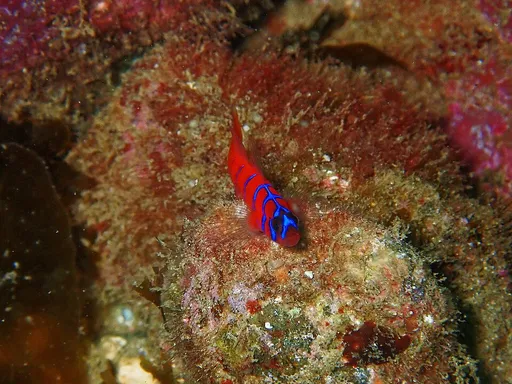 2.4 in (6 cm)11 gal (40 L)59–72°F (15–22°C)
Catalina goby
Lythrypnus dalli
2.4 in (6 cm) · 11 gal (40 L)
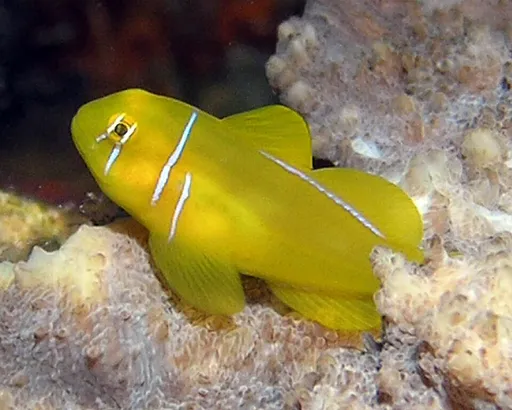 2.6 in (6.5 cm)11 gal (40 L)72–81°F (22–27°C)
Citron clown goby
Gobiodon citrinus
2.6 in (6.5 cm) · 11 gal (40 L)
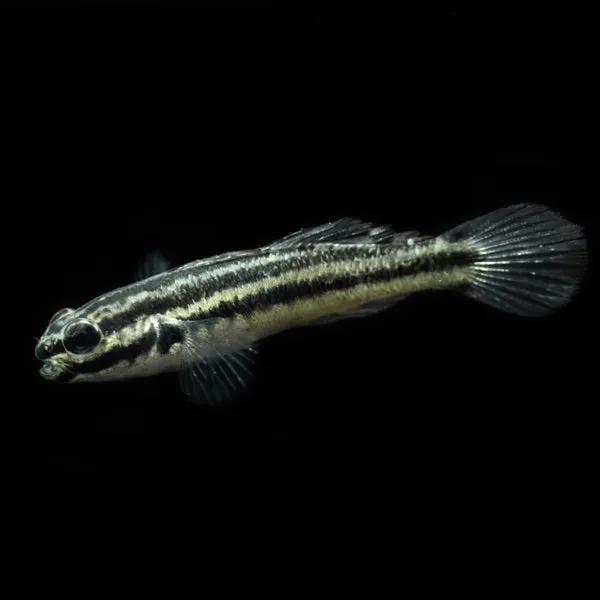 2.8 in (7 cm)20 gal (75 L)73–81°F (23–27°C)
Link's goby
Amblygobius linki
2.8 in (7 cm) · 20 gal (75 L)
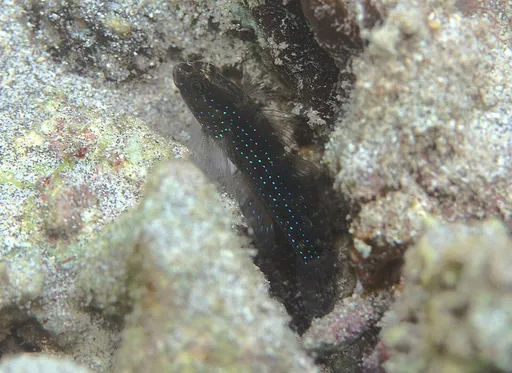 2.8 in (7 cm)13 gal (50 L)73–81°F (23–27°C)
Starry goby
Asterropteryx semipunctata
2.8 in (7 cm) · 13 gal (50 L)
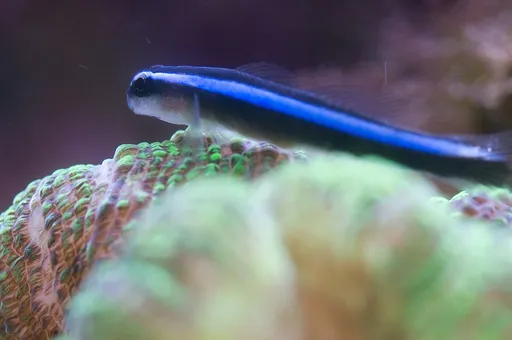 2 in (5 cm)11 gal (40 L)72–79°F (22–26°C)
Neon goby
Elacatinus oceanops
2 in (5 cm) · 11 gal (40 L)