Peacock gudgeon
Tateurndina ocellicauda
Also known as Peacock goby
FreshwaterFish
Care at a glance
- Temperature
- 72–79°F
- 22–26°C
- pH
- 6.0–7.5
- Adult size
- 3 in
- 7.5 cm
- Minimum tank
- 20 gal
- 75 L
- Temperament
- Peaceful
- Social behavior
- Social
- Swim level
- Middle
- Difficulty
- Medium
- Breeding
- Hard
- Rarity
- Very rare
- Family
- Eleotridae
- Origin
- New Guinea
Overview
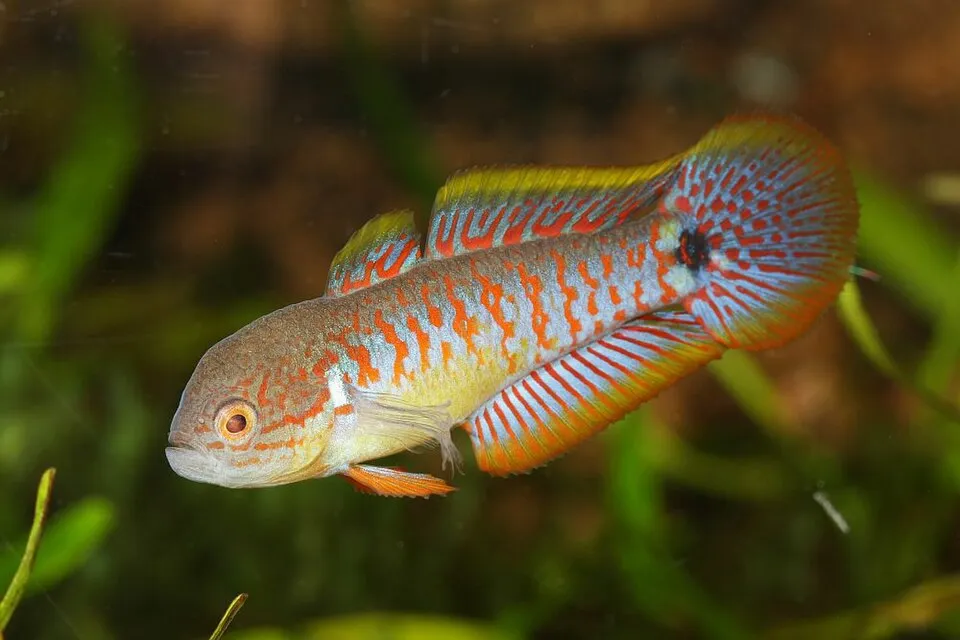
The peacock gudgeon is a small, gentle, colorful fish that does well in a group of five or more, where males stake out little cave territories and display to each other without real harm. It hovers in the middle of a planted tank rather than hugging the floor, and its calm nature makes it a good match for other peaceful nano fish and for dwarf shrimp too large to be eaten. It prefers small foods and can be shy of dry flake, so offer frozen and live bloodworms, daphnia, and brine shrimp, with fine micro pellets as a supplement. Give it soft, gently flowing water, plenty of plants, and small caves or pipes. A tank of 75 liters or larger comfortably holds a group.
In the wild
The peacock gudgeon comes from eastern Papua New Guinea, where it lives in slow, shady rainforest streams, pools, and creeks with soft, slightly acidic water. Aim for warm, calm conditions around 22 to 26 °C and a pH from about 6 to 7.5, with gentle filtration rather than strong current. Dense planting, driftwood, leaf litter, and shaded spots recreate the cover it uses in the wild and help it feel secure enough to show its colors. Clean, stable water and small regular water changes keep this fish at its best.
Good to know
The peacock gudgeon is a member of Eleotridae, the sleeper gobies, and reaches about 7.5 cm, with males growing larger than females and developing a raised nuchal hump on the forehead. As a sleeper, its pelvic fins are separate rather than joined into the sucker of true gobies. It is a cave spawner: the female attaches fifty to a hundred eggs to the roof of a cave, the male drives her out, and he then fans and guards the clutch until it hatches. Breeding is possible but counts as demanding, since the newly hatched fry are tiny and need very small live foods to get started.
Did you know
The species name ocellicauda means eye-tailed, after the dark, eye-like spot near the base of the tail, a false eye that may help draw a predator's attention away from the real head.
Weekly picks
Tank mates
Peacock gudgeon is a peaceful, social species that keeps to the middle. These picks share a community profile with it, are safe together in both directions, and overlap on water type, temperature and pH.
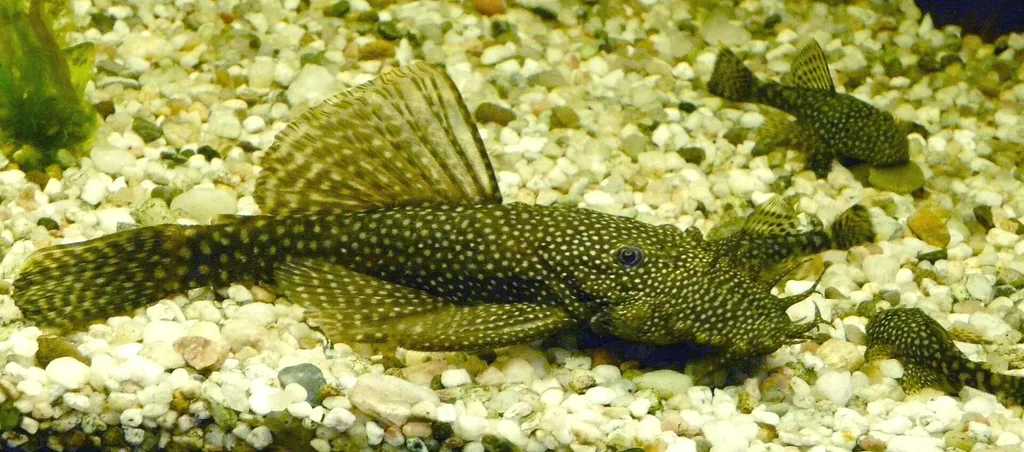
Bristlenose pleco
Ancistrus sp.
Freshwater4.9 in (12.5 cm) · 20 gal (75 L)70–79°F (21–26°C)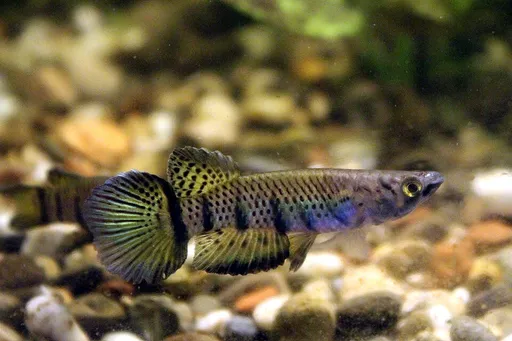
Six-barred panchax
Epiplatys sexfasciatus
Freshwater3.9 in (10 cm) · 20 gal (75 L)72–81°F (22–27°C)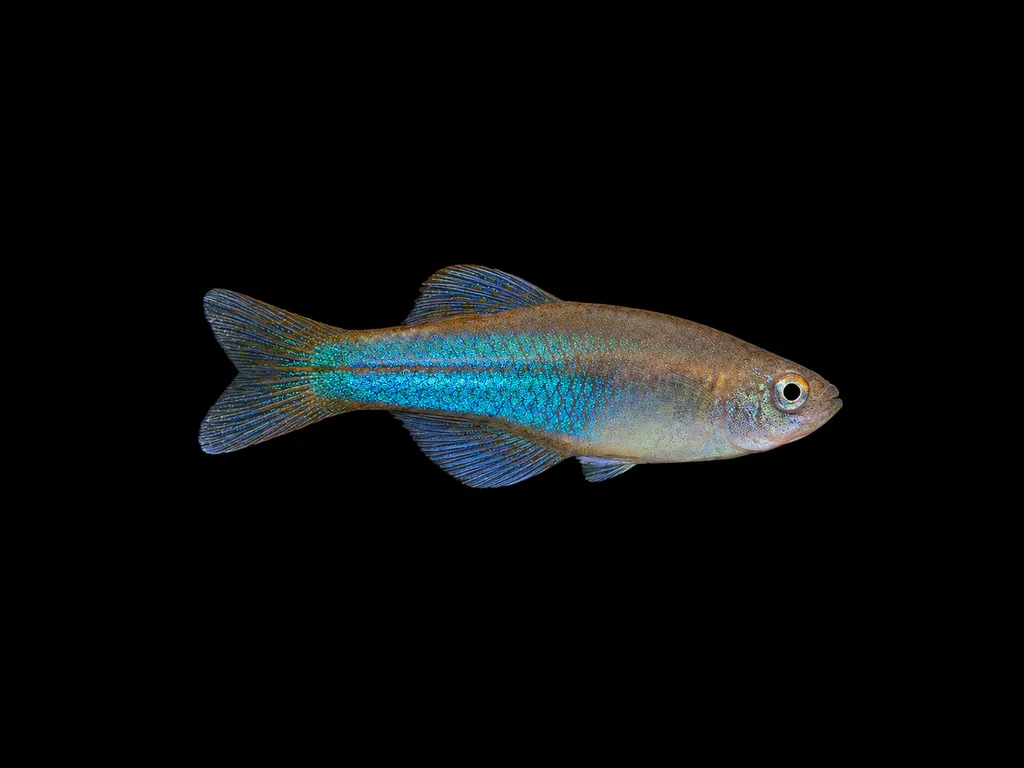
Blue-green lampeye
Procatopus aberrans
Freshwater2.2 in (5.5 cm) · 20 gal (75 L)72–79°F (22–26°C)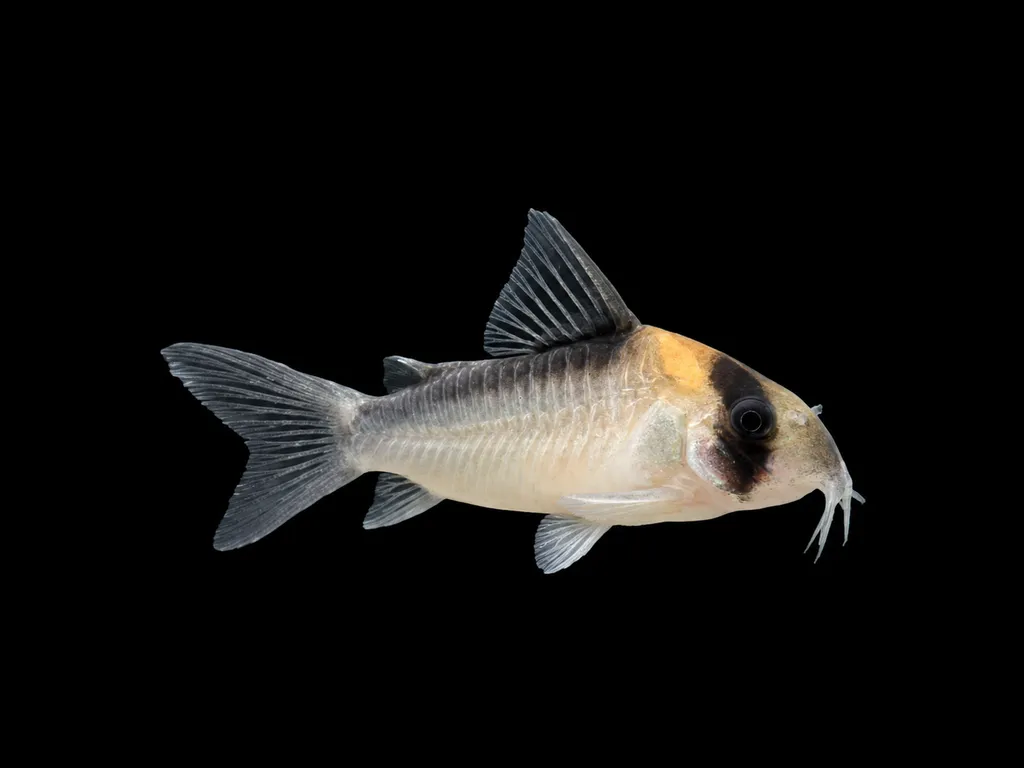
Burgess's cory
Hoplisoma burgessi
Freshwater2.2 in (5.5 cm) · 20 gal (75 L)72–79°F (22–26°C)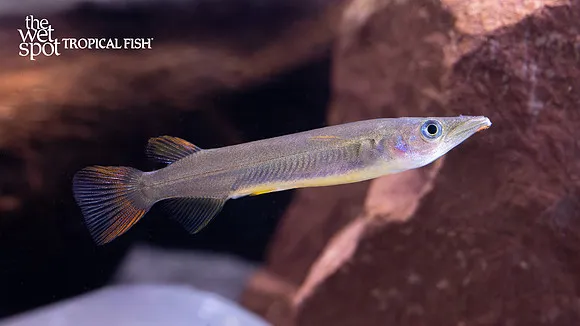
Rex halfbeak
Nomorhamphus rex
Freshwater2.2 in (5.5 cm) · 20 gal (75 L)72–79°F (22–26°C)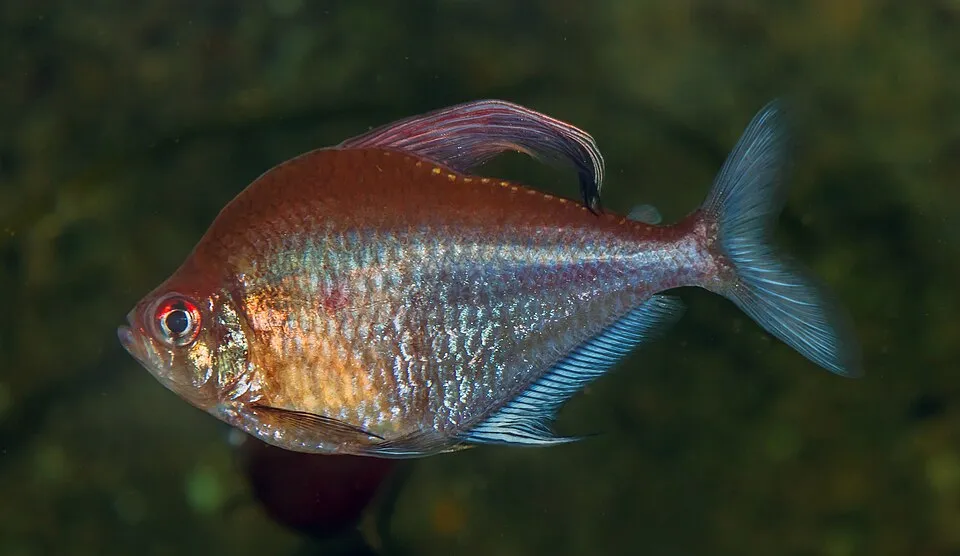
Bleeding heart tetra
Hyphessobrycon erythrostigma
Freshwater2.4 in (6 cm) · 20 gal (75 L)70–81°F (21–27°C)
Common questions
What size tank does a Peacock gudgeon need?
A Peacock gudgeon needs at least 20 gal (75 L). It spends most of its time in the middle.
What temperature and pH does a Peacock gudgeon need?
A Peacock gudgeon is comfortable at 72–79°F (22–26°C) with a pH of 6.0–7.5.
How big does a Peacock gudgeon get?
An adult Peacock gudgeon reaches about 3 in (7.5 cm).
Related species
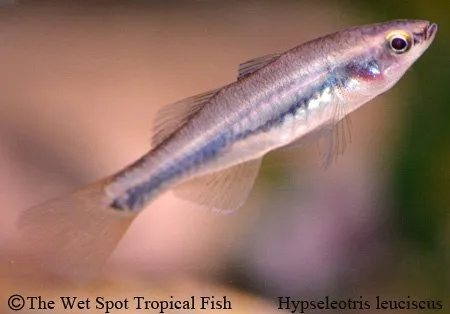 2 in (5 cm)14 gal (54 L)75–82°F (24–28°C)
Blue neon carnival gudgeon
Hypseleotris leuciscus
2 in (5 cm) · 14 gal (54 L)
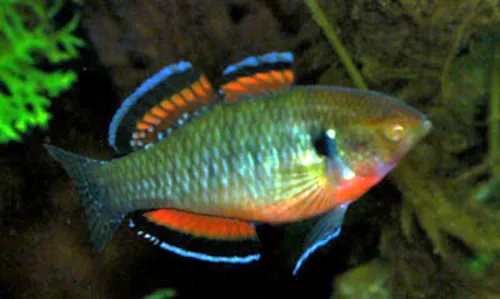 4.7 in (12 cm)26 gal (100 L)68–95°F (20–35°C)
Empire gudgeon
Hypseleotris compressa
4.7 in (12 cm) · 26 gal (100 L)
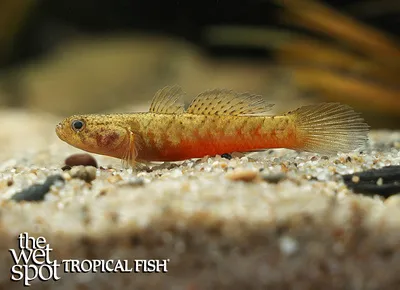 2 in (5 cm)20 gal (75 L)75–82°F (24–28°C)
Poreless gudgeon
Oxyeleotris nullipora
2 in (5 cm) · 20 gal (75 L)
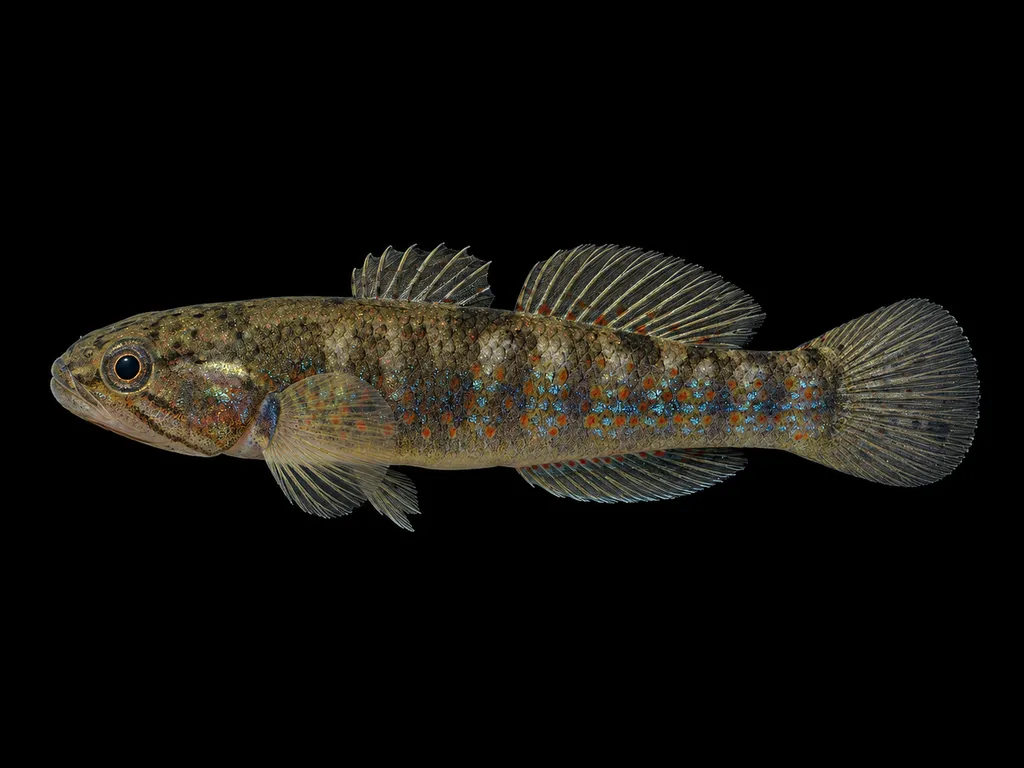 4.7 in (12 cm)30 gal (112 L)72–82°F (22–28°C)
Banded gudgeon
Mogurnda cingulata
4.7 in (12 cm) · 30 gal (112 L)
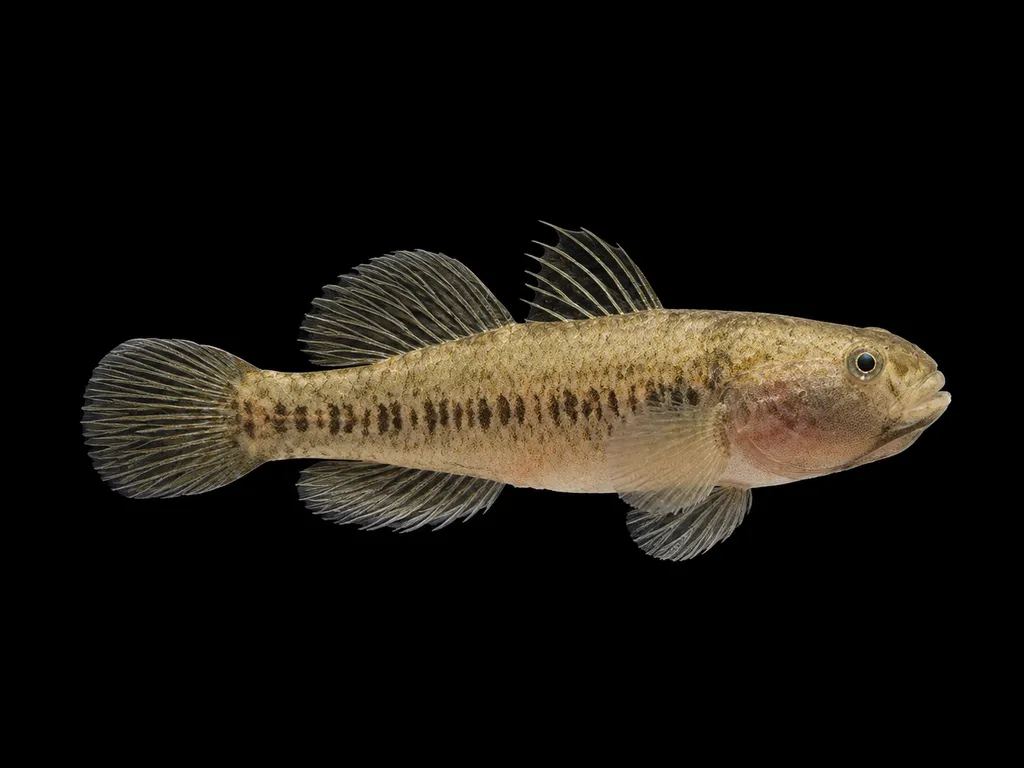 4.7 in (12 cm)42 gal (160 L)75–82°F (24–28°C)
Clay goby
Dormitator lebretonis
4.7 in (12 cm) · 42 gal (160 L)
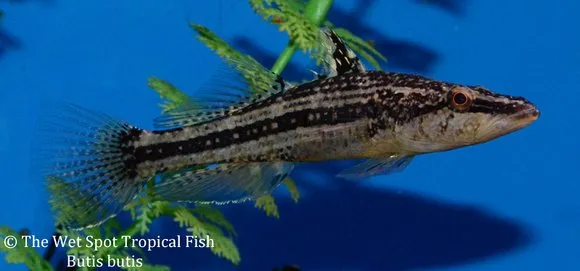 5.9 in (15 cm)66 gal (250 L)75–82°F (24–28°C)
Crazy fish
Butis butis
5.9 in (15 cm) · 66 gal (250 L)