Indian mudskipper
Periophthalmus novemradiatus
Also known as Novemradiatus mudskipper, Dwarf mudskipper
BrackishFish
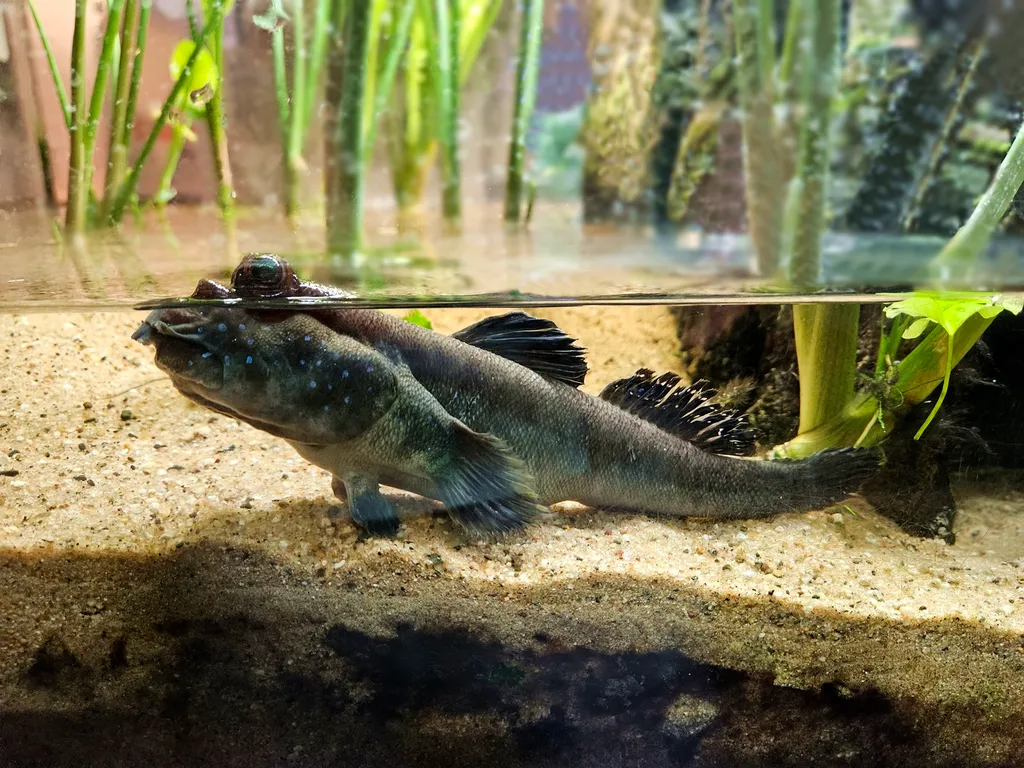
Care at a glance
- Temperature
- 75–82°F
- 24–28°C
- pH
- 7.5–8.5
- Adult size
- 3.9 in
- 10 cm
- Minimum tank
- 29 gal
- 110 L
- Temperament
- Mostly peaceful
- Social behavior
- Social
- Swim level
- Bottom
- Diet
- Carnivore
- Difficulty
- Difficult
- Breeding
- No record
- Rarity
- Rare
- Family
- Oxudercidae
- Origin
- Bay of Bengal coasts
Overview
The Indian mudskipper is an amphibious fish that spends much of the day out of the water on damp land. It is more of a paludarium project than a normal fish tank, and it suits experienced keepers.
Did you know
The Indian mudskipper gets around by hopping across the mud on its front fins. It stakes its claims with little push-up displays.
Caring for the Indian mudskipper
Give Indian mudskippers a footprint of at least 29 gal (110 L), with land and water side by side. Build a large, exposed land or mud bank, with shallow brackish water they can return to. A tight, sealed lid holds in the high humidity and stops them walking out.
Add salt to the water and keep the warmth steady. Hold the water at 75 to 82°F (24 to 28°C), hard and alkaline, with a pH of 7.5 to 8.5. Feed meaty foods such as small crustaceans, insects and frozen bloodworm, offered both in the shallows and on land.
Indian mudskippers are mostly peaceful and social, and small groups do well when there is space. Males set up little territories on the mud. The species is amphidromous, and there is no established record of it being bred in an aquarium.
Good to know
Periophthalmus novemradiatus is a member of the family Oxudercidae, described by Hamilton in 1822. Its name, novemradiatus, means nine-rayed, a reference to the fin rays. It is an air-breather that shuttles between water and land, taking in oxygen through its skin and the lining of its mouth. It is also known as the dwarf mudskipper or novemradiatus mudskipper.
In the wild
In the wild, the Indian mudskipper lives on tidal mudflats and mangrove edges around the Bay of Bengal and the coasts of India. It skitters over wet mud and slips between rock pools. The water there is warm and brackish, and the air is humid.
Common questions
What size tank does an Indian mudskipper need?
An Indian mudskipper needs at least 29 gal (110 L). It spends most of its time in the bottom.
What temperature and pH does an Indian mudskipper need?
An Indian mudskipper is comfortable at 75–82°F (24–28°C) with a pH of 7.5–8.5.
What does an Indian mudskipper eat?
An Indian mudskipper eats meaty foods such as small crustaceans, insects and frozen bloodworm. Offer them both in the shallows and on land.
How big does an Indian mudskipper get?
An adult Indian mudskipper reaches about 3.9 in (10 cm).
How does an Indian mudskipper breed?
The Indian mudskipper is amphidromous, and there is no established record of it breeding in an aquarium.
Related species
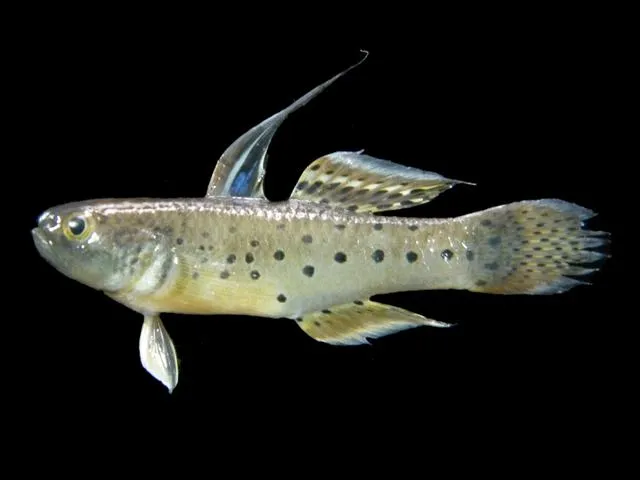 3.5 in (9 cm)21 gal (80 L)68–79°F (20–26°C)
Knight goby
Stigmatogobius sadanundio
3.5 in (9 cm) · 21 gal (80 L)
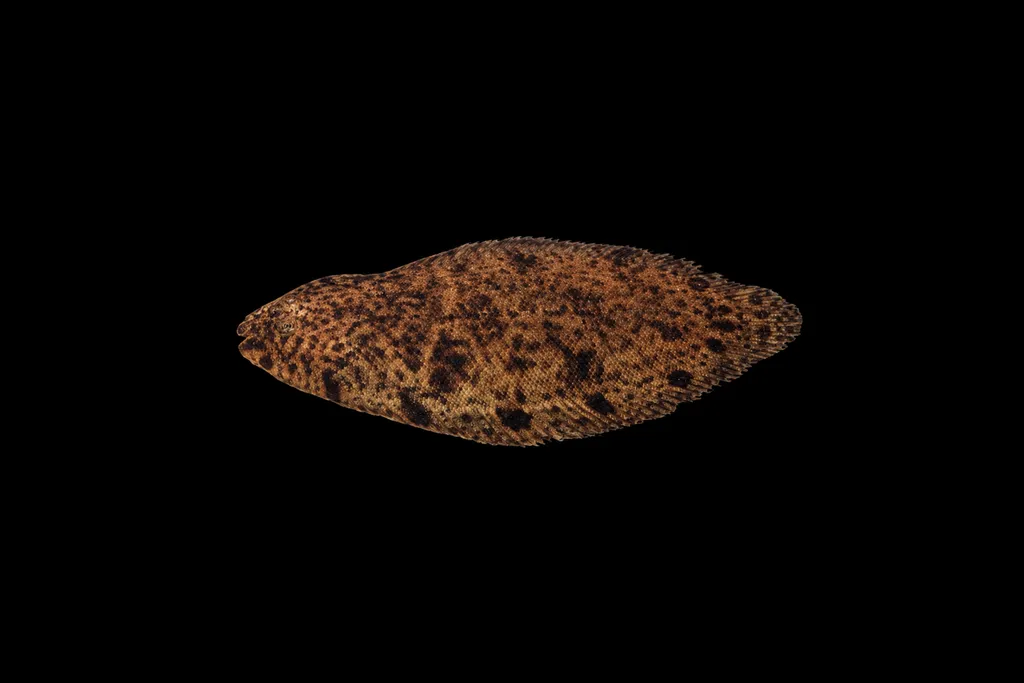 4.1 in (10.5 cm)30 gal (112 L)73–82°F (23–28°C)
Velvet sole
Brachirus villosus
4.1 in (10.5 cm) · 30 gal (112 L)
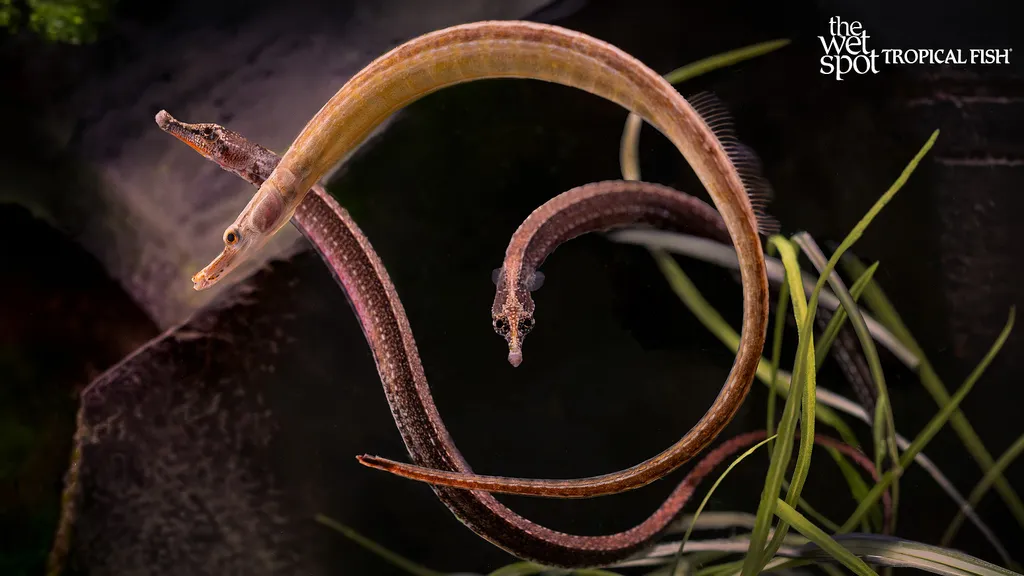 7.5 in (19 cm)32 gal (120 L)72–81°F (22–27°C)
Barhead pipefish
Microphis leiaspis
7.5 in (19 cm) · 32 gal (120 L)
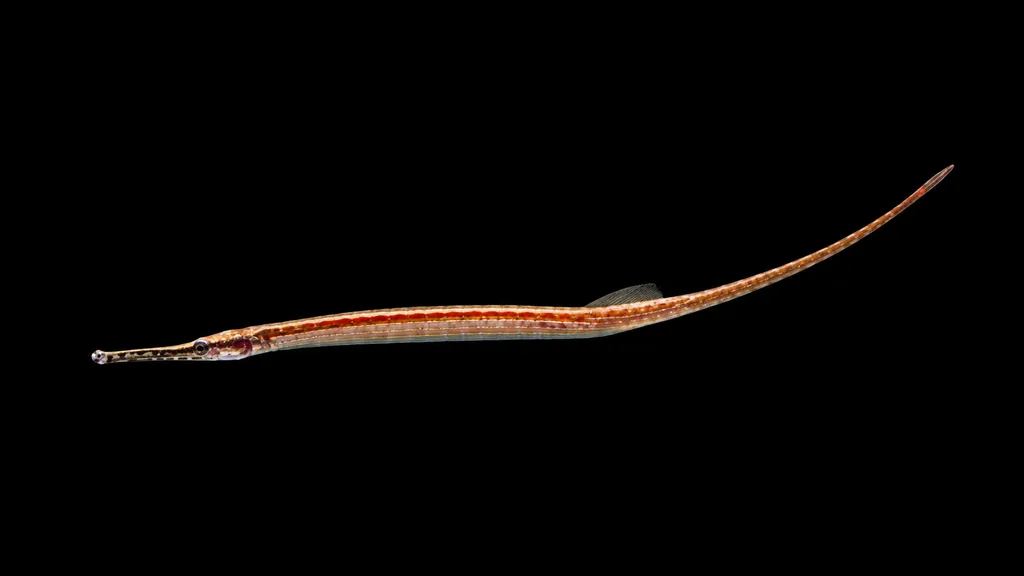 7.9 in (20 cm)32 gal (120 L)75–82°F (24–28°C)
African red-striped pipefish
Microphis aculeatus
7.9 in (20 cm) · 32 gal (120 L)
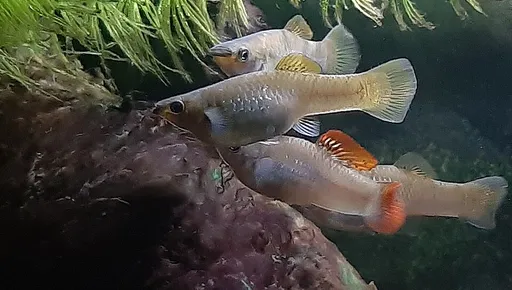 3.9 in (10 cm)24 gal (90 L)72–82°F (22–28°C)
Liberty molly
Poecilia salvatoris
3.9 in (10 cm) · 24 gal (90 L)
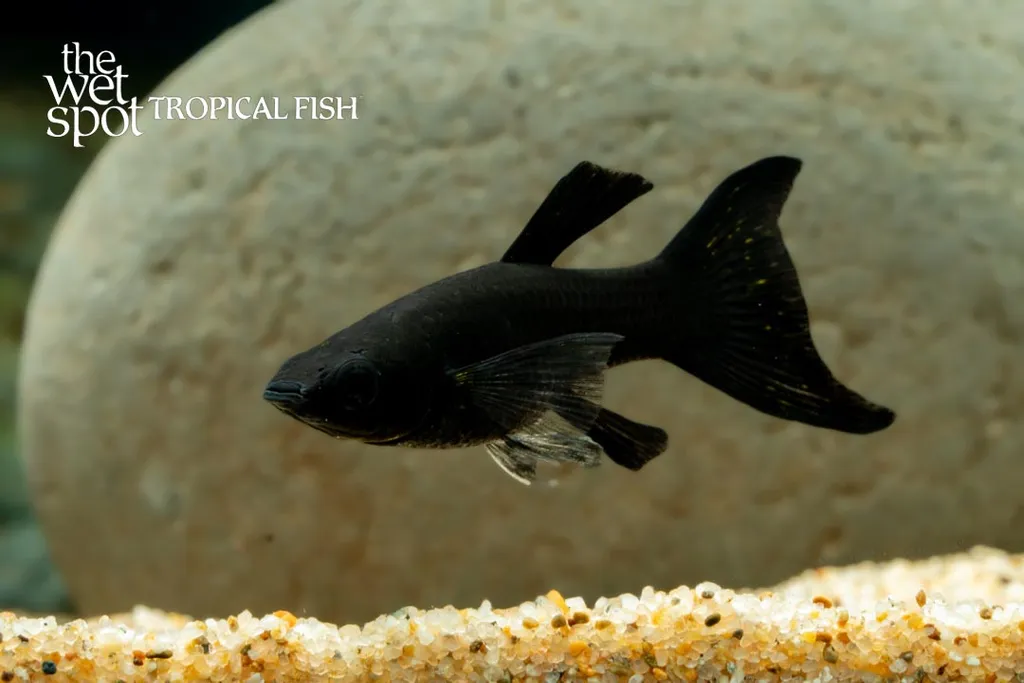 4.7 in (12 cm)24 gal (90 L)70–82°F (21–28°C)
Black molly
Poecilia sphenops
4.7 in (12 cm) · 24 gal (90 L)